National Archaeology Museum and Château de Saint-Germain-en-Laye
National Archaeology Museum at a glance
- 2 January 2026 to 30 June 2027
- 10:00 – 17:00 (closed on Tuesday)
- Full price
- €6
- Free
- under 18s
- Time needed
- about 1 h
- Visitors per year
- 110,161 (2019)
- Where
- Saint-Germain-en-Laye
Official ticket-office prices, checked on 10 November 2026. Full opening hours, reduced prices and access
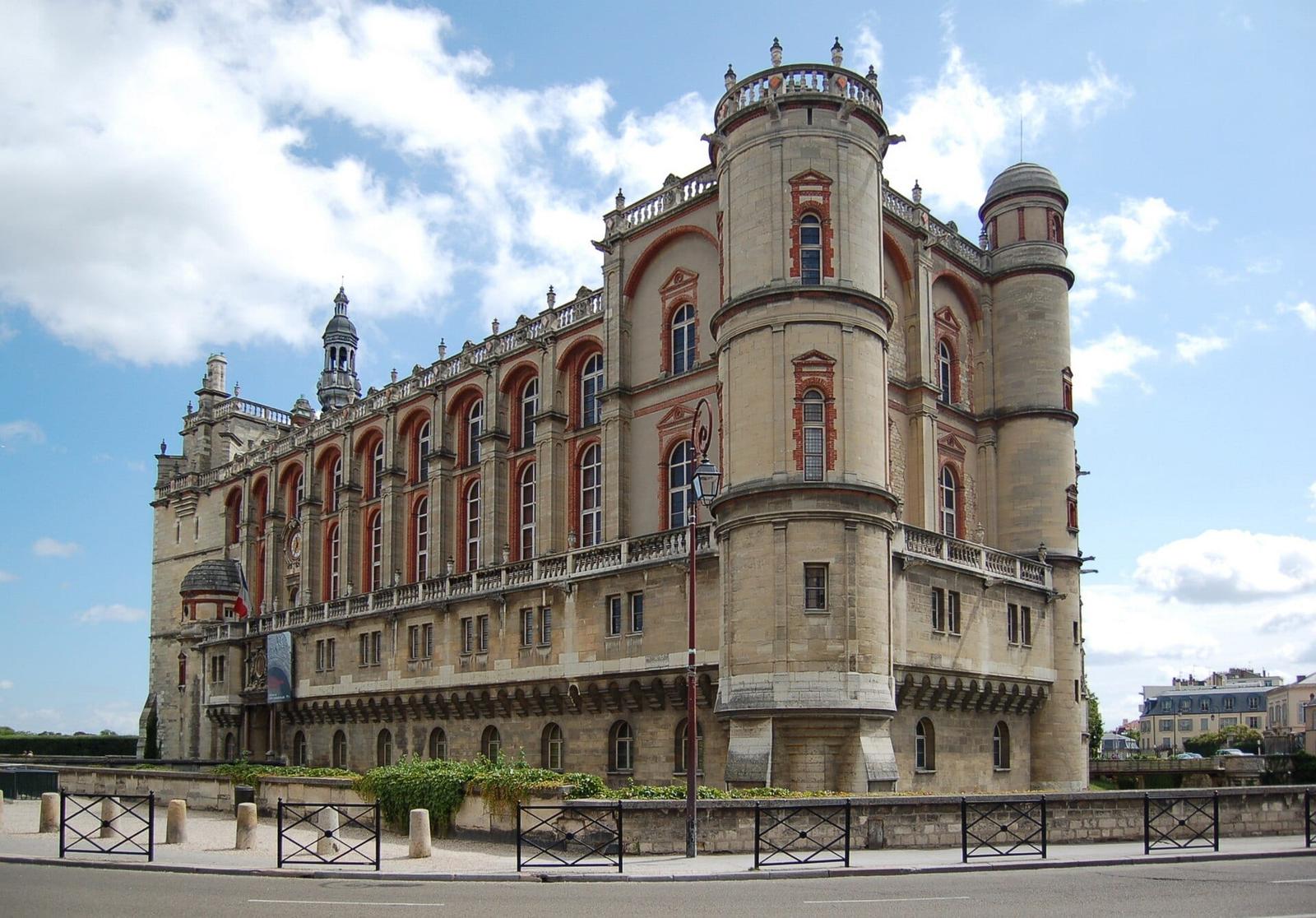
Louis XIV was born in Saint-Germain-en-Laye, and it was in the château of his childhood that Napoleon III set up the museum of France's origins. Inside are objects from prehistory to Gaulish times, a chapel older than the Sainte-Chapelle in Paris and, outside, Le Nôtre's Grande Terrasse. Some rooms are closed for works until 2028-2029: here is what you can actually see, the prices, the opening hours and our tips.
The museum at a glance
- Where: in the Château de Saint-Germain-en-Laye (Yvelines), opposite the RER A station, about twenty minutes from Paris.
- Price: €6, free for under-18s, for EU residents under 26 and for everyone on the first Sunday of the month.
- Open: every day except Tuesday, 10:00 to 17:00. The estate (gardens, Grande Terrasse) is open every day and free.
- Time needed: allow 1 h for the open rooms, plus a walk on the terrace.
- Best for: anyone curious about prehistory and the Gauls, families thanks to the workshops, people who like a good walk.
- Good to know: the Palaeolithic, Roman Gaul and early Middle Ages galleries are closed for works. Reopening is planned for around 2028-2029.
Why visit the National Archaeology Museum
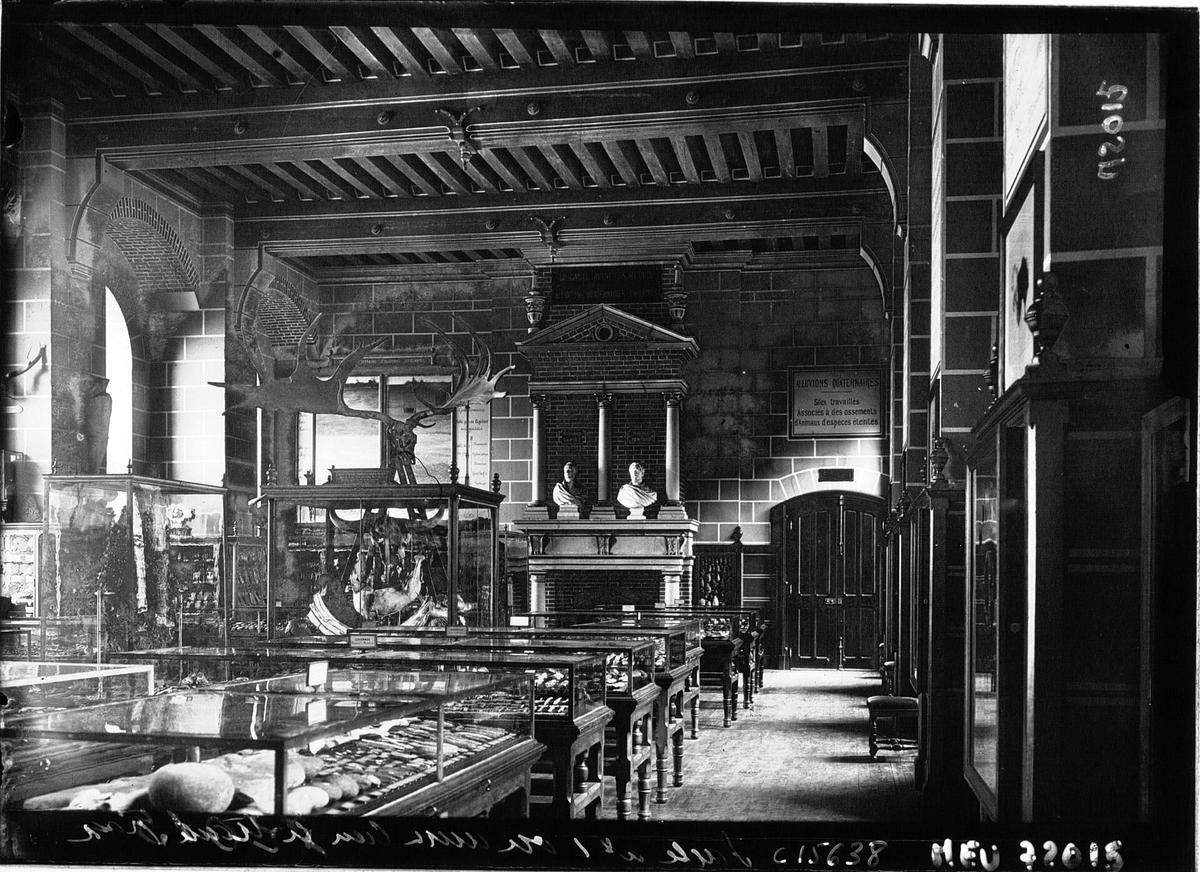
The museum holds one of the richest archaeological collections in Europe: about 30,000 objects on display and nearly 3 million in storage. It tells the story of people on the territory of France, from the first hunters to the kingdoms of the early Middle Ages.
The setting matters as much as the display cases. The present château was rebuilt from 1539 for Francis I by the architect Pierre Chambiges, in brick and stone, around a trapezoid-shaped courtyard. It was one of the great royal residences before Versailles. Louis XIV spent much of his youth here and only left for Versailles in 1682.
Napoleon III created the museum by decree in 1862 and opened the first rooms in 1867. He wanted to bring together the physical traces of national history, at the time when Alesia was being excavated. The château, which had served as a military prison from 1836 to 1855, was then restored by Eugène Millet, a pupil of Viollet-le-Duc.
What is open and closed in 2026
This is the question to ask before you go. The museum is in the middle of major works:
- Open: the Neolithic, Bronze Age and Iron Age collections, up to Celtic Gaul. This is the core of the current visit: polished axes, Bronze Age jewellery, Gaulish helmets and weapons.
- Closed since 2023: the former Palaeolithic gallery, while the south-west staircase is demolished. It is due to reopen around 2028-2029 in a space twice as large.
- Closed since 2020: the Gallo-Roman rooms and the Merovingian and Carolingian rooms.
- Closed: the Salle de Mars, the former ballroom, which showed archaeology from all five continents.
- Guided tour only: the Salle Piette, a 19th-century interior restored in 2008, with about 7000 objects from prehistoric digs.
A new staircase and a lift have been under construction since September 2024 to serve every floor, with completion planned for late 2026. The museum publishes a calendar of which rooms are open: check it, or call the ticket office on the morning of your visit.
Can you see the Venus of Brassempouy? This small ivory head, one of the oldest known carved human faces, belongs to the Palaeolithic collections, which are closed. The official website does not say whether it is shown elsewhere during the works. If it is the reason for your trip, ask before you come.
Ticket prices
2026 prices published by the museum:
- Individual ticket: €6, valid all day.
- Groups: €5 per person.
- First Sunday of every month: free for everyone, for the permanent collections.
Who gets in free? With proof: under-18s, EU nationals aged 18 to 25, teachers with a Pass Éducation, jobseekers and people on RSA income support, journalists, professional artists and holders of a disability card. The Paris Museum Pass also covers the museum.
If you are 18 to 25 and from outside the EU, you pay the full price, which is still modest.
Guided tours. They cost €5 for one hour, €7 for an hour and a half and €9 for two hours, on top of the entry ticket. You pay on the day at the ticket office. They are the only way to see the Salle Piette.
The estate is free. The gardens and the Grande Terrasse need no ticket.
Do you need to book?
No. Entry is open with no booking: buy your ticket on site. For the Salle Piette or a children's workshop during the school holidays, ask early, as places are limited.
Partner links: if you book through these links, we earn a commission at no extra cost to you. Partner links · Learn more
Opening hours 2026 and best time to visit
- Museum: 10:00 to 17:00, every day except Tuesday.
- Closed: 1 January, 1 May and 25 December.
- Estate: open every day from 8:00. It closes at 17:00 from November to February and as late as 20:30 at the height of summer.
Our tip: come on a fine Sunday, the first of the month if you can. See the museum in the morning, have lunch in town, then keep the afternoon for the Grande Terrasse. In winter the terrace closes early, so do it first if you arrive after lunch.
How long does it take to visit?
The Paris Region tourist board gives an average of 1 h. With half the collections closed, that is realistic for the open rooms. Add an hour to walk to the end of the Grande Terrasse and back.
What to see in the château and the estate
The Saint-Louis chapel. Saint Louis had it built around 1238, a few years before the Sainte-Chapelle in Paris (1240-1248), whose style it foreshadows. Restored in 2017, it is one of the oldest parts of the château. Francis I married Claude of France here.
The château courtyard. Look at the brick and stone façades and the five corner pavilions added by Hardouin-Mansart at the end of the 17th century. The irregular shape of the courtyard comes from the foundations of the medieval castle.
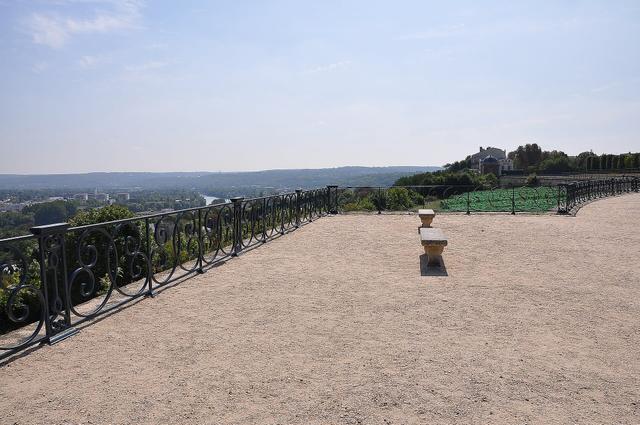
The Grande Terrasse. Designed by André Le Nôtre and built roughly between 1669 and 1674, it runs along the hillside above the Seine. The view takes in the bend of the river, the forest and, in the distance, the towers of La Défense and Paris.
Three stories about Saint-Germain-en-Laye
Louis XIV was not born in this château. He was born in 1638 at the Château-Neuf, another royal residence built further down towards the Seine and almost entirely demolished since. The château you visit is the Château-Vieux, Francis I's. (Source: Wikipedia.)
An English king in exile. Driven from his throne, James II of England lived at the château from 1689 until his death in 1701, as Louis XIV's guest. A whole court of loyal English, Scottish and Irish followers settled here with him. (Source: Wikipedia.)
Peace with Austria. In 1919, the treaty ending the First World War with Austria was signed at the château. It is known as the Treaty of Saint-Germain-en-Laye. (Source: Wikipedia.)
Visitor numbers: a museum still little known
The museum welcomed 110,161 visitors in 2019, its last known figure before Covid (source: Wikipedia, based on French Ministry of Culture figures). That is low for a collection of this size. In practice, outside the French school holidays, the rooms are quiet, even at weekends.
Visiting with children
The museum is a good outing for children who like the Gauls: helmets, swords, chariots, jewellery. Under-18s get in free. During the French school holidays, workshops are offered from €7 an hour, and entry is then free. The programme is published on the museum's website.
The estate is perfect for ending the day: wide paths, lawns and a terrace where children can run around.
Accessibility
The permanent collections and temporary exhibitions are wheelchair accessible by ramps and lift, with assistance, except the Salle Piette. Adapted toilets are on the ground floor, and the museum lends wheelchairs and walking-stick seats. Only guide dogs are allowed inside.
How to get to Saint-Germain-en-Laye from Paris
By RER. Take RER A to the Saint-Germain-en-Laye terminus. The château is right opposite the station exit. Allow about twenty minutes from Charles-de-Gaulle-Étoile.
By bus. Bus 258 links La Défense with Saint-Germain-en-Laye.
By car. Saint-Germain is about twenty kilometres west of Paris via the A13 or N13. The town centre has paid car parks near the château. A car is handy if you want to add the Désert de Retz or the Château de Maisons.
What to see nearby on the same day
| Also worth seeing | Distance | Travel time |
|---|---|---|
| Désert de Retz | 5 km | 10 min by car |
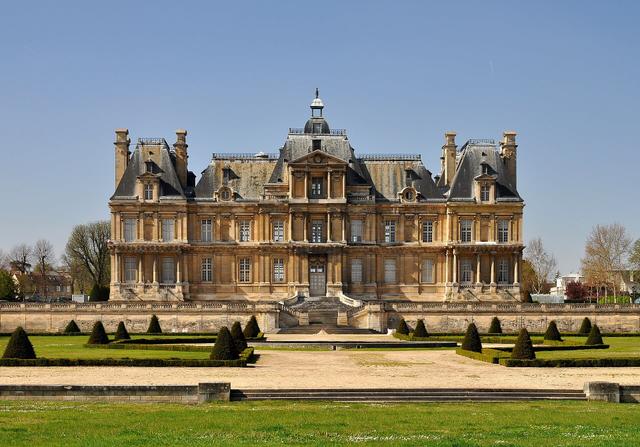
| Château de Maisons | 8 km | 15 min by car |
| Maison Fournaise | 6 km | 20 min by public transport |
Approximate road distances and travel times.
Five kilometres away, the Désert de Retz and its 18th-century follies make a lovely afternoon walk. See also: Désert de Retz The Château de Maisons, François Mansart's masterpiece, is a quarter of an hour away by car. See also: Château de Maisons On RER A, the Maison Fournaise in Chatou recalls the Impressionists' lunches by the Seine. See also: Maison Fournaise
To follow the story of the royal residences, the Château de Vincennes, where the kings lived before Saint-Germain, is on the same RER line, on the other side of Paris. See also: Château de Vincennes, Villa Savoye, Château de Malmaison, Palace of Versailles, Île-de-France
Where to eat and stay
The museum has no restaurant. The centre of Saint-Germain-en-Laye has plenty of cafés, bakeries and restaurants a few minutes' walk from the château.
To stay, Saint-Germain is a good, quiet base for exploring west of Paris, twenty minutes from the city by RER.
Places to stay near Saint-Germain-en-Laye
FAQ
How much is a ticket to the National Archaeology Museum?
€6. Entry is free for under-18s, for EU residents under 26 and for everyone on the first Sunday of the month.
What day is the museum closed?
Tuesday, as well as 1 January, 1 May and 25 December.
Can I see the Venus of Brassempouy?
The Palaeolithic collections are closed for works until around 2028-2029. The website does not say whether the figurine is shown elsewhere, so ask the museum before you come.
Was Louis XIV born in this château?
Not exactly. He was born at the Château-Neuf in Saint-Germain, now almost gone, but he grew up between the two châteaux and only left for Versailles in 1682.
Do you have to pay for the Grande Terrasse?
No. The national estate, with its gardens and Le Nôtre's terrace, is free to enter.
How do I get to the museum from Paris?
Take RER A to the Saint-Germain-en-Laye terminus. The château is opposite the station.
Practical information
Opening hours 2026
| 2 January 2026 to 30 June 2027 | 10:00 – 17:00 (Closed: Tuesday) |
|---|
Closed: 1 January, 1 May, and 25 December
Official ticket-office prices 2026
| Full price | €6 |
|---|---|
| Free | under 18s, EU/EEA residents aged 18 to 25, French teachers (Pass Éducation), jobseekers, recipients of French welfare benefits, and journalists |
Address
Musée d'Archéologie nationale, château, place Charles-de-Gaulle, 78100 Saint-Germain-en-Laye, France
Directions · Phone+33 1 39 10 13 00
On site and nearby
- On site: Toilets
- Nearest shops and pharmacy: Saint-Germain-en-Laye, less than 1 km away Straight-line distance, based on OpenStreetMap.
- Emergencies: 112 (all emergencies, free from any phone), 15 (SAMU, medical emergency)
Around the site, on Google Maps
With children
Family days out nearby: Château de Monte-Cristo (2 km), Maison Fournaise (5 km), Désert de Retz (6 km)
Swimming pools and play areas nearby, on Google Maps
Swimming poolsPlaygroundsLeisure parks
Family activities around Saint-Germain-en-Laye on GetYourGuide
Facts checked on 10 November 2026. Sources: musee-archeologienationale.fr, musee-archeologienationale.fr, musee-archeologienationale.fr, fr.wikipedia.org, fr.wikipedia.org, musee-archeologienationale.fr, visitparisregion.com
Map
In the same region

- Great War Museum, Meauxfrom €12Free under 8
- Parrot Worldfrom €19Free under 3
- Villa Savoyefrom €9Free under 18