Fort de la Pompelle: visiting the WW1 fort that protected Reims
Fort de la Pompelle at a glance
- High season
- 10:00 – 18:00
- Full price
- €5.50
- Free
- under 18s
- Time needed
- about 1 h 15 min
- Where
- Puisieulx
Official ticket-office prices, checked on 11 November 2026. Full opening hours, reduced prices and access
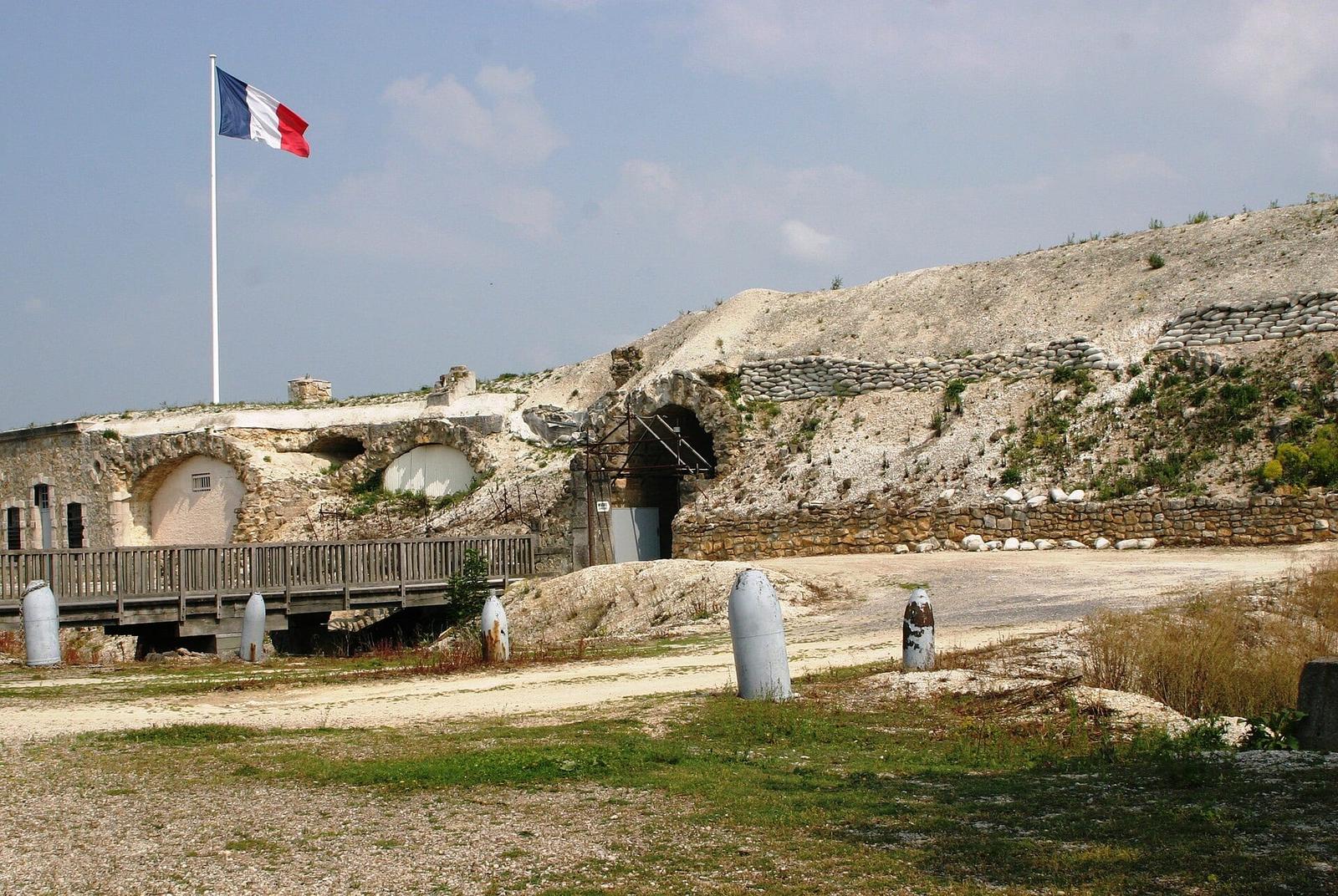

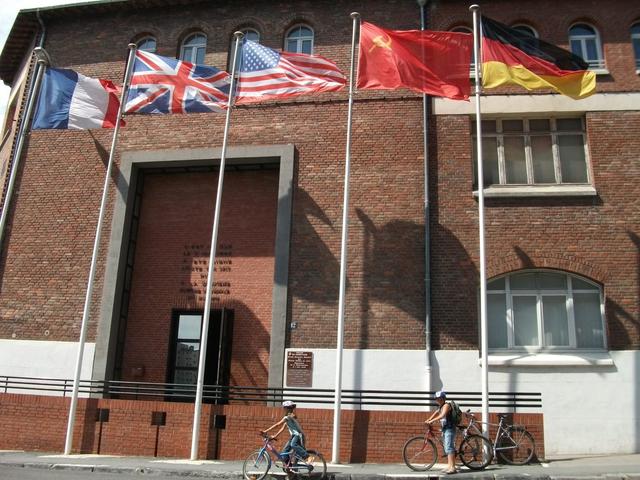
A few kilometres south-east of Reims, Fort de la Pompelle was never retaken by the German army after September 1914. Its casemates now house a renovated museum of the Great War, with a rare collection of German helmets. Here are the prices, opening hours, free days, how to get there and our tips for the visit.
Fort de la Pompelle at a glance
- Where: in the commune of Puisieulx, on the RD 944 (the road to Châlons-en-Champagne), about 8 km south-east of central Reims.
- Price: €5.50 full price, €3.30 reduced. Free for under-18s and students under 25.
- Open: Tuesday to Sunday, from 10:00 – 18:00. Closed on Mondays, 1 January, 1 May, 1 November and 25 December.
- Free for everyone: on the first Sunday of the month, during the European Heritage Days and the European Night of Museums, and every 11 November.
- Time needed: allow 1 to 1.5 hours.
- Getting there: by car, with a car park on site.
What is Fort de la Pompelle?
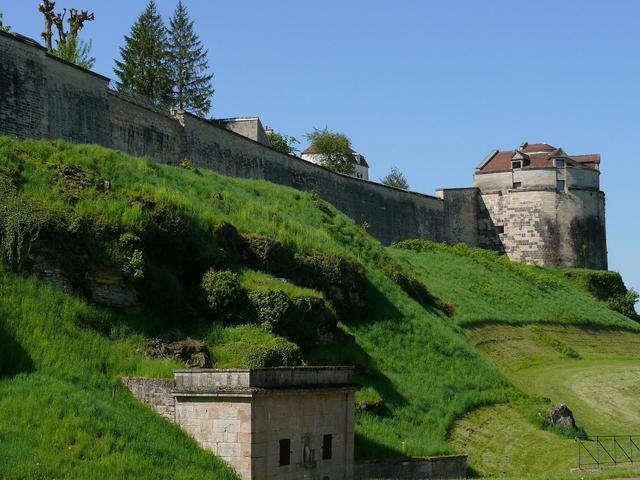
The fort was built from 1880 to 1883 to complete the ring of forts protecting Reims. This ring was part of the defence system designed by General Séré de Rivières after France's defeat in 1870. La Pompelle was one of seven forts around the city at the time. It covers 2.31 hectares and was originally armed with 6 155 mm guns and 4 138 mm guns, served by a garrison of 277 artillerymen.
In 1913, on the eve of the war, the army disarmed it, judging it obsolete. Yet this is where the defence of Reims would be fought for four years.
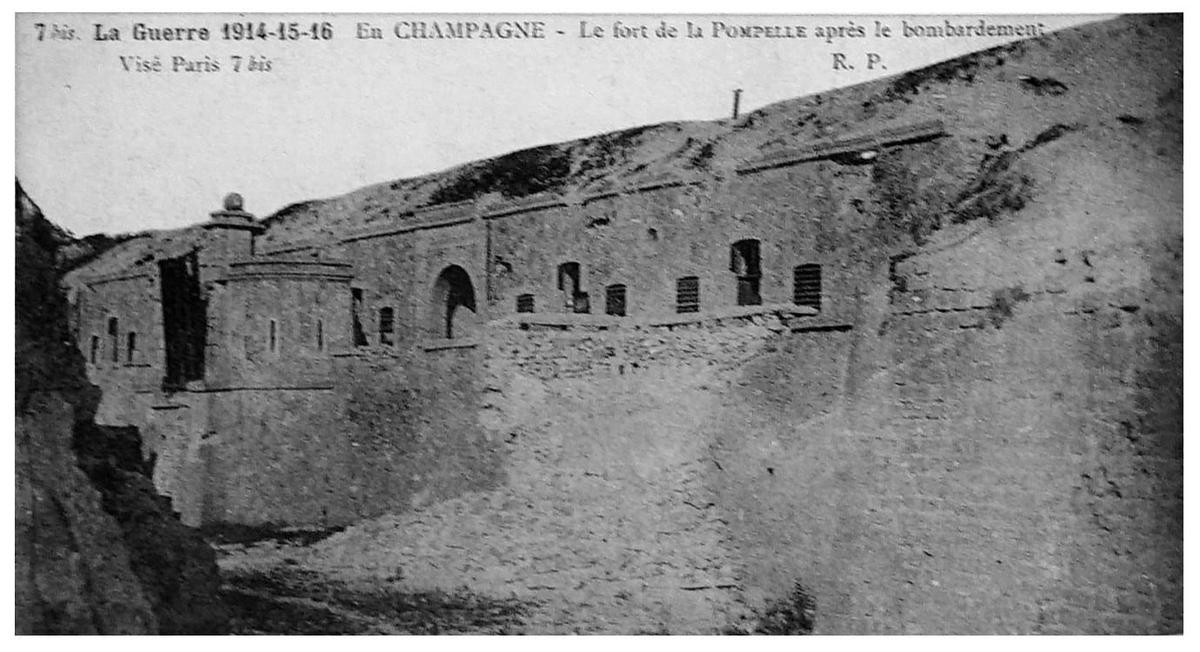
1914: taken, then retaken. On 4 September 1914, German troops occupied the fort without a fight. After the victory of the Marne, the French 138th Infantry Regiment retook it on 24 September 1914. It never changed hands again, unlike other nearby forts that stayed in German hands.
Four years on the front line. Throughout the war, the fort was the key to the city's defence. It suffered shelling, infantry attacks and mines. Some 180 regiments took turns there, with between 1500 and 2000 men present at any one time. In 1916, two brigades of the Russian Expeditionary Force, sent by Tsar Nicholas II, defended the sector. In spring 1918, the fort fought off three assaults, one of them, on 1 June 1918, with 15 tanks.
After the war. The fort was listed as a historic monument as early as 23 March 1922, but it was left abandoned for almost forty years. Put up for sale by the state in the 1950s, it was bought by the Fédération nationale André Maginot, a veterans' association, which handed it to the City of Reims for a symbolic franc. The museum was opened on 10 November 1972 by Michel Debré, then Minister of Defence.
For the centenary of the Great War, the City of Reims renovated the fort and its museum for about 3 million euros. The new exhibition was opened in July 2014 by President François Hollande, and the exhibition space grew from 500 to 1000 m².
How much does it cost to visit Fort de la Pompelle?
2026 prices published by the Reims museums:

- Full price: €5.50 for the museum, €9 with the main temporary exhibition.
- Reduced rate (ages 18 to 25 and over-65s): €3.30, or €7 with the temporary exhibition.
- Groups (from 20 people): €3.30 per person, by booking.
Who gets in free? Under-18s, students under 25 with their card, disabled visitors and their carer, jobseekers, people on RSA income support, journalists, veterans and serving military personnel.
Free days for everyone. Entry is free on the first Sunday of every month, during the European Heritage Days, Rendez-vous aux jardins (a national garden open weekend), the European Night of Museums and the National Archaeology Days. The fort adds one date of its own: 11 November, Armistice Day.
The Intermusées pass. At €22 (€11 for teachers), it gives a year of unlimited entry to the five municipal museums of Reims. At the fort's full price, it pays for itself from the fourth visit.
Do you need to book?
No. Individual visitors can come during opening hours without booking. Tickets are sold at the fort's front desk: cash, French cheques, bank cards and chèques-vacances are accepted. Online ticket sales are not yet available.

Groups of 20 or more must book with the museum. The guided tours listed in the events calendar, such as "Dans la peau d'un poilu" (In the shoes of a French soldier, 1 hour 30 minutes, ages 9 and up), have limited places: book them using the contact details in the museums' calendar.
Partner links: if you book through these links, we earn a commission at no extra cost to you. Partner links · Learn more
2026 opening hours and best time to visit
The museum is open Tuesday to Sunday, from 10:00 – 18:00. It is closed on Mondays and on 1 January, 1 May, 1 November and 25 December. The official website does not mention shorter winter hours.
Our tip: come on the first Sunday of the month if there are several adults in your group, as entry is free. On other days, the fort is rarely crowded: it lies outside the city and draws fewer people than the cathedral or the champagne houses.
How long does it take to visit?
The Reims museums recommend 1 to 1.5 hours. That is the time needed to follow the route through the galleries and casemates. Add half an hour if you walk around the outside of the fort, where you can see the ditches and the ground churned up by shells.

What to see at Fort de la Pompelle
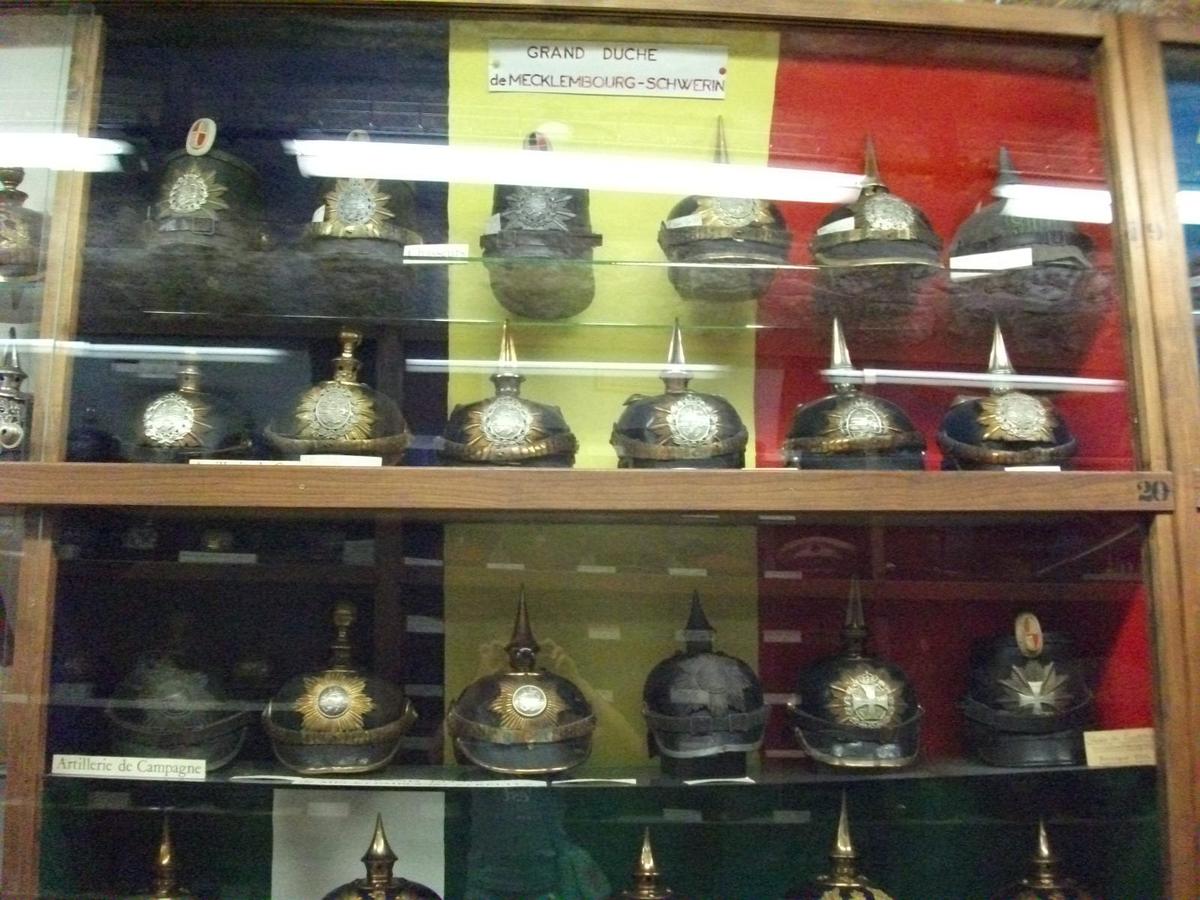
The Imperial German Army helmets. This is the highlight of the museum: a collection of about 550 helmets and headdresses, put together by the collector Charles Friese. It includes spiked helmets (Pickelhauben) from the various German kingdoms, among them a Württemberg general's helmet and helmets from Mecklenburg-Schwerin. The immersive display "Sacré casque, foutue guerre !" tells their story within the permanent exhibition.

Life in the trenches. Uniforms, weapons, equipment, mannequins and soldiers' everyday objects show how men lived, ate and slept at the front. Trench art, the objects soldiers made from shell cases and shrapnel, is one of the most telling sections.
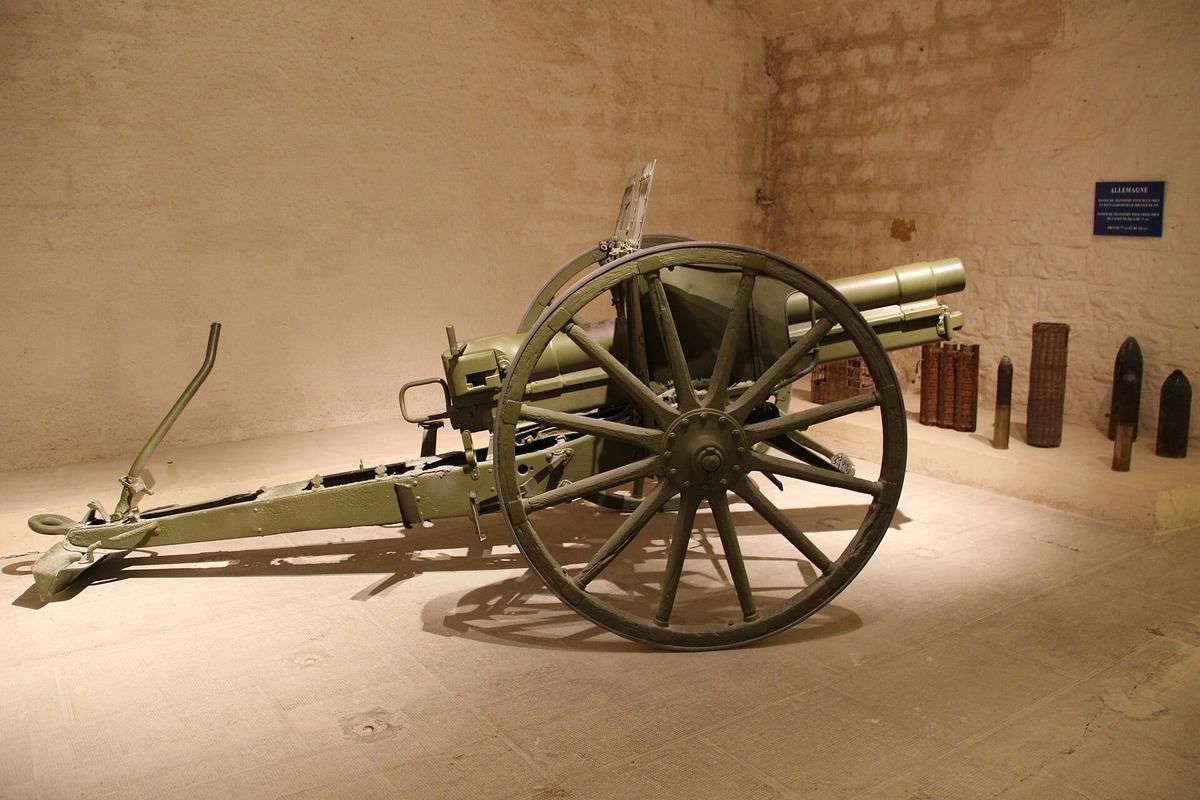
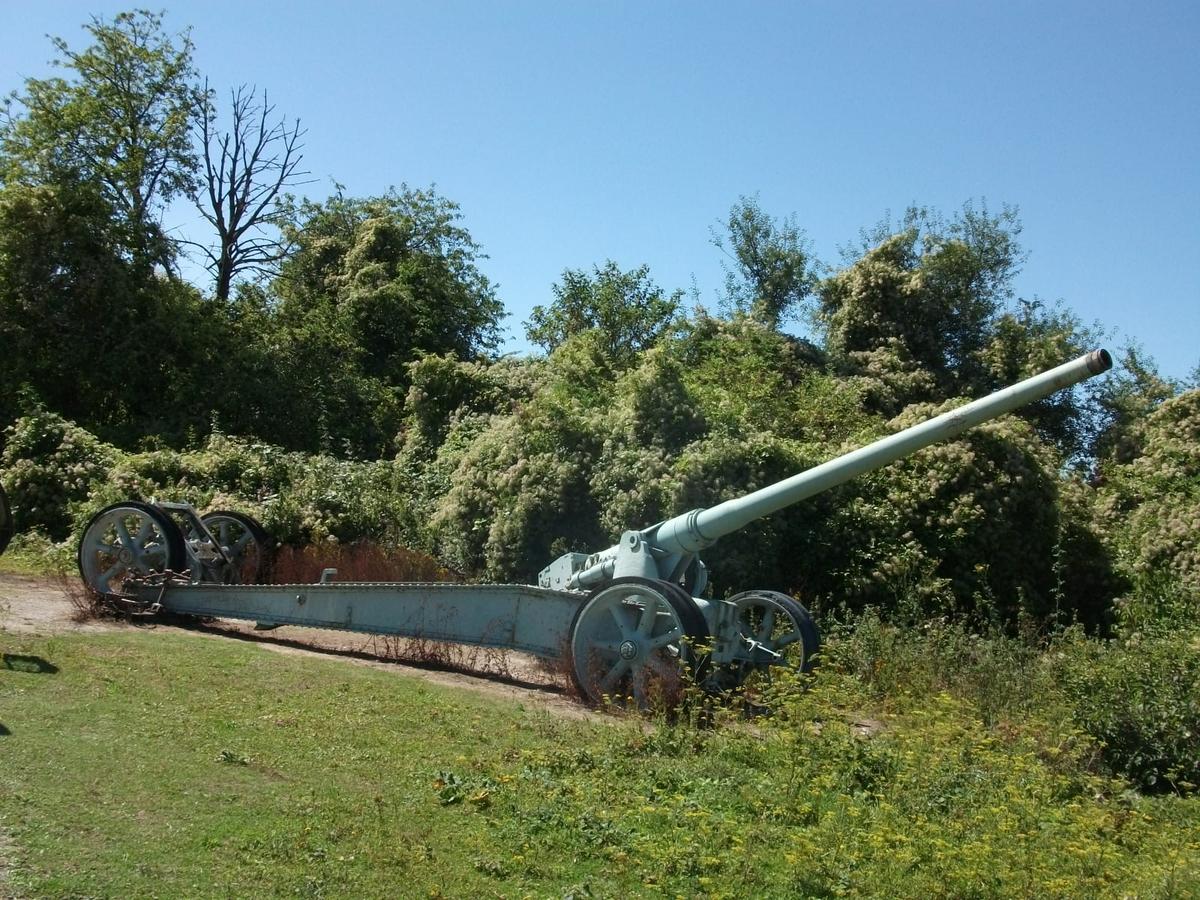
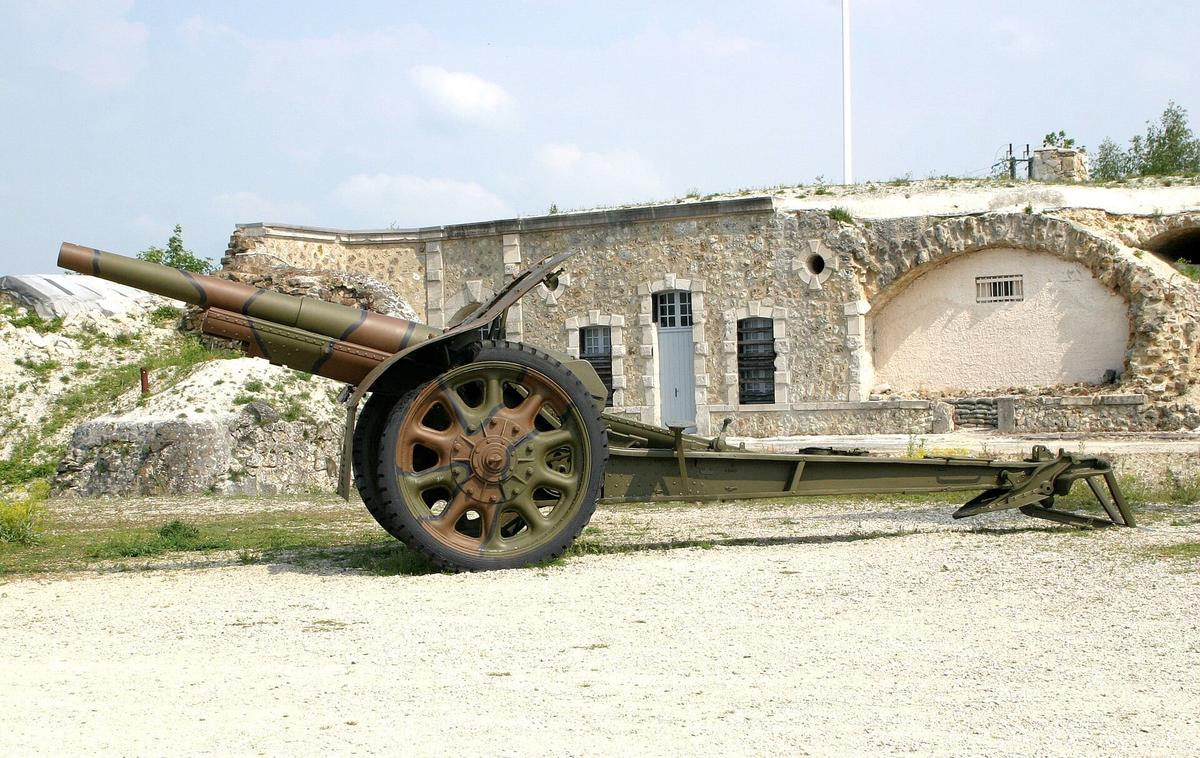
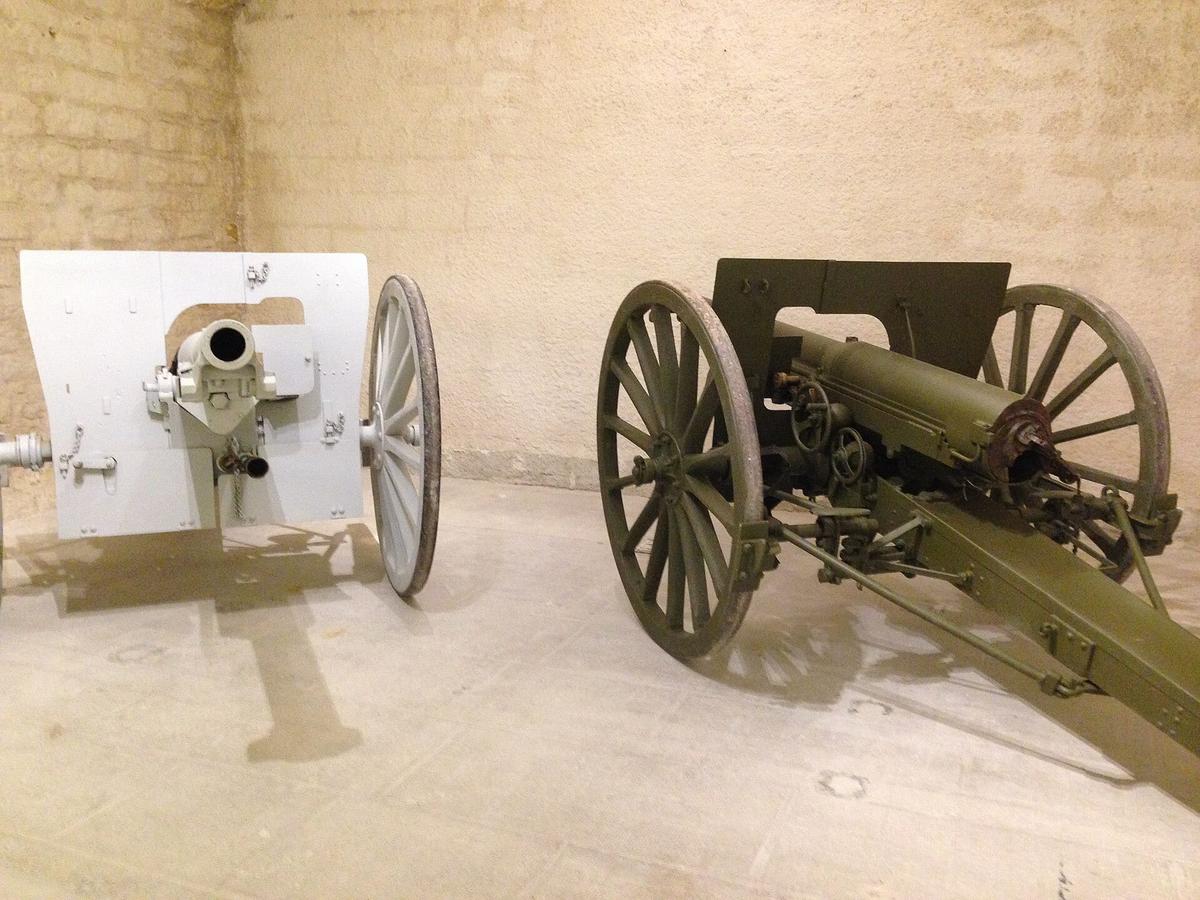
The artillery. French 75 mm field guns are on display, and a whole room is devoted to trench mortars, known to French soldiers as "crapouillots".
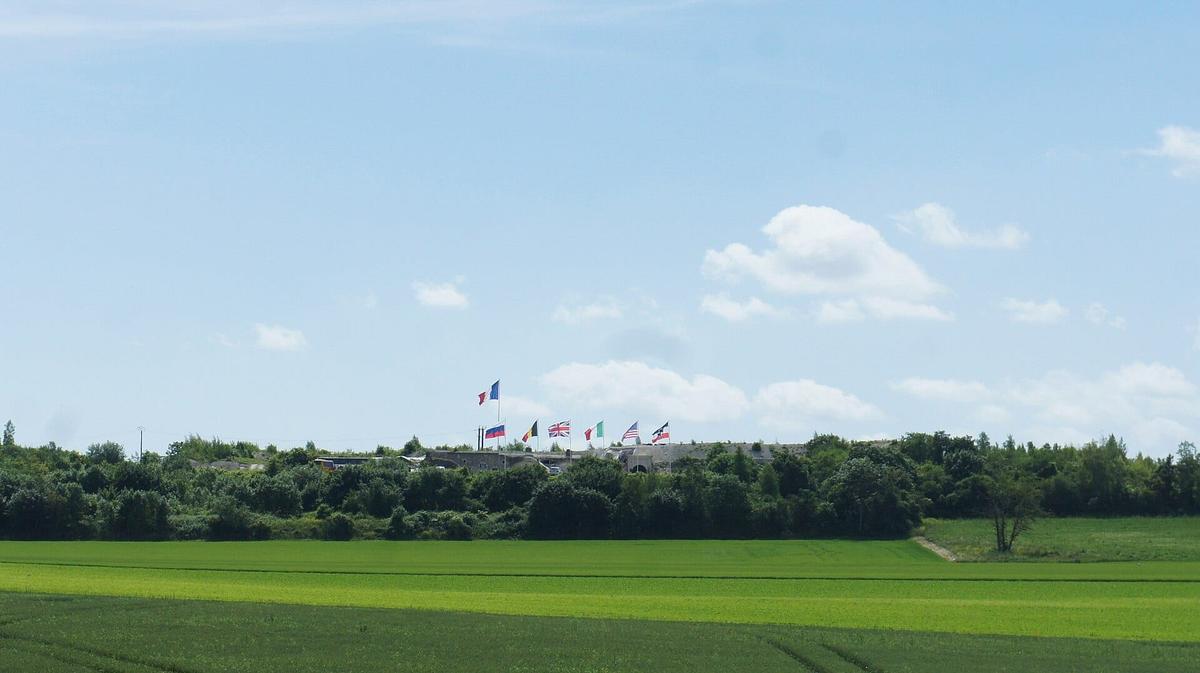
The Russian Expeditionary Force. Part of the museum recalls the fate of the 17,000 Russian soldiers sent to France. A Russian memorial was unveiled near the fort on 4 September 2010.
The airman René Dorme. The museum holds mementoes of this French flying ace of the Great War, who died in 1917.
The fort itself. The walls still bear the marks of shells. Go outside to see the ground torn up by four years of bombardment: this is what sets it apart from a city museum.
A film location. In 1931, Raymond Bernard shot several scenes of Les Croix de bois (Wooden Crosses) at the fort, one of the great French films about the First World War.
Visiting with children
The fort appeals to children from the age when they start learning about the Great War at school, and it is free for under-18s.

- Free treasure hunt: "Alerte verte à la Pompelle !" is played as a family, Tuesday to Sunday, during opening hours.
- Baludik app: a second free treasure hunt, on your phone, takes you around the outside of the fort.
- "Dans la peau d'un poilu" tour: offered on certain dates, for ages 9 and up.
- Pushchairs: they are allowed, but the Reims museums recommend a baby carrier.
The rooms deal with war and death, with real objects: prepare younger children before the visit.
Accessibility
The official website states partial access for visitors with reduced mobility: the fort is an old military building, with narrow passages and changes in level. The museum offers tablets for the visit and a Braille display on the timeline. Only guide and assistance dogs are allowed in the rooms.

How to get to Fort de la Pompelle
By car. This is the easiest way. From Reims, take the RD 944 towards Châlons-en-Champagne, then the "Fort de la Pompelle" exit. The fort has its own car park. Allow about twenty minutes from the city centre.
Without a car. The Reims museums do not list any public transport to the fort, which is outside the city. The most practical option is a taxi or ride-hailing car from Reims station. Reims is about 45 minutes from Paris by TGV.
Renting a car. If you are spending several days in Champagne, a car lets you combine La Pompelle, the Montagne de Reims and the champagne houses of Épernay.
What to combine on the same day
| Also worth seeing | Distance | Travel time |
|---|---|---|
| Verzenay Lighthouse | 12 km | 15 min by car |
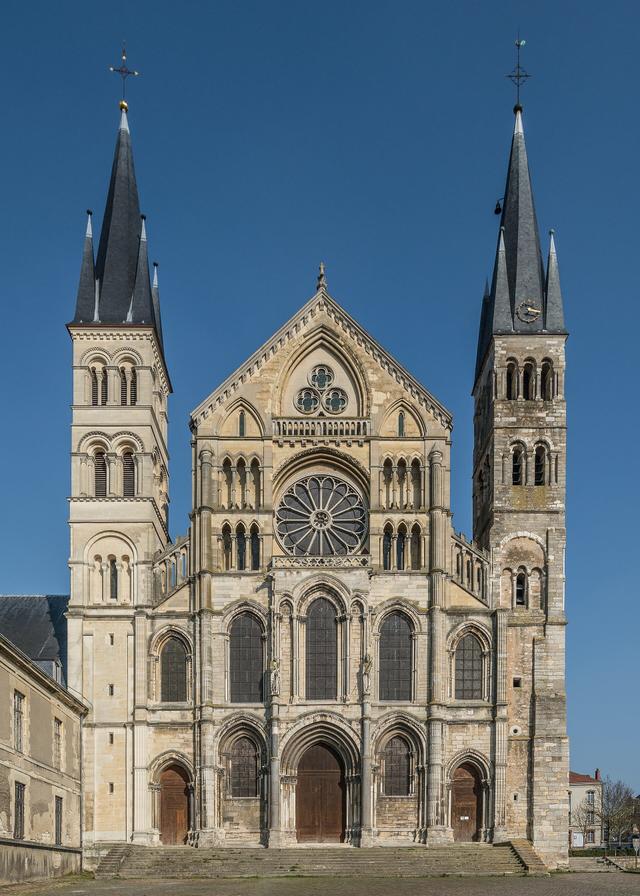
| Basilica of Saint-Remi, Reims | 8 km | 15 min by car |
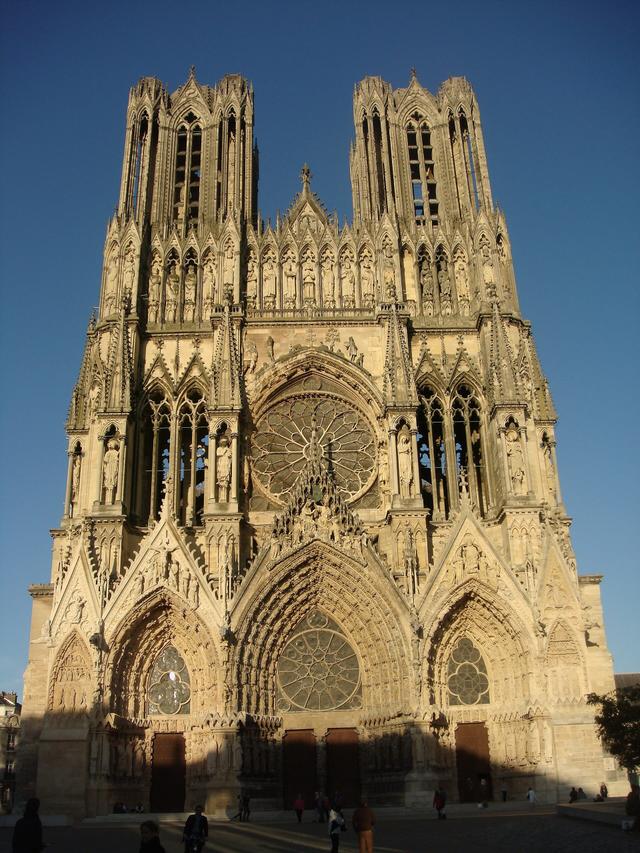
| Reims Cathedral | 10 km | 20 min by car |
Approximate road distances and travel times.

The Verzenay lighthouse, a vineyard museum in the heart of the Montagne de Reims, is a quarter of an hour's drive away: you go from trenches to vineyards in the same morning. See also: Verzenay Lighthouse Heading back into Reims, the Basilica of Saint-Remi is the first major visit on the way, before the cathedral and the Palace of Tau. See also: Basilica of Saint-Remi, Reims, Reims Cathedral, Palace of Tau
To follow the thread of military history, the Museum of the Surrender shows the room where Germany surrendered on 7 May 1945; it is one of the five municipal museums of Reims. See also: Museum of the Surrender (Musée de la Reddition, Reims) To end the day, the Veuve Clicquot and Pommery cellars, dug into the chalk pits of Reims, can be visited by booking. See also: Veuve Clicquot (Reims), Pommery champagne cellars (Reims), Champagne
Where to eat and stay
The official website does not mention a restaurant at the fort. Plan to have lunch in Reims, twenty minutes away, or in the villages of the Montagne de Reims if you carry on to Verzenay.
To stay, Reims is the obvious base: hotels near the station and the cathedral, B&Bs in the surrounding wine villages. With a car, staying on the Montagne de Reims side puts you closer to the fort and the vineyards.
FAQ
How much is entry to Fort de la Pompelle?
€5.50 full price and €3.30 for ages 18 to 25 and over-65s. Entry is free for under-18s and students under 25.
When is entry free for everyone?
On the first Sunday of every month, during the European Heritage Days and the European Night of Museums, and every 11 November.
Is Fort de la Pompelle open on Mondays?
No. It is open Tuesday to Sunday, from 10:00 – 18:00, and closed on 1 January, 1 May, 1 November and 25 December.
How long does the visit take?
About 1 to 1.5 hours for the museum, a little longer if you walk around the outside.
Can you get there by public transport?
The official website only gives access by the RD 944. Without a car, take a taxi or a ride-hailing car from Reims.
Was the fort captured during the war?
The Germans occupied it without a fight on 4 September 1914. The French retook it on 24 September and held it until the end of the war.
Practical information
Opening hours 2026
| 1 January 2026 to 31 December 2026 | 10:00 – 18:00 (Closed: Monday) |
|---|
Closed: 1 January, 1 May, 1 November, and 25 December
Official ticket-office prices 2026
| Full price | €5.50 |
|---|---|
| Reduced rate | €3.30 |
| Free | under 18s, students under 25, disabled visitors and one companion, jobseekers, recipients of French welfare benefits, journalists, and veterans |
Address
Fort de la Pompelle, RD 944, route de Châlons-en-Champagne, 51500 Puisieulx, France
Directions · Phone+33 3 26 49 11 85
On site and nearby
- Nearest shops and pharmacy: Sillery, 2 km away Straight-line distance, based on OpenStreetMap.
- Emergencies: 112 (all emergencies, free from any phone), 15 (SAMU, medical emergency)
Around the site, on Google Maps
With children
Family days out nearby: Verzenay Lighthouse (7 km), Champagne Mercier cellars (Épernay) (23 km), Château Perrier Champagne museum (Épernay) (23 km)
Swimming pools and play areas nearby, on Google Maps
Facts checked on 11 November 2026. Sources: musees-reims.fr, musees-reims.fr, fr.wikipedia.org, en.wikipedia.org, lesepl.fr
Map
In the same region
- Taittinger Champagne cellars (Reims)from €40