Villefranche-sur-Mer Citadel: planning your visit
Villefranche-sur-Mer Citadel at a glance
- 14 November 2026 to 31 December 2026
- 10:00 – 19:00
- Admission
- Free
- Time needed
- about 30 min
- Where
- Villefranche-sur-Mer
Facts checked on 12 November 2026. Full opening hours, reduced prices and access
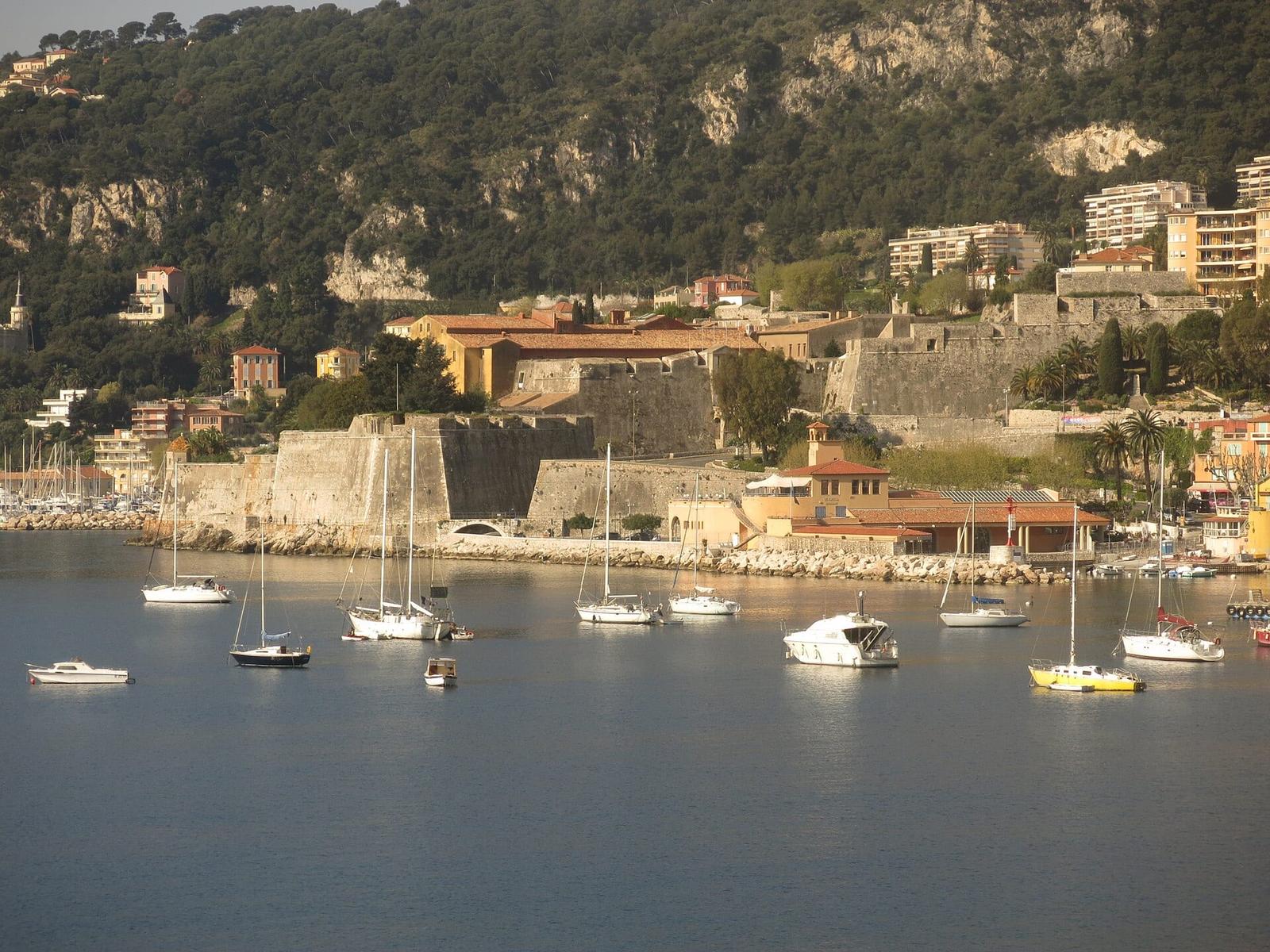

Between the old town and the Darse harbour, the Citadelle Saint-Elme has guarded the bay of Villefranche since the 16th century. Entry is free: ramparts, moats, gardens, the town hall and big summer exhibitions. The permanent museum, however, is closed for renovation. Here are the opening hours, what is open now, how long to allow and how to get there from Nice.
Villefranche Citadel at a glance
- Where: in Villefranche-sur-Mer, between Nice and Saint-Jean-Cap-Ferrat, on the edge of the bay, a short walk from the old town.
- Price: free entry, for the gardens and the exhibitions alike.
- Opening hours: gardens 10:00 – 19:00, exhibition rooms 10:00 – 17:00, all year except public holidays.
- Exceptional closure: from 2 November 2026 to 13 November 2026, while the summer exhibition is taken down.
- Museum: the permanent galleries have been closed since 2022 for renovation; a first phase of the new display is announced for 2028.
- Time needed: the tourist office suggests 30 min on average, longer during an exhibition.

Why visit the Villefranche Citadel
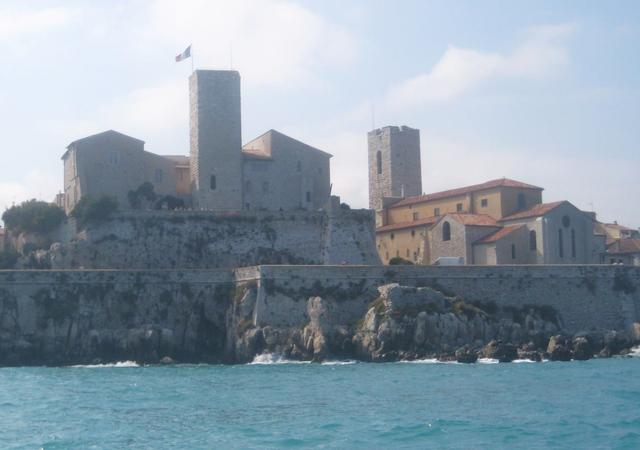
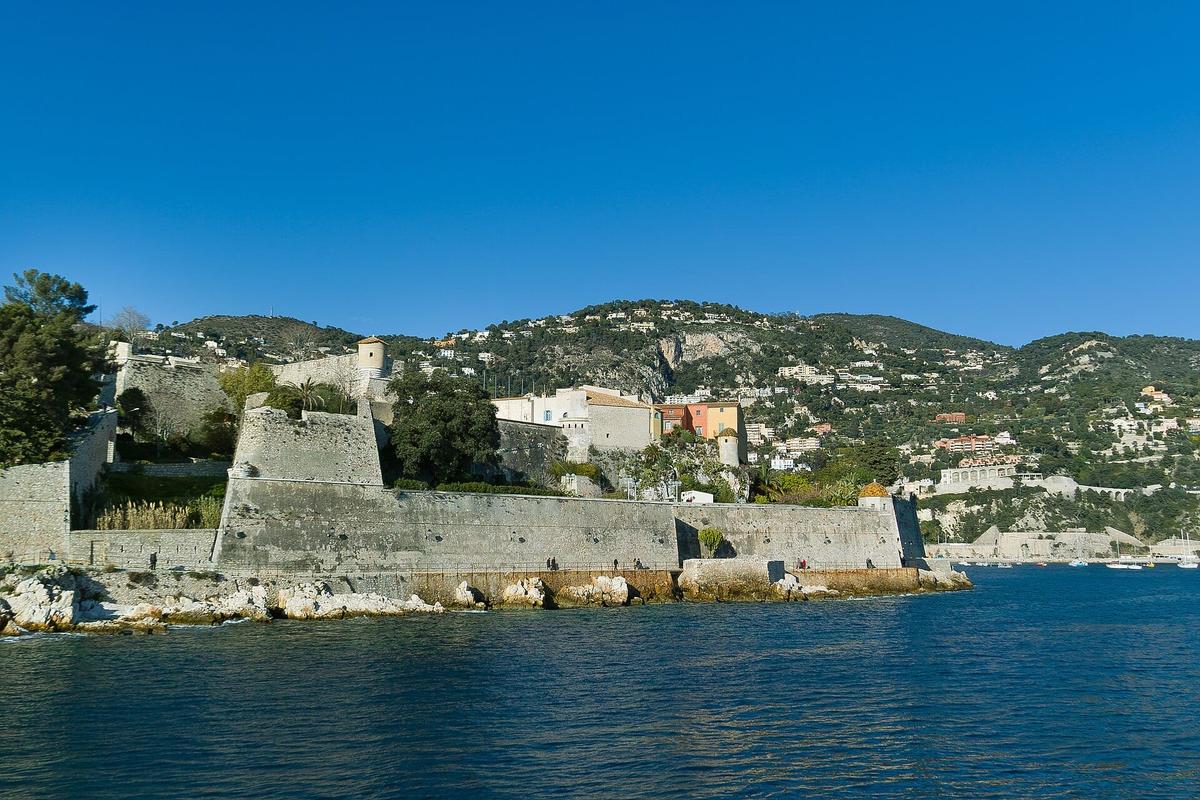
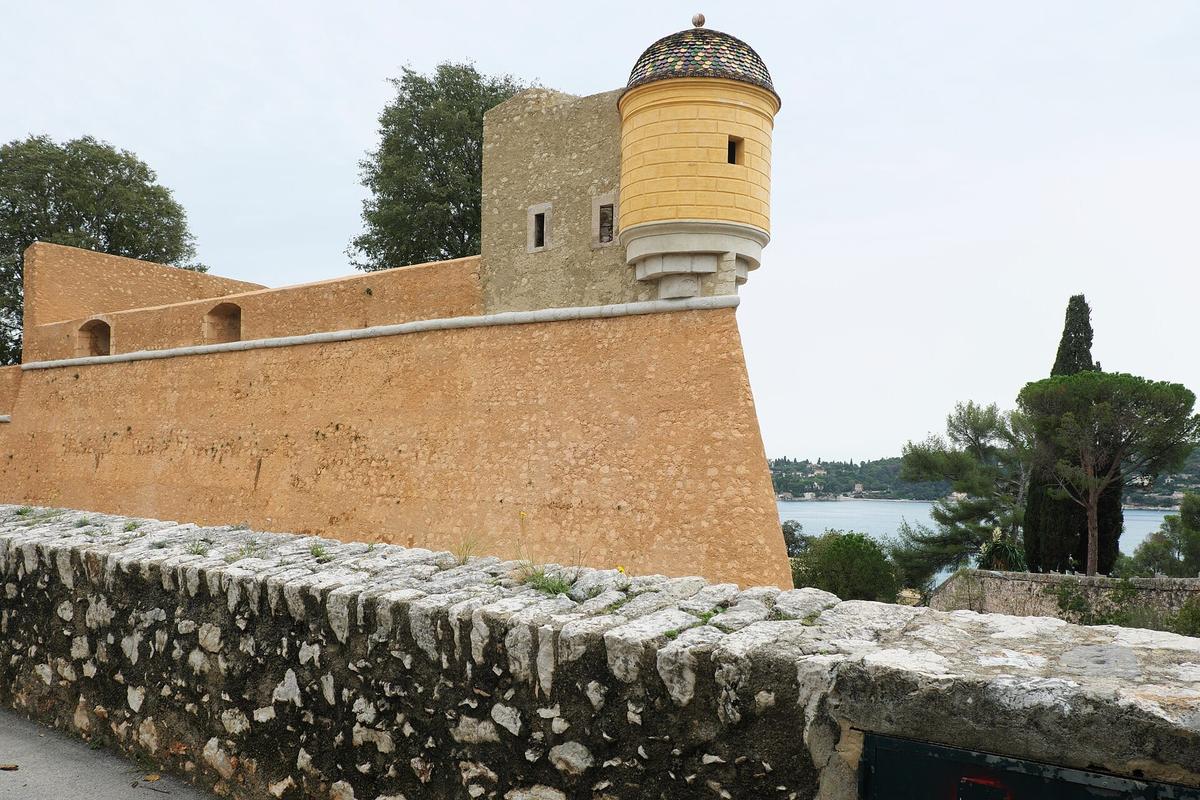
The citadel is the largest monument in Villefranche-sur-Mer and one of the best-preserved 16th-century military complexes on the French Riviera. Its stone walls close off the west side of the bay, above the little Darse harbour. Seen from the sea or from the Basse Corniche, it shapes the skyline of the town.
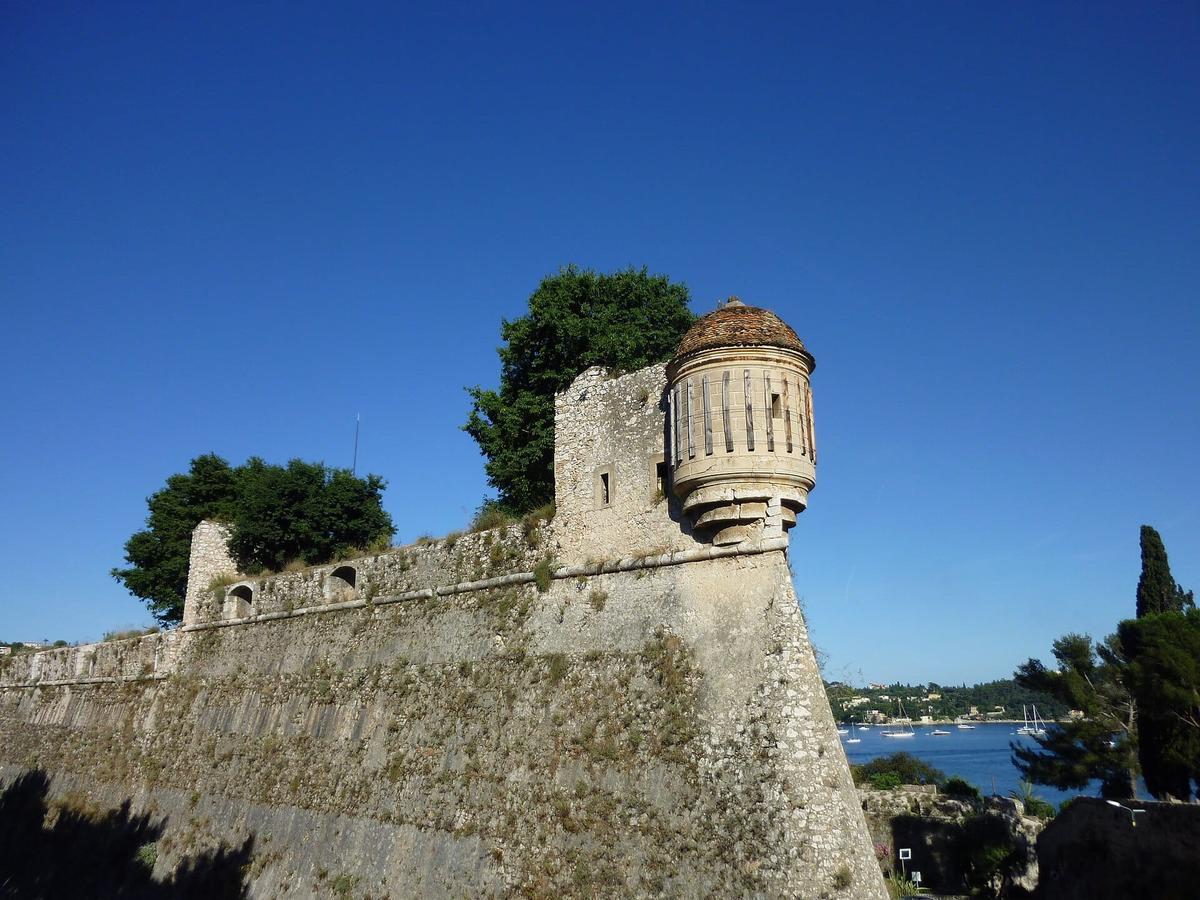

The visit has three main draws. First, the monument itself: a large trapezoid surrounded by a wide moat, with bastions at the corners and a bridge leading to the gate. Second, the view over the bay, where yachts and cruise ships drop anchor. Third, the contemporary art programme: every summer, the citadel hosts a major exhibition in its rooms and gardens.
The place is also very much alive. Villefranche town hall has been based here since 1981, along with an auditorium, exhibition rooms and an open-air theatre. You are walking through a historic monument that is still in daily use, which makes for a freer and quieter visit than many forts on the coast.
A little history
The scare of 1543. In 1543, Nice, then held by the House of Savoy, was besieged by the fleet of Barbarossa, an ally of Francis I of France. The coast was left in ruins. Duke Emmanuel Philibert of Savoy then decided to protect his only outlet to the sea with a "modern" defence system designed for artillery. The Villefranche citadel was its centrepiece, with Fort du Mont-Alban above and Fort Saint-Hospice on Cap Ferrat.
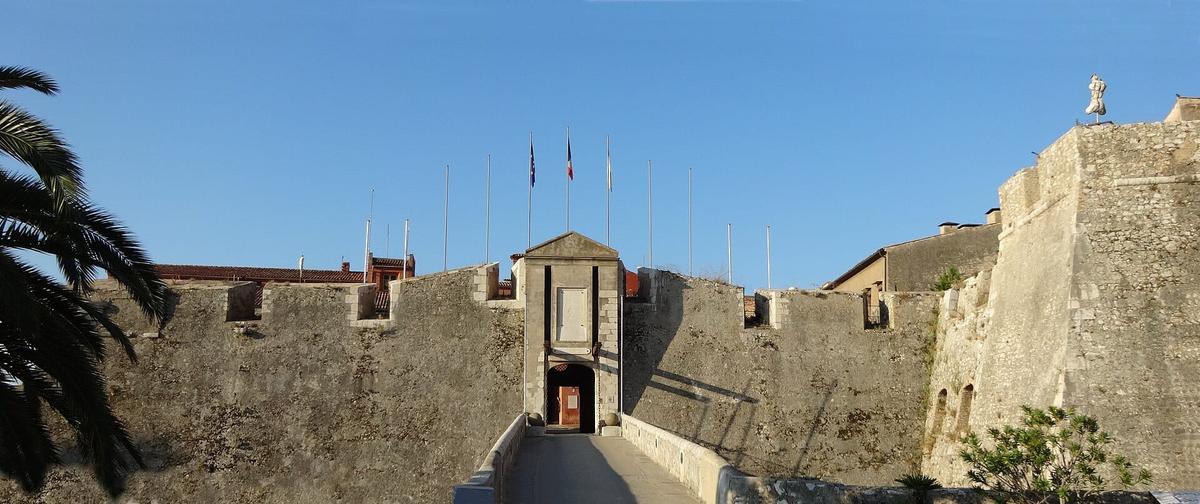

Built in two stages. The plans were drawn by the Milanese engineer Gian Maria Olgiati and the work was led by Benedetto Ala. The seaward side was finished first: the keystone of the landing-stage arch bears the date 1554. The rest followed, and the whole was completed around 1560.
Anecdote: the date carved on the gate. The entrance gate is marked 1557. Many visitors take it for the date of construction. The French heritage inventory, however, sees it as a later inscription: it marks the start of work on the main part, not the completion of the fort, which was already well advanced on the seaward side.
The French in Villefranche. In 1691, Louis XIV's armies took Nice. The engineer François Niquet, in charge of the fortifications of Provence, then had the citadel's weak points corrected; the work went on until 1699.
From barracks to town hall. After the County of Nice became part of France in 1860, the citadel was used as barracks and then gradually abandoned. The town bought it from the French state in 1965, and it was listed as a historic monument in 1968. Restoration began in 1979 and the new town hall was inaugurated in 1981.
Anecdote: a ten-year project. At the end of 2019, the town launched a new restoration programme planned to last about ten years. That is why some parts are under scaffolding and the permanent museum is closed.
How much does it cost to visit the citadel?
Nothing. Entry is free for the courtyards, the gardens and the exhibition rooms. No ticket is needed for a self-guided visit, and there is no skip-the-line ticket: the site has nothing like the queues at the villas of Saint-Jean-Cap-Ferrat or Beaulieu.
The only possible spending is at the shop, which is outside the citadel, at the Galerie des Musées on Quai Courbet, opposite the Saint-Pierre chapel decorated by Jean Cocteau. Shows and concerts in the auditorium or the open-air theatre have their own ticketing.
Is the citadel museum open?
No, not the permanent galleries. The rooms of the Musée de la Citadelle have been closed since January 2022 for a full renovation and a new display of the collections. The official website announces a first opening phase in 2028.
The museum, which holds the Musée de France label, brings together three collections:
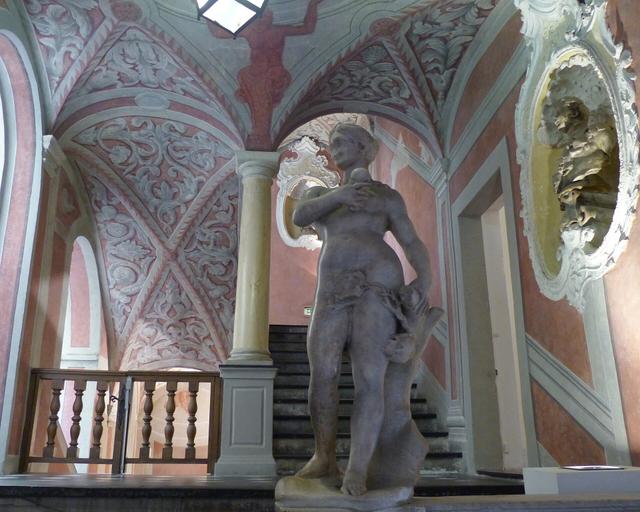
- The Volti museum foundation: more than 180 works by the sculptor Antoniucci Volti (bronzes, hammered copper, plaster, terracotta, drawings), known for his full-figured female nudes.
- The Goetz-Boumeester collection: about 60 works by the painter couple Henri Goetz and Christine Boumeester, with part of their personal collection, including Picasso, Miró, Hartung and Picabia.
- The town's collections: objects linked to the history of Villefranche and the citadel, military heritage, works by Jean Cocteau and late 19th-century Russian paintings.
During the work, only the temporary exhibitions are on view. So do not come to see Volti's sculptures: you will not find them at the moment.
Opening hours 2026 and the best time to visit
Opening hours published by the citadel:
- Gardens: 10:00 – 19:00, all year except public holidays.
- Exhibitions: 10:00 – 17:00, all year except public holidays.
The tourist office lists exceptional closures on 1 January, 1 May and 25 December. In 2026, the site is also closed to the public from 2 November 2026 to 13 November 2026, while the summer exhibition is taken down.
The summer exhibition. This is the highlight of the year. In 2026, "L'Absurde et le Rêve" (The Absurd and the Dream), with works by Arne Quinze and Joana Vasconcelos shown in the spirit of Jean Cocteau, ran from 20 June 2026 to 31 October 2026. The next big exhibition should follow the same pattern; the programme is published on the official website in spring.
Our tip. Outside exhibition periods, the rooms may be empty or being set up: come for the ramparts, the gardens and the view, and check on the website or by phone whether a room is open. In summer, come in the morning, at opening time: the gardens are cooler and the old town less crowded. On cruise ship days, the quay and the lanes fill up quickly; the citadel is usually quieter than the harbour.
How long does it take to visit the citadel?
Allow 30 min to walk round the courtyards, the gardens and the path along the moats. That is the average time given by the tourist office. During a major exhibition, allow an hour to an hour and a half.
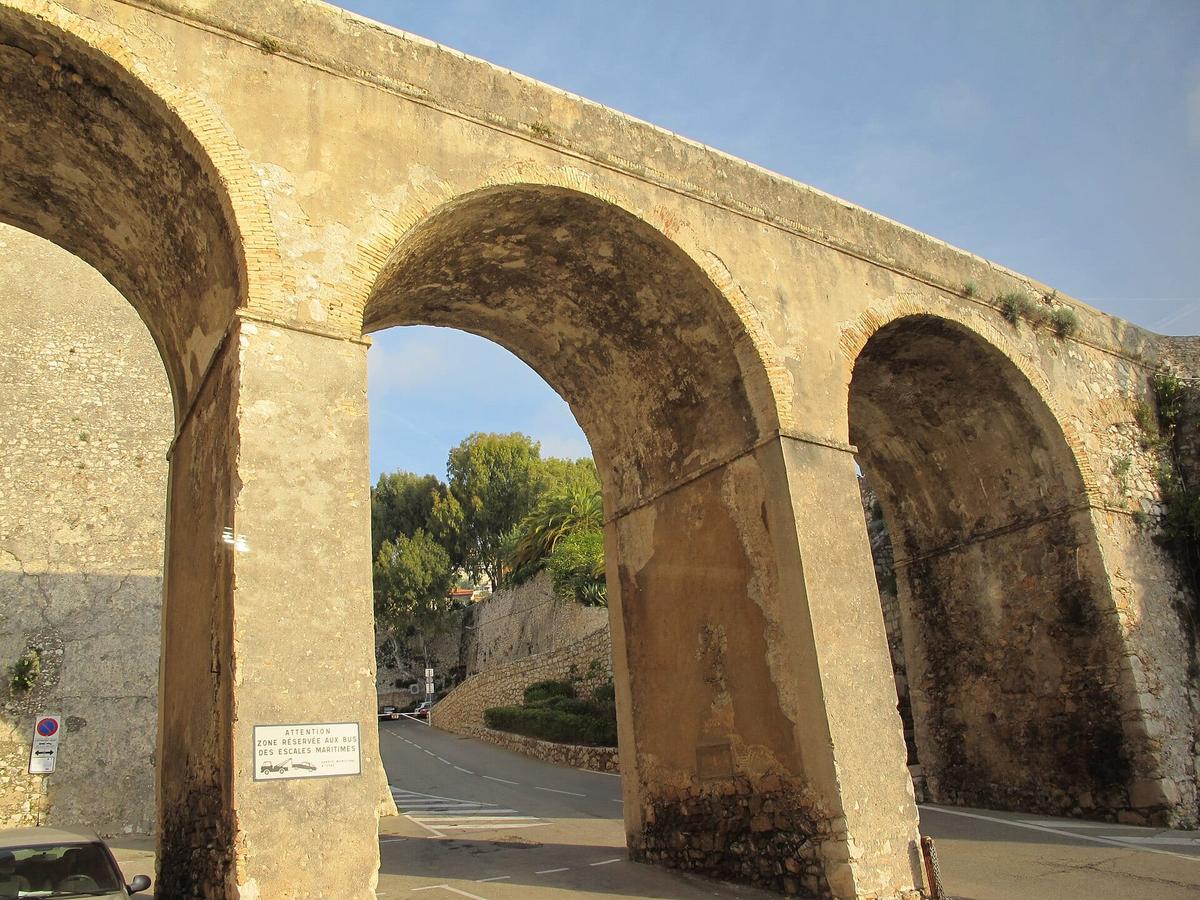

The citadel is easy to combine with the rest of the town. For a full half-day, add the old town, the Rue Obscure and the Saint-Pierre chapel by the harbour.
What to see in the Citadelle Saint-Elme
The moat and the entrance bridge. Take time to walk round the outside. The very wide moat and the corner bastions show clearly how a harbour was fortified against cannon in the 16th century.
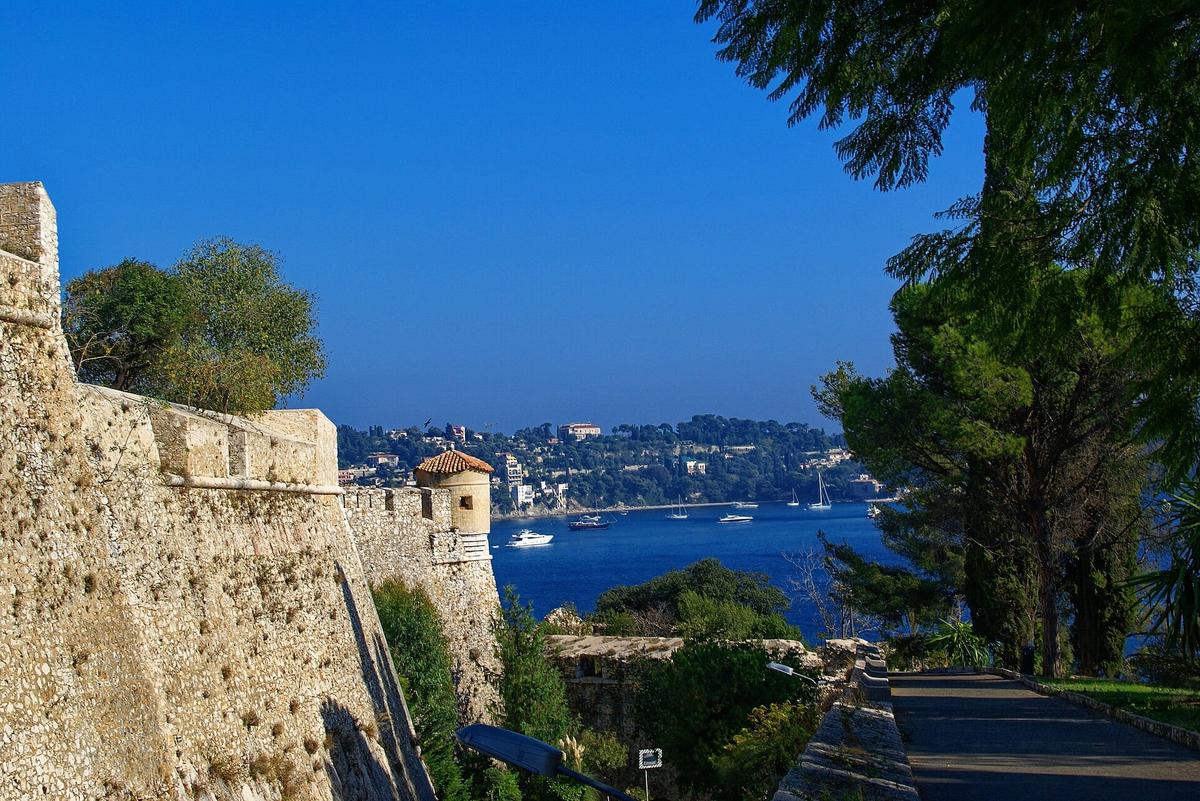

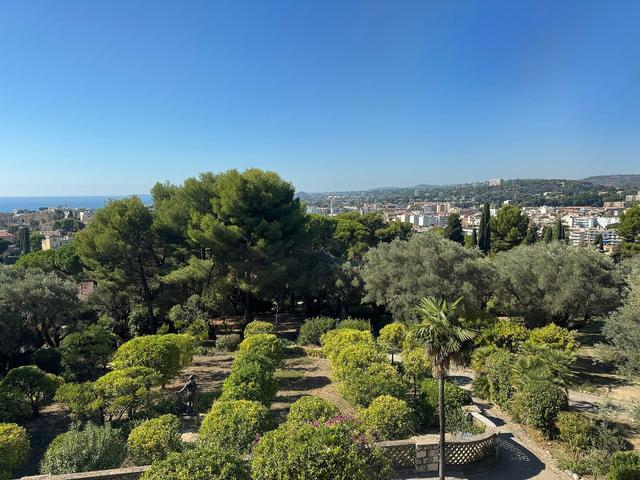
The gardens. They fill the spaces between the buildings and the ramparts. They stay open the latest (10:00 – 19:00), and in summer they host some of the sculptures on show.
The view over the bay. From the seaward terraces you take in the bay, Cap Ferrat opposite and the old town below. It is the best photo of Villefranche you can get without taking a boat.
The open-air theatre and the auditorium. They host concerts, shows and screenings. Check the town's events calendar if you are staying a few days.
The town hall courtyard. Council offices occupy part of the buildings. You can walk around freely, but keep a low profile in the administrative areas.
Visiting the citadel with children
The visit is short and free, which makes it easy with children. The ramparts, the bastions and the bridge over the moat fire the imagination; tell them the story of Barbarossa's fleet before you go in. Keep an eye on little ones near the parapets and walls above the moats. No workshops or children's trails are announced while the museum is closed for work.

Accessibility
The tourist office states that the Musée de la Citadelle is not wheelchair accessible. With its ramps, cobbles and changes of level, the site can be difficult for visitors with reduced mobility: call before you come. Public toilets are signposted on site.
How to get to the Villefranche Citadel
By train. Villefranche-sur-Mer station is served by TER regional trains between Nice and Ventimiglia. From the station, walk down to the harbour and along the old town: the citadel is at the far end, on the west side of the bay. This is the simplest option from Nice, Monaco or Menton.
By bus. From Nice, line 15 (from Lycée Masséna, towards Saint-Jean-Cap-Ferrat) and line 600 (from Nice port, towards Monaco) stop at Octroi. From there, it is a short walk down to the old town. Timetables are on the Lignes d'Azur website.
By car. Villefranche is a few minutes from Nice by the Basse Corniche or the Moyenne Corniche. From the A8 motorway, take the Nice-Est exit (exit 55). Parking is paid and scarce in season; the tourist office mentions car parks near the citadel, but in summer the train is easier.
Renting a car. A car is only useful if you are combining hilltop villages (Èze, Saint-Paul-de-Vence) or the hinterland on the same day.
Guided tours
The tourist office says guided tours of the citadel can be arranged on request, for individuals and groups alike. Ask at the Villefranche tourist information office. Several operators also run guided walks through the old town and harbour that pass the citadel, or boat trips in the bay.
Partner links: if you book through these links, we earn a commission at no extra cost to you. Partner links · Learn more
What to visit nearby on the same day
| Also worth seeing | Distance | Travel time |
|---|---|---|
| Villa Kérylos | 4 km | 10 min by public transport |
| Villa Ephrussi de Rothschild | 5 km | 12 min by car |
| Castle Hill (Nice) | 6 km | 15 min by car |
Approximate road distances and travel times.
The Villa Kérylos in Beaulieu-sur-Mer recreates an ancient Greek house by the water; it is one train stop away. See also: Villa Kérylos On Cap Ferrat, the Villa Ephrussi de Rothschild and its nine gardens need half a day. See also: Villa Ephrussi de Rothschild Towards Nice, Castle Hill gives you the reverse view, over the Baie des Anges. See also: Castle Hill (Nice)
If forts interest you, the Saint-Tropez citadel and Fort Carré in Antibes show other ways of defending the coast. See also: Saint-Tropez Citadel, Fort Carré, Antibes, Èze Exotic Garden, Matisse Museum Nice, French Riviera
Where to eat and stay
The citadel has no café or restaurant. Restaurants are two minutes away, on Quai de l'Amiral Courbet and in the old town, with terraces on the harbour; prices are those of a Riviera tourist harbour. For a picnic, the Plage des Marinières, along the bay, is more convenient.
To stay, Villefranche has hotels and rentals in the old town and on the hillside, often with a view of the bay. Prices rise sharply in summer. Nice, less than a quarter of an hour away by train, has far more choice and makes a good base for exploring the whole Riviera.
Places to stay near Villefranche-sur-Mer
FAQ
Is the Villefranche-sur-Mer citadel free?
Yes. The gardens and exhibitions are open to all, with no ticket.
Is the Volti museum open?
No. The permanent galleries of the Musée de la Citadelle, including the Volti foundation and the Goetz-Boumeester collection, have been closed since 2022. A first reopening is announced for 2028.
What are the citadel's opening hours?
Gardens 10:00 – 19:00, exhibitions 10:00 – 17:00, all year except public holidays. The site is closed from 2 November 2026 to 13 November 2026.
How long should I allow?
About 30 min, an hour or more during the summer exhibition.
When was the citadel built?
Mostly between the mid-16th century and 1560, on the orders of Duke Emmanuel Philibert of Savoy, then strengthened by the French at the end of the 17th century.
How do I get there from Nice without a car?
By TER train to Villefranche-sur-Mer station, or by bus 15 or 600 to the Octroi stop.
Practical information
Opening hours 2026
| 1 January 2026 to 1 November 2026 | 10:00 – 19:00 |
|---|---|
| 14 November 2026 to 31 December 2026 | 10:00 – 19:00 |
Closed: 1 January, 1 May, and 25 December
Official ticket-office prices 2026
Free admission
Address
Citadelle Saint-Elme, place Emmanuel Philibert, 06230 Villefranche-sur-Mer, France
Directions · Phone+33 4 93 76 33 27
On site and nearby
- On site: Toilets
- Nearest shops and pharmacy: Villefranche-sur-Mer, less than 1 km away Straight-line distance, based on OpenStreetMap.
- Emergencies: 112 (all emergencies, free from any phone), 15 (SAMU, medical emergency)
Around the site, on Google Maps
With children
Family days out nearby: Castle Hill (Nice) (2 km), Villa Ephrussi de Rothschild (2 km), Chagall Museum Nice (3 km)
Swimming pools and play areas nearby, on Google Maps
Swimming poolsPlaygroundsLeisure parks
Family activities around Villefranche-sur-Mer on GetYourGuide
Facts checked on 12 November 2026. Sources: lacitadellevsm.fr, cotedazurfrance.fr, pss-archi.eu, explorenicecotedazur.com
Map
In the same region

- National Sports Museumfrom €8Free under 18