Peillon: visiting the hilltop village behind Nice
Peillon at a glance
- Admission
- Free
- Time needed
- about 1 h 30 min
- Where
- Peillon
Facts checked on 12 November 2026. Full opening hours, reduced prices and access
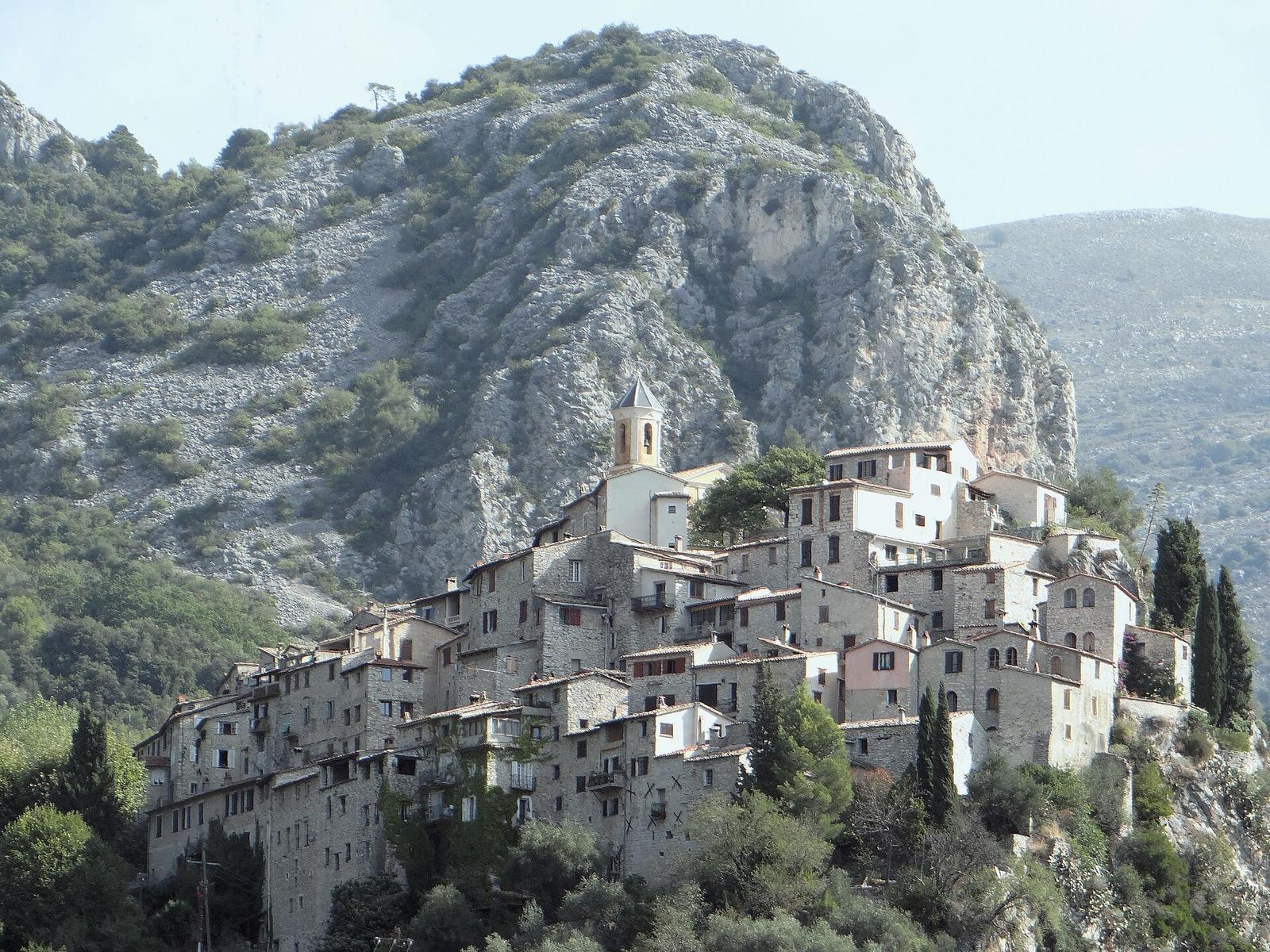

About twenty kilometres from Nice, Peillon sits entirely on a rocky spur above the Paillon valley. There are no souvenir shops and no cars in its lanes: just a stone village that has stayed almost untouched, and a small chapel painted at the end of the 15th century by Giovanni Canavesio. Here is how to get there, what to see and how to avoid finding the chapel closed.
Peillon at a glance
- Where: in the hills behind Nice, in the Alpes-Maritimes, about 20 kilometres from the city, above the Paillon valley.
- Price: the village is free and open to all, all year round.
- What to see: the lanes and vaulted passages, the Church of the Transfiguration, and above all the Chapel of the White Penitents and its frescoes of the Passion.
- The catch: the chapel has no published opening hours. Call the town hall before you come if you really want to see the frescoes.
- Time needed: 90 minutes for the village and the chapel, half a day with a hike.
- Best for: lovers of unspoilt hilltop villages, medieval painting and hiking.
Why visit Peillon
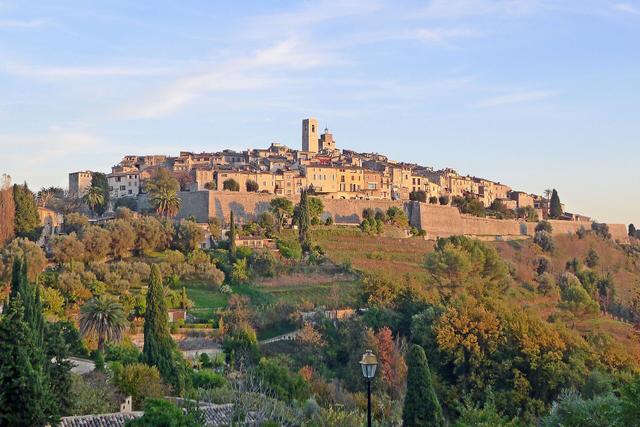
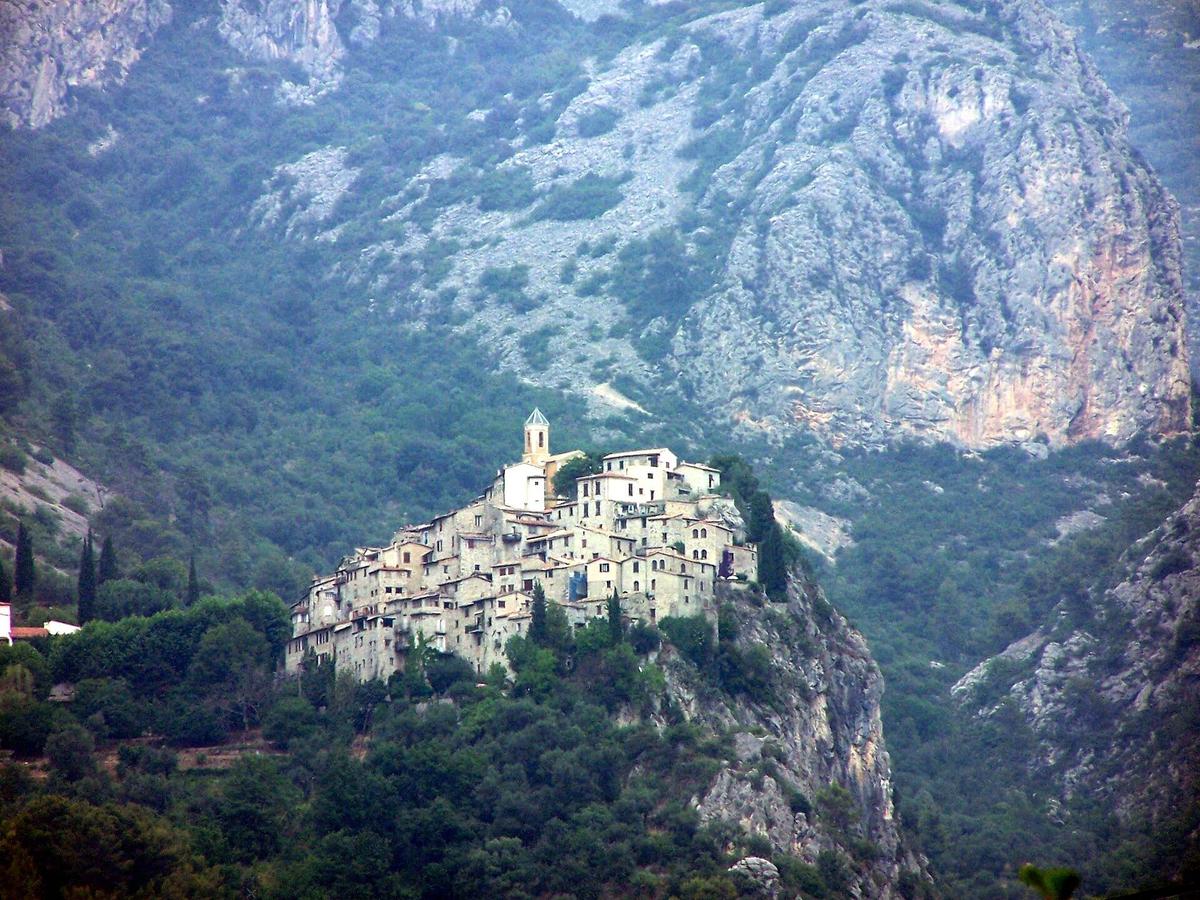
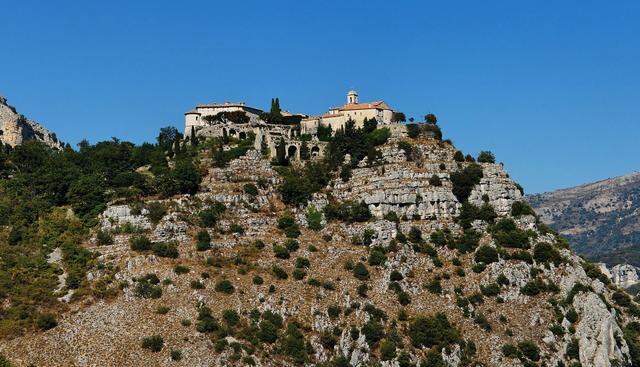
Peillon is one of the most spectacular perched villages on the French Riviera, and one of the least commercial. Its stone houses are packed in a ring at the top of a rock, 376 metres above sea level. Seen from the road, the village seems to grow straight out of the cliff. The regional tourist board calls it the "eagle's nest" of the Côte d'Azur.
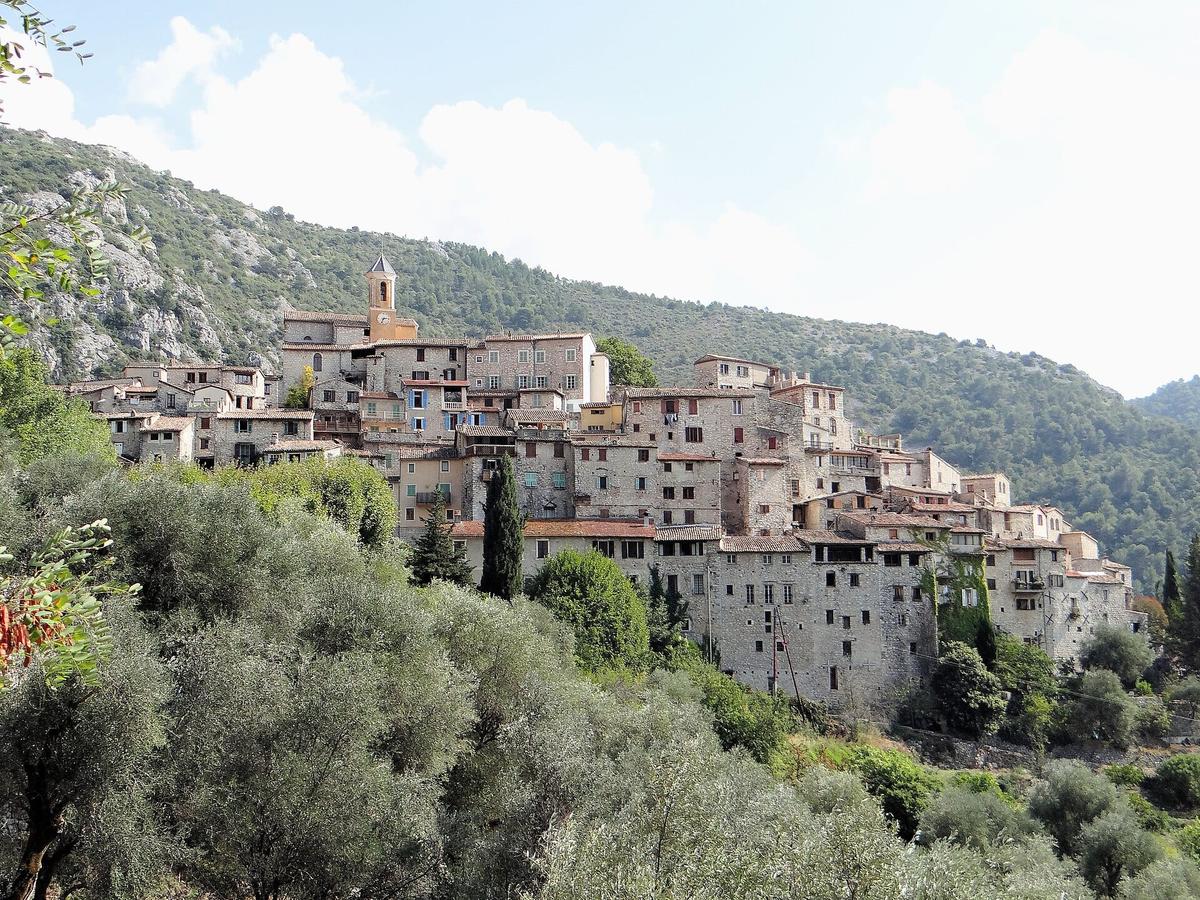

Inside, you get around on foot, along sloping lanes, wide stairways and vaulted passages that run under the houses. The village is a protected site, listed since 1969. The house fronts have not been made over for tourism, and you meet more residents than visitors.
The municipality has 1445 inhabitants (2021, INSEE via Wikipedia), but most of them live lower down, in the hamlets of the valley. Since 1948, the town hall has been in the hamlet of Sainte-Thècle, by the Paillon river, rather than in the old village.
A short history. Peillon first appears in writing in 1150, when one Guaucerannus de Pellom made a gift recorded in the cartulary of Nice. The village split from its neighbour Peille in 1235 and came under the House of Savoy in 1388, along with the rest of the County of Nice. Occupied by French revolutionary troops in 1792, it went back to the Kingdom of Sardinia in 1814 and only became French for good in 1860.
Is Peillon free to visit?
Yes. The village is open to all, every day of the year, with no ticket. The church and the chapel belong to the municipality and the parish: there is no published admission price to see them.
There is no paid tour to book online either. Neither Peillon nor its chapel is sold on ticketing platforms.
Can you visit the Chapel of the White Penitents?
This is the question to sort out before you leave. The Chapel of the White Penitents (Chapelle des Pénitents Blancs), also called the Chapel of Notre-Dame-des-Douleurs, is the main reason many travellers come. Yet neither the municipality nor the tourist offices publish opening hours. Travel guides describe it as usually closed.
Our tip: call the town hall on +33 4 93 79 91 04 a few days before your visit to find out how to see it. The municipal website also mentions a syndicat d'initiative in the village, which acts as a tourist information point.
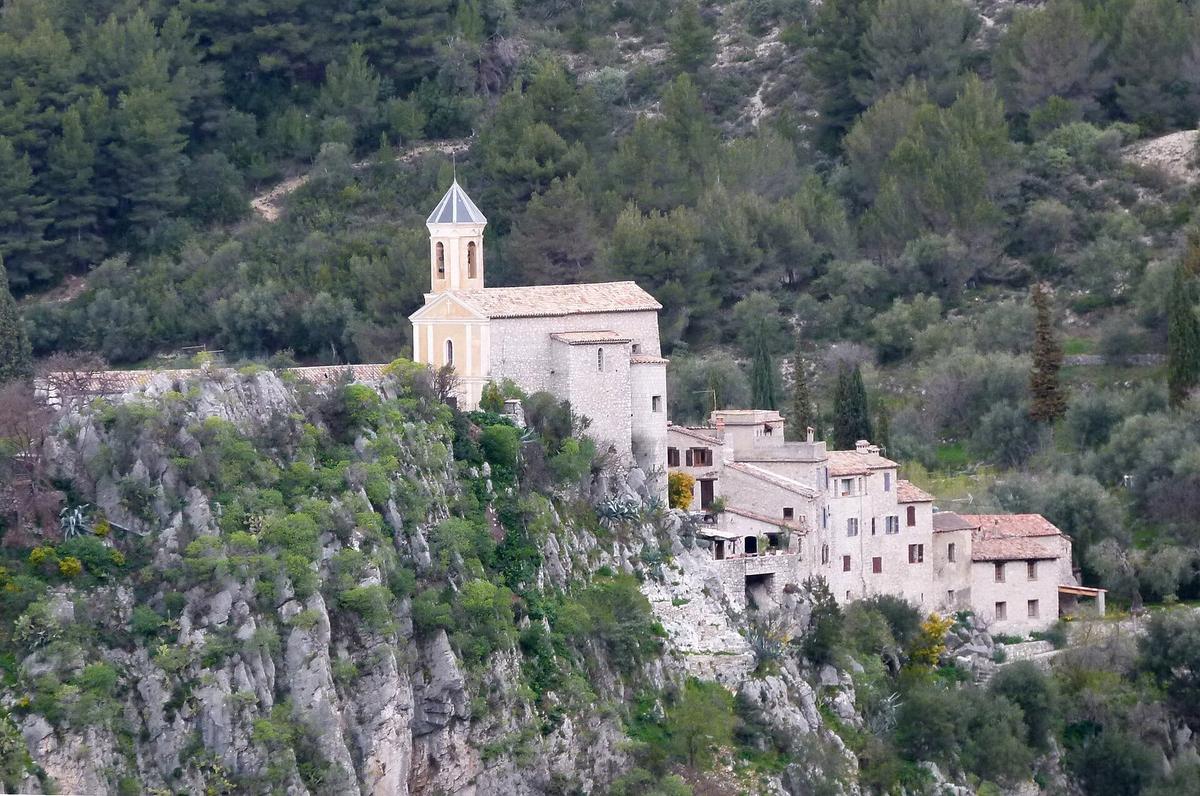
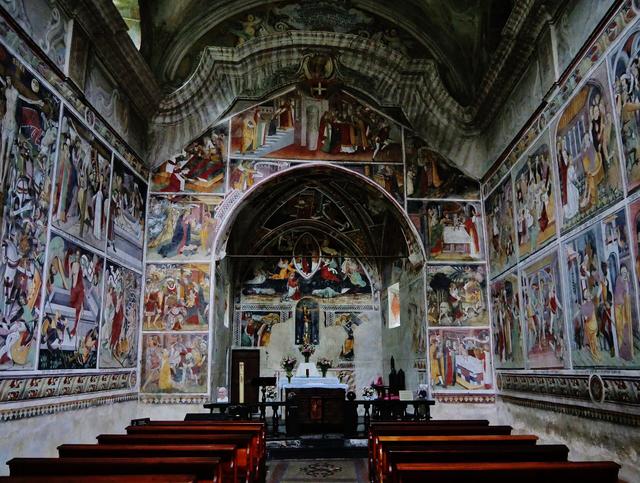
Why it is worth the effort. The chapel was built in the last quarter of the 15th century, just below the village. Its choir was entirely painted in tempera around 1490, and this decoration has not been retouched since, according to the French Ministry of Culture's record. The paintings are attributed to Giovanni Canavesio, a Piedmontese painter who worked in the valleys of the southern Alps at the end of the Middle Ages.
- On the vault: a cycle of the Passion, from the Garden of Olives to the road to Calvary. You can see the betrayal of Judas, Christ before Caiaphas and then before Pilate, the Flagellation, Peter's denial, the Crowning with Thorns and the hanging of Judas.
- At the back of the choir: a Pietà, with Mary seated at the foot of the Cross and Christ on her knees. Above it, the Crucifixion with Mary and Saint John. On the left, Saint Anthony; on the right, Saint Petronilla, shown reading.
The paintings have been listed historic monuments since 1918, and the chapel itself since 2000.
A story. These frescoes look very much like those Canavesio painted at Notre-Dame-des-Fontaines, at La Brigue in the Roya valley, often nicknamed the "Sistine Chapel of the southern Alps". The historian Marc Thibout, however, believes the Peillon paintings are slightly older. If you like them, a visit to La Brigue is the natural next step. See also: Notre-Dame-des-Fontaines Chapel
The confraternity. The chapel belonged to the White Penitents, a lay confraternity. Its oldest surviving register dates from 1661. The confraternity enlarged the building by adding a short nave, taller and wider than the original chapel: the difference between the two parts is easy to see.
Things to do in Peillon
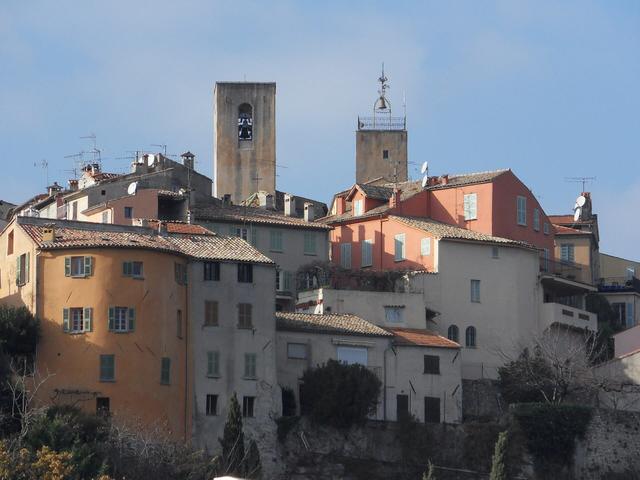
The Church of the Transfiguration. It stands at the top of the rock, on the site of the old castle. The present building dates from the 18th century, but it takes in a 12th-century Romanesque chapel and was enlarged in the 16th century. Its bell tower, topped by an octagonal lantern, can be seen from far away. Inside, above the high altar, a 17th-century painting shows the Transfiguration. The interior decoration is in a rustic Baroque style.

Place Arnulf and its fountain. At the entrance to the village, the fountain bears the date 1800. It has been a protected historic monument since 1941. The lanes leading up to the church start from this square.
The lanes and vaulted passages. Take time to get lost. The village is small, but its stairways and covered passages change the view at every turn. Look up at the fortifications that still line the rock.
The fresco on the old school. On the former school, a fresco called "Lux in tenebris" was painted in 1952 by Charles Rocher de Gérigné, a painter from Peillon. It often goes unnoticed.
Oratories and wayside crosses. They line the paths around the village. They marked the old mule tracks of the valley.
The view. From the edge of the village, the view opens onto the Paillon valley and the wooded hills inland. The best view of the village itself is from below, on the access road: stop for a moment on the way up for the photo.
How long does it take to visit Peillon?
Allow about 90 minutes to walk round the village, climb to the church and go down to the chapel. If you add lunch and a hike, plan for half a day or a full day.
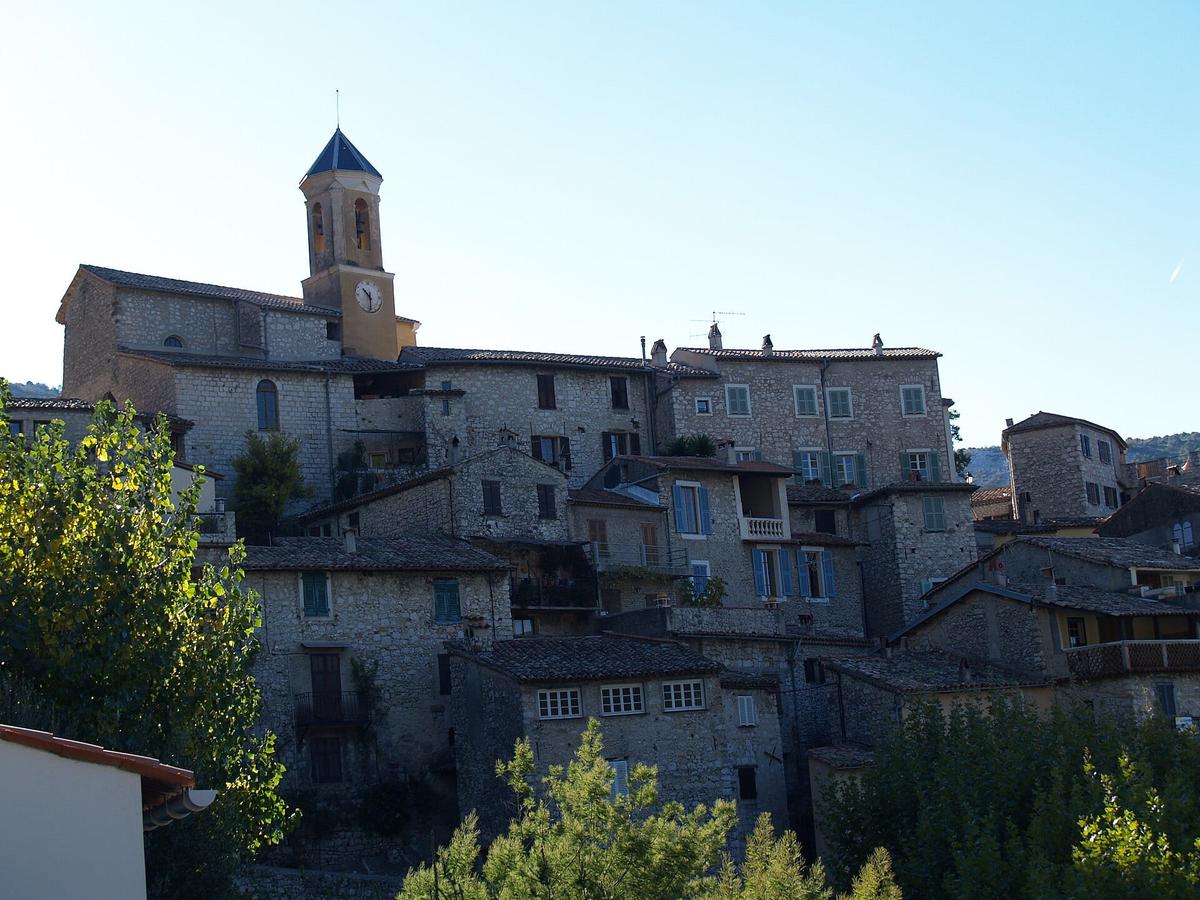

Best time to go. In the morning, the light falls nicely on the house fronts and the lanes are cool. In summer, avoid the early afternoon: the village is all stone, in full sun, and the stairs are steep. Spring and autumn are the most pleasant seasons to combine the village with a hike.
Hiking around Peillon
Peillon is a good starting point for walks in the hills behind Nice. The regional tourist board describes the Lourquière circuit, an 11-kilometre loop starting from La Grave-de-Peille station. The climb is shaded by a pine wood; the way back, along a footpath, gives a fine view of the village. The route passes old arched bridges and paved paths.
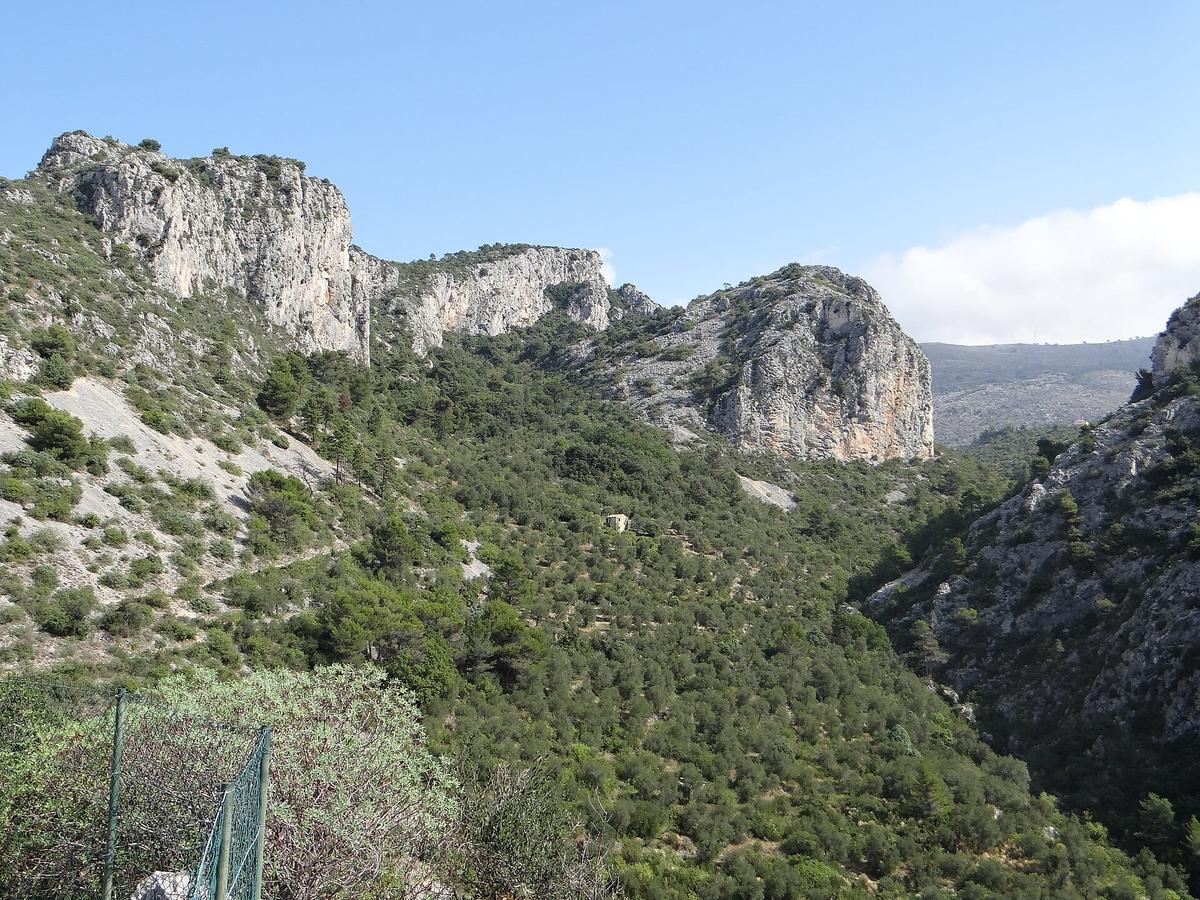

Trails also link Peillon with its neighbour Peille, an even more remote perched village. Take an IGN map, water and good shoes: the ground is dry and stony, and there is little shade on the ridges.
Visiting Peillon with kids
Peillon is not set up for children: no activities, no museum, no play areas. The village will mostly appeal to children who like climbing and exploring. Stairs and cobbles make a pushchair very hard going: bring a baby carrier. For a family outing, a short hike and a picnic with a view works well.
Wheelchair access
The village is built on a rock, with sloping lanes, steps and cobbles. It is not suitable for wheelchair users or for visitors who find walking difficult. No accessibility information is published for the chapel.
How to get to Peillon from Nice
By car. This is the most practical option. From Nice, follow the Paillon valley towards L'Escarène, then take the small road up to the village. The old village, all stairways and vaulted passages, can only be explored on foot. Avoid rush hour leaving Nice, as the valley is often congested.
By train. The Nice to Breil-sur-Roya line stops at Peillon-Sainte-Thècle station, in the valley. The perched village is far above: you then have to walk up by the road or a footpath, which takes good legs. This option suits hikers best.
Renting a car. From Nice airport, a car lets you link Peillon with the other hilltop villages inland and the Roya valley.
Partner links: if you book through these links, we earn a commission at no extra cost to you. Partner links · Learn more
What to see near Peillon on the same day
| Also worth seeing | Distance | Travel time |
|---|---|---|
| Castle Hill (Nice) | 20 km | 30 min by car |
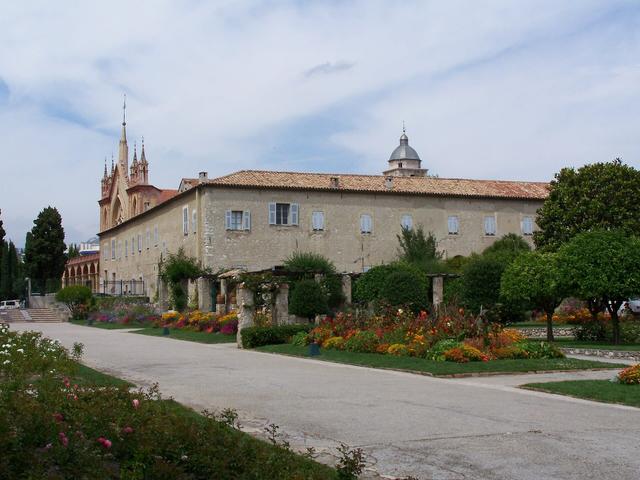
| Cimiez Monastery | 18 km | 30 min by car |
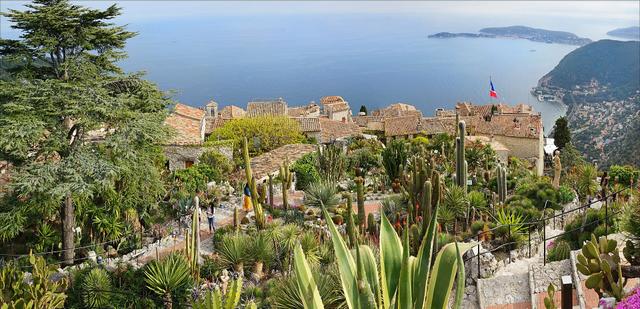
| Èze Exotic Garden | 22 km | 40 min by car |
Approximate road distances and travel times.

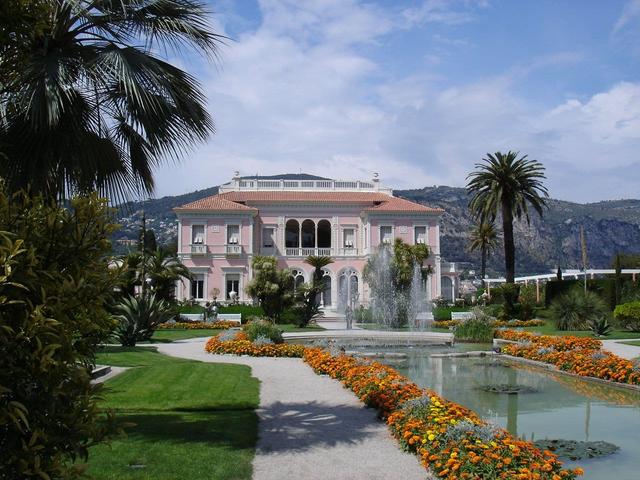
On the way back down to Nice, Castle Hill gives the best view of the Baie des Anges, and the Cimiez monastery, with its gardens, is free to visit. See also: Castle Hill (Nice), Cimiez Monastery Along the Grande Corniche, Èze and its exotic garden, then the Villa Ephrussi de Rothschild, round off a day of perched villages and sea views. See also: Èze Exotic Garden, Villa Ephrussi de Rothschild
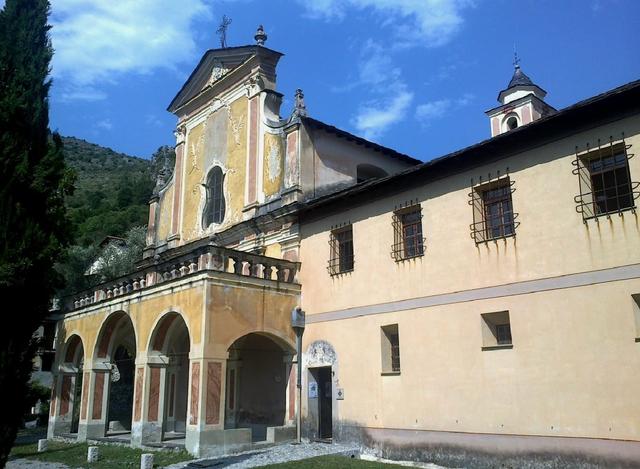
To follow Canavesio further, head up the Roya valley to Notre-Dame-des-Fontaines, then to the Saorge monastery. To the west, Gourdon and Saint-Paul-de-Vence are the region's other great hilltop villages, and much busier. See also: Saorge Monastery, Gourdon, Saint-Paul-de-Vence, French Riviera
Where to eat and stay
The old village has few places to eat, and their opening days vary with the season: check before you come if you plan to have lunch there. The municipal website lists the restaurants and accommodation in Peillon and its hamlets. A picnic brought from Nice is the safest option out of season.
Olive oil lovers can stop at the Guido & Fils mill, founded in 1991, which produces oil, olives and olive paste under the Nice PDO (AOP). It offers tours, tastings and a shop in the afternoon, except on Sundays and public holidays.
To stay, Nice is the easiest base, with a huge choice of hotels and the chance to explore the whole Riviera. Peillon and its hamlets also have a few B&Bs for those looking for peace and quiet.
FAQ
Do you have to pay to visit Peillon?
No, the village is free and open to all, all year round.
How can you see the frescoes in the Chapel of the White Penitents?
The chapel has no published opening hours and is often closed. Call the town hall on +33 4 93 79 91 04 before your visit to find out how to get in.
Who painted the Peillon frescoes?
They are attributed to Giovanni Canavesio, a Piedmontese painter, and date from around 1490. They tell the story of the Passion of Christ.
Can you get to Peillon without a car?
Yes, by train to Peillon-Sainte-Thècle station on the Nice - Breil-sur-Roya line, but you then have to walk up to the perched village.
How long does it take to visit Peillon?
About 90 minutes for the village and the chapel, half a day with a hike.
Is Peillon wheelchair accessible?
No, the village is made of sloping lanes, steps and cobbles.
Practical information
Official ticket-office prices 2026
Free admission
Address
Peillon village, 06440 Peillon, France
Directions · Phone+33 4 93 79 91 04
On site and nearby
- Nearest shops and pharmacy: La Turbie, 4 km away Straight-line distance, based on OpenStreetMap.
- Emergencies: 112 (all emergencies, free from any phone), 15 (SAMU, medical emergency)
Around the site, on Google Maps
With children
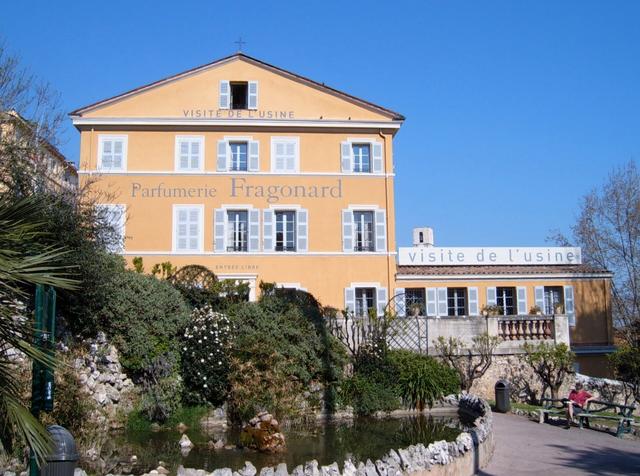
Family days out nearby: Fragonard Perfume Factory, Èze (6 km), Villa Ephrussi de Rothschild (10 km), Matisse Museum Nice (11 km)
Swimming pools and play areas nearby, on Google Maps
Facts checked on 12 November 2026. Sources: peillon.fr, cotedazurfrance.fr, fr.wikipedia.org, fr.wikipedia.org, pop.culture.gouv.fr
Map
In the same region
- National Sports Museumfrom €8Free under 18