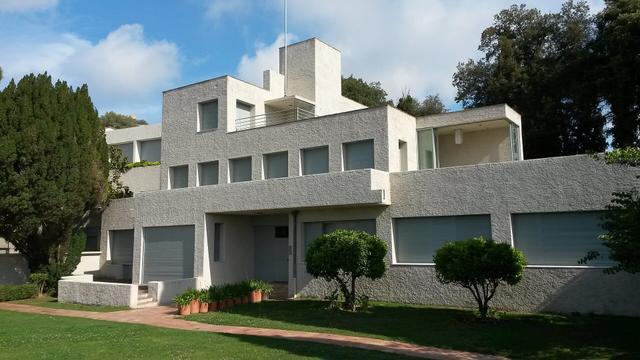
Saint-Paul-de-Vence: a practical guide to the hilltop village
Saint-Paul-de-Vence at a glance
- Admission
- Free
- Time needed
- half a day
- Where
- Saint-Paul-de-Vence
Facts checked on 4 November 2026. Full opening hours, reduced prices and access
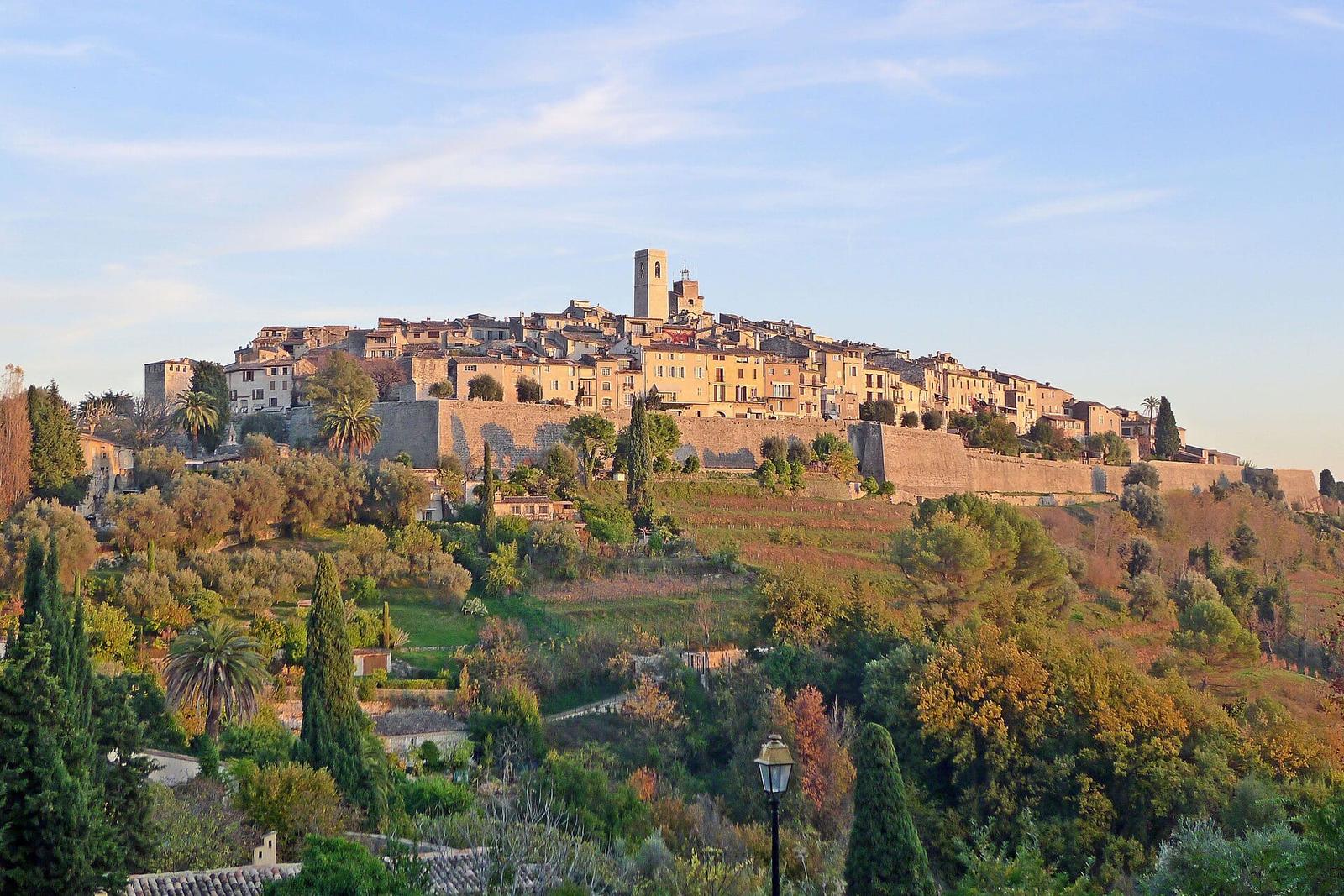

Between Nice and Vence, Saint-Paul-de-Vence sits entirely inside its 16th-century ramparts, on a hill looking out to sea. You walk in freely, with no ticket. You go round the walls, stroll up the rue Grande and its galleries, then finish at the small cemetery where Marc Chagall is buried. Here is how to get there from Nice, where to park, how much time to allow and when to come to avoid the crowds.
Saint-Paul-de-Vence at a glance
- Where: in the Alpes-Maritimes, about twenty kilometres west of Nice, between Cagnes-sur-Mer and Vence.
- Price: free. You can visit the village, the ramparts and the cemetery freely, all year round.
- Time needed: half a day for the village, the ramparts and the cemetery without rushing.
- Getting there: by car on the A8 motorway, or by train to Cagnes-sur-Mer and then bus 655.
- Must-sees: the ramparts, the rue Grande, the Grande Fontaine, the collegiate church and Chagall's grave.
- When to go: early in the morning or late in the afternoon. Midday in summer is very busy.
- Nearby: the Fondation Maeght, a quarter of an hour's walk away. See also: Fondation Maeght
Why is Saint-Paul-de-Vence so famous?
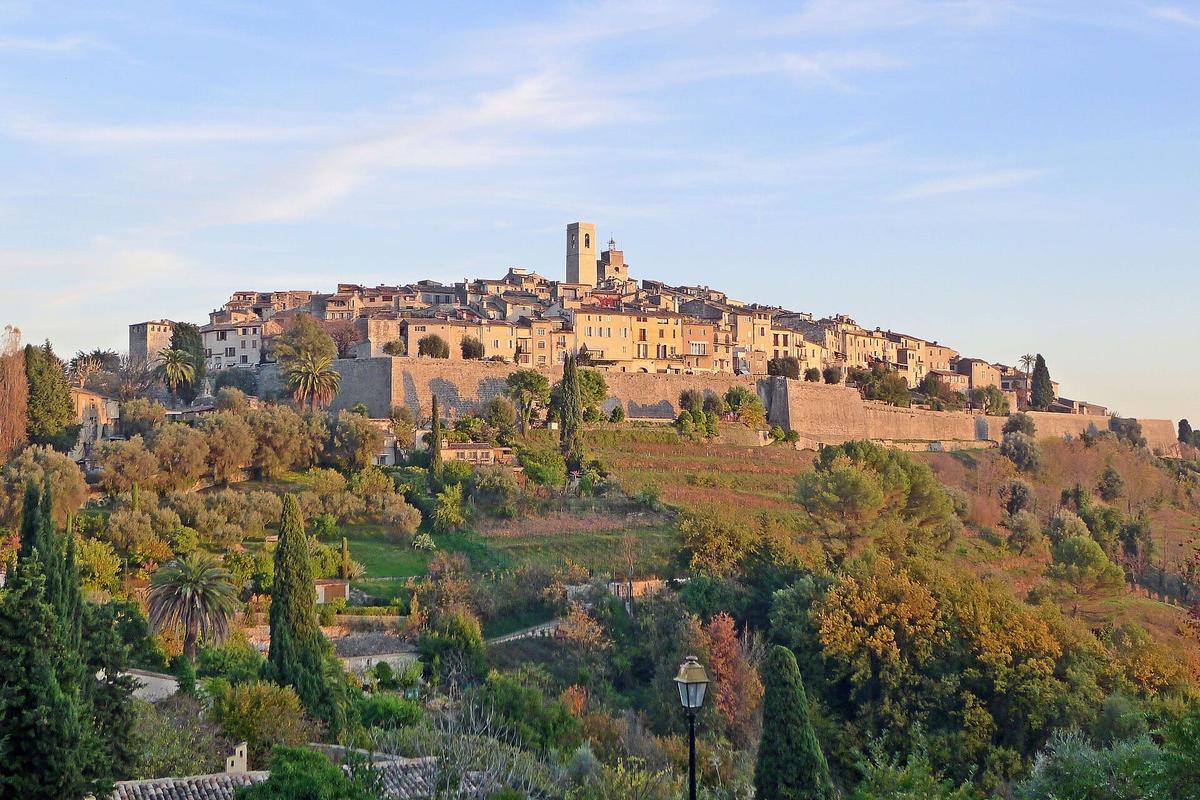
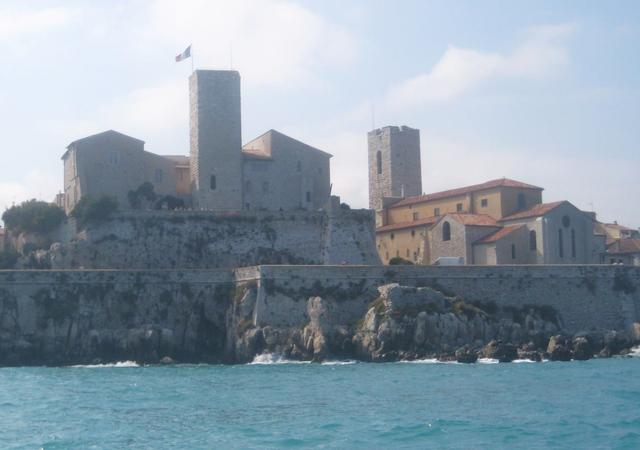
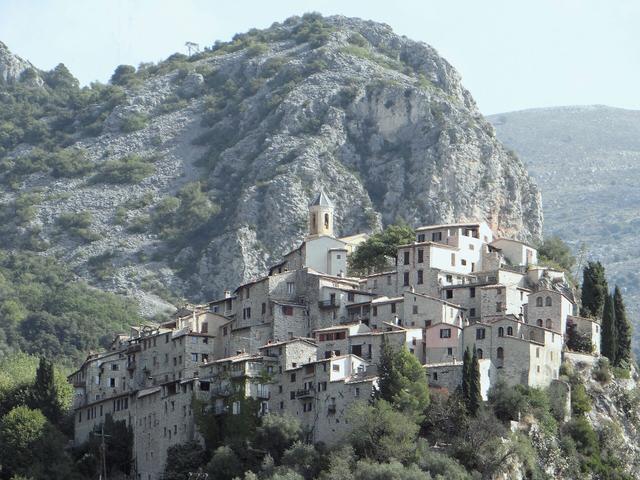
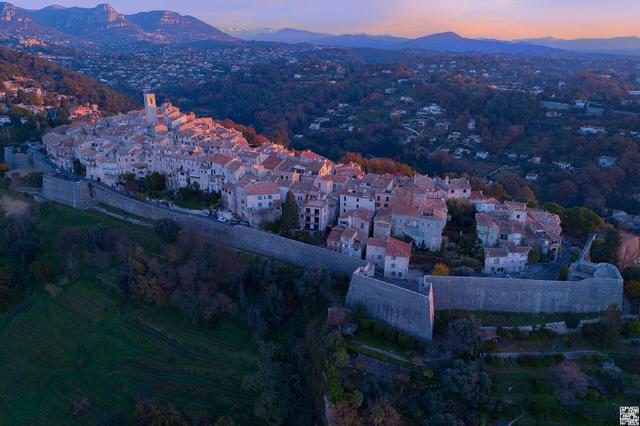
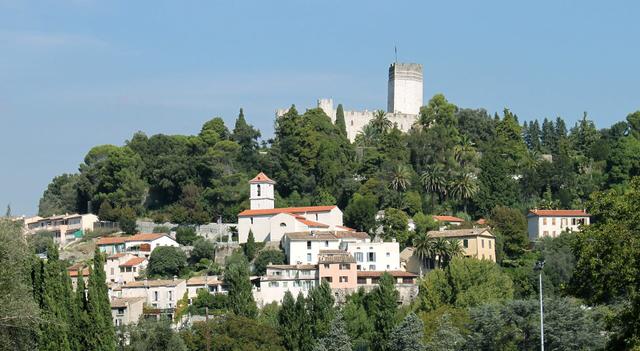
Saint-Paul-de-Vence is a town of 3190 people (2022), but the old village itself is tiny. It sits on the ridge of a hill, enclosed by an almost intact ring of walls. From a distance, the first things you see are the walls and the bell tower of the collegiate church above the cypress trees.
Its reputation rests on two things. First, those ramparts, which make Saint-Paul one of the best-preserved fortified villages on the French Riviera. Second, the artists. In the 20th century, painters and actors came through or settled here, from Matisse and Modigliani to Simone Signoret and Yves Montand. Marc Chagall spent the last nineteen years of his life here, from 1966 to 1985, and is buried here.
Today, the village is one of the most visited in the region. The tourist office alone welcomed 26,863 people at its desk in 2023, a little over half of them from abroad (mostly Americans, British and Italians). That figure only counts the visitors who stopped at the desk: far more simply walk the streets.
Is Saint-Paul-de-Vence free to visit?
Yes. Saint-Paul-de-Vence is a lived-in village: you walk in through the Porte de Vence, on the north side, at any time and without a ticket. The ramparts, the lanes, the squares and the cemetery are open to everyone all year round.
What you pay for is around it: parking, museums and foundations, and the tourist office's guided tours. The Fondation Maeght, just below the village, has its own ticket. See also: Fondation Maeght
The tourist office, at 2 rue Grande, just inside the village entrance, is open Monday to Saturday, 10:00 – 18:00, and also on Sundays and public holidays from April to October. On Saturdays, Sundays and public holidays, it closes 13:00 – 14:00. It hands out the village map and runs guided tours: it ran 297 of them in 2023. We could not find their price published anywhere: ask on site or call +33 4 93 32 86 95.
Partner links: if you book through these links, we earn a commission at no extra cost to you. Partner links · Learn more
Many day trips from Nice stop at Saint-Paul-de-Vence, often together with Èze or Grasse. Check how long you get on site: with less than an hour and a half, you will not have time to walk down to the cemetery.
The ramparts of Saint-Paul-de-Vence

In the Middle Ages, Saint-Paul was a stronghold on the border. In 1388, Nice and its surroundings passed to the Count of Savoy, and the border of Provence then followed the nearby Var river. The village guarded the Provençal bank. During the wars between Francis I and Charles V, it was captured in 1524 and again in 1536.
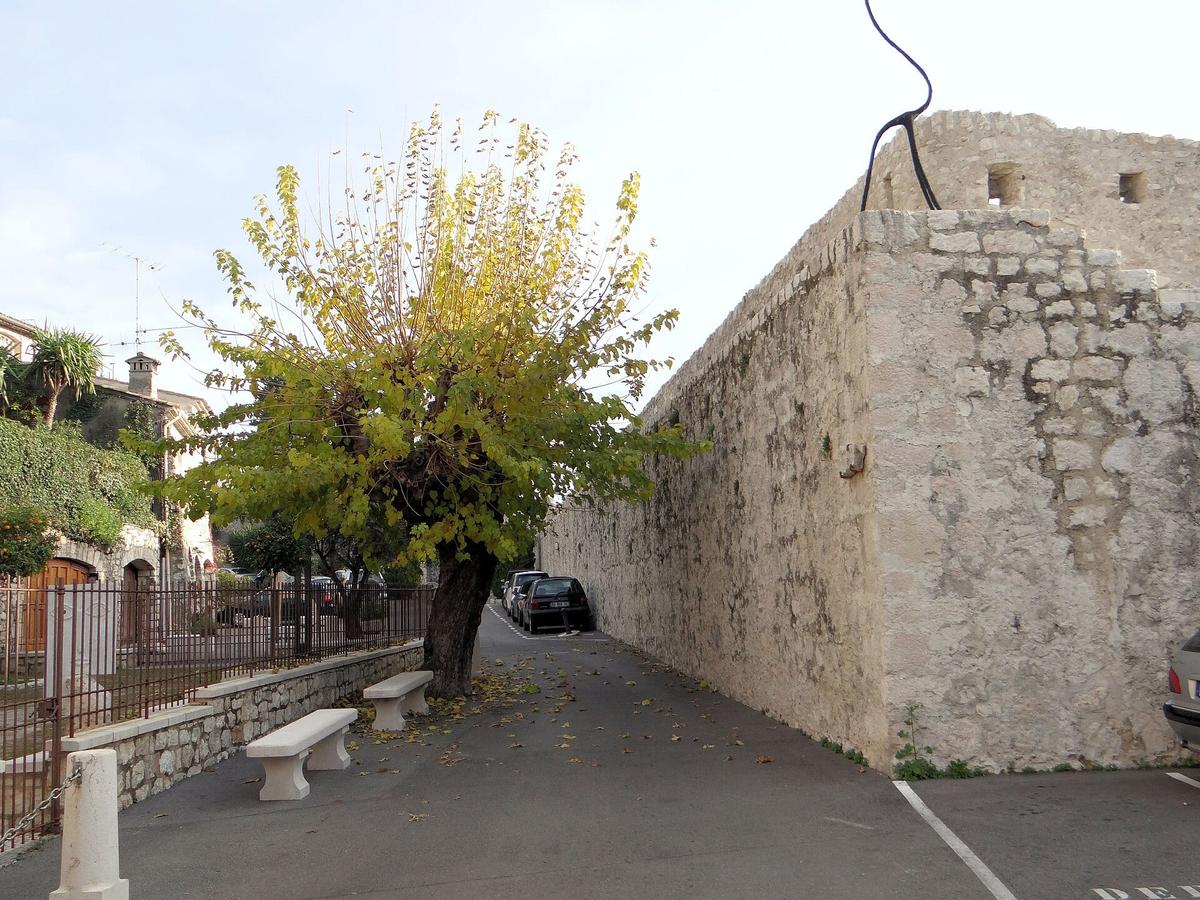
The king then decided to fortify it. The bastioned walls were built under Jean de Renaud, known as de Saint-Rémy, commissioner of fortifications, and finished in 1547. The Côte d'Azur tourist board presents them as the first bastioned ramparts in France. The stone came from the nearby Sine quarries.
At the start of the 17th century, the new walls of Antibes took over: Saint-Paul lost its military role. Nobody ever needed to pull its walls down, which is why they are still standing.
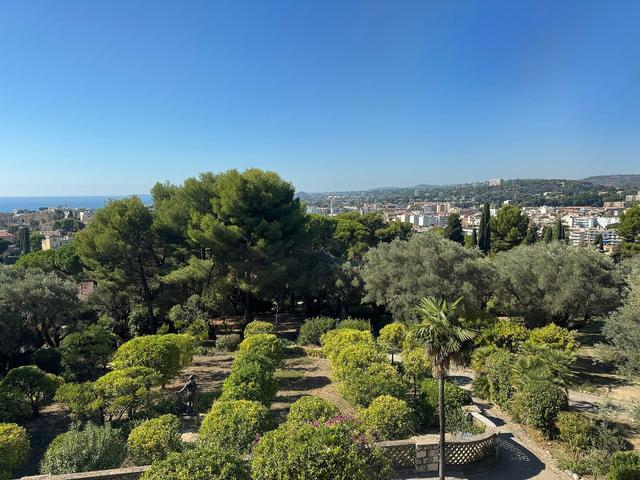
Walking round. A path follows the ramparts almost all the way round the village. Allow 30 to 45 minutes without stopping. On the south and west sides, the view stretches over the hills and villas to the sea. It is the best spot for photos, and often the quietest: most visitors stay in the rue Grande.
What to see in Saint-Paul-de-Vence
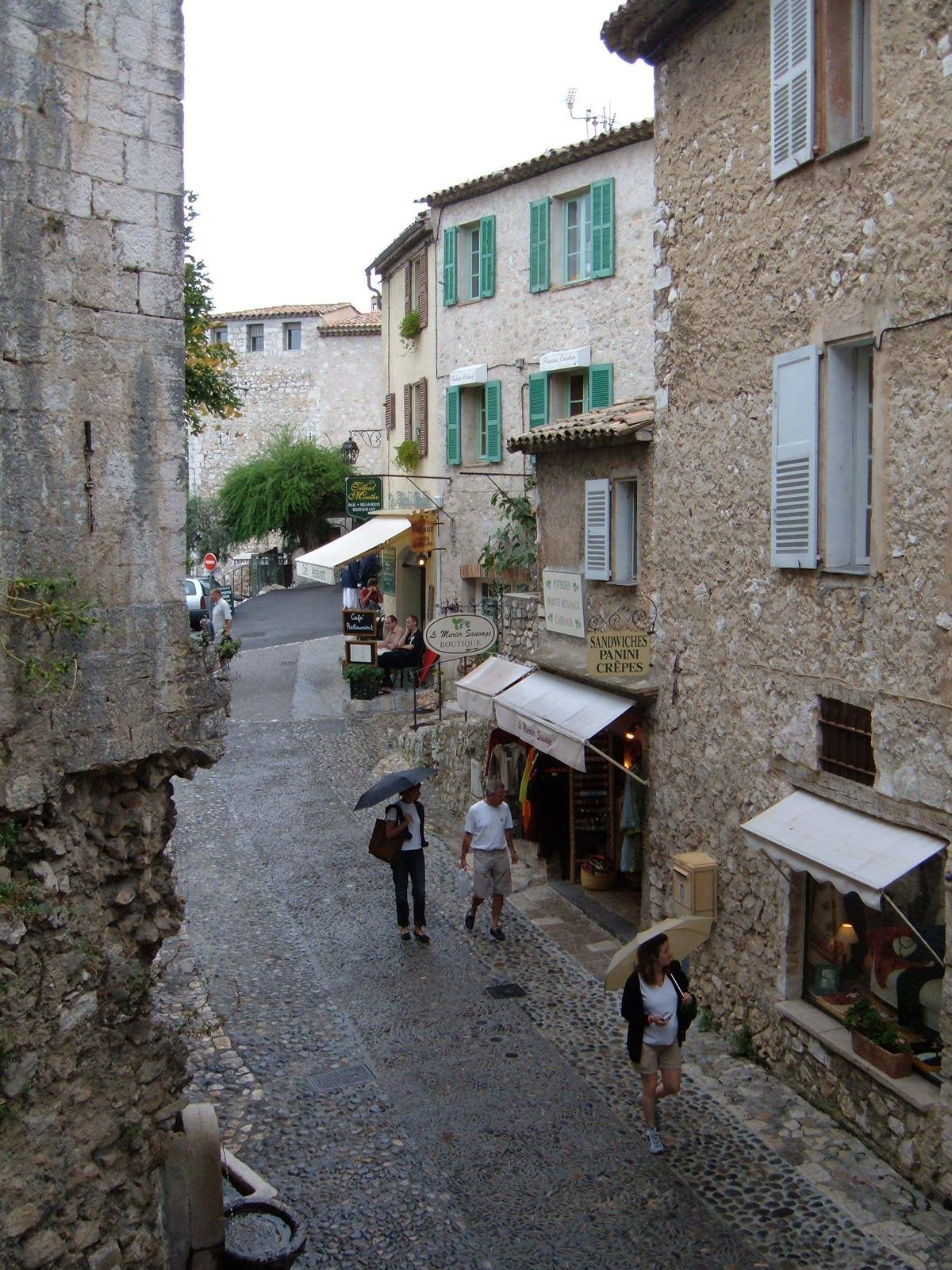

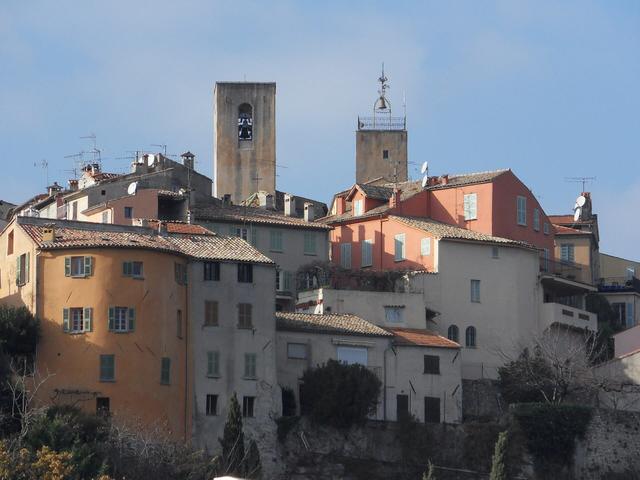
The rue Grande. The main street crosses the village from north to south, from the Porte de Vence to the cemetery. Cobbled, narrow and lined with stone houses, it is full of art galleries, workshops and shops. It is also the first street to fill up.
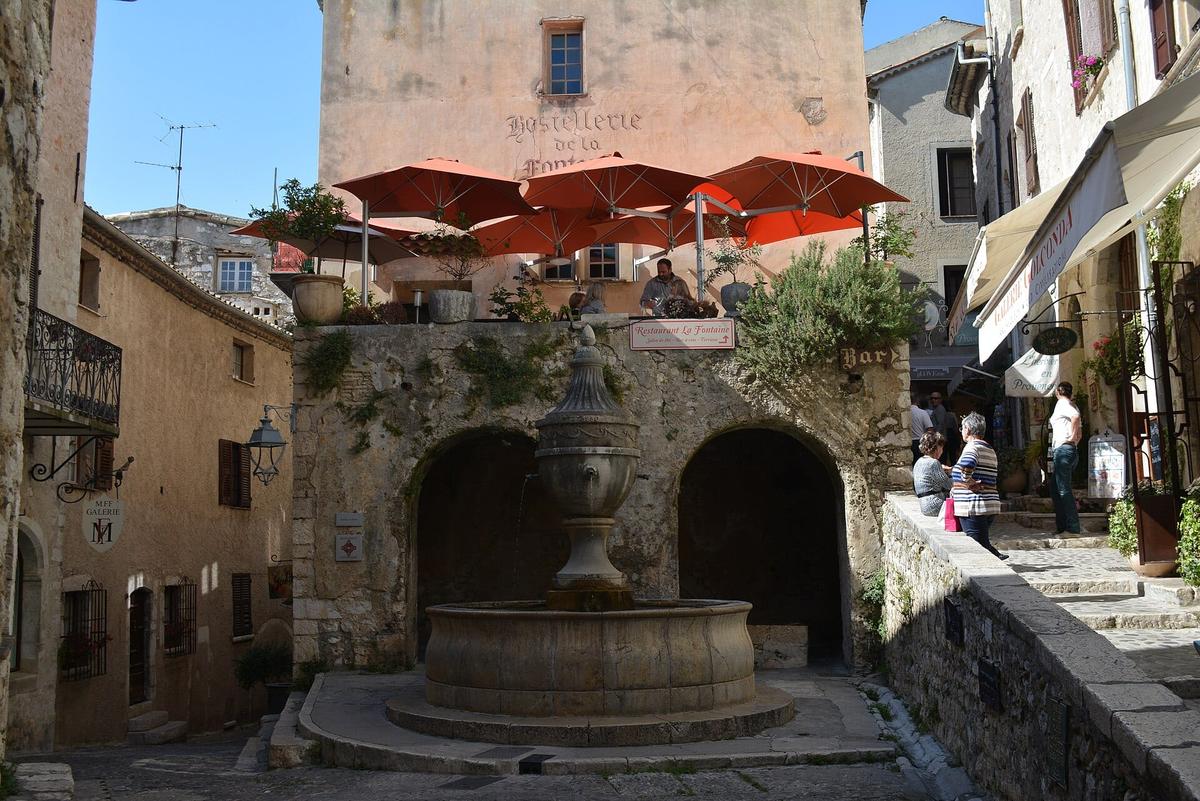
The Grande Fontaine. On a small square halfway along, this fountain with its basin and old wash house is the best-known image of the village. Take the rue de l'Étoile to reach it from the side.

The Collegiate Church of the Conversion of Saint Paul. The church dates from the 12th and 13th centuries and was altered in the 17th century. It became a collegiate church in 1666. It is open Monday to Friday, 8:15 – 16:15, and on Saturdays, Sundays and public holidays, 10:00 – 16:00. Right next to it, the old lord's keep now houses the town hall.
The side streets. Leave the rue Grande as soon as you can. The parallel lanes, steps and covered passages are much quieter, and this is where you see the village as it really is: lived-in houses, old doors and pots of flowers.
Chagall's grave in Saint-Paul-de-Vence cemetery

The cemetery lies at the southern tip of the village, by the Porte de Nice, on the Puy plateau, the old heart of the town. It looks out over the Mediterranean.
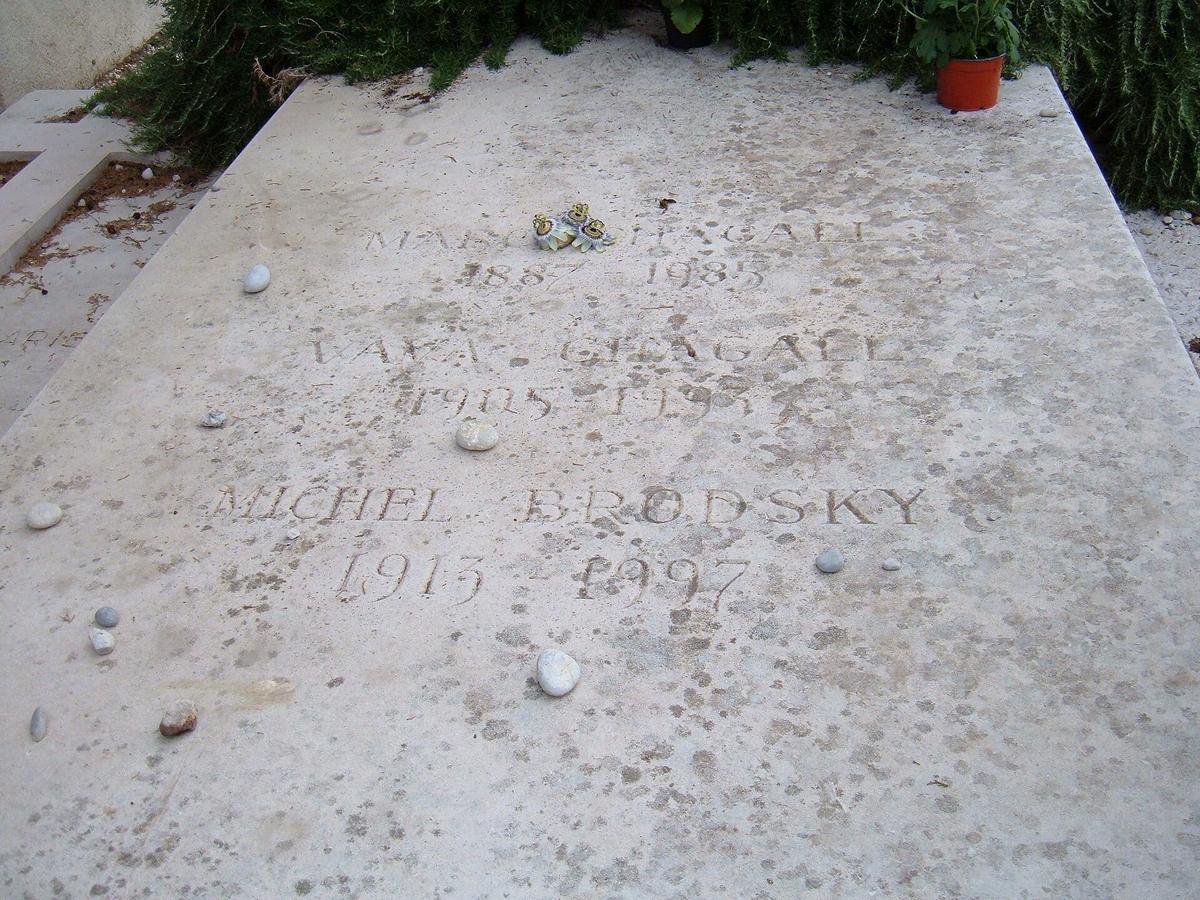
Marc Chagall lived in Saint-Paul from 1966 to 1985, and died in the village in 1985. His grave, which he shares with his wife Vava, is a simple slab. As on Jewish graves, visitors often leave a small pebble on it.
On a second level of the cemetery lie Aimé and Marguerite Maeght, the founders of the Fondation Maeght, next to their son Bernard, who died aged 11. It was the death of this child that led the couple to create the foundation, at the foot of the village.
To find Chagall's grave, walk down the rue Grande to the end, go through the Porte de Nice and enter the cemetery. Please be discreet: local families still use the cemetery.
How long do you need in Saint-Paul-de-Vence?
Allow half a day:
- The rue Grande, from the Porte de Vence to the cemetery: half an hour walking, an hour if you go into the galleries.
- The walk round the ramparts: 30 to 45 minutes.
- The cemetery and Chagall's grave: a quarter of an hour.
- The collegiate church: a quarter of an hour.
- A break on a café terrace: add as much as you like.
With the Fondation Maeght, plan a full day: the foundation in the morning, the village in the late afternoon.
Best time to visit and avoid the crowds
The village is small and visitors are many. Between 11 am and 4 pm, from April to October, tour coaches drop groups at the Porte de Vence and the rue Grande becomes hard to walk up. According to the tourist office, the busiest months are April, August, September and October.
Our tips:
- Arrive before 10 am. The lanes are empty, the light is soft and you will find a parking space.
- Or come after 5 pm in spring and summer. The groups have left, and the setting sun lights up the western ramparts.
- Winter is quiet. Some galleries and restaurants close, but the village stays open and the view is often clearer in cold weather.
- Flat shoes. The cobbles are slippery, especially on the way down.
How to get to Saint-Paul-de-Vence from Nice
By car. On the A8 motorway, take exit 48 if you are coming from Nice or Italy, or exit 47 if you are coming from Marseille and Cannes, then follow signs for Vence. Allow thirty to forty minutes from central Nice, more at rush hour.
Parking. The old village is closed to cars. There is a public car park on the Vence road (RD 2), with an electric charging point, and a private underground car park (Indigo) also serves the village. On busy days, they are full by late morning: come early.
By bus. There is no direct bus from central Nice. Take a regional TER train to Cagnes-sur-Mer station, then bus line 655, which runs from Cagnes-sur-Mer to Vence via Saint-Paul. Get off at the "St Paul Village" stop. You will still often read that you should take bus 400 from Nice: the Fondation Maeght now gives line 655. Check the timetable on the website of the regional Zou network before you set off. Buses are less frequent on Sundays.
Renting a car. Saint-Paul-de-Vence, Vence, Grasse and the inland villages are poorly connected to each other. A car picked up at Nice airport or Nice station lets you combine the village, the Fondation Maeght and another sight in one day. Drivers from outside the EU should check whether they need an international driving permit with their licence.
Saint-Paul-de-Vence with kids
Children mostly enjoy the walk round the ramparts: you walk up high, look for the sea and count the towers. The rue Grande and its galleries interest them less. Go up it quickly and keep the ramparts for the way back.
A pushchair will get along the rue Grande, but the cobbles, steps and sloping lanes make it hard work. A baby carrier is more practical. Hold little ones by the hand along the ramparts: some sections overlook a sheer drop.
Toilets. The tourist office lists 5 public toilet points: at the coach park, at the bus stop on the Sainte-Claire roundabout, at the village entrance near the Sainte-Claire curtain wall, on the western ramparts, and on rue de l'Étoile after the Grande Fontaine square.
Where to eat and stay in Saint-Paul-de-Vence
La Colombe d'Or. At the village entrance, this inn, opened in 1931 by Paul Roux, is famous for the works that artists left there: Picasso, Matisse, Miró, Braque, Léger and Chagall. Simone Signoret and Yves Montand married there in 1951, according to Wikipedia. You need to book, and prices are high.
In the village. The restaurants on the rue Grande are convenient but often expensive. For a simpler meal, head out of the village towards La Colle-sur-Loup or Vence, a few minutes away by car.
Where to stay. Saint-Paul and its surroundings mostly have small boutique hotels and B&Bs in quiet settings. Without a car, you are better off staying in Nice or in Cagnes-sur-Mer, near the station.
Places to stay near Saint-Paul-de-Vence
What to combine with it in a day
| Also worth seeing | Distance | Travel time |
|---|---|---|
| Fondation Maeght | 1 km | 15 min on foot |
| Picasso Museum Antibes | 17 km | 30 min by car |
| Matisse Museum Nice | 22 km | 35 min by car |
Approximate road distances and travel times.
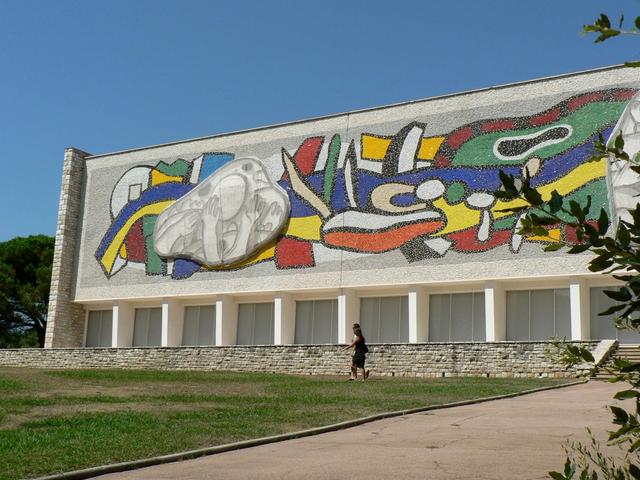
The Fondation Maeght. A quarter of an hour's walk away along the chemin de Sainte-Claire, the foundation brings together Giacometti, Miró, Chagall and Braque in a building among the pine trees. It is the most natural visit to pair with the village. See also: Fondation Maeght
Antibes and the Picasso Museum. On the coast, half an hour away by car, the Château Grimaldi holds works that Picasso painted there in 1946. See also: Picasso Museum Antibes
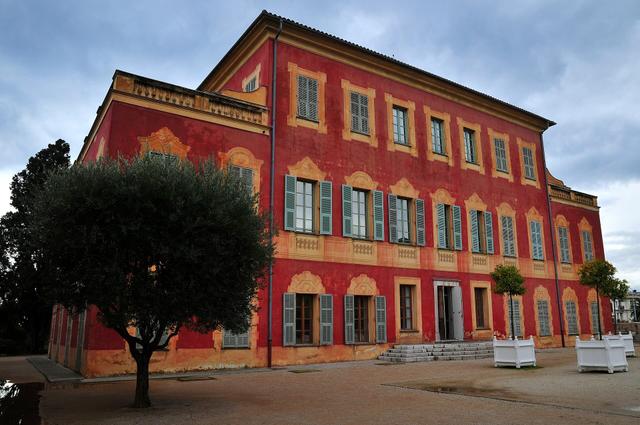
Nice and the Matisse Museum. On Cimiez hill, the Matisse Museum rounds off a day devoted to the painters of the French Riviera. See also: Matisse Museum Nice
For a family outing in the hills behind Grasse, the Chèvrerie du Bois d'Amon goat farm, in Saint-Cézaire-sur-Siagne, runs farm mornings. See also: Chèvrerie du Bois d'Amon goat farm, Castle Hill (Nice), French Riviera
Fun facts and figures
- A border on the Var. In the 14th century, the Var river separated Provence from the lands of Savoy. Saint-Paul was the stronghold watching over that border, hence its walls.
- Ramparts saved by being forgotten. When Antibes was fortified in the early 17th century, the army lost interest in Saint-Paul. Its walls were never dismantled.
- A film-star wedding. Simone Signoret and Yves Montand married in the village in 1951, at the Colombe d'Or according to Wikipedia.
- A family reunited. The Maeghts are buried in the same cemetery as Chagall, who was one of the artists of their foundation.
- Mostly foreign visitors. In 2023, a little over half of the visitors received at the tourist office came from abroad, led by the United States.
FAQ
Do you have to pay to enter Saint-Paul-de-Vence?
No. The village, the ramparts and the cemetery are free and open to all year round. Only parking, museums and guided tours cost money.
Where is Chagall's grave?
In the cemetery, at the southern tip of the village, beyond the Porte de Nice. Chagall is buried there with his wife Vava.
How long does it take to visit Saint-Paul-de-Vence?
Allow half a day for the rue Grande, the walk round the ramparts and the cemetery. Add half a day for the Fondation Maeght.
How do I get to Saint-Paul-de-Vence from Nice without a car?
By train to Cagnes-sur-Mer, then bus 655 to the "St Paul Village" stop. Check the timetable, especially on Sundays.
What time should I come to avoid the crowds?
Before 10 am or after 5 pm. From late morning to mid-afternoon, between April and October, the rue Grande is very crowded.
Can you visit Saint-Paul-de-Vence with a pushchair?
Yes, but the cobbles, slopes and steps make it awkward. A baby carrier is easier.
Practical information
Official ticket-office prices 2026
Free admission
Address
Office de tourisme, 2 rue Grande, 06570 Saint-Paul-de-Vence, France
Directions · Phone+33 4 93 32 86 95
On site and nearby
- On site: Toilets
- Nearest shops and pharmacy: La Colle-sur-Loup, 2 km away Straight-line distance, based on OpenStreetMap.
- Emergencies: 112 (all emergencies, free from any phone), 15 (SAMU, medical emergency)
Around the site, on Google Maps
With children
Family days out nearby: Fondation Maeght (1 km), Château Grimaldi, Cagnes-sur-Mer (4 km), Escoffier Museum of Culinary Art (4 km)
Swimming pools and play areas nearby, on Google Maps
Swimming poolsPlaygroundsLeisure parks
Family activities around Saint-Paul-de-Vence on GetYourGuide
Facts checked on 4 November 2026. Sources: saint-pauldevence.com, saint-pauldevence.com, cotedazurfrance.fr, fondation-maeght.com, fr.wikipedia.org, cotedazurfrance.fr, static.saint-pauldevence.com
Map
In the same region

- National Sports Museumfrom €8Free under 18