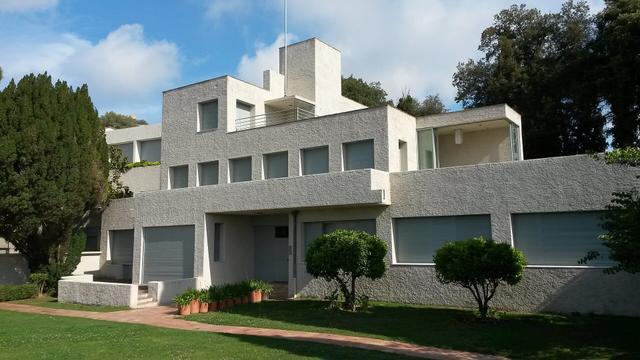
Renoir Museum in Cagnes-sur-Mer: planning your visit
Renoir Museum (Cagnes-sur-Mer) at a glance
- Full price
- €6
- Free
- under 26
- Visitors per year
- about 47,201
- Where
- Cagnes-sur-Mer
- Nearest station
- Cagnes-sur-Mer
Official ticket-office prices, checked on 11 November 2026. Full opening hours, reduced prices and access
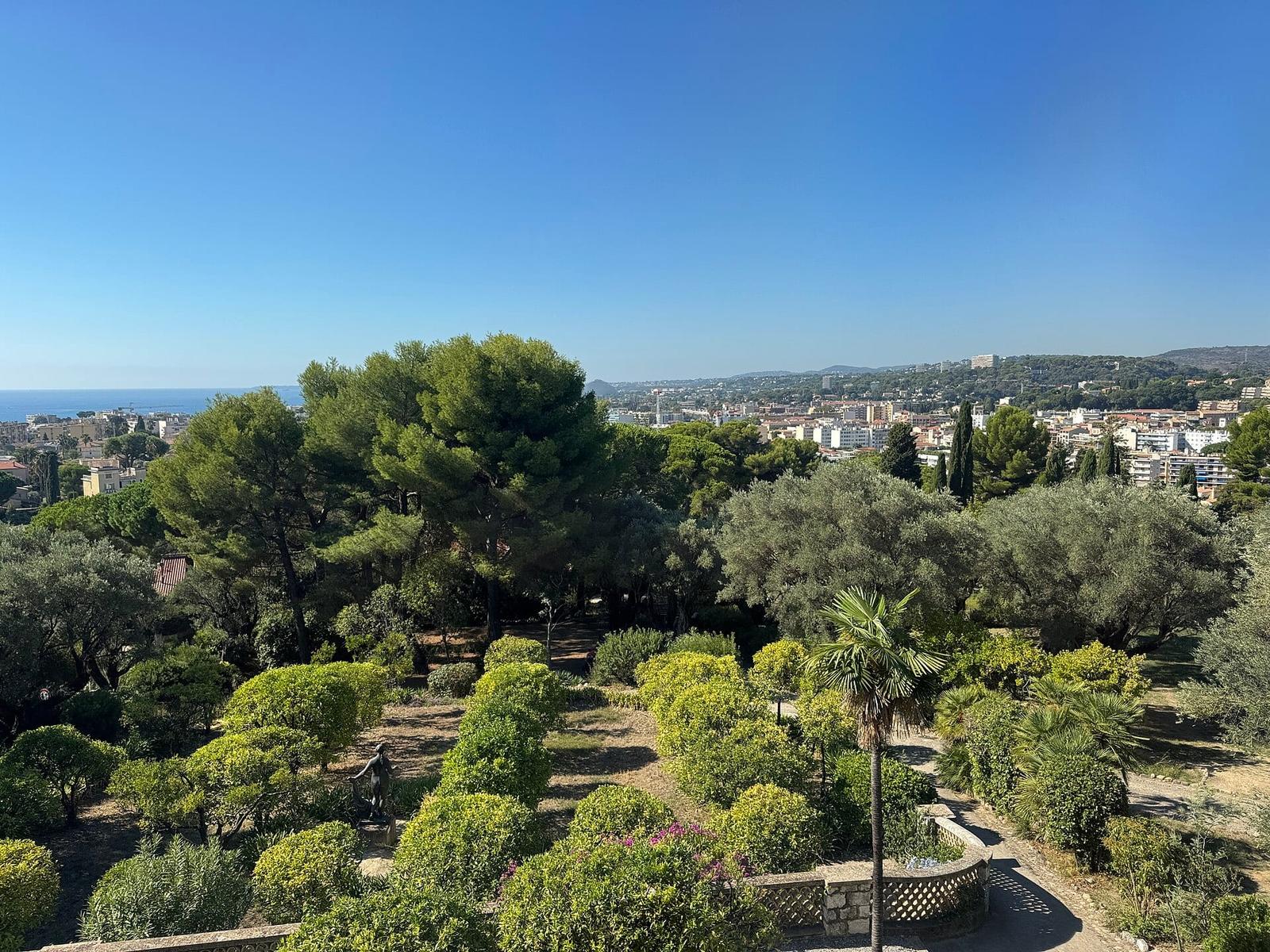

On the hill of Les Collettes, above Cagnes-sur-Mer, Pierre-Auguste Renoir spent the last eleven years of his life. His house, his two studios and his olive grove have become a museum run by the town. Since the painting theft of September 2026, the museum has been closed to the public. Here is what you need to know before planning a visit: the current situation, prices, usual opening hours, how to get there and what there is to see.
Renoir Museum at a glance
- Where: at the Domaine des Collettes, chemin des Collettes, on a hill east of central Cagnes-sur-Mer, between Nice and Antibes.
- Situation on 11 November 2026: the museum has been closed to the public since the theft of 8 September 2026. The town has not announced a reopening date.
- Usual price: €6 per adult, free for under-26s and Cagnes-sur-Mer residents.
- Combined ticket: €8 with the Château-Musée Grimaldi, on the same day.
- Closed on Tuesdays in normal times, and on 25 December, 1 January and 1 May.
- Time needed: a guided tour lasts 1 h; allow longer for the garden.
- Good to know: pets are not allowed and the free on-site parking is limited.
Is the Renoir Museum open right now?
No. On 8 September 2026, thieves broke into the museum before dawn and took several paintings. The museum closed the same day "until further notice". In early November 2026, the practical information page of the Cagnes-sur-Mer town website still says: "The Renoir Museum is currently closed". The Nice Côte d'Azur tourist office also shows "Closed until further notice", for both the museum and the garden.
What this means for you:
- Do not make the trip without checking first. Call the museum or look at the town's website the day before.
- The garden and olive grove, which could be visited on their own, are also listed as closed.
- The prices and opening hours below are those published by the town for normal opening. They may change when the museum reopens.
- If you are already in Cagnes, the Château-Musée Grimaldi, in Haut-de-Cagnes, is the town's other municipal museum.
Why visit the Renoir Museum
This is not a museum like the others. You visit a painter's last home, left as he knew it, among the olive trees he painted.

Renoir discovered Cagnes in 1903. He was over sixty and his health was failing: rheumatoid arthritis was twisting his hands, and his doctors recommended the climate of the south. He bought the Domaine des Collettes, a 3-hectare estate planted with centuries-old olive trees and orange trees, with a 19th-century farmhouse. He did not keep the farmhouse for himself: he had the Nice architect Jules Febvre build a Provençal-style villa with two studios. The family moved in in the autumn of 1908.
Renoir lived and worked at Les Collettes until his death in 1919, aged 78, surrounded by his wife Aline and their sons Pierre, Jean and Claude. Despite his stiffened hands, he painted almost every day. Between 1913 and 1918, he even took up sculpture: unable to model the clay himself, he directed the work of young sculptors, first Richard Guino, then Louis Morel.
A house full of artists. Renoir welcomed several painters and sculptors of his day to Les Collettes. Wikipedia names Henri Matisse, Aristide Maillol and Amedeo Modigliani among his visitors.
A film story. In 1959, his son Jean Renoir, by then a film director, came back to shoot Picnic on the Grass (Le Déjeuner sur l'herbe) on the estate where he had spent part of his youth. The following year, in 1960, the town of Cagnes-sur-Mer bought the property and opened the house to the public.
The museum was fully renovated and reopened in July 2013. It holds the Musée de France and Maison des Illustres labels (the latter since 2011), and the villa is a listed historic monument. According to Wikipedia, it receives around 47,201 visitors a year.
The September 2026 art theft
During the night of 7 to 8 September 2026, the museum's alarm went off at 5.48 am. The municipal police arrived a few minutes later, but two burglars had already fled. They had taken down 4 Renoir paintings on loan from the Musée d'Orsay. As they escaped, they dropped two of them, Portrait of Madame Stephen Pichon and Coco Reading.
The other two, Madame Colonna Romano (1910) and Young Woman at the Well (1886), were recovered in early October 2026, after police operations in southern and eastern France. Six suspects were arrested. The town hall valued the stolen works at 9 million euros.
The recovery of the paintings did not come with a reopening announcement. The theft revived debate in the press about security in small museums, and the town has not given a timetable.
How much does the Renoir Museum cost?
Prices published by the town of Cagnes-sur-Mer for normal opening:
- Full price: €6.
- Under 26: free.
- Cagnes-sur-Mer residents: free, with proof.
- Combined ticket, Renoir Museum + Château-Musée Grimaldi: €8, to be used on the same day.
- Guided tour: €3 on top of the entry ticket.
A reduced rate exists, but the town refers to a PDF price list for the details. Ask at the front desk if you think you may qualify.
Passes accepted. The museum accepts the Pass Côte d'Azur France, the French Riviera Pass and the Pass Culture. If you already have one of these passes for other visits in the region, entry is included.
Payment. Cash, bank card, or a cheque drawn on a French bank.
Our tip: the combined ticket is the best deal. For €8 instead of two separate tickets, you can see Renoir's house in the morning and the Château Grimaldi in Haut-de-Cagnes in the afternoon.
Do you need to book?
Normally, no. Tickets are sold at the estate's front desk. The town's website does not promote online ticketing, and we have not found skip-the-line tickets on reseller sites.
Guided tours, on the other hand, run at set times in small groups. The town publishes this schedule:
- October to March: Wednesdays and Sundays, at 14:00 and 15:30.
- April to September: Wednesdays, Saturdays and Sundays, at 14:00 and 16:00.
- In English: Sundays at 14:00, all year round.
This schedule is suspended while the museum is closed.
For a guided tour of Cagnes and nearby villages, or a trip along the coast while the museum is closed:
Partner links: if you book through these links, we earn a commission at no extra cost to you. Partner links · Learn more
Usual opening hours of the Renoir Museum
Opening hours published by the town, valid when the museum is open:
- October to March: 10:00 – 12:00 and 14:00 – 17:00.
- April and May: 10:00 – 12:00 and 14:00 – 18:00.
- June to September: 10:00 – 13:00 and 14:00 – 18:00 for the museum, 10:00 – 18:00 without a break for the garden.
The museum is closed every Tuesday, and on 25 December, 1 January and 1 May.
Watch out for the lunch break. Outside summer, the museum closes for two hours at midday. If you arrive at 11.30 am, you will only have half an hour. Come at opening time, or early in the afternoon.
The best time to go. In summer, the garden stays open over lunch: it is the quietest time to stroll in the shade of the olive trees. In spring, the orange trees and the light on the sea are worth the trip.
How long does it take to visit?
The guided tour lasts 1 h. It covers the house and the studios. On your own, allow about the same for the house, then as long as you like in the garden. A morning is plenty, which leaves the afternoon for Haut-de-Cagnes or Saint-Paul-de-Vence.
What to see at Les Collettes
The house. A dozen rooms still have their furniture, objects and family photographs. You see the dining room, the bedrooms and the everyday setting of the Renoir family's life.
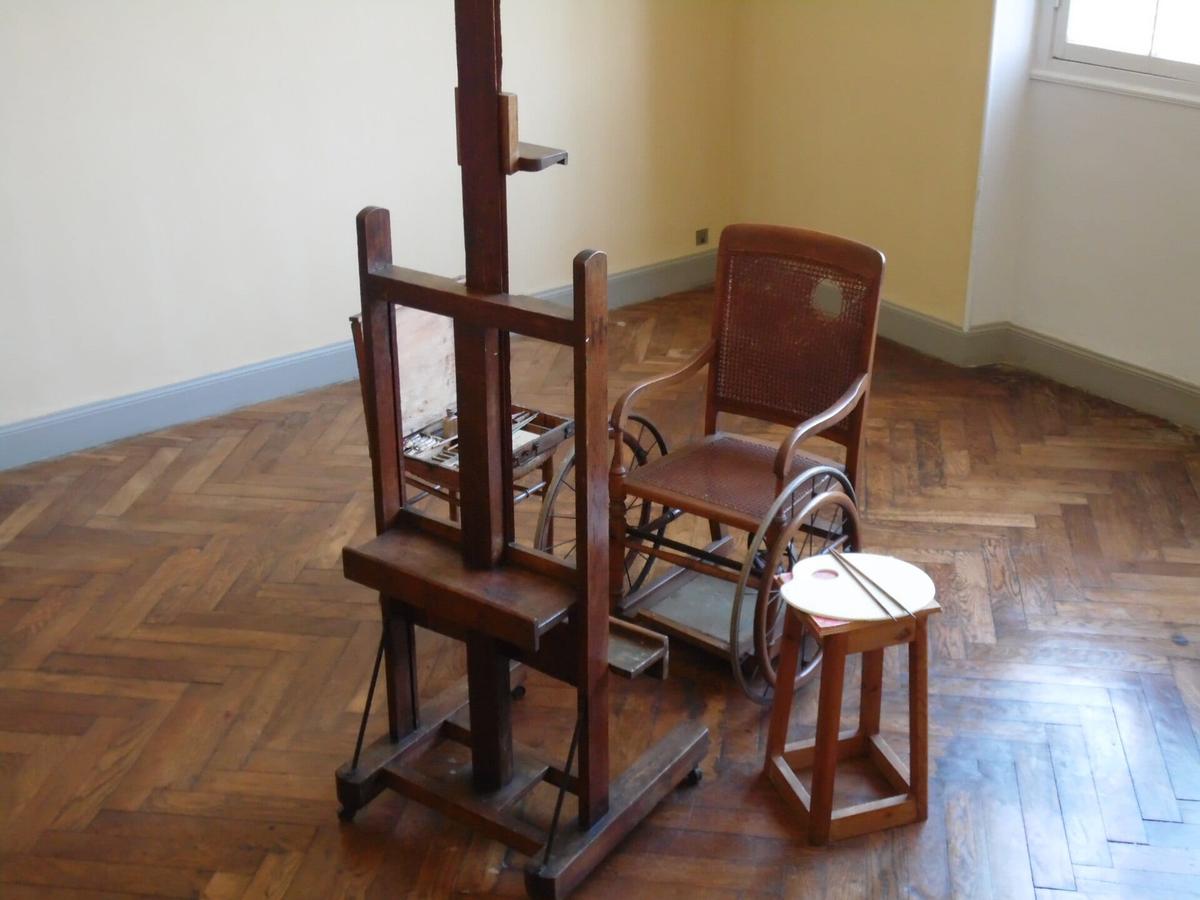

The two studios. Renoir had two studios built into the villa from the start. This is where he kept painting despite his arthritis, with a brush slipped between his twisted fingers. The furniture and everyday objects are still in place.
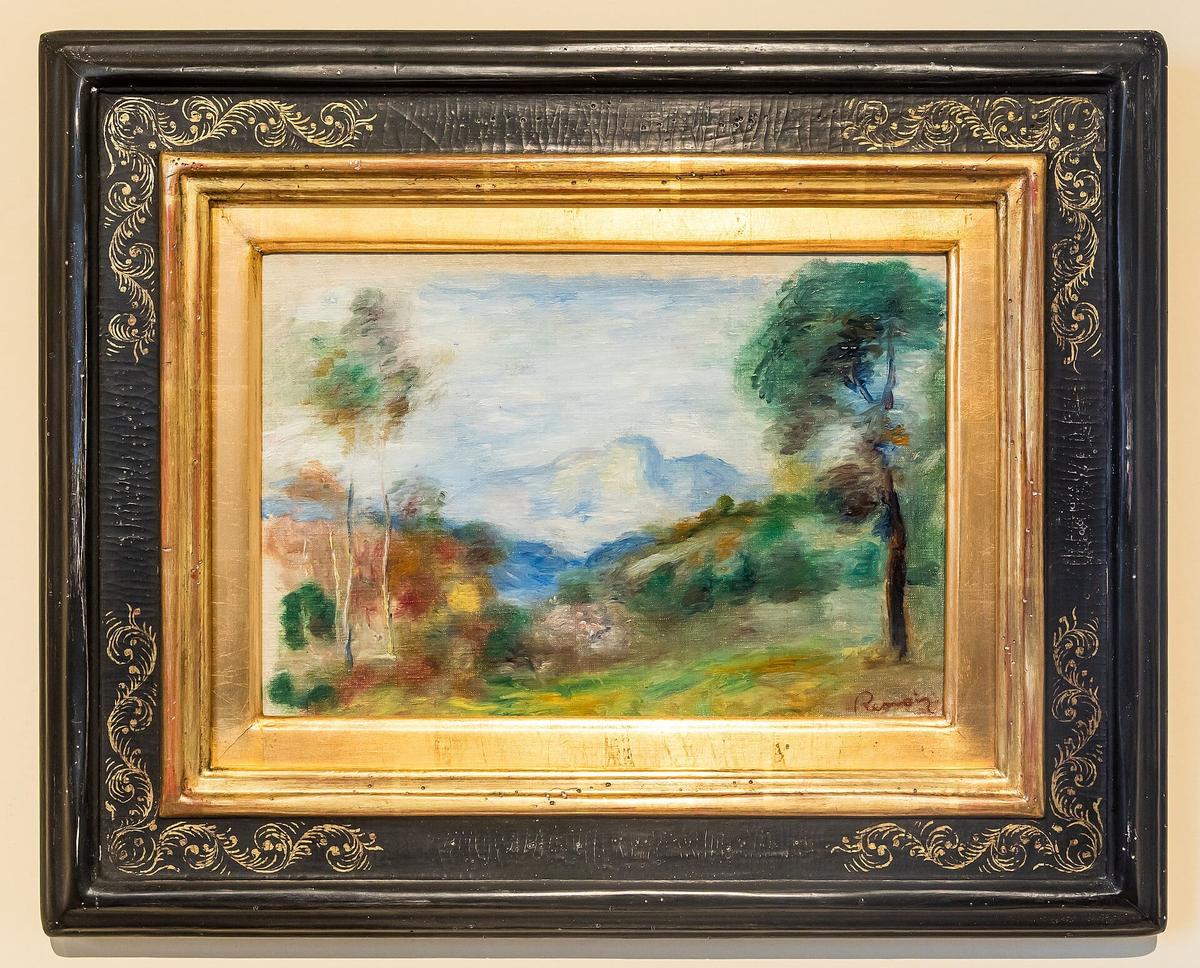
The original paintings. The museum displays 13 paintings by Renoir, most of them painted during his years in Cagnes. There are fewer than in a big museum, but you see them in the very rooms where they were painted, with the olive grove outside the window.
The sculptures. Around 40 sculptures are on display, including the works made with Richard Guino. National museums have also lent works by artists close to Renoir: Albert André, Aristide Maillol, Raoul Dufy, Pierre Bonnard and Pierre Renoir, his eldest son.
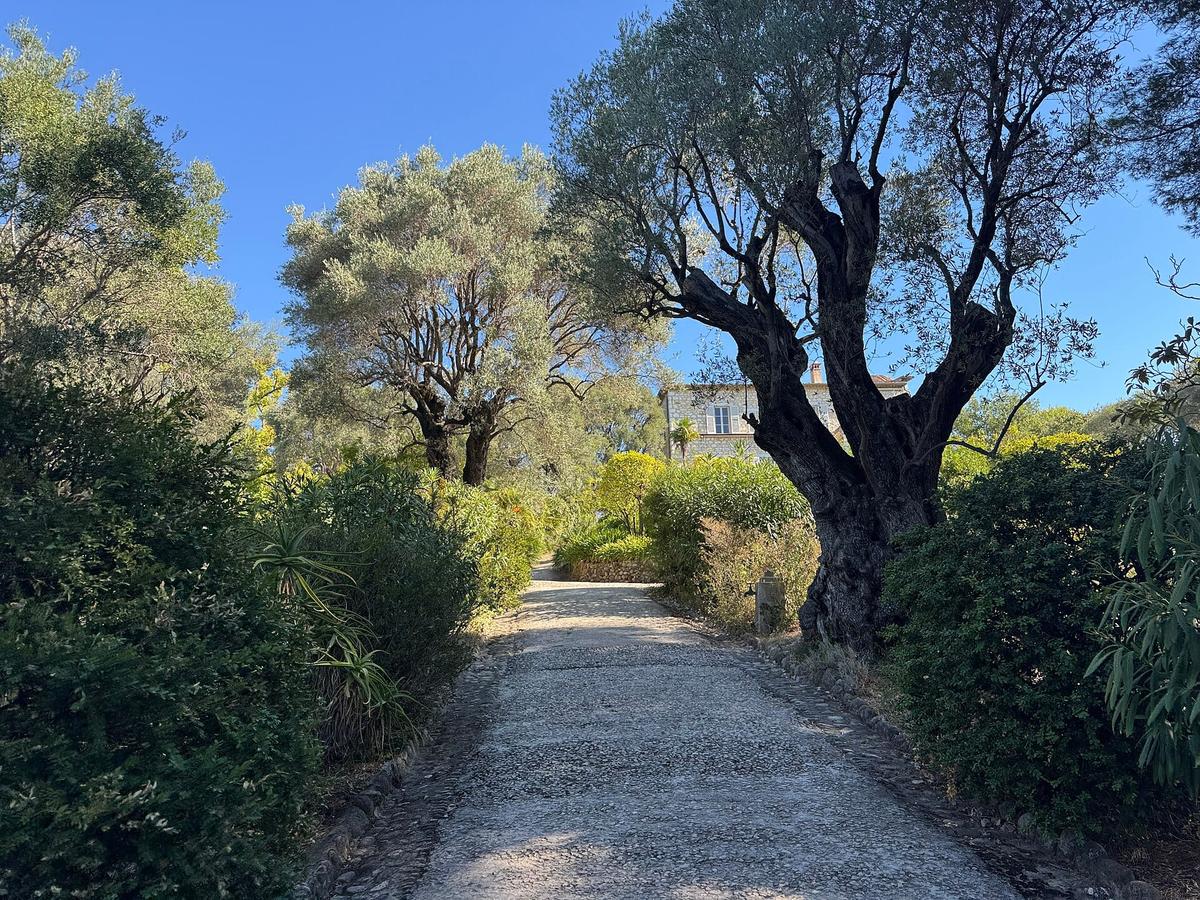
The garden and olive grove. This is the other reason to come. The centuries-old olive trees, the orange trees and the view over Haut-de-Cagnes and the sea are the ones Renoir painted, for example in The Farm at Les Collettes. The garden is a certified LPO bird refuge: 36 bird species have been recorded there.
The garden studio. Renoir also had a studio among the trees. It has been rebuilt exactly as it was and houses a children's area and an exhibition explaining the painter's life and technique.
Visiting with children
The museum is not designed mainly for children, but the estate suits them. The garden lets them run around between rooms, and the garden studio has a space for younger visitors. In summer, the town holds evening events and open-air shows in the garden ("Un soir chez Renoir", "Histoires de Dire", "Déjeuner sur l'Herbe"): the programme is published every year.

A few tips:
- Under-26s go in free, so a family outing mostly costs the price of the adult tickets.
- The estate is on a hill: expect to climb, with or without a pushchair.
- Leave the dog at home: pets are not allowed.
Accessibility
The museum is at the top of a hill and the path climbs between the front desk and the house. An electric shuttle used to take visitors with reduced mobility from the entrance to the museum. The tourist office listed it as temporarily unavailable before the closure. If you need this service, call the museum before you come.
How to get to the Renoir Museum
By car. From the A8 motorway, take exit 47, 48 "Cagnes-sur-Mer", then follow signs for the town centre. On-site parking is free, but spaces are few. In high season, park in a town-centre car park instead, about 10 minutes' walk away.
By train. Cagnes-sur-Mer station is on the Marseille-Nice-Ventimiglia line, served by TER regional trains from Nice, Antibes and Cannes. Nice airport is about 15 minutes away by train or bus. From the station, allow about thirty minutes on foot (30 minutes according to the town), uphill at the end.
By bus. From the town-centre bus station, the museum is about 10 minutes' walk. The Lignes d'Azur network serves Les Collettes with an on-demand line that must be booked. In July and August, the free beach shuttle links the seafront with the bus station.
Renting a car. This is the most flexible way to combine Cagnes, Saint-Paul-de-Vence, the Fondation Maeght and Biot in one day, as buses between these villages are slow.
What to combine it with on the same day
| Also worth seeing | Distance | Travel time |
|---|---|---|
| Fondation Maeght | 7 km | 15 min by car |
| Saint-Paul-de-Vence | 7 km | 15 min by car |
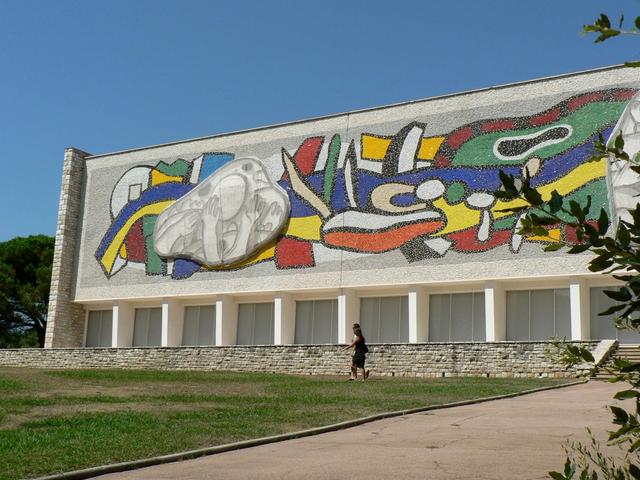
| Fernand Léger Museum Biot | 10 km | 20 min by car |
Approximate road distances and travel times.
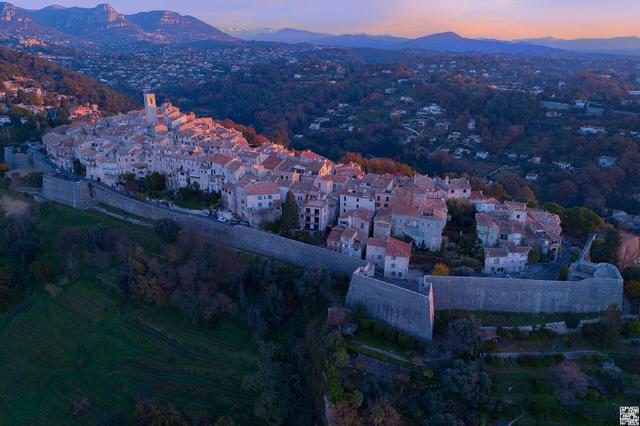
Renoir made Cagnes one of the stops on the painters' trail of the Côte d'Azur. The easiest plan is to head up to Saint-Paul-de-Vence next, a quarter of an hour away, then the Fondation Maeght, just above the village, for 20th-century art. See also: Saint-Paul-de-Vence, Fondation Maeght In Biot, the Fernand Léger National Museum shows a completely different way of painting colour. See also: Fernand Léger Museum Biot
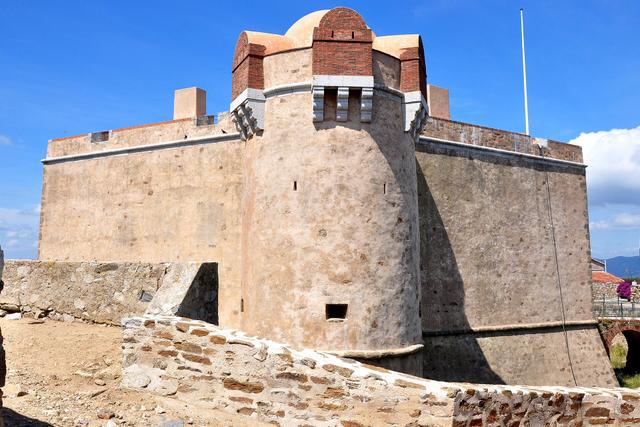
For a whole day of painters, add the Picasso Museum in Antibes, in the Château Grimaldi, or the Matisse and Chagall museums in Nice. Matisse, as it happens, used to visit Renoir at Les Collettes. See also: Picasso Museum Antibes, Matisse Museum Nice, Chagall Museum Nice Further west, the Saint-Tropez Citadel tells the story of the coast's other face, that of its sailors. See also: Saint-Tropez Citadel, French Riviera
Where to eat and stay
The town's website does not list a restaurant on the estate. For lunch, go down to central Cagnes or up to Haut-de-Cagnes, the medieval village around the Château Grimaldi, which has its own restaurants and terraces. The port of Cros-de-Cagnes, on the seafront, is the old fishermen's quarter.
To stay, Cagnes-sur-Mer is a handy base between Nice and Antibes. Its station lets you explore Nice, Antibes or Cannes without a car.
Places to stay near Cagnes-sur-Mer
FAQ
Is the Renoir Museum in Cagnes-sur-Mer open?
No. As of 11 November 2026, it has been closed to the public since the September 2026 theft, and no reopening date has been announced. Check the town's website or call before you come.
Which paintings were stolen from the Renoir Museum?
Four Renoir paintings on loan from the Musée d'Orsay were taken down. The thieves dropped two of them at the scene; the other two, Madame Colonna Romano and Young Woman at the Well, were recovered in October 2026.
How much is a ticket?
€6 full price, free for under-26s and Cagnes residents, €8 with the Château-Musée Grimaldi on the same day.
Which day is the Renoir Museum closed?
Tuesdays, as well as 25 December, 1 January and 1 May, outside the current closure.
How long does the visit take?
The guided tour lasts 1 h. With the garden, allow a morning.
Can I bring my dog?
No, pets are not allowed on the estate.
Practical information
Official ticket-office prices 2026
| Full price | €6 |
|---|---|
| Free | under 26 |
Address
Musée Renoir, domaine des Collettes, 19 chemin des Collettes, 06800 Cagnes-sur-Mer, France
Directions · Phone+33 4 93 20 61 07
On site and nearby
- Nearest shops and pharmacy: Cagnes-sur-Mer, less than 1 km away Straight-line distance, based on OpenStreetMap.
- Emergencies: 112 (all emergencies, free from any phone), 15 (SAMU, medical emergency)
Around the site, on Google Maps
With children
Family days out nearby: Château Grimaldi, Cagnes-sur-Mer (1 km), Escoffier Museum of Culinary Art (3 km), Fondation Maeght (5 km)
Swimming pools and play areas nearby, on Google Maps
Facts checked on 11 November 2026. Sources: ville.cagnes.fr, cotedazurfrance.fr, fr.wikipedia.org, theartnewspaper.com, frequence-sud.fr
Map
In the same region

- National Sports Museumfrom €8Free under 18