Saint-Antoine-l'Abbaye: planning your visit
Saint-Antoine-l'Abbaye Abbey at a glance
- 1 November 2026 to 31 March 2027
- 14:00 – 18:00 (closed on Monday and Tuesday)
- Admission
- Free
- Time needed
- about 1 h 30 min
- Where
- Saint-Antoine-l'Abbaye
Facts checked on 12 November 2026. Full opening hours, reduced prices and access
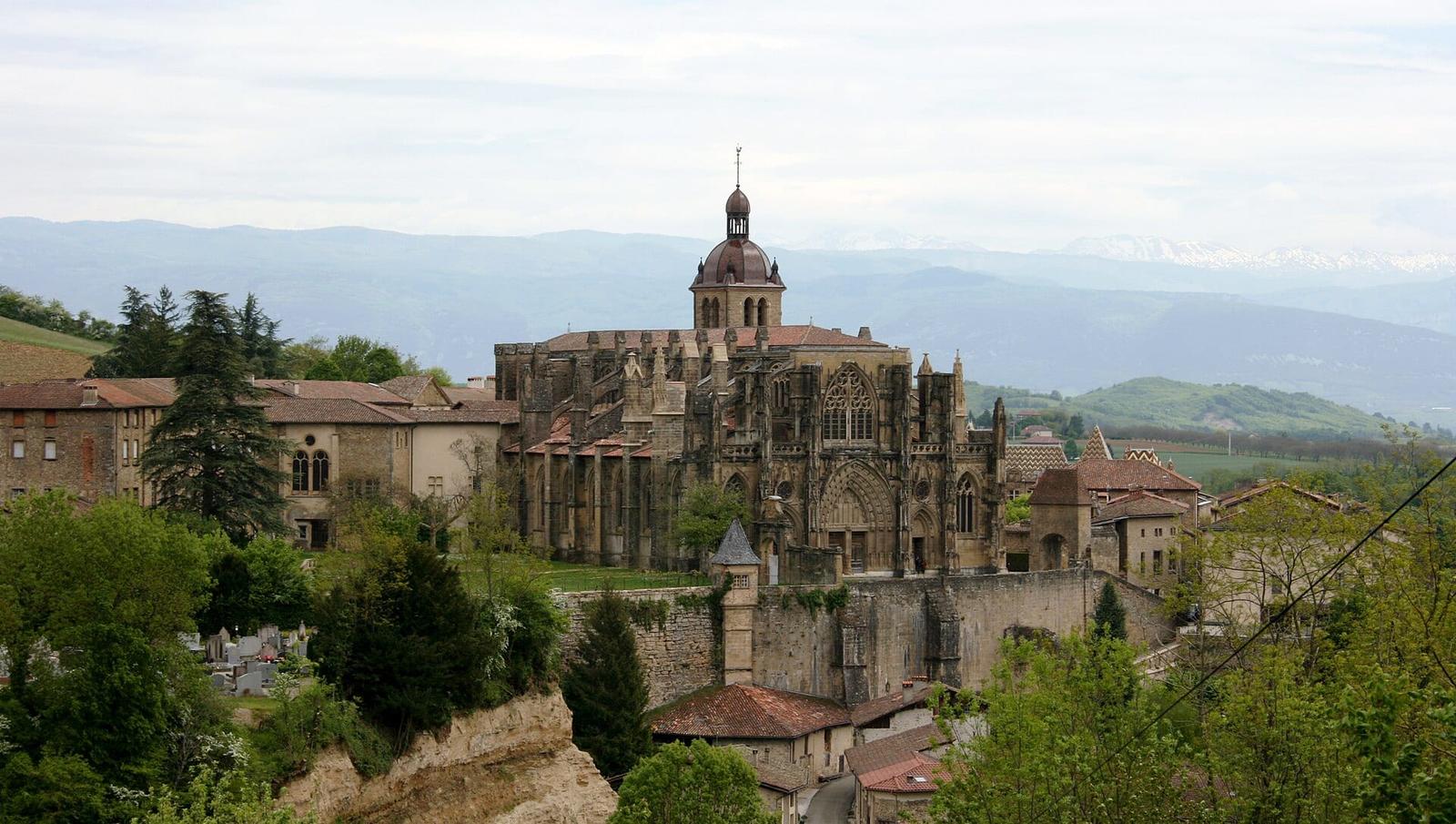

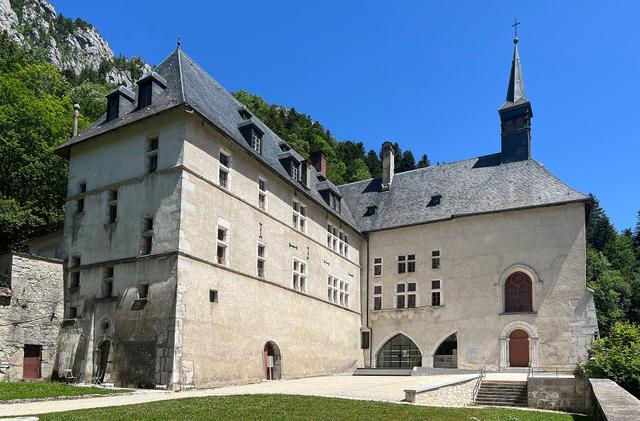
Between Grenoble and Valence, at the foot of the Vercors, the village of Saint-Antoine-l'Abbaye grew up around a huge Gothic church. It held the relics of Saint Anthony, and pilgrims came from all over Europe to pray to him against "St Anthony's fire". The church and the departmental museum are free; the treasury can only be seen with a guide. Here are the opening hours, the tour prices and our tips.
Saint-Antoine-l'Abbaye at a glance
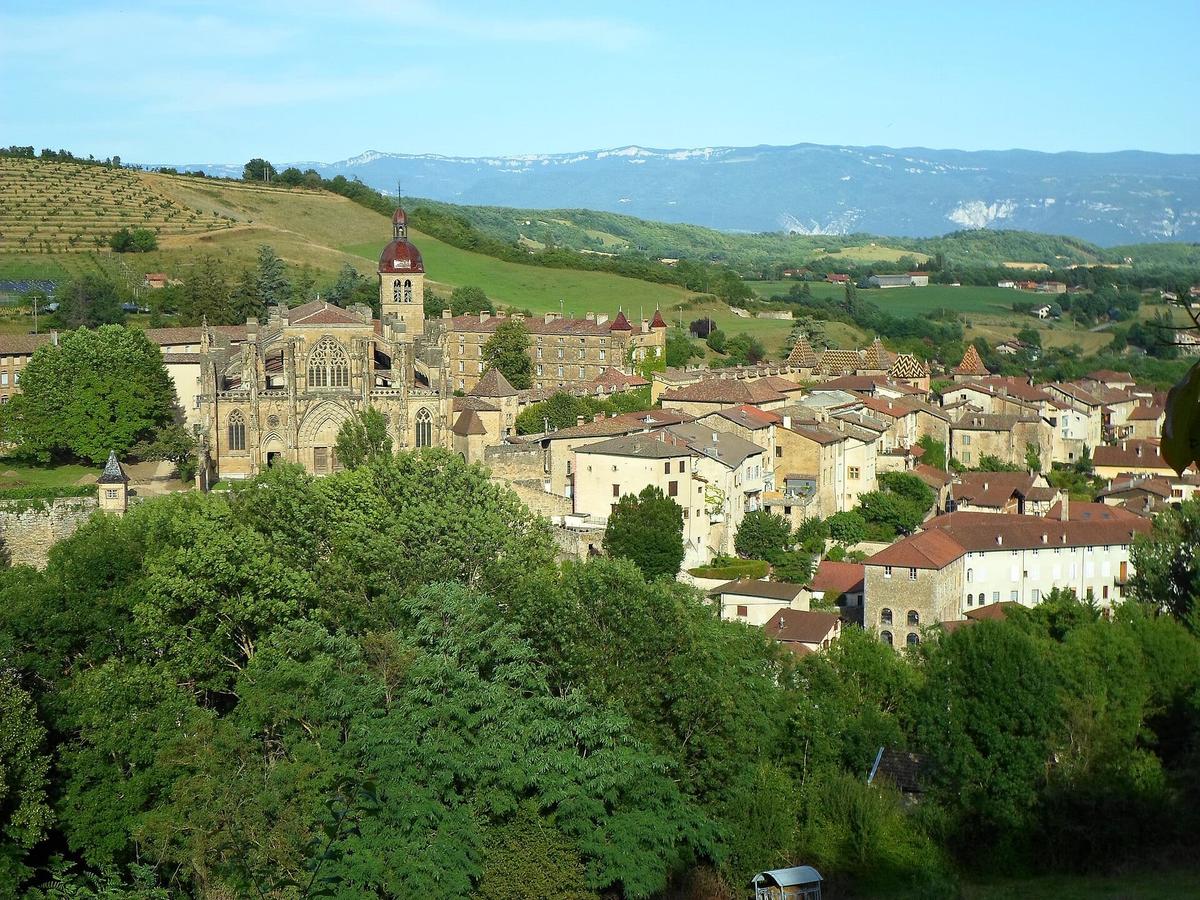
- Where: in Saint-Antoine-l'Abbaye, in the north of the Isère department, about twelve kilometres from Saint-Marcellin. The village is one of the Plus Beaux Villages de France (Most Beautiful Villages of France).
- Price: the abbey church and the museum are free. The guided tour of the church and treasury costs €9 per adult on site (€8 online), free under 12.
- Church: open every day, all year, to visit on your own.
- Museum: closed on Tuesdays; in winter, open only in the afternoon, Wednesday to Sunday.
- Treasury: guided tours only, run by the tourist office.
- Time needed: 90 minutes for the guided tour of the church and treasury, half a day with the museum and the village.
Why visit Saint-Antoine Abbey
The abbey church of Saint-Antoine is one of the largest Gothic churches in the Dauphiné, and it comes as a surprise in a village this size. It was built between the 12th and 15th centuries to receive crowds of pilgrims seeking a cure from the relics of Saint Anthony, the Egyptian hermit.

These sick people suffered from the "mal des ardents", also known as St Anthony's fire. We now know it was ergotism: poisoning caused by ergot, a fungus that grows on rye, which brought burning pain, gangrene and hallucinations. To care for them, laymen founded a hospital order here, the Antonines, which spread across Europe.
Saint-Antoine-l'Abbaye was the mother house of the order for centuries. Today there are three things to visit: the abbey church, its treasury and the departmental museum set up in the old convent buildings. All in a medieval village of sloping streets, best explored on foot.
A short history
Relics brought back from the Holy Land. Around 1074, the knight Jocelin de Châteauneuf went to the Holy Land and brought back relics of Saint Anthony. He died before he could build a great church for them. In 1088, Benedictines from Montmajour Abbey, near Arles, settled here and started a priory.

A nobleman cured, an order founded. In 1089, a young nobleman, Guérin de Valloire, was cured of the "holy fire". He vowed to care for the sick. Around 1095, with his father Gaston, he founded a lay brotherhood, the Frères de l'Aumône (Brothers of Alms), and a hospital next to the priory. This was the beginning of the Antonine order.
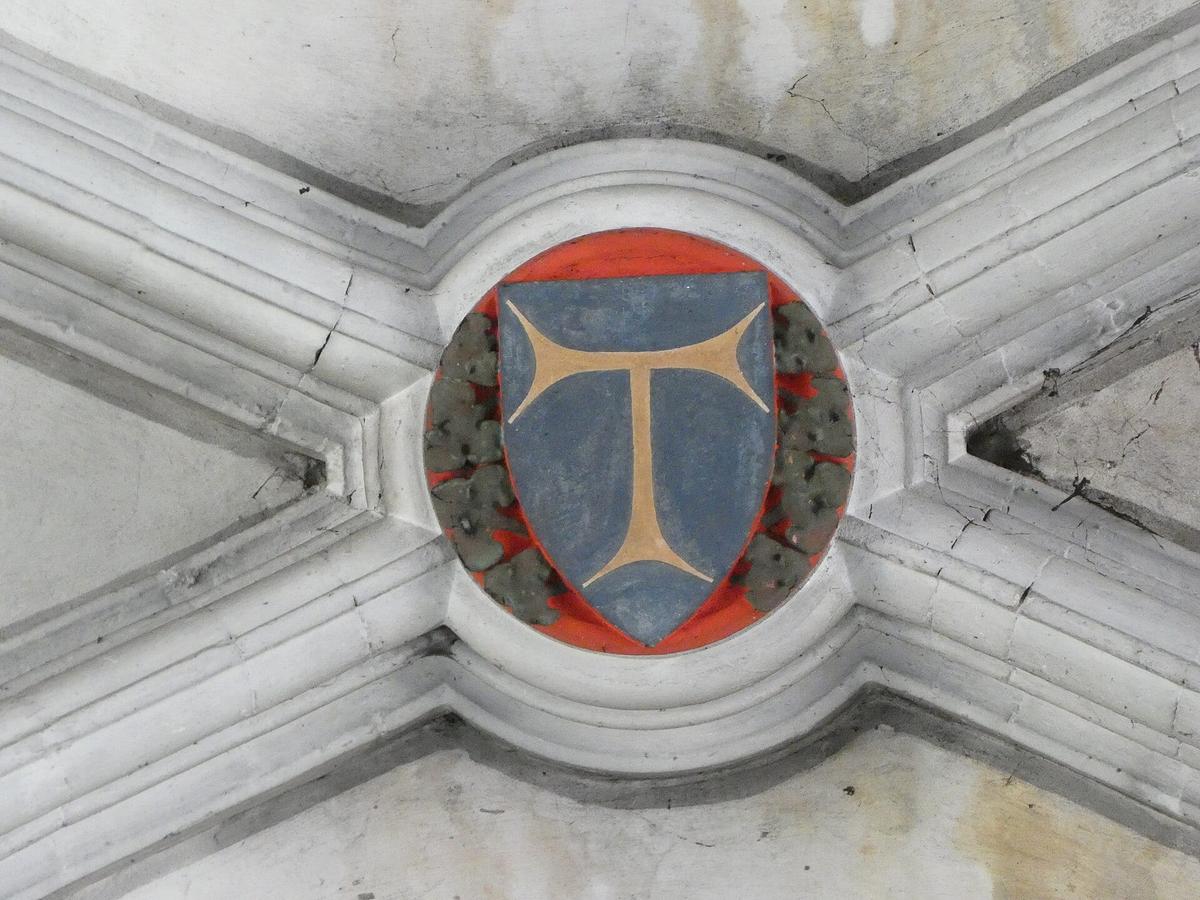
The tau, symbol of the order. Around 1160, the Antonines adopted the tau, a T-shaped cross. You will see it carved and painted all over the church and the village. The brothers gradually broke away from the Benedictines, and the priory became an abbey, head of the order, under Pope Boniface VIII at the end of the 13th century.
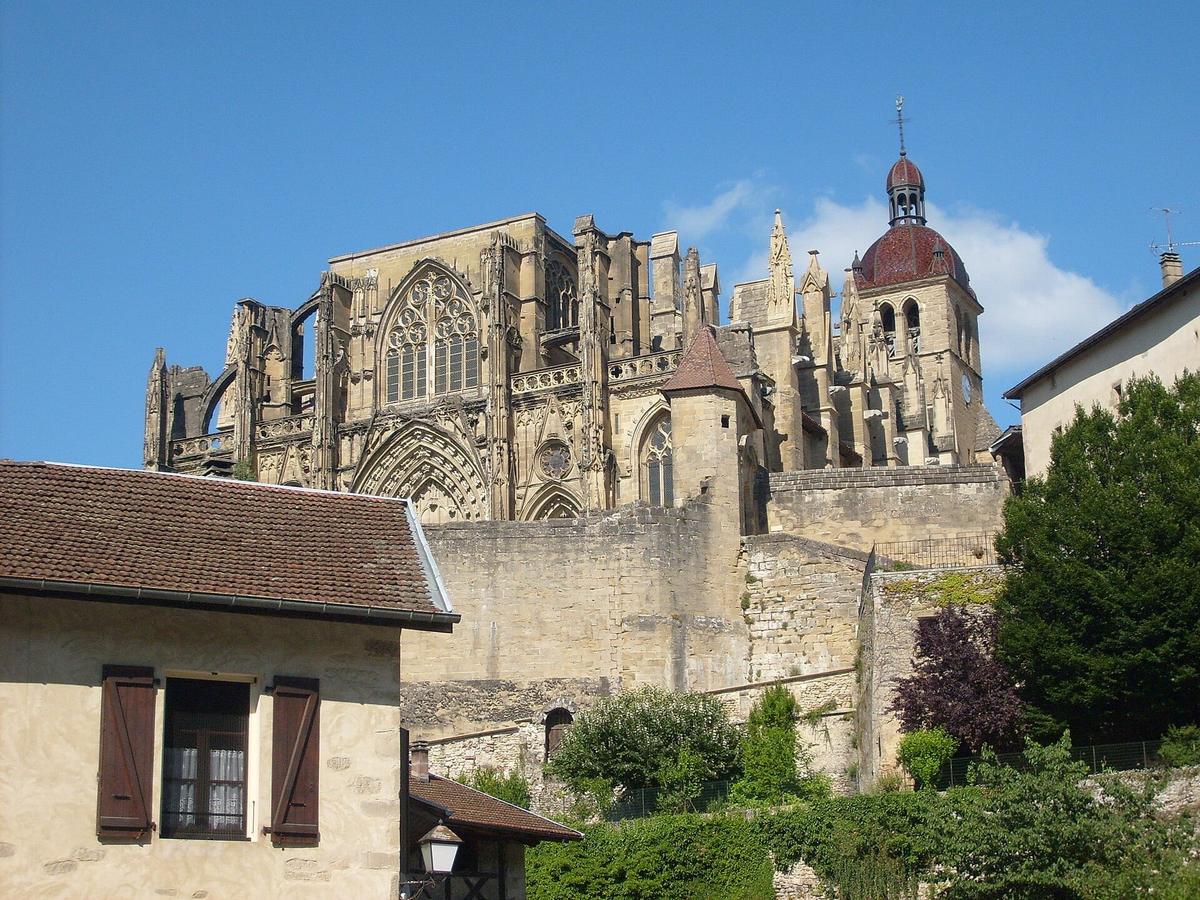
Two centuries of building. The east end of the great church was finished around 1342. Vaulting of the nave began in 1400. The Flamboyant facade, with its three portals, was completed in the mid-15th century.
The Wars of Religion. The Protestant troops of the Baron des Adrets looted the treasury, smashed the statues on the portal and destroyed the saint's shrine. In 1567, the roof and bell tower burned: the spire was lost and the facade was left "beheaded", which explains its rather truncated look today.
Rebuilding in the 17th century. The Antonines rebuilt the treasury with relics and precious objects. In 1630 they ordered 87 choir stalls, a black marble high altar, a series of tapestries and large paintings for the chapels. In 1648, a local baron gave a new shrine covered with silver plates.
The end of the order. In 1777, the Antonine order was merged into the Order of Saint John of Jerusalem, the Order of Malta. During the Revolution, the convent buildings were sold off as state property. The church was listed as a historic monument as early as 1840, thanks to Prosper Mérimée, and the whole abbey in 1981.
Is entry free?
Mostly, yes. The abbey church is open to all, free of charge, every day. The departmental museum of Saint-Antoine-l'Abbaye is free too, exhibitions included, except where stated for some workshops or shows.
Only the treasury costs money, because you can only see it with a tourist office guide, as part of a tour of the church.
How much do the guided tours cost?
2026 prices published by the Saint-Marcellin Vercors Isère tourist office. The first price is what you pay on the spot, the second the price when you book online on the office's website.
Abbey church and treasury (90 minutes):
- Adult (18 and over): €9, or €8 online.
- Reduced rate: €6, or €5 online.
- Family (2 adults and 2 teenagers): €25, or €22 online.
Costumed and evening tours: €11 per adult (€10 online), €8 reduced (€7 online), €30 for a family (€28 online).
Village tour: €8 per adult (€7 online), €5 reduced (€4 online), €22 for a family (€20 online).
Who pays less? The reduced rate applies to ages 12 to 18, to students and jobseekers with proof, and to disabled visitors. Children under 12 go free.
Our tip: book on the tourist office website. You save €1 per adult, and groups for the church and treasury are capped at 18 people: in high summer, tours can sell out.
Do you need to book?
For the church and the museum, no: just walk in during opening hours.
For the treasury, you need a guided tour ticket. You can buy it at the Saint-Antoine-l'Abbaye tourist information office, at the Pont-en-Royans office or online. Tours start from the village information office. As places are limited, booking is wise in July and August. The office also advises calling to check that a tour is going ahead.
Groups can book a tour of the church and treasury all year round.
Opening hours 2026
The abbey church is open every day:
- 1 June to 30 September: 7:30 – 20:00.
- Rest of the year: 7:30 – 18:00.
It is a parish church: avoid walking around during services.
The departmental museum:
- April to October: 10:30 – 12:30 / 14:00 – 18:00, every day except Tuesday.
- November to March: 14:00 – 18:00, Wednesday to Sunday.
- Exceptional closures: 1 May, 25 December and 1 January.
Guided tours in summer 2026:
- Church and treasury: at 15:00, on Tuesdays from 7 July 2026 to 25 August 2026, and on Saturdays and Sundays from 11 July 2026 to 27 September 2026.
- Village: Wednesdays at 11:00, in July and August.
- Evening storytelling tour: Wednesdays at 21:00, from mid-July to mid-August.
Outside summer there are fewer tours for individual visitors, and the next season's programme is published in spring by the tourist office. In 2026, no guided tours ran during the medieval festival in early August or during the European Heritage Days, which have their own programme.
Our tip: in November, the museum only opens in the afternoon. Come after lunch: you will see the church and the museum in one visit, before nightfall.
How long does it take?
- The church alone, on your own: enough time to go round the nave, the chapels and the facade, without the treasury.
- The guided tour of the church and treasury: 90 minutes.
- The museum: its two permanent displays and the current exhibition can be seen at an easy pace in an afternoon.
- The village: a stroll through the lanes on your own, or the 60-minute guided tour in summer.

With all that, Saint-Antoine-l'Abbaye easily fills half a day, or a full day with lunch in the village.
What to see in the abbey church
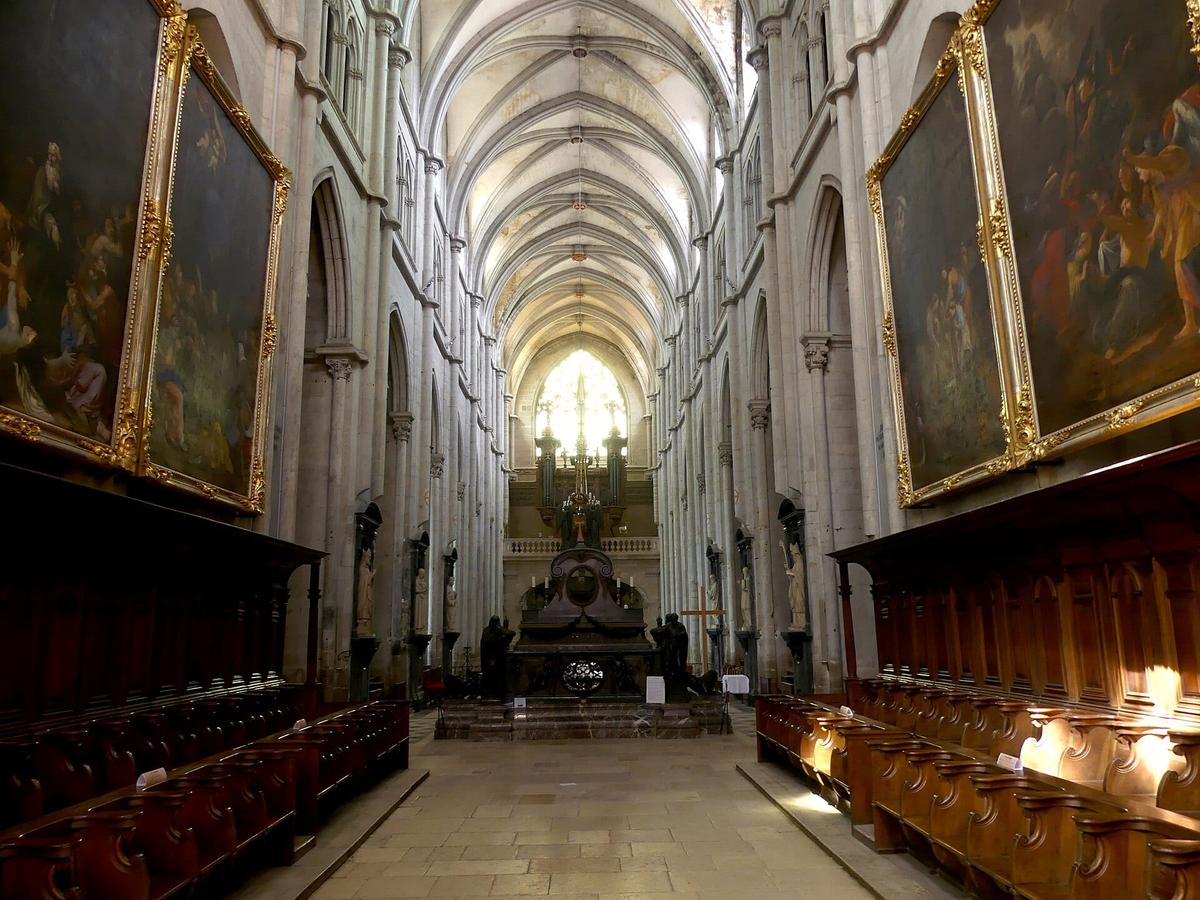
The Flamboyant Gothic facade. Flat and without a tower, it lines up three portals beneath a balustrade. The central portal lost some of its statues in the Wars of Religion. Above it, a large Flamboyant window echoes the design of Saint-Maurice Cathedral in Vienne.
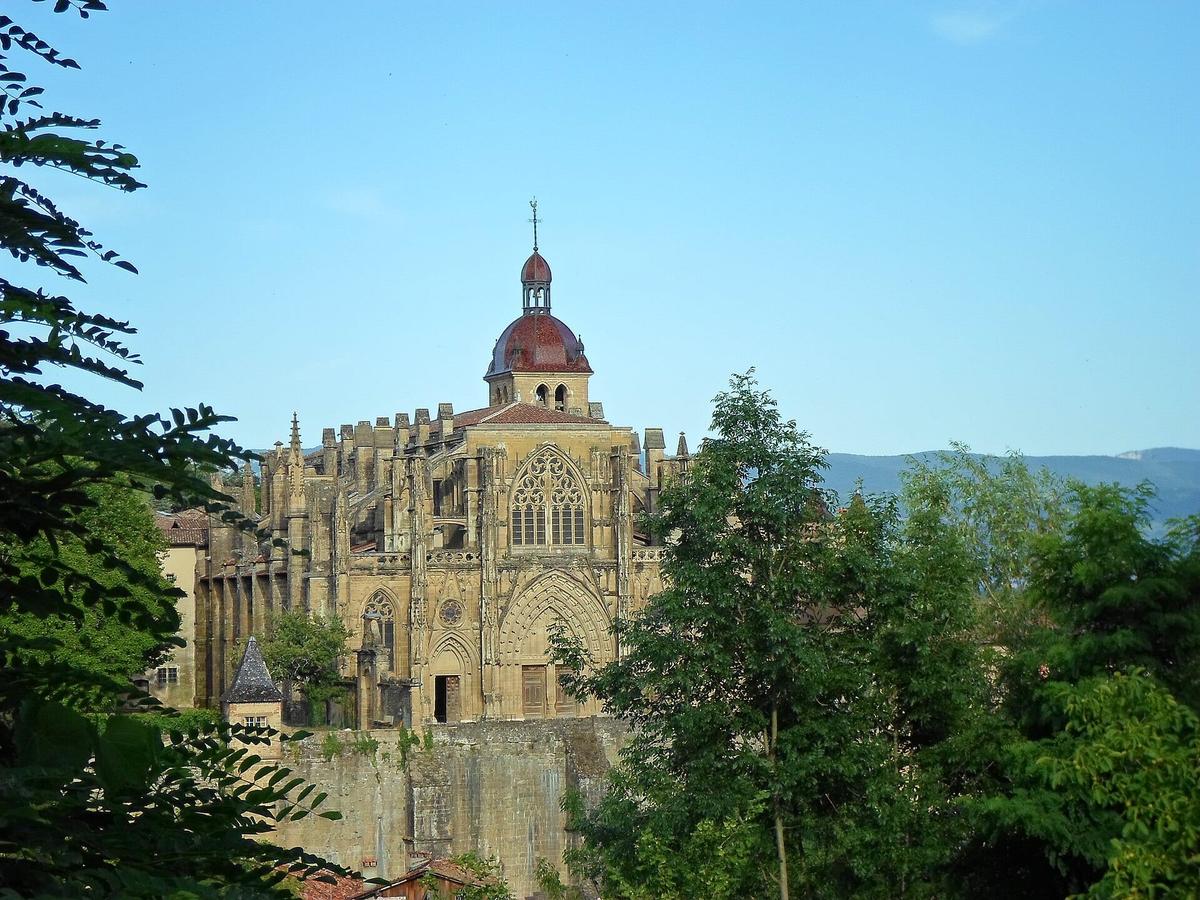

The nave. It has seven bays, flanked by aisles opening onto square chapels. Take the time to walk up to the choir to get a sense of the building's length.
The wall paintings. In the second chapel on the north side, founded around 1400, a set of frescoes shows Saint Christopher, a Crucifixion with the donor presented by Saint Anthony, and Saint Michael weighing souls. Look at the scales: they tip towards the bad deeds.
The choir. The carved stalls of 1630, the black marble high altar ordered in 1667 and the tapestries of the story of Joseph make up a complete 17th-century setting.
The organ. Facing the nave, the organ by Jérémie Carlin, installed around 1680 on a gallery of 1639, has 44 stops. A curious detail: it was taken down in 1806 and moved to Grenoble, to the church of Saint-Louis. It only came back to Saint-Antoine between 1990 and 1992.
The shrine of Saint Anthony. The large silver-clad reliquary, given in 1648, is the heart of the pilgrimage.
The abbey treasury
The tourist office describes it as the second-largest collection of reliquaries in France. It holds about 350 objects spread over three chapels: reliquaries, an ivory Christ, antiphonaries, surgical instruments that recall the Antonines' medical role, and liturgical vestments stored in a revolving cope chest, a large pivoting cupboard designed so the copes did not have to be folded.
The original treasury was looted in the 16th century. What you see today was put back together by the Antonines in the 17th century.
Partner links: if you book through these links, we earn a commission at no extra cost to you. Partner links · Learn more
The Saint-Antoine-l'Abbaye museum
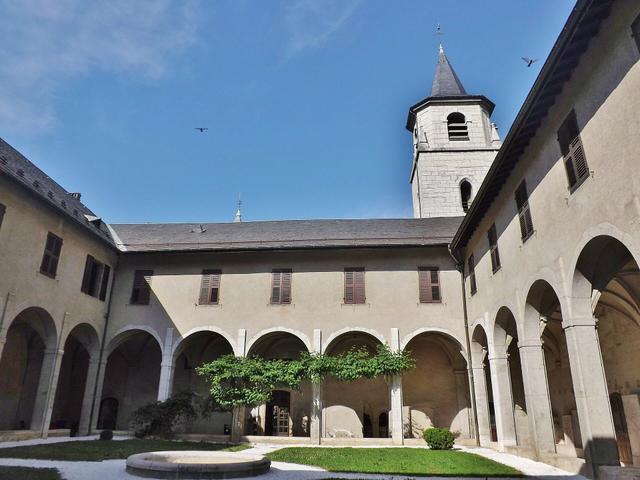
The Isère departmental museum occupies the Novitiate and other 17th- and 18th-century convent buildings. It tells the story of the Hospitallers of Saint Anthony, their cures based on plants and perfumes, and the history of gardens. Two permanent displays are joined each season by a temporary exhibition, also free.
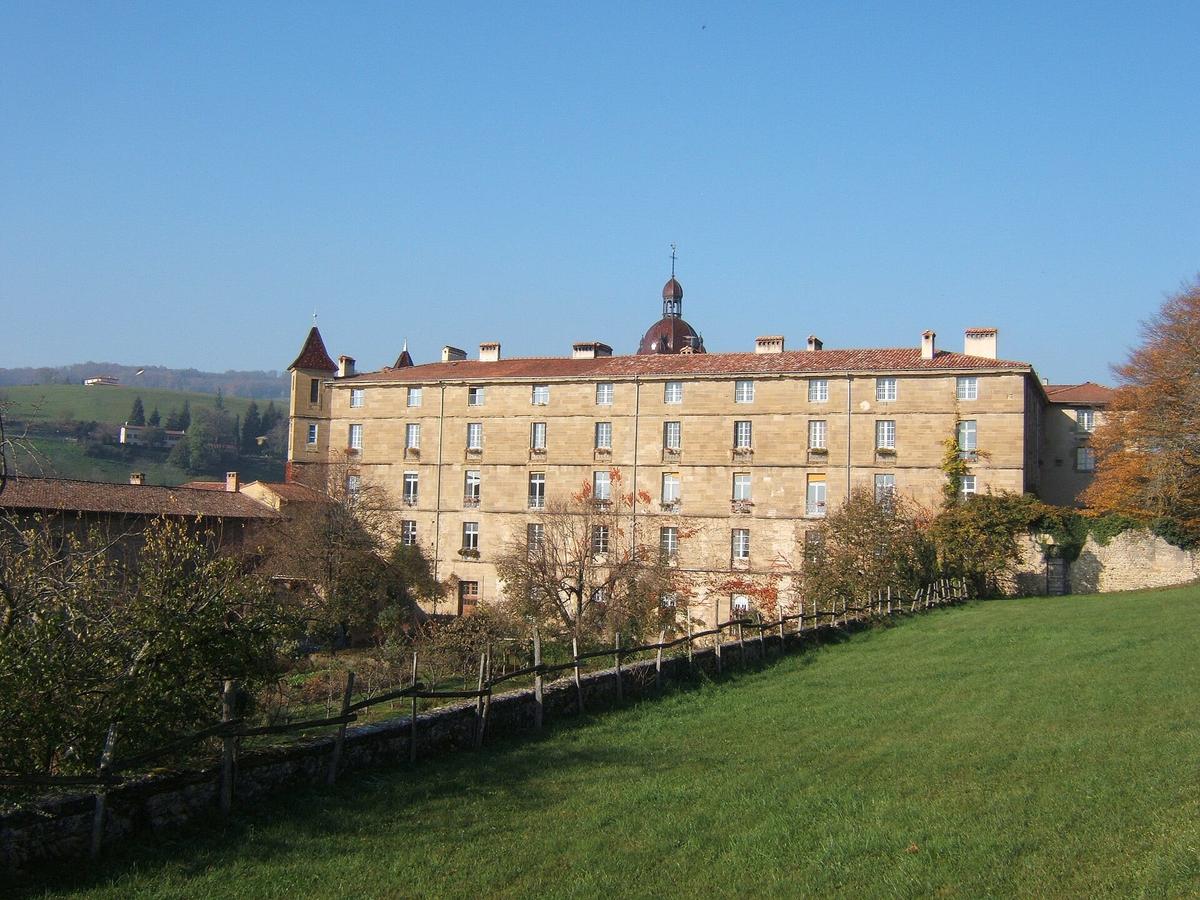

It makes a good complement to the church: you learn how the Antonines treated the sick, especially with plants.
Visiting with kids
In summer, the tourist office runs a costumed tour on medieval medicine, "Saint-Antoine te guérira… S'il le veut !" (Saint Anthony will heal you… if he wants to!), lasting 90 minutes. It is the liveliest option for children. The evening storytelling tour on Wednesdays also appeals to older children.

Children under 12 do not pay for guided tours, and the museum is free for everyone: a family day out on a small budget.
The one drawback: the costumed, evening and village tours are not suitable for pushchairs.
Accessibility
The museum is accessible to people with reduced mobility, with a lift, except for the Logis de l'Abbé (the abbot's lodging). Of the guided tours, only the church and treasury tour is accessible; the others follow the village's sloping streets. Animals are not allowed in the museum.
How to get to Saint-Antoine-l'Abbaye
By car. This is the easiest way. Saint-Antoine-l'Abbaye is about an hour from Grenoble and from Valence, via the A49, leaving at the Saint-Marcellin exit. Car parks, including one for coaches, are at the entrance to the village. The streets in the centre are narrow and steep: park at the bottom and walk up.
By train. The nearest station is Saint-Marcellin, on the Grenoble to Valence line. That still leaves about twelve kilometres with no convenient connection: plan on a taxi.
Car hire. Grenoble is the best starting point for combining Saint-Antoine, the Vercors and the Chartreuse.
What to combine it with
| Also worth seeing | Distance | Travel time |
|---|---|---|
| Choranche Caves | 33 km | 40 min by car |
| Chartreuse Cellars | 50 km | 45 min by car |
| Musée Dauphinois | 65 km | 55 min by car |
Approximate road distances and travel times.
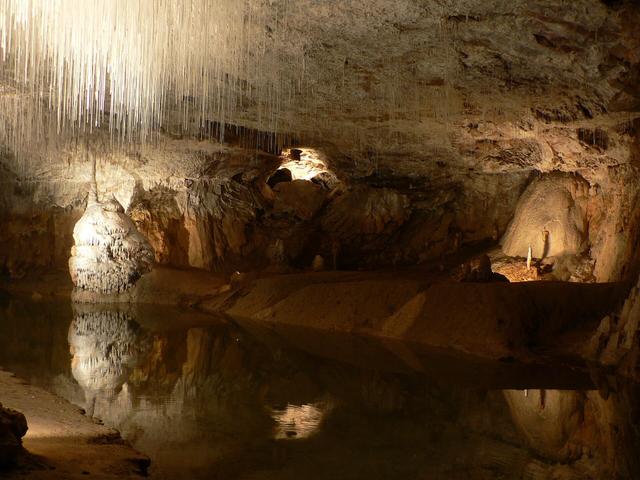
The Choranche caves, in the Vercors, are forty minutes away: their straw stalactites make a perfect contrast with the abbey church. See also: Choranche Caves Heading back towards Grenoble, the Chartreuse cellars in Voiron tell another monastic story, that of the Carthusian monks' liqueur. See also: Chartreuse Cellars, Grande Chartreuse Museum In Grenoble, the Musée Dauphinois, housed in a former convent, rounds off the day. See also: Musée Dauphinois
For another great abbey in the Rhône-Alpes area, Ambronay Abbey, in the Ain, has kept its Gothic cloister. See also: Ambronay Abbey, Musée de Grenoble, Grenoble Bastille, Château de Vizille, French Alps
Where to eat and stay
The village has a few restaurants around the abbey, and there is a picnic area near the church. For more choice, Saint-Marcellin, home of the cheese of the same name, is a quarter of an hour away.
To stay, Saint-Marcellin and the villages of the Sud-Grésivaudan have hotels and B&Bs. It is also a good base for the Vercors.
Places to stay near Saint-Marcellin
FAQ
Is Saint-Antoine Abbey free?
Yes, the abbey church and the departmental museum are free. Only the treasury costs money, as it can only be seen with a guide: €9 per adult on site, €8 online.
What are the abbey church's opening hours?
It is open every day, 7:30 – 20:00 from 1 June to 30 September, and 7:30 – 18:00 the rest of the year.
Is the Saint-Antoine-l'Abbaye museum open in winter?
Yes, from November to March, in the afternoon (14:00 – 18:00), Wednesday to Sunday. It is closed on 25 December and 1 January.
How long does the treasury tour take?
The guided tour of the church and treasury lasts 90 minutes.
What was St Anthony's fire?
A medieval disease caused by ergot, a fungus on rye, which brought burning pain and gangrene. Sufferers came to pray to Saint Anthony and to be cared for by the Antonines.
Can I bring a dog?
Animals are not allowed in the museum.
Practical information
Opening hours 2026
| 1 April 2026 to 31 October 2026 | 10:30 – 12:30, 14:00 – 18:00 (Closed: Tuesday) |
|---|---|
| 1 November 2026 to 31 March 2027 | 14:00 – 18:00 (Closed: Monday and Tuesday) |
Closed: 1 May, 25 December, and 1 January
Official ticket-office prices 2026
Free admission
Address
Église abbatiale, 38160 Saint-Antoine-l'Abbaye, France
Directions · Phone+33 4 76 38 53 85
On site and nearby
- On site: Toilets and picnics allowed
- Nearest shops and pharmacy: Saint-Antoine l'Abbaye, less than 1 km away Straight-line distance, based on OpenStreetMap.
- Emergencies: 112 (all emergencies, free from any phone), 15 (SAMU, medical emergency)
Around the site, on Google Maps
With children
Family days out nearby: Palais idéal du Facteur Cheval (Ideal Palace) (17 km), Choranche Caves (18 km), Cité du Chocolat Valrhona (31 km)
Swimming pools and play areas nearby, on Google Maps
Facts checked on 12 November 2026. Sources: tourisme.saintmarcellin-vercors-isere.fr, alpes-isere.com, tourisme.saintmarcellin-vercors-isere.fr, alpes-isere.com, fr.wikipedia.org, en.wikipedia.org, alpes-isere.com
Map
In the same region