Grenoble Bastille: planning your visit
Grenoble Bastille at a glance
- Admission
- Free
- Visitors per year
- about 357,000 (2025)
- Where
- Grenoble
Facts checked on 29 October 2026. Full opening hours, reduced prices and access
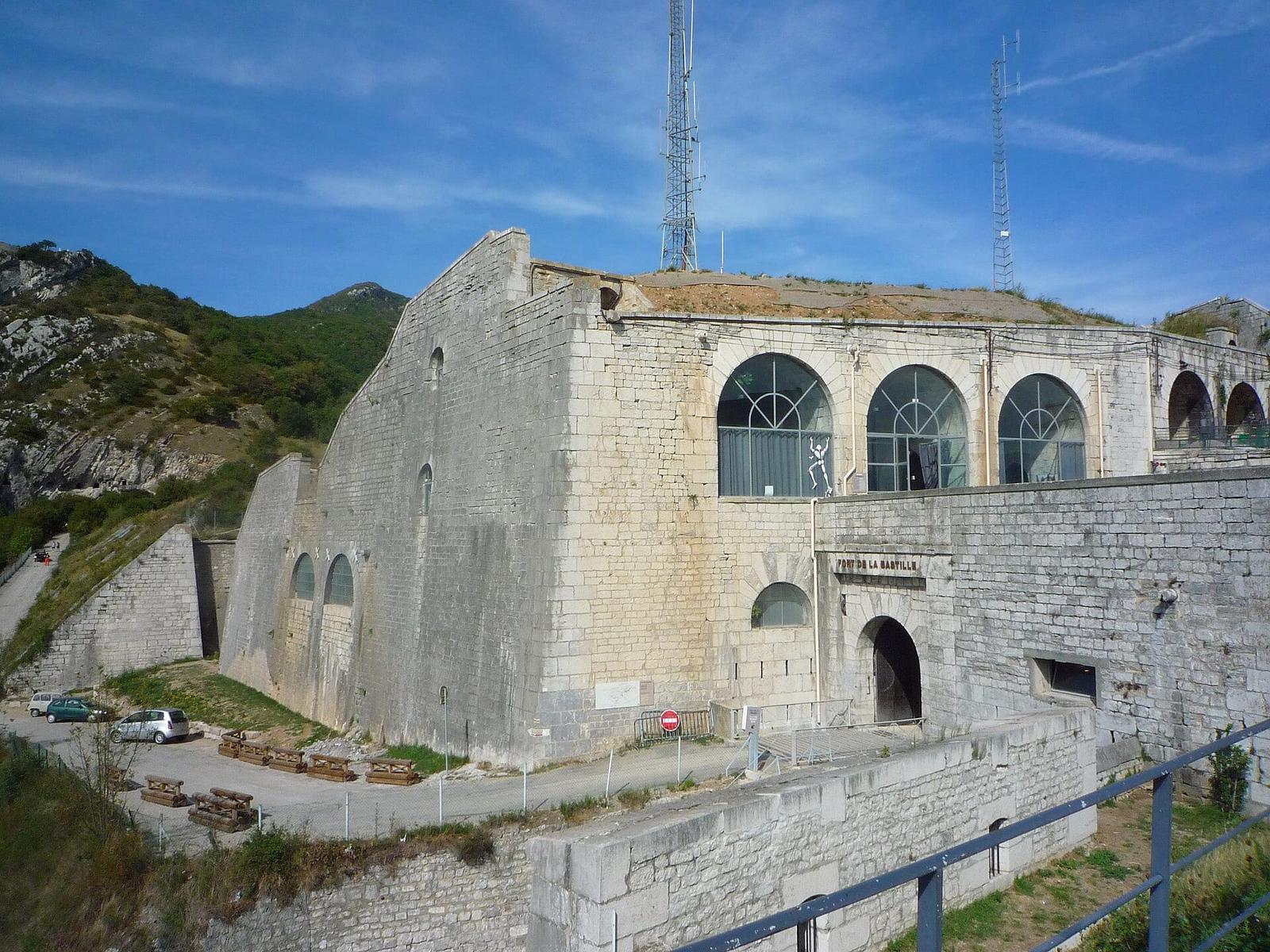
High above Grenoble, the Bastille fort gives the best view of the city and the Alps. You get there on foot or in the famous "bubbles", the round cabins of one of the oldest urban cable cars in the world. The fort is free to enter; only the cable car costs money. Here are the prices, opening hours, the annual closure and our tips for making the most of the hill.
Grenoble Bastille at a glance
- Where: on the hill above Grenoble, north of the Isère river. The cable car leaves from Quai Stéphane-Jay, in the city centre.
- Price: the fort and the hill are free. The cable car costs €9.80 return and €6.50 one way for an adult.
- Open: the site is open all year; the cable car closes every winter for maintenance (from 5 January 2026 to 6 February 2026 in 2026).
- Time needed: half a day to go up, walk round the fort and enjoy the view without rushing.
- Best for: everyone. Children love the bubbles, walkers go up on foot.
Understanding the Grenoble Bastille
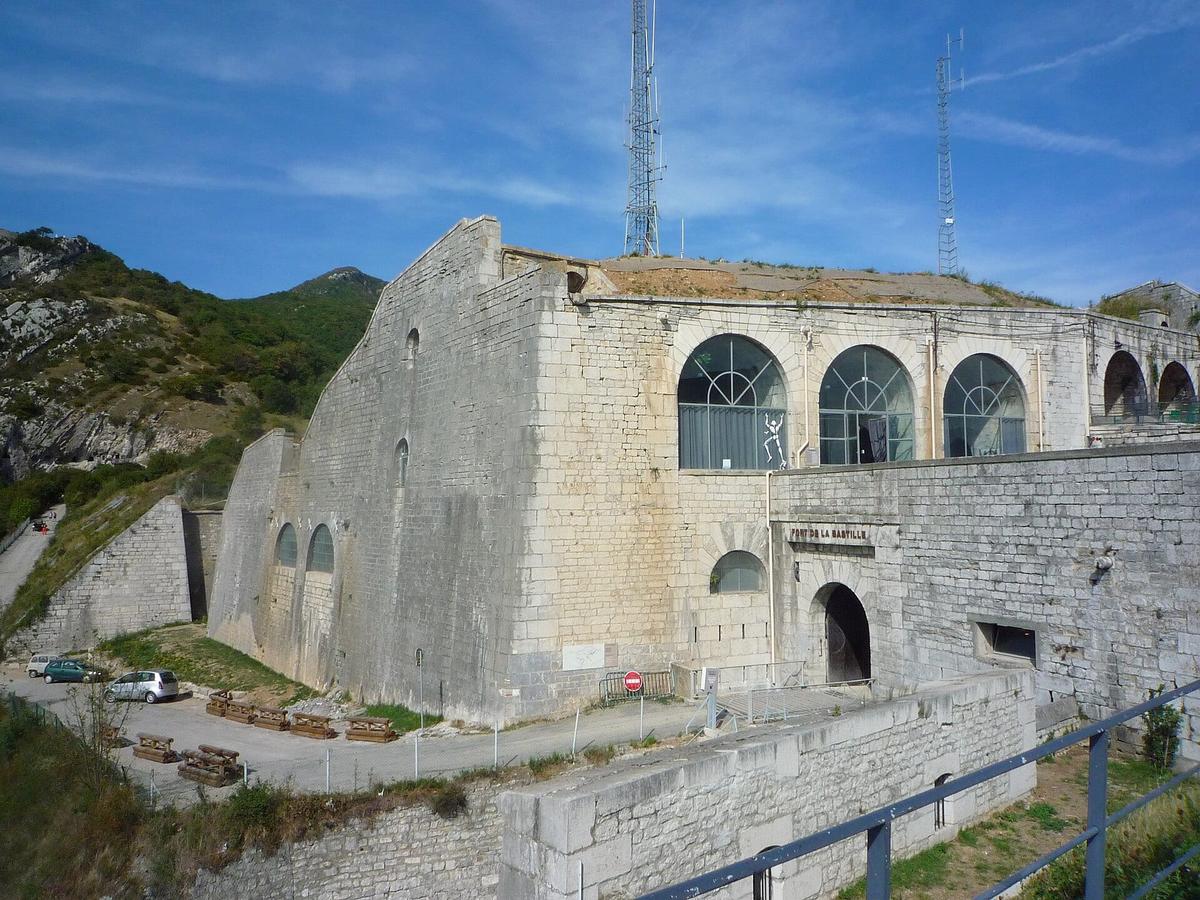
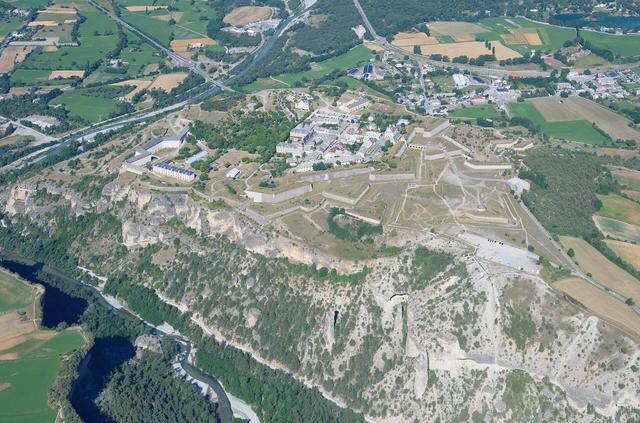
The Bastille is not a castle but a military fortification. A first bastille was completed in 1592 under Lesdiguières, who had just taken Grenoble after a siege of more than three weeks. In 1692, Vauban inspected the city's defences and found those of the Bastille weak, unfinished and poorly maintained.
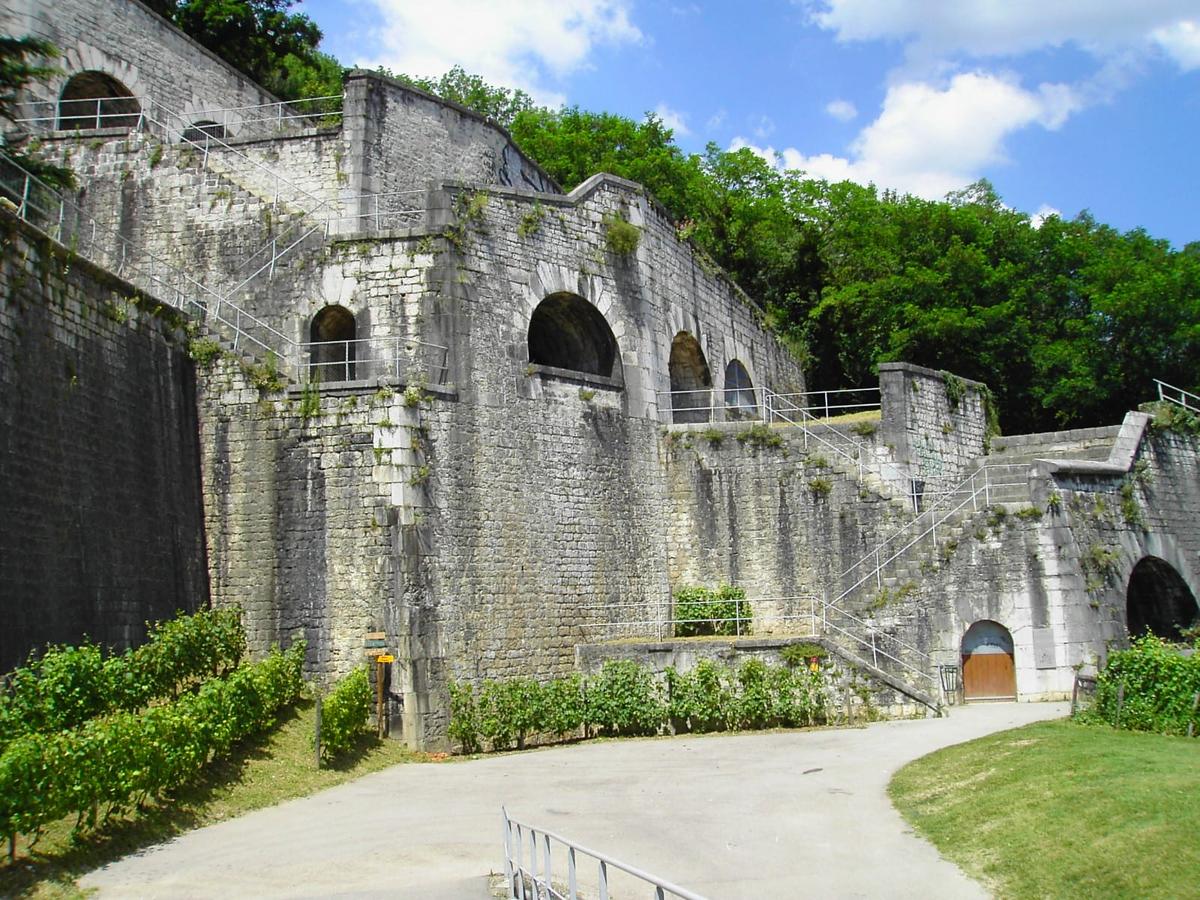
The fort you see today dates from the 19th century. General Haxo started work in 1824, and the project was finished in 1847, twenty-three years later. He built the fort, the barracks, then the Rabot fort, linked by stairways and walls that run down to the city.
The top of the fort stands at 476 metres, 264 metres above the valley floor. The site covers 30 hectares of public land, with fortifications, trails and gardens.
How much does the Grenoble Bastille cost?
The fort is free. You can walk up, wander through the fortifications and enjoy the terraces without paying anything. Only the cable car, some activities and the restaurants cost money.
2026 cable car fares (the "bubbles"):
- Adult: €9.80 return, €6.50 one way.
- Child aged 5 to 15: €5.10 return, €3.70 one way.
- Over-75s, people on RSA income support, disabled visitors: €5.10 return, €3.70 one way.
- Students and low-income rate: €6.30 return, €4.50 one way.
- Free: children under 5, on a family outing.
Proof is required for reduced fares. For a disabled visitor, the companion pays the same fare if the disability card states that they need assistance.
An annual pass costs €60 for an adult and €45 for a child. It is personal and valid for one year from purchase. If you live in Grenoble or are staying several weeks, it pays for itself after about seven return trips.
Our tip: buy a one-way ticket up and walk back down. The descent by the trails and stairs is the nicest part, and it takes you past the fortifications and gardens.
Cable car opening hours and annual closure
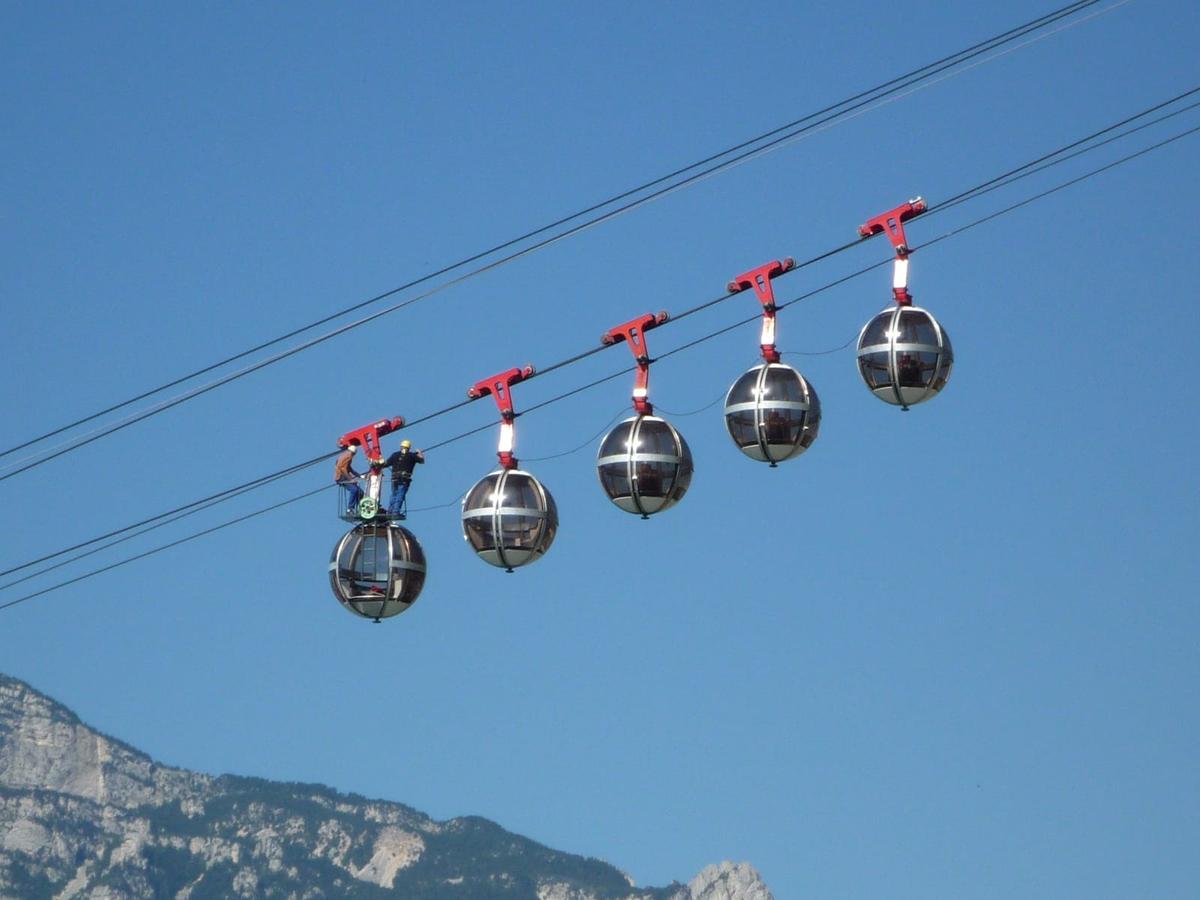
Cable car hours change every month. Cabins leave every 5 to 10 minutes, and the last trip up leaves 15 minutes before closing.
For the end of 2026, the timetable published by the cable car operator is as follows:
- October: 9:15 – 19:00 on Wednesdays and Sundays, until midnight from Thursday to Saturday (9:15 – 0:00), later opening on Tuesdays. No service on Mondays outside French school holidays.
- November: 11:00 – 19:00 on Wednesdays, Thursdays and Sundays, 11:00 – 0:00 on Fridays and Saturdays. No service on Mondays and Tuesdays, except on special dates such as 1 November.
- December: 11:00 – 19:00 from Tuesday to Thursday and on Sundays, 11:00 – 0:00 on Fridays and Saturdays. Special openings on some holiday Mondays, including 25 December.
Check the official website before you come: spring and summer hours are longer, and extra hours are added during school holidays.
The annual closure. The cable car stops every winter for several weeks of maintenance. In 2026, it closed from 5 January 2026 to 6 February 2026 and reopened on 7 February 2026. Teams check the cables, pulleys and brakes, then state inspectors test the system before it goes back into service. During that time, you can still walk up the hill. The dates of the early 2027 closure had not been published when we checked: look at the official website if you are coming in January or February.
Work in progress. In autumn 2026, the top of the Sentier des Dauphins trail is closed on weekdays for maintenance. The public toilets at the Bastille were renovated early in the year, with temporary toilets outside the fort during the work.
Do you need to book the cable car?
No, tickets are sold at the lower station. Cabins follow each other every few minutes and the ride is quick. The wait can get longer on sunny weekends, on holiday afternoons and in the evening in summer, when people go up for the sunset.
Our tip: go up on a weekday morning. The queue is short, the light comes from the east, and the mountains look sharper before the heat haze rises from the valley.
How long does it take to visit the Bastille?
The bubble ride only takes a few minutes. At the top, allow an hour to walk round the fort and the terraces, two hours if you visit the Mountain Troops Museum or have lunch up there.
If you walk up or down, plan on half a day. Keen walkers can carry on to Mont Jalla, at 630 metres, about 30 minutes' walk above the fort.
How to get to the Grenoble Bastille
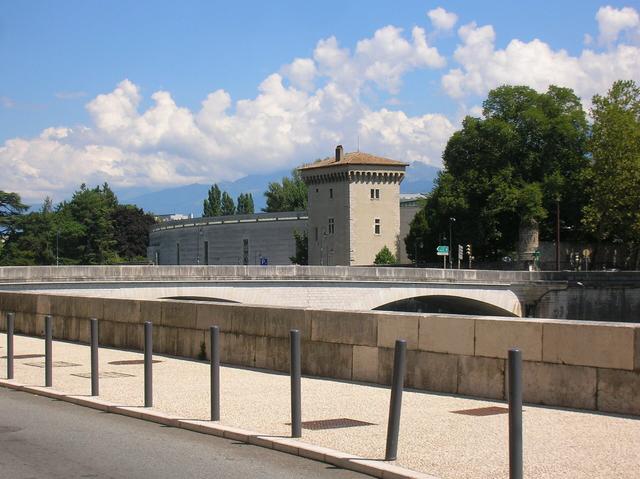
By cable car. The lower station is on Quai Stéphane-Jay, on the bank of the Isère, a few minutes' walk from Place Grenette and the historic centre. From Grenoble railway station, the tram takes you closer to the centre, and the walk to the quay then takes a few minutes. If you fly in, Lyon Saint-Exupéry is the closest major airport, with direct buses to Grenoble.
On foot. Several trails and stairways climb from the city, especially from the Saint-Laurent district and the Jardin des Dauphins. The climb is steep: the fort stands 264 metres above the valley. Wear good shoes and bring water in summer, as part of the path is in full sun.
By car. The easiest option is to park in town and finish by cable car or on foot.
Renting a car. Grenoble is a good base for the Vercors, the Chartreuse and Lac du Bourget. A car lets you combine the Bastille with the Choranche caves or Hautecombe Abbey in the same trip.
Partner links: if you book through these links, we earn a commission at no extra cost to you. Partner links · Learn more
What to see at the Bastille
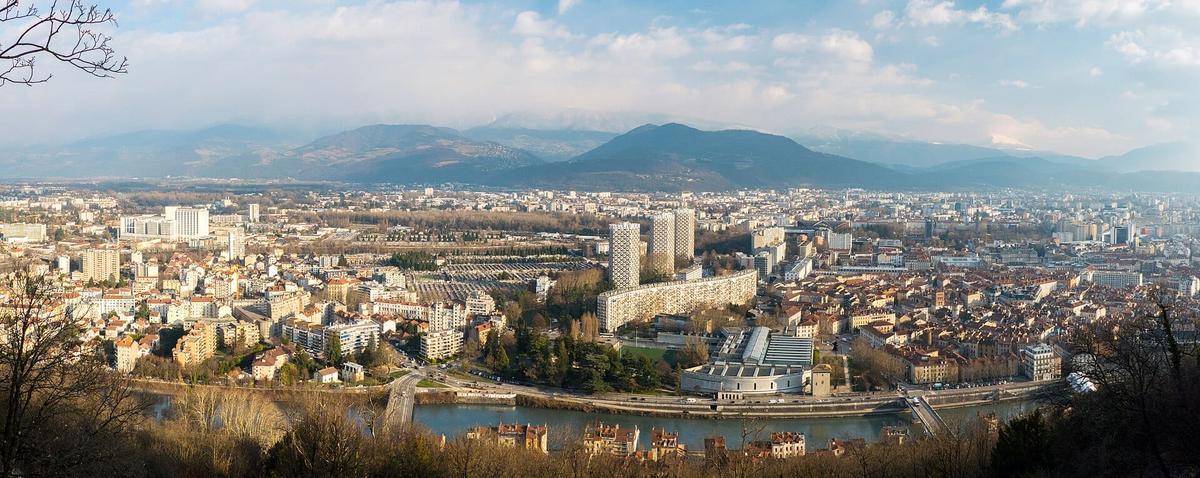
The view. This is the main reason to go up. From the terraces you can see the whole city, the Isère river and, all around, the Vercors, the Chartreuse and the Belledonne range. On a clear day, the view stretches far towards the snowy peaks.
The fortifications. You can walk freely along Haxo's stairways, casemates and walls. A curtain wall about 500 metres long links the two sides of the fort. If you walk down, you follow these defences all the way to the city.
The Mountain Troops Museum. Housed in the vaulted rooms of the keep, it tells the story of the Chasseurs Alpins, the French mountain infantry. In 2026, an exhibition on the military mountain unit runs there until the end of the year.
The Bastille art centre. It occupies other casemates in the fort and shows contemporary art.
The Mandrin caves. These tunnels dug into the hill are named after the famous smuggler Louis Mandrin. The name is an anachronism: Mandrin died about ninety years before they were built.
The National Memorial to the Mountain Troops. On Mont Jalla, above the fort, it was inaugurated in 2000. It honours mountain soldiers killed in action since 1888.
Activities. For the sporty, there is a via ferrata, "Les prises de la Bastille", which climbs above the Parc Guy-Pape. The Acrobastille park has activities for children and teenagers; in autumn 2026, it is running a Halloween treasure hunt.
Guided tours and day trips on GetYourGuide
Visiting the Bastille with kids
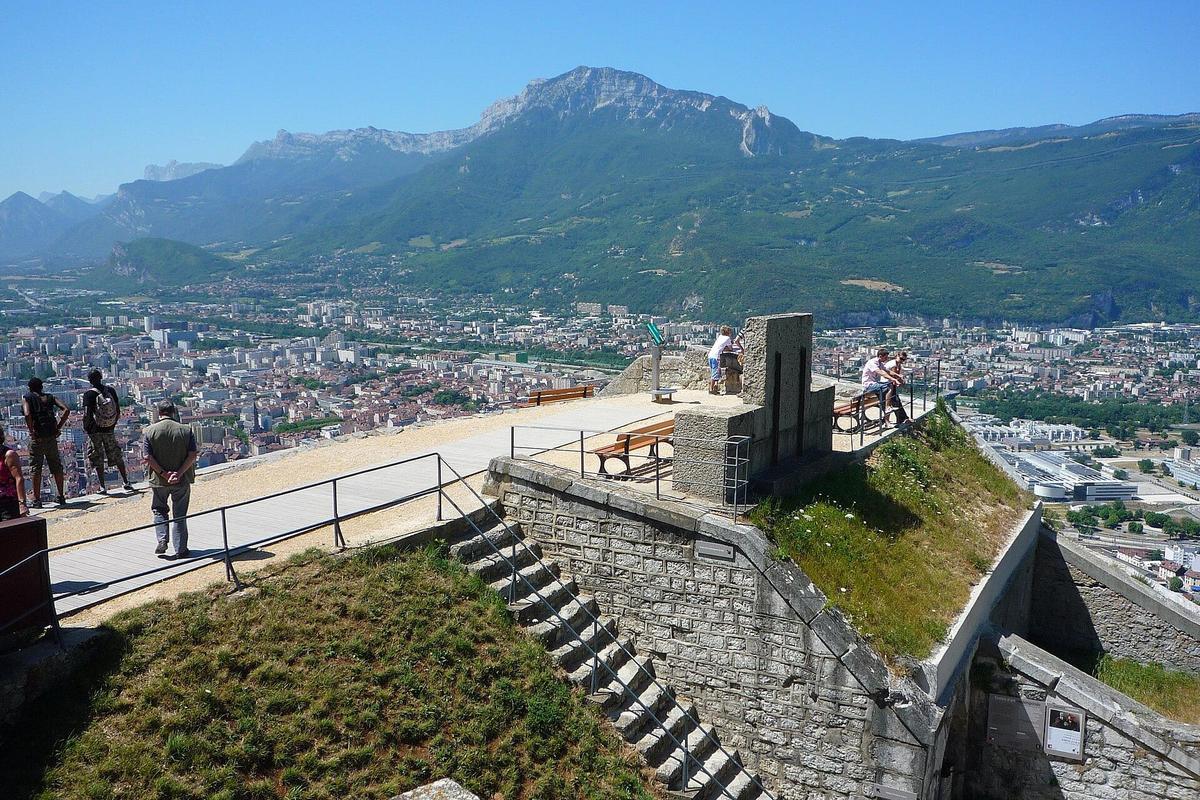
The Bastille is one of the easiest family outings in Grenoble. The bubble ride is a show in itself, the fort is free, and children under 5 ride the cable car for free.
At the top, the fort's stairs and passages are great for exploring. Keep an eye on little ones near the walls and terraces: some spots have sheer drops. With a pushchair, take the cable car both ways, as the trails are steep and broken up by steps.
For older children, Acrobastille and the via ferrata add some adventure. During the autumn school holidays, the fort also gets into the Halloween spirit with activities.
Where to eat and stay in Grenoble
On the hill. There is a restaurant near the upper cable car station, with a view over the city. On a fine day, a picnic on the fort's lawns is a good option.
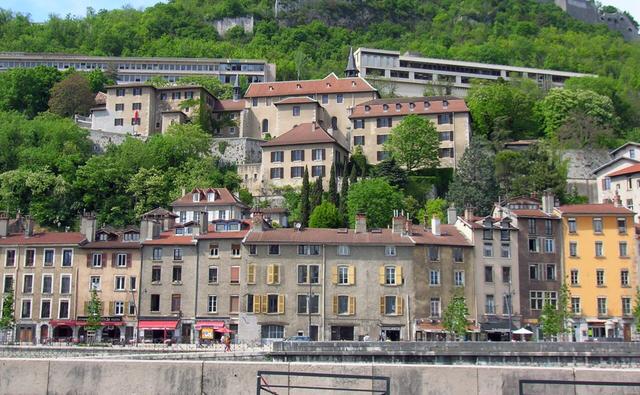
In town. The historic centre, around Place Grenette, Place Saint-André and the Notre-Dame district, has most of the restaurants. The Saint-Laurent district, at the foot of the hill, is handy before or after walking up.
For a place to stay, the city centre is the most practical without a car: you can walk to the cable car. With a car, areas close to the ring road make it easy to head out to the Vercors or the Chartreuse.
What to combine with the Bastille
| Also worth seeing | Distance | Travel time |
|---|---|---|
| Choranche Caves | 50 km | 60 min by car |
| Hautecombe Abbey | 85 km | 75 min by car |
| Walibi Rhône-Alpes | 80 km | 60 min by car |
Approximate road distances and travel times.
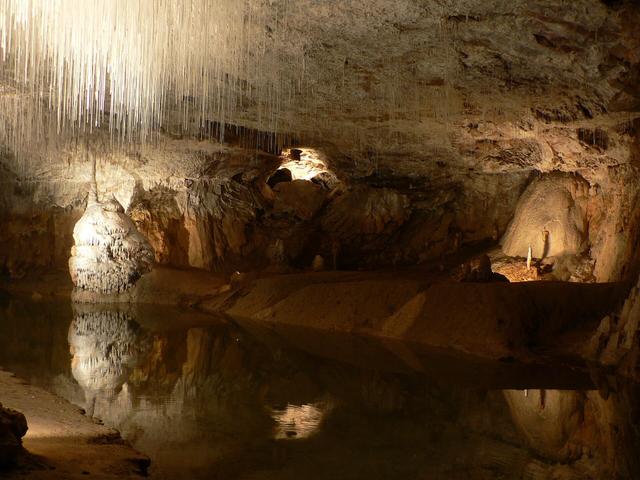
The Choranche caves, in the Vercors. About an hour's drive away, through the Bourne gorges, this cave with thousands of straw-thin stalactites makes a great nature day after the Alpine views. See also: Choranche Caves
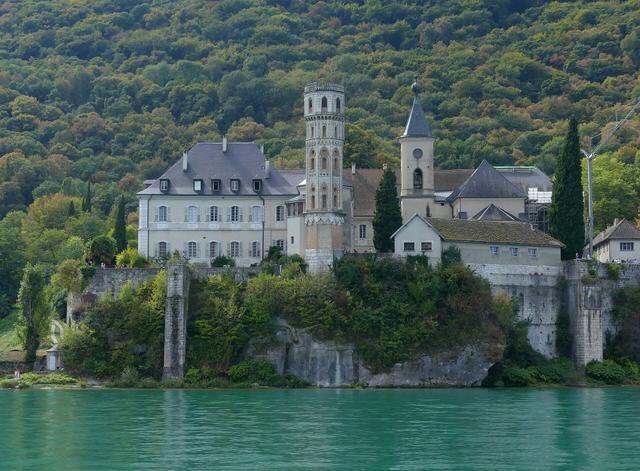
Lac du Bourget and Hautecombe Abbey. To the north, the abbey where princes of the House of Savoy are buried stands on the lakeshore. See also: Hautecombe Abbey
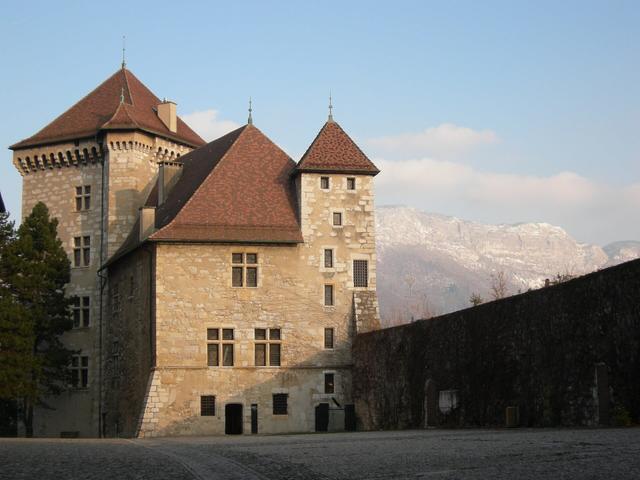
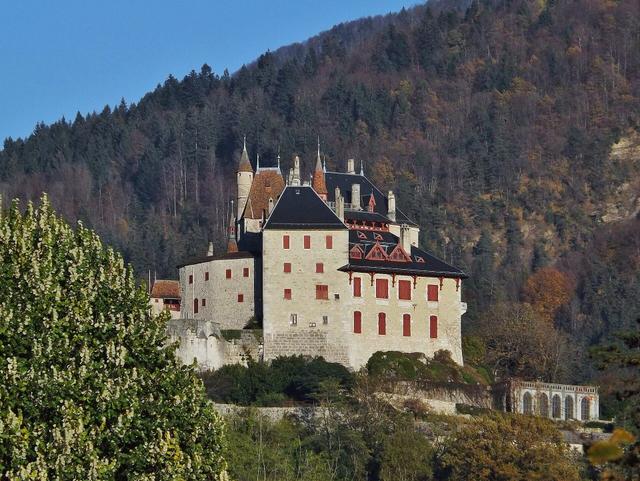
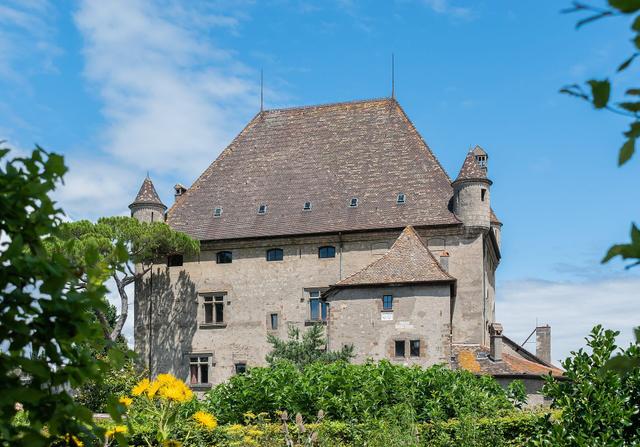
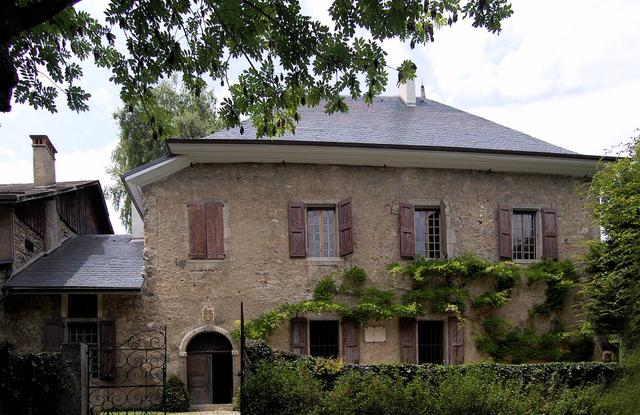
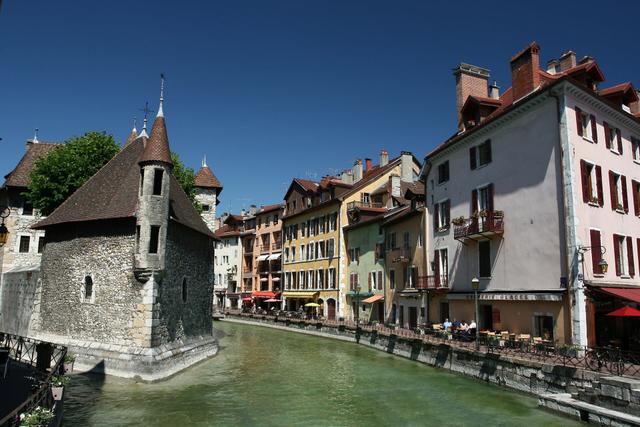
Annecy and around. Annecy Castle, the Palais de l'Isle and the Château de Menthon-Saint-Bernard can all be seen in one day. See also: Annecy Castle, Palais de l'Isle, Château de Menthon-Saint-Bernard
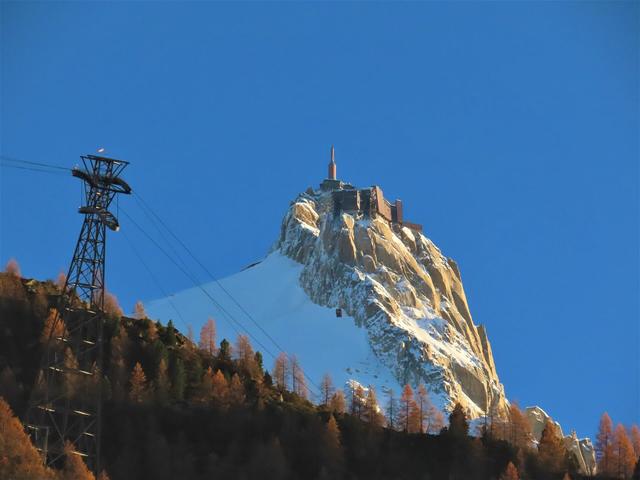
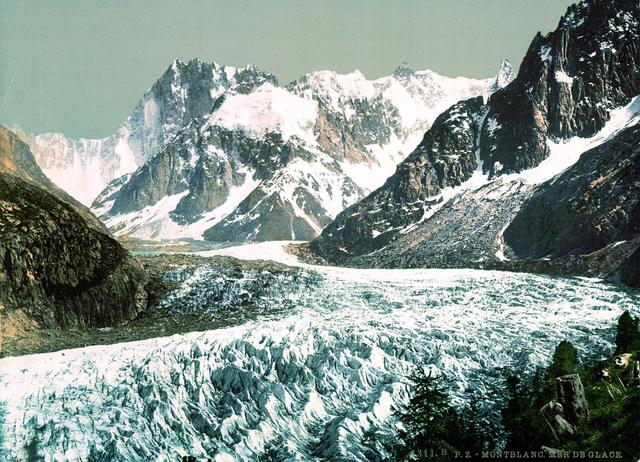
The high mountains. To get close to Mont Blanc, which you can glimpse from the Bastille, go up the Aiguille du Midi or to Montenvers. See also: Aiguille du Midi, Montenvers - Mer de Glace, French Alps
Fun facts and figures
- More than 357,000 passengers rode the cable car in 2025, according to the operator, over about 4000 hours of operation. The official site estimates that around 750,000 people walk the hill every year.
- A pioneer among urban cable cars. Opened in 1934, the Grenoble cable car was one of the first in the world to serve a city, after those in Rio de Janeiro and Cape Town.
- The bubbles date from 1976. The round cabins that made the cable car famous arrived in August that year. They travel in clusters, which earned them their nickname.
- A fort that never fought. The Bastille never saw combat. Rifled cannon soon made it obsolete, and when Savoy became part of France in 1860, the border moved away from Grenoble.
- Stendhal, who was born in Grenoble, wrote that he did not have the strength to describe the admirable view from the Bastille, which changes every hundred steps.
- A regional label. The site is one of the flagship tourist sites of the Auvergne-Rhône-Alpes region for 2022-2028.
FAQ
Is the Grenoble Bastille free?
Yes. The fort and the hill are free to enter. Only the cable car costs money: €9.80 return for an adult.
How much is the Bastille cable car for a child?
€5.10 return for ages 5 to 15. Free under 5.
Does the cable car run in January?
Not always. It closes every winter for maintenance: in 2026, from 5 January 2026 to 6 February 2026. You can still walk up the hill.
Can you walk up to the Bastille?
Yes, by several trails and stairways from the centre, including the Saint-Laurent district. The climb is steep: wear good shoes.
Does the cable car run in the evening?
On some evenings, yes: in autumn 2026, until midnight on Fridays and Saturdays. Check the monthly timetable on the official website.
How long should you allow?
One to two hours at the top, half a day if you walk up or down.
Practical information
Official ticket-office prices 2026
Free admission
Address
Téléphérique Grenoble-Bastille, gare de départ, quai Stéphane-Jay, 38000 Grenoble, France
Directions
On site and nearby
- On site: Toilets
- Nearest shops and pharmacy: Grenoble, 1 km away Straight-line distance, based on OpenStreetMap.
- Emergencies: 112 (all emergencies, free from any phone), 15 (SAMU, medical emergency)
Around the site, on Google Maps
With children
Family days out nearby: Musée Dauphinois (0 km), Musée de Grenoble (0 km), Château de Sassenage (6 km)
Swimming pools and play areas nearby, on Google Maps
Facts checked on 29 October 2026. Sources: bastille-grenoble.fr, bastille-grenoble.fr, bastille-grenoble.fr, en.wikipedia.org
Map
In the same region