Musée Dauphinois: visiting Grenoble's museum of the Alps
Musée Dauphinois at a glance
- 1 October 2026 to 31 May 2027
- 10:00 – 18:00 (closed on Monday)
- Admission
- Free
- Time needed
- 1.5 to 2 hours
- Where
- Grenoble
Facts checked on 4 November 2026. Full opening hours, reduced prices and access
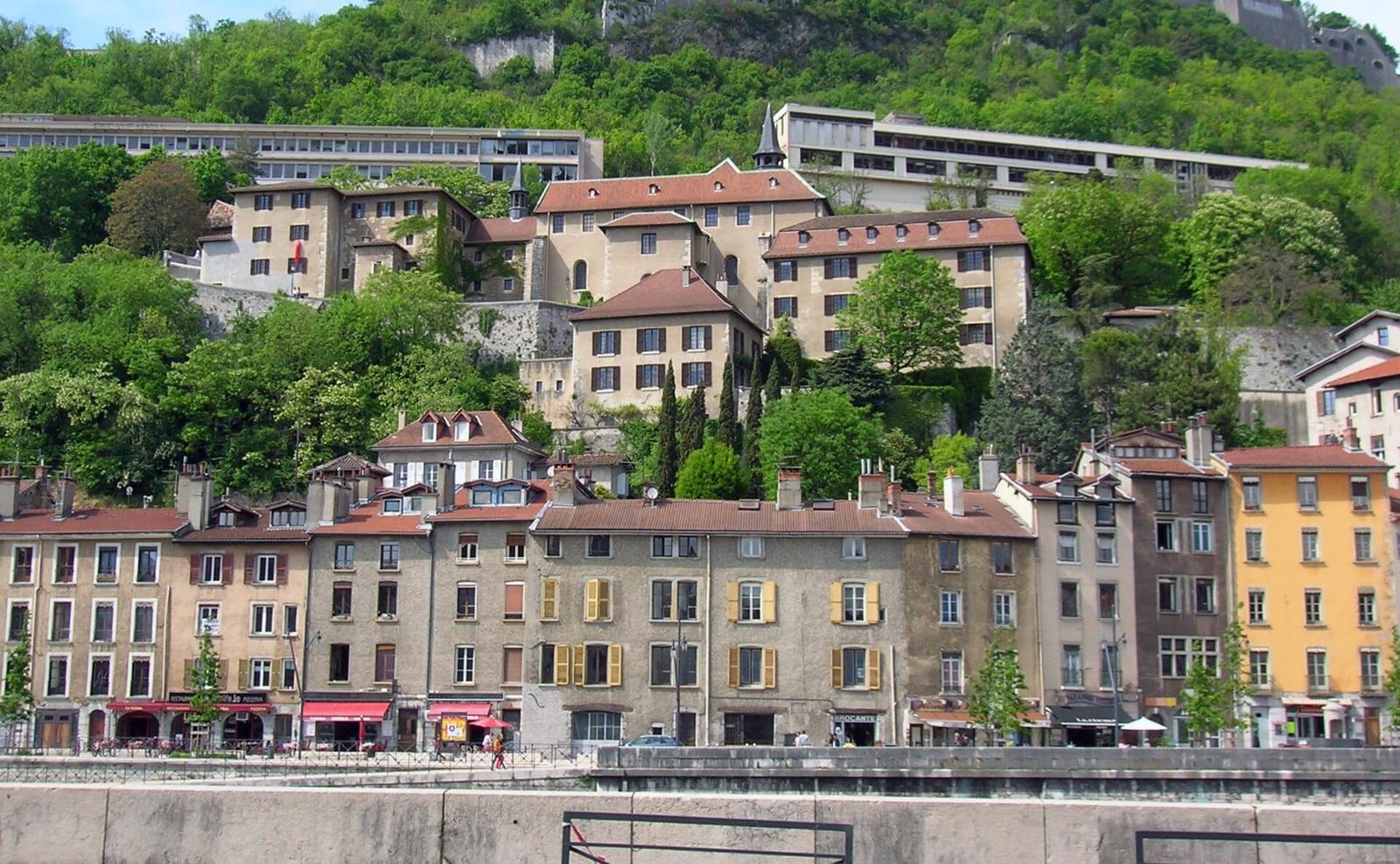

On the slopes of the Bastille hill, in a 17th-century former convent, the Musée Dauphinois tells the story of the people of the Alps, from prehistory to the ski resorts. Entry is free, as in all the museums run by the Isère département. Here are the opening hours, the closing day to remember, the exhibitions to see and the easiest way up to the museum.
Musée Dauphinois at a glance
- Where: in the Saint-Laurent district, on the right bank of the Isère, at the foot of the Bastille. Address: 30 rue Maurice-Gignoux, Grenoble.
- Price: entry is free, for the permanent and temporary exhibitions alike.
- Closing day: Monday. The museum is also closed on 1 January, 1 May and 25 December.
- Opening hours: from October to May, Tuesday to Sunday, 10:00 – 18:00. From June to September, 10:00 – 18:00 Tuesday to Friday and 10:00 – 19:00 on Saturdays and Sundays.
- Time needed: an hour and a half to two hours for the main exhibitions.
- Best for: anyone curious about Alpine history, skiers, families.
What is the Musée Dauphinois?
The Musée Dauphinois is the social history museum of the Isère and, more broadly, of the Alps. It does not show old master paintings: it is about people. Mountain farmers, craftsmen, factory workers, migrants, skiers, everyone who lived and worked in these valleys.
It was founded in 1906 at the initiative of Hippolyte Müller, who became its first curator. Müller also started the skiing collection, one of the museum's great strengths today.
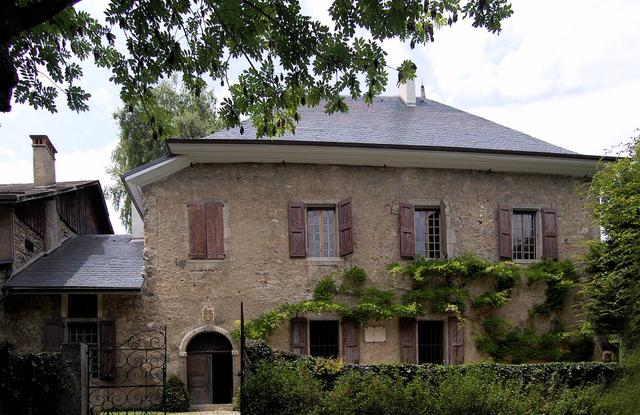
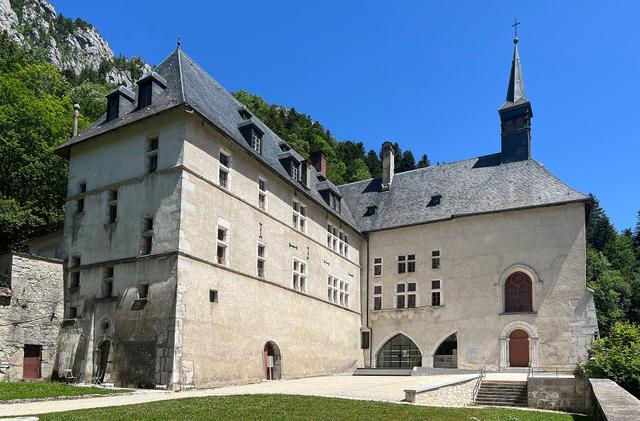
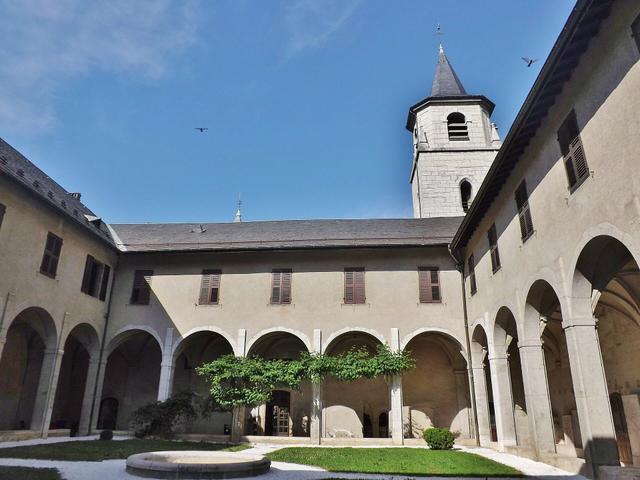
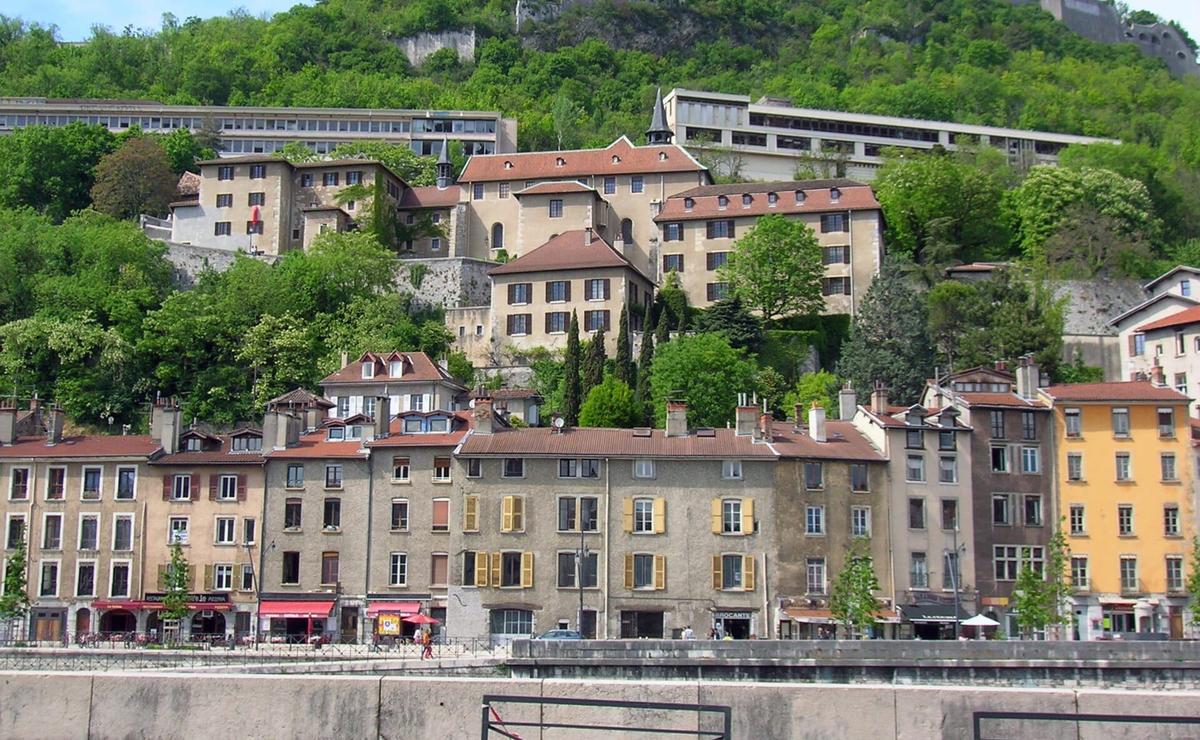
The museum is housed in the former Visitandine convent of Sainte-Marie-d'en-Haut, a 17th-century building clinging to the slopes of the Bastille. It moved here in 1968, the year Grenoble hosted the Winter Olympics. So the visit also takes you through an old building, with its staircases, rooms on several levels and gardens.
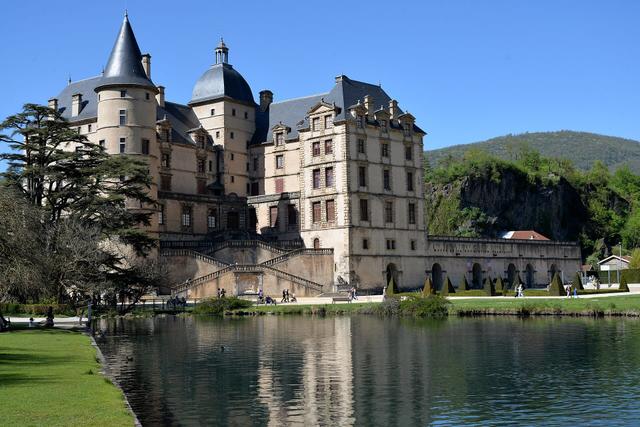
The Musée Dauphinois belongs to the network of 11 museums run by the Isère département, all of them free. The Domaine de Vizille and its Museum of the French Revolution are part of the same network.
How much does the Musée Dauphinois cost?
Nothing. Entry is free for everyone, with no age limit and no proof needed. There is no ticket to buy: you just walk in during opening hours.
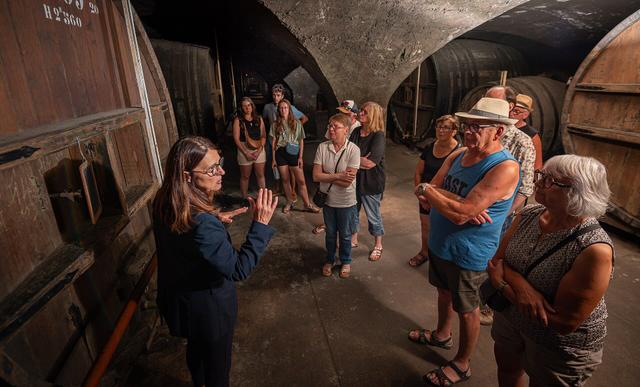
Free entry also covers the temporary exhibitions. A guided tour takes place on the first Sunday of every month: it is free, but you need to book.
Only some workshops, shows or one-off events may have their own conditions. Check the programme on the Isère museums website if you are coming for a specific event.
Our tip: since entry is free, there is no need to see everything in one go. If you are staying in Grenoble for a few days, do one exhibition one day and come back for another.
Musée Dauphinois opening hours in 2026
The museum is closed on Mondays. That is the trap to avoid: many French museums close on Tuesdays, but not this one.
From October to May: open Tuesday to Sunday, 10:00 – 18:00.
From June to September: open Tuesday to Friday, 10:00 – 18:00, and on Saturdays and Sundays, 10:00 – 19:00.
Closed: 1 January, 1 May and 25 December, as well as every Monday.
These hours are the ones published by the Isère département in its 2026 museum guide. An older museum leaflet gave Tuesday as the closing day: it is out of date.
Do you need to book?
Not for an individual visit. You walk in without a ticket or a booking.
You do need to book in two cases:
- The guided tour on the first Sunday of the month, free but booking required.
- Groups, who book in advance with the museum on +33 4 57 58 89 01. Guided group tours are available on request.
Our tip: on weekdays, come as soon as it opens. School groups are common in free museums, usually mid-morning and early afternoon.
How long does it take to visit the Musée Dauphinois?
Allow an hour and a half to two hours to see the main exhibitions without rushing. If you only come for the skiing exhibition, an hour is enough.
Add the time it takes to walk up from the quays: the museum sits above the city, and the slope is best taken slowly, especially in summer.
How to get to the Musée Dauphinois

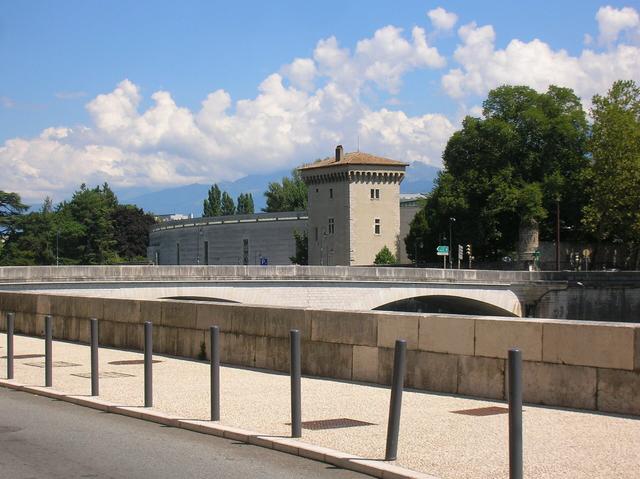
By tram. Take line B to the Notre-Dame-Musée stop. Cross the Isère on the Saint-Laurent footbridge, then walk up the Montée de Chalemont.
On foot. The Montée de Chalemont starts from Place de la Cymaise, near the lion fountain. It is a steep cobbled path with steps: wear good shoes.
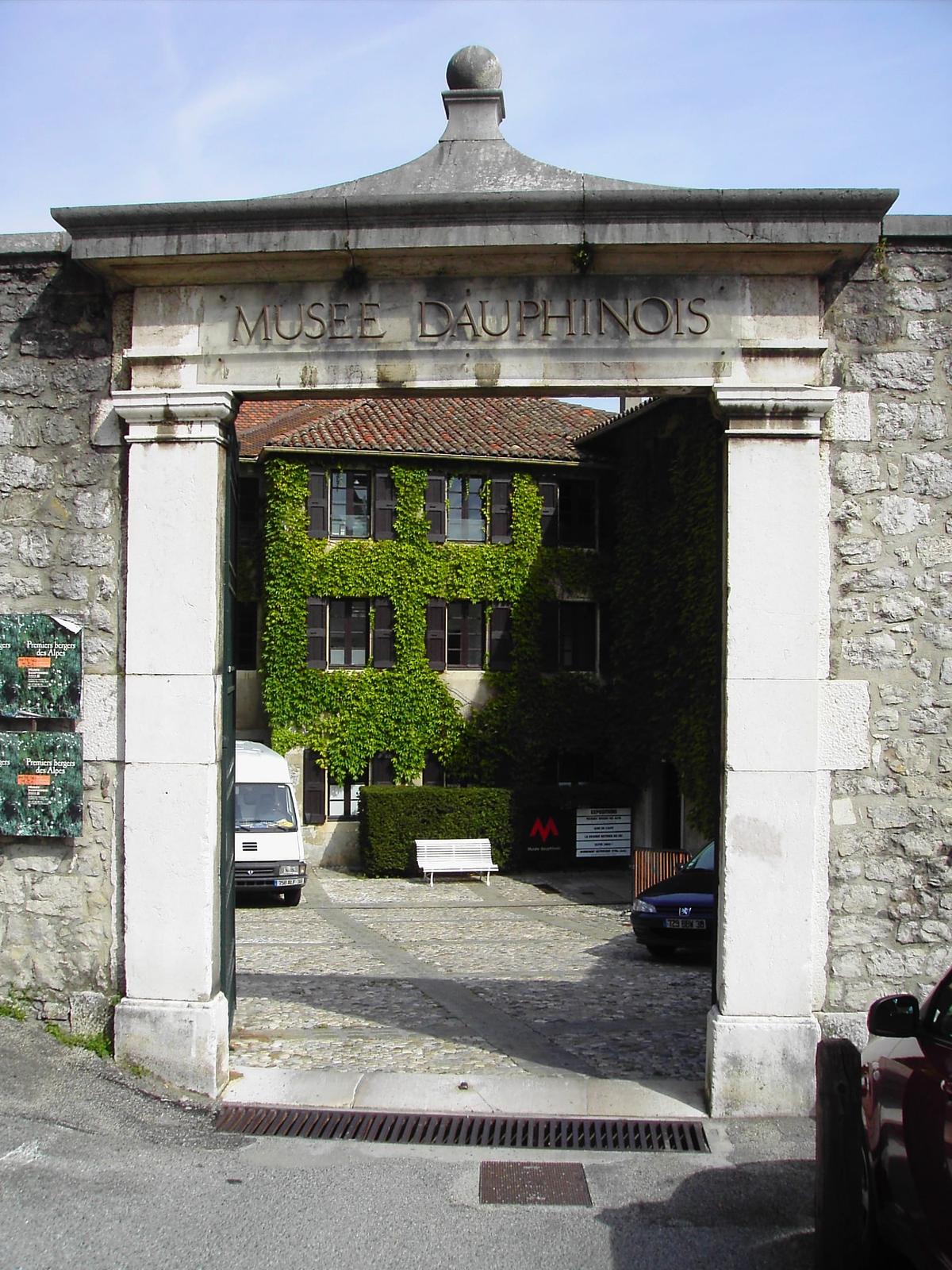
By car. Vehicles get in via rue Maurice-Gignoux, through the archway on Quai Perrière. Parking is limited in this old district: it is often easier to park in town and finish on foot.
On-demand transport. For people who cannot walk up, the M réso network runs an on-demand service. Bookings on +33 4 38 70 38 70.
By coach. Coaches can drop passengers off at Place de la Cymaise.
Renting a car. You do not need a car for the museum itself. It becomes useful if you want to explore around Grenoble: the Vercors, the Chartreuse and Lac du Bourget are about an hour's drive away.
Partner links: if you book through these links, we earn a commission at no extra cost to you. Partner links · Learn more
What to see at the Musée Dauphinois
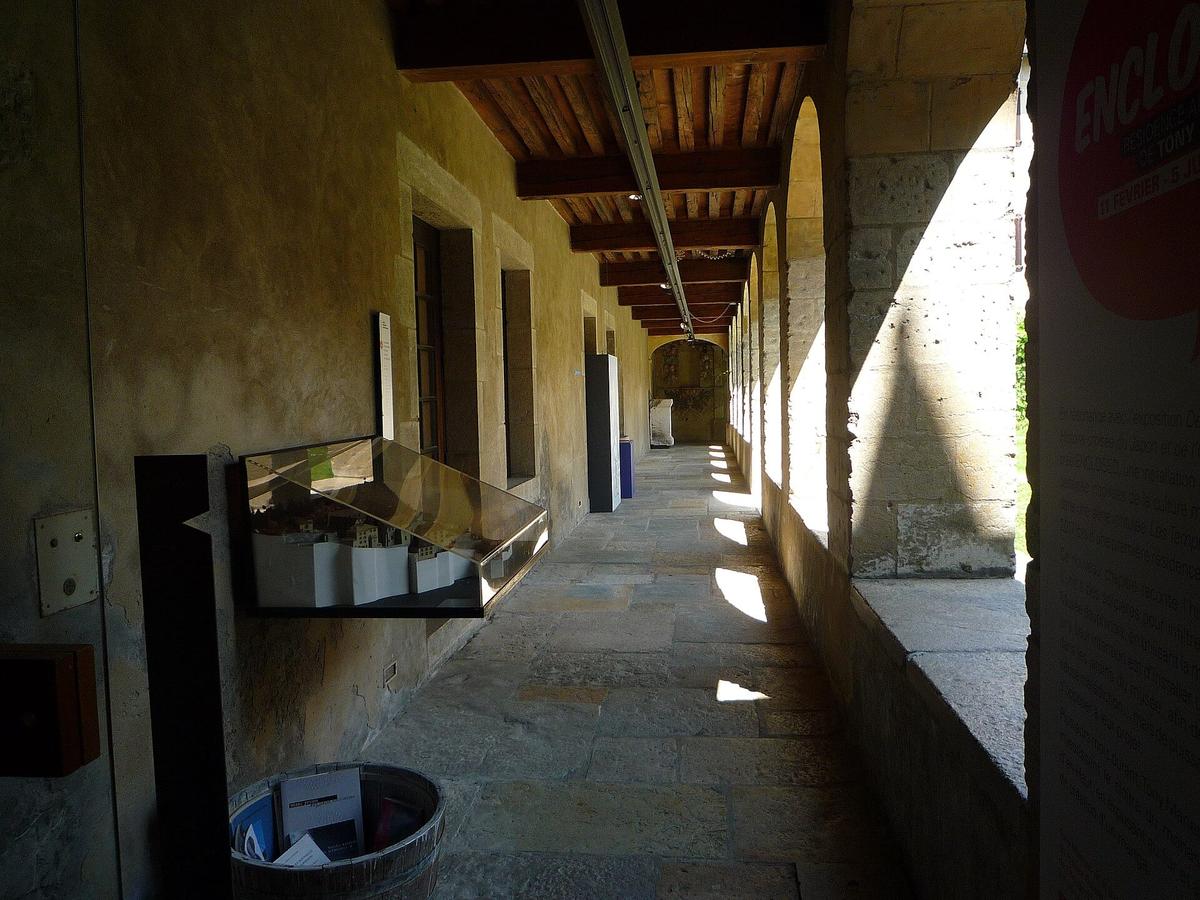

The museum has several long-term exhibitions, plus temporary shows. Here are the ones announced for autumn 2026.
Gens de l'Alpe (People of the Alps). This is the heart of the museum. The exhibition is about the people who lived in the mountains of the Dauphiné and their daily life. It is the best introduction to the valleys you will drive or walk through.
Le rêve blanc (The White Dream), the story of winter sports in the Alps. It is on the third floor, reached by the staircase in the middle of "Gens de l'Alpe". As the title suggests, it traces the history of winter sports in the Alps, drawing on the skiing collection started by the museum's founder. It replaced "La Grande histoire du ski", shown from 1994 to 2017.
Alpins, 7000 ans d'histoires (Alpine people, 7,000 years of stories). As the title says, this exhibition covers several thousand years of the history of the people of the Alps. It goes well with "Gens de l'Alpe" for visitors who enjoy archaeology and the long view of history.
De tous bois. Ébénistes Hache et création contemporaine. This temporary exhibition runs from 25 April 2026 to 25 April 2027. It sets the work of the Hache family of cabinetmakers alongside today's creations. In April 2027, it ties in with the European Days of Artistic Crafts.
The building. Take time to look at the old convent itself: its volumes, staircases and gardens are part of the visit.
Visiting the Musée Dauphinois with kids
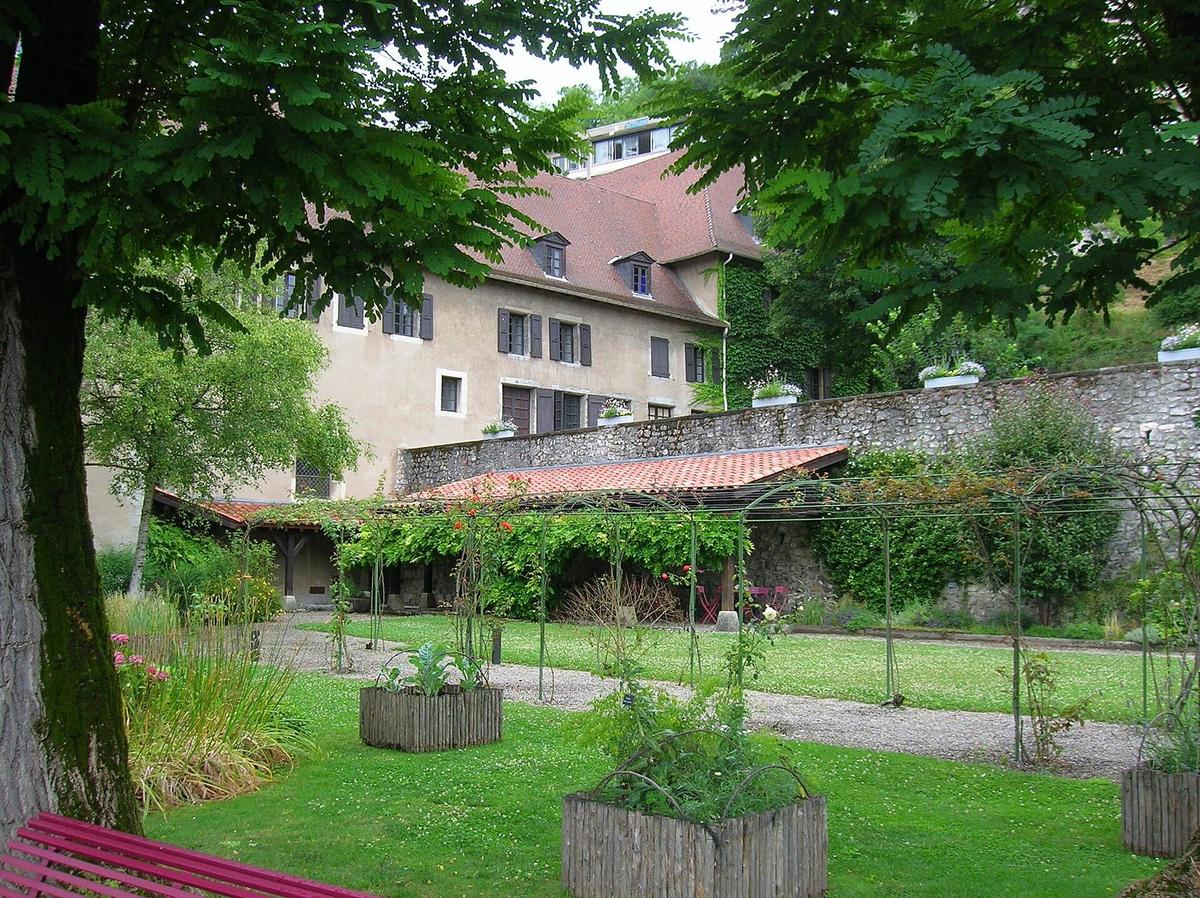

The museum is a good family outing in Grenoble, first of all because it costs nothing. If the children lose interest after an hour, you can leave without regret and come back another day.
The winter sports exhibition is often the one that speaks most to children, especially if they already ski. The museum also runs activities for young visitors; the programme is on the Isère museums website.
With a pushchair, the Montée de Chalemont is hard going because of the steps. Use the rue Maurice-Gignoux entrance or the on-demand transport instead. Wheelchair access to the building was not specified in the sources we checked: call the museum before you come.
There are toilets on site.
Where to eat and stay in Grenoble
To eat, head down to the Saint-Laurent district, just below the museum, or cross the Isère to the historic centre, around Place Notre-Dame, Place Saint-André and Place Grenette. You will find places for lunch a few minutes' walk away.
To stay, the city centre is the most practical without a car: the museum, the Bastille and the quays are all within walking distance, and the tram runs to the railway station. With a car, a hotel near the ring road gets you out to the Vercors or the Chartreuse faster.
What to combine with the Musée Dauphinois
| Also worth seeing | Distance | Travel time |
|---|---|---|
| Grenoble Bastille | 1 km | 15 min on foot |
| Choranche Caves | 50 km | 60 min by car |
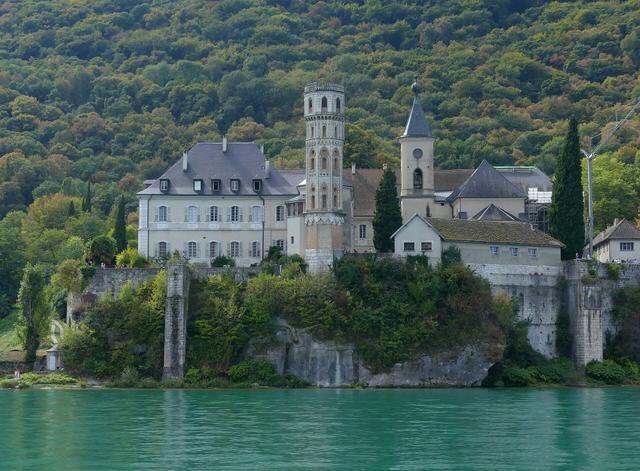
| Hautecombe Abbey | 85 km | 75 min by car |
Approximate road distances and travel times.
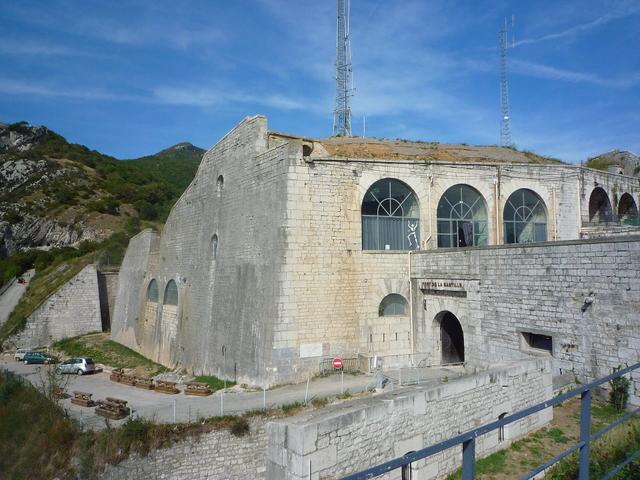
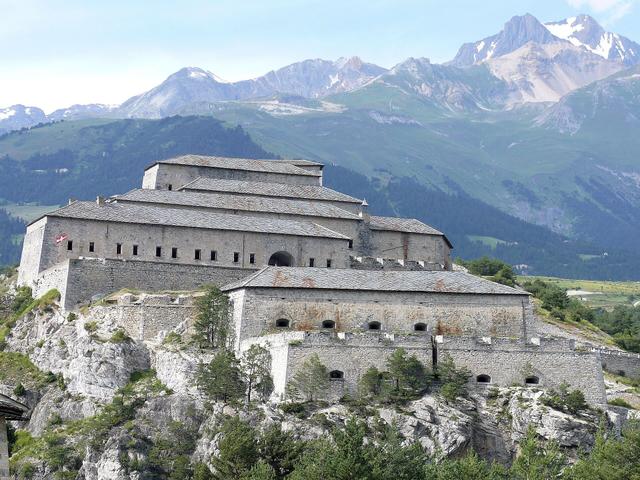
The Grenoble Bastille. The museum is on the slopes of the hill. The cable car leaves from the other bank, on Quai Stéphane-Jay, a few minutes' walk away. You can also walk up to the fort by the trails from the Saint-Laurent district and visit the museum on the way down. See also: Grenoble Bastille
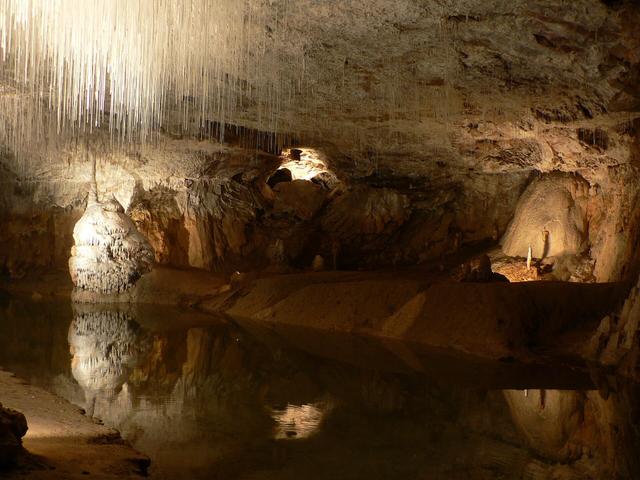
The Choranche caves, in the Vercors. About an hour's drive away, a nature outing that goes well with the museum's mountain exhibitions. See also: Choranche Caves
Lac du Bourget and Hautecombe Abbey. For a day trip towards Savoie, the abbey overlooks the lake. See also: Hautecombe Abbey
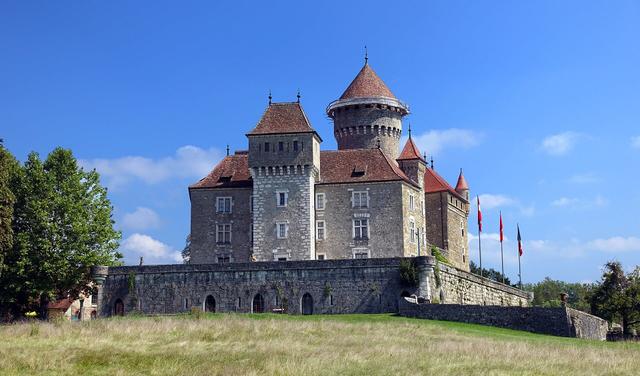
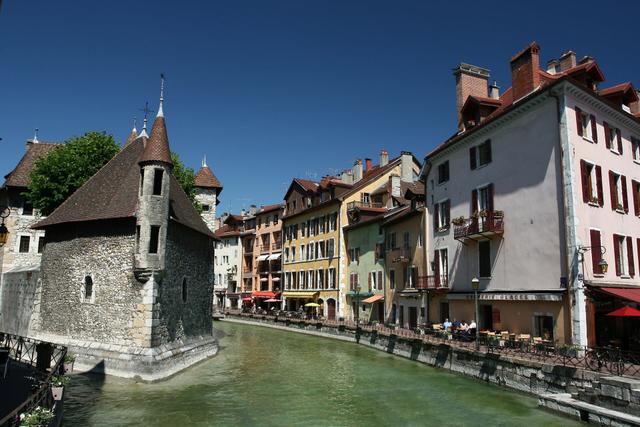
Annecy. Annecy Castle and the Palais de l'Isle can both be seen in one day from Grenoble. See also: Annecy Castle, Palais de l'Isle, French Alps
Fun facts and figures

- A museum born from one man. Hippolyte Müller persuaded the city of Grenoble to create the museum in 1906 and became its first curator. He was the one who started collecting objects linked to skiing.
- Skis without bindings. According to the "Le rêve blanc" exhibition notes, Henry Duhamel discovered skis on the Scandinavian stand at the 1878 World's Fair in Paris. He had no bindings and said he was as puzzled about what to do with them "as a carp would be with an apple". Eleven years later, in 1889, he got hold of bindings and went skiing with friends at Chamrousse. The museum sees this as the first steps of Alpine skiing in France.
- A champion's skis. The museum features the VR17 skis made by Dynamic, on which Jean-Claude Killy won at the Grenoble Olympics.
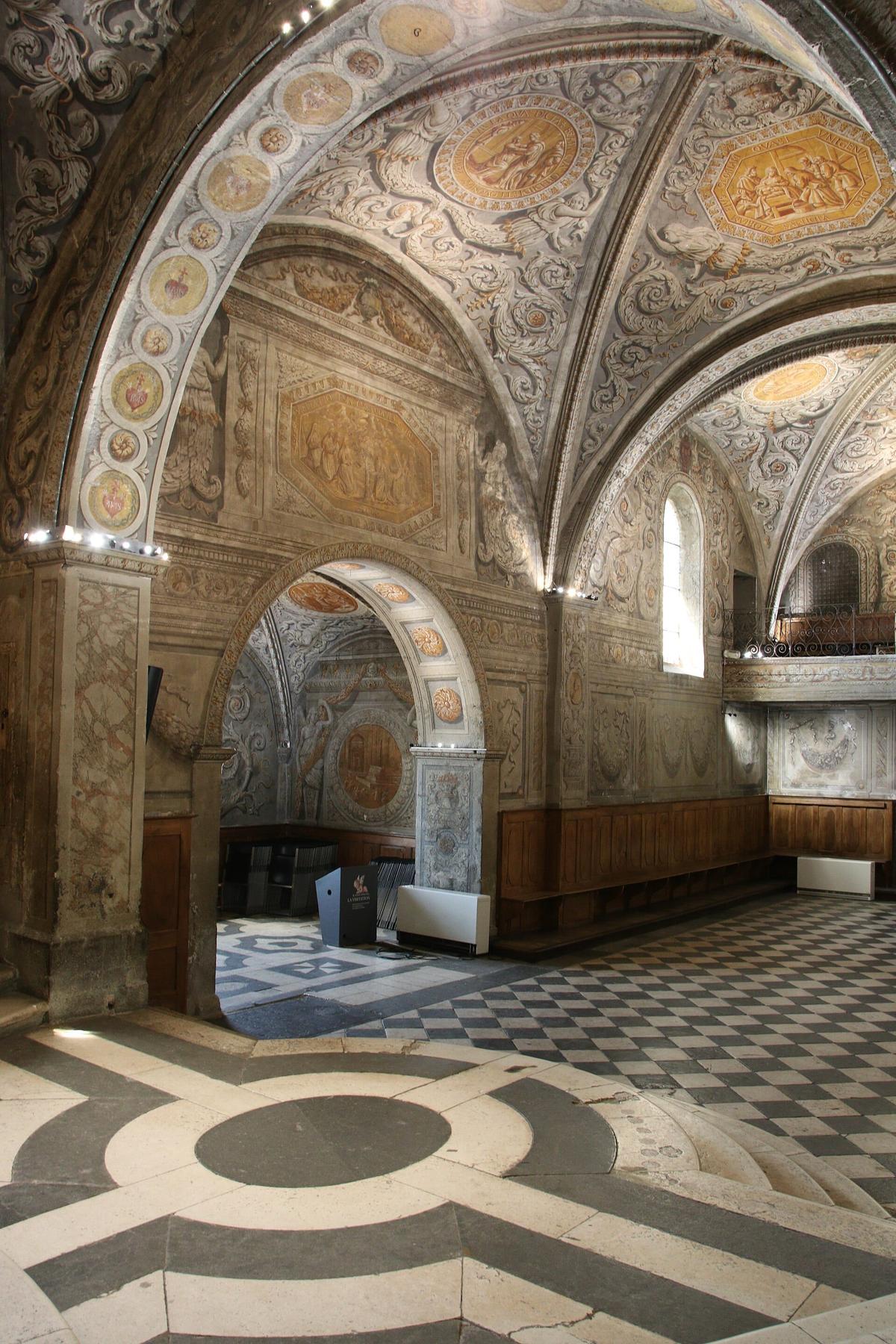
- A convent above the city. Before it housed the museum, the building was the convent of Sainte-Marie-d'en-Haut, built in the 17th century on the slopes of the Bastille.
- How many visitors? According to Wikipedia, the museum welcomed 67,071 visitors in 2022.
- A free network. The Musée Dauphinois is one of the 11 museums run by the Isère département, all with free entry.
FAQ
Is the Musée Dauphinois free?
Yes. Entry is free for everyone, temporary exhibitions included. The guided tour on the first Sunday of the month is free but must be booked.
What day is the Musée Dauphinois closed?
Monday, as well as 1 January, 1 May and 25 December. It is open on Tuesdays.
What are the Musée Dauphinois opening hours?
From October to May, Tuesday to Sunday, 10:00 – 18:00. From June to September, 10:00 – 18:00 on weekdays and 10:00 – 19:00 at weekends.
How do you get up to the Musée Dauphinois?
On foot by the Montée de Chalemont, from Place de la Cymaise, after taking tram B (Notre-Dame-Musée stop) and crossing the Saint-Laurent footbridge. By car, through the archway on Quai Perrière and up rue Maurice-Gignoux.
How long does the visit take?
An hour and a half to two hours for the main exhibitions, an hour for the skiing exhibition alone.
Can you combine the museum and the Bastille?
Yes. The museum is on the slopes of the Bastille, and the cable car leaves from the other bank of the Isère, a few minutes' walk away.
Practical information
Opening hours 2026
| 1 June 2026 to 30 September 2026 | 10:00 – 18:00 (Closed: Monday, Saturday, and Sunday) |
|---|---|
| 1 June 2026 to 30 September 2026 | 10:00 – 19:00 (Closed: Monday, Tuesday, Wednesday, Thursday, and Friday) |
| 1 October 2026 to 31 May 2027 | 10:00 – 18:00 (Closed: Monday) |
Closed: 1 January, 1 May, and 25 December
Official ticket-office prices 2026
Free admission
Address
Musée dauphinois, 30 rue Maurice-Gignoux, 38000 Grenoble, France
Directions · Phone+33 4 57 58 89 01
On site and nearby
- On site: Toilets
- Nearest shops and pharmacy: Grenoble, 1 km away Straight-line distance, based on OpenStreetMap.
- Emergencies: 112 (all emergencies, free from any phone), 15 (SAMU, medical emergency)
Around the site, on Google Maps
With children
Family days out nearby: Grenoble Bastille (0 km), Musée de Grenoble (0 km), Château de Sassenage (6 km)
Swimming pools and play areas nearby, on Google Maps
Facts checked on 4 November 2026. Sources: musees.isere.fr, musees.isere.fr, alpes-isere.com, musees.isere.fr, fr.wikipedia.org
Map
In the same region