Grande Chartreuse Museum: planning your visit
Grande Chartreuse Museum at a glance
- Full price
- €10
- Free
- children under 7
- Visitors per year
- about 53,720
- Where
- Saint-Pierre-de-Chartreuse
Official ticket-office prices, checked on 11 November 2026. Full opening hours, reduced prices and access
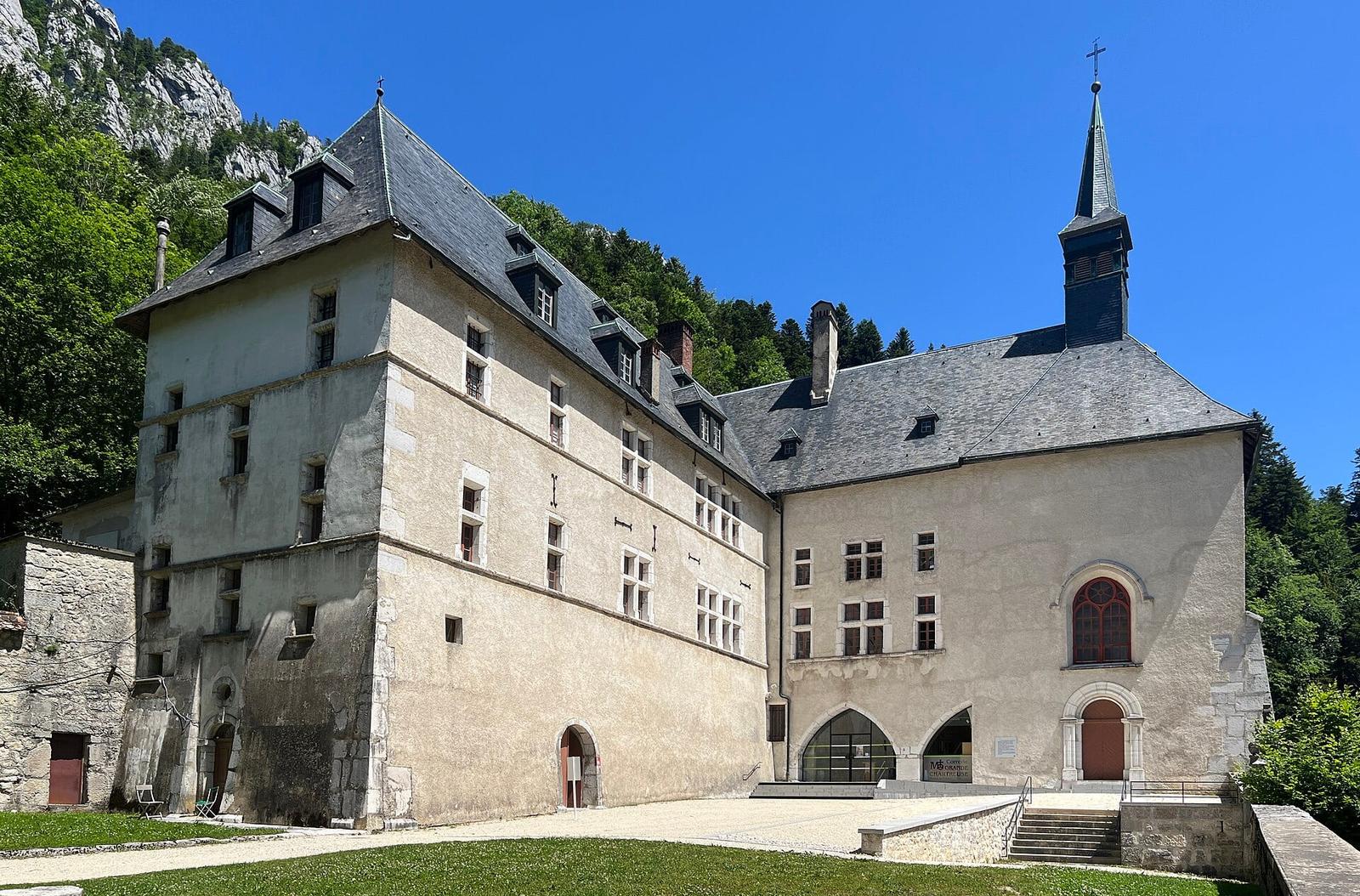

The Grande Chartreuse monastery is closed to the public: monks have lived there in silence for more than nine centuries. To understand their life, you need to go to La Correrie, the former lower house of the lay brothers, twenty minutes' walk further down the valley. That is where the museum is. Here are the prices, opening hours, the road to take and what to know before you drive up.
Grande Chartreuse Museum at a glance
- Where: at La Correrie, on the Route du Désert, in the commune of Saint-Pierre-de-Chartreuse (Isère), in the heart of the Chartreuse mountains, between Grenoble and Chambéry.
- Price: €10 per adult, €4.50 for ages 7 to 18, free for children under 7.
- Open: from 28 March 2026 to 11 November 2026, afternoons in spring and autumn (closed on Thursdays), mornings and afternoons in summer.
- Winter: the museum is closed out of season. Dates for next season had not yet been published when we checked.
- The monastery: it cannot be visited, and the monks do not receive visitors. The museum is the only place open to the public that is devoted to their life.
- Getting there: by car, on mountain roads. Bring a jacket, even in summer.
Can you visit the Grande Chartreuse monastery?
No. This is the first question most visitors ask, and the answer is clear: the monastery is closed to the public. As the museum's official website points out, the Carthusians do not receive or meet visitors. The monks' retreat from the world is voluntary, and their rule keeps community life to a minimum in favour of prayer, work and meditation in solitude.
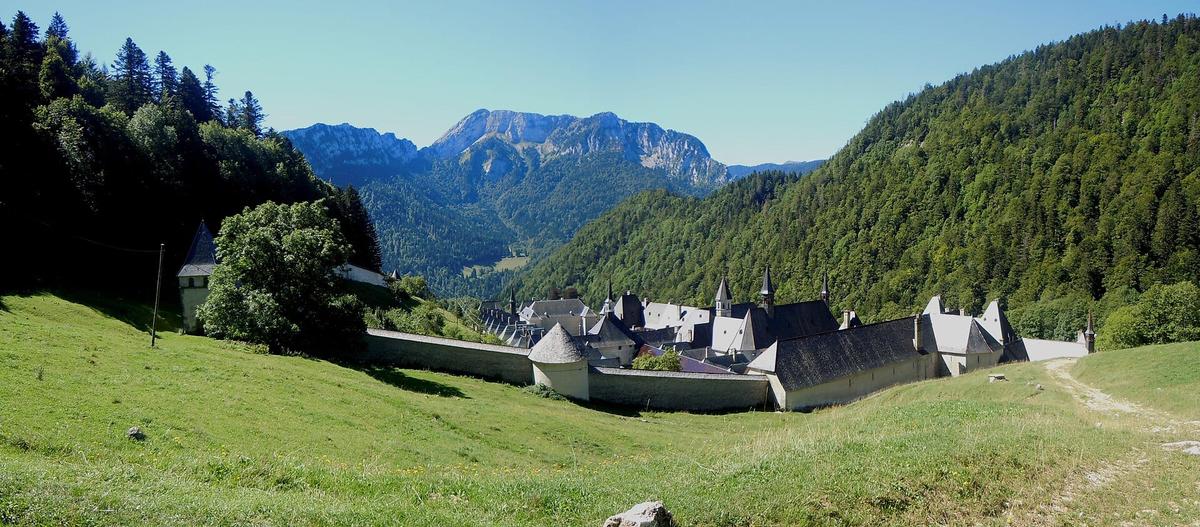

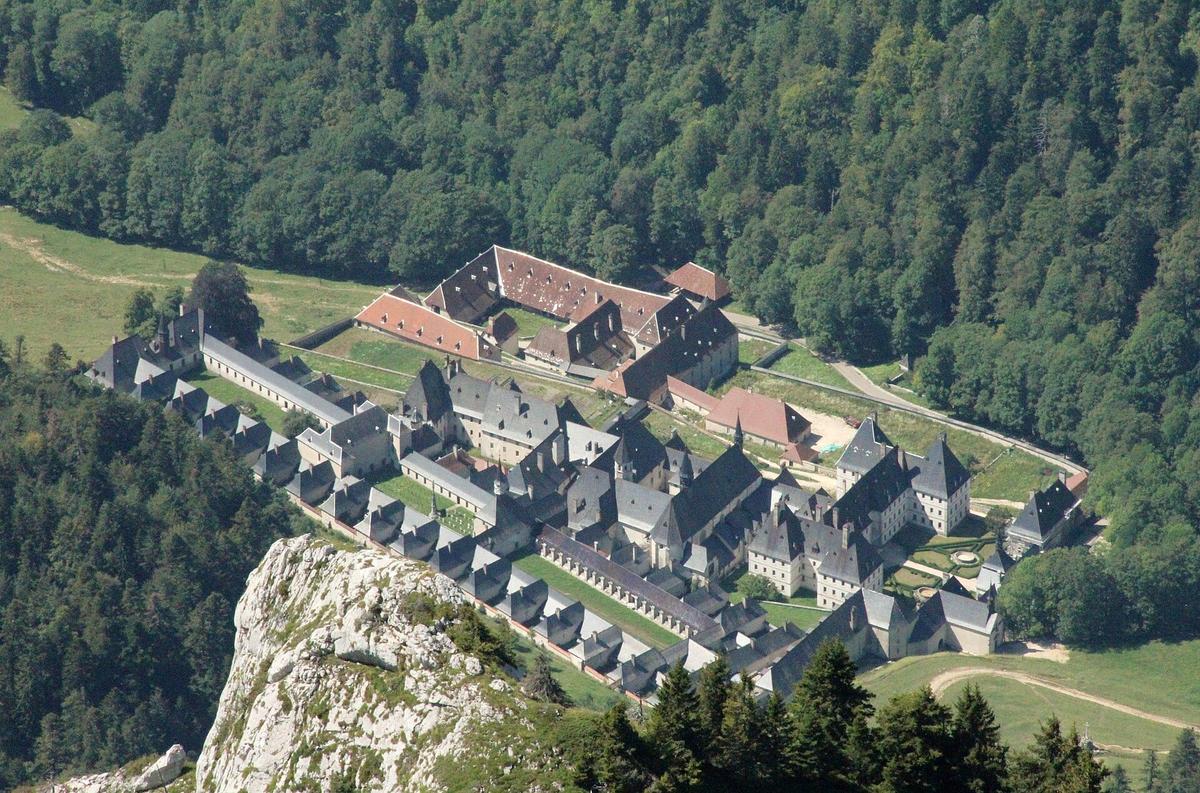
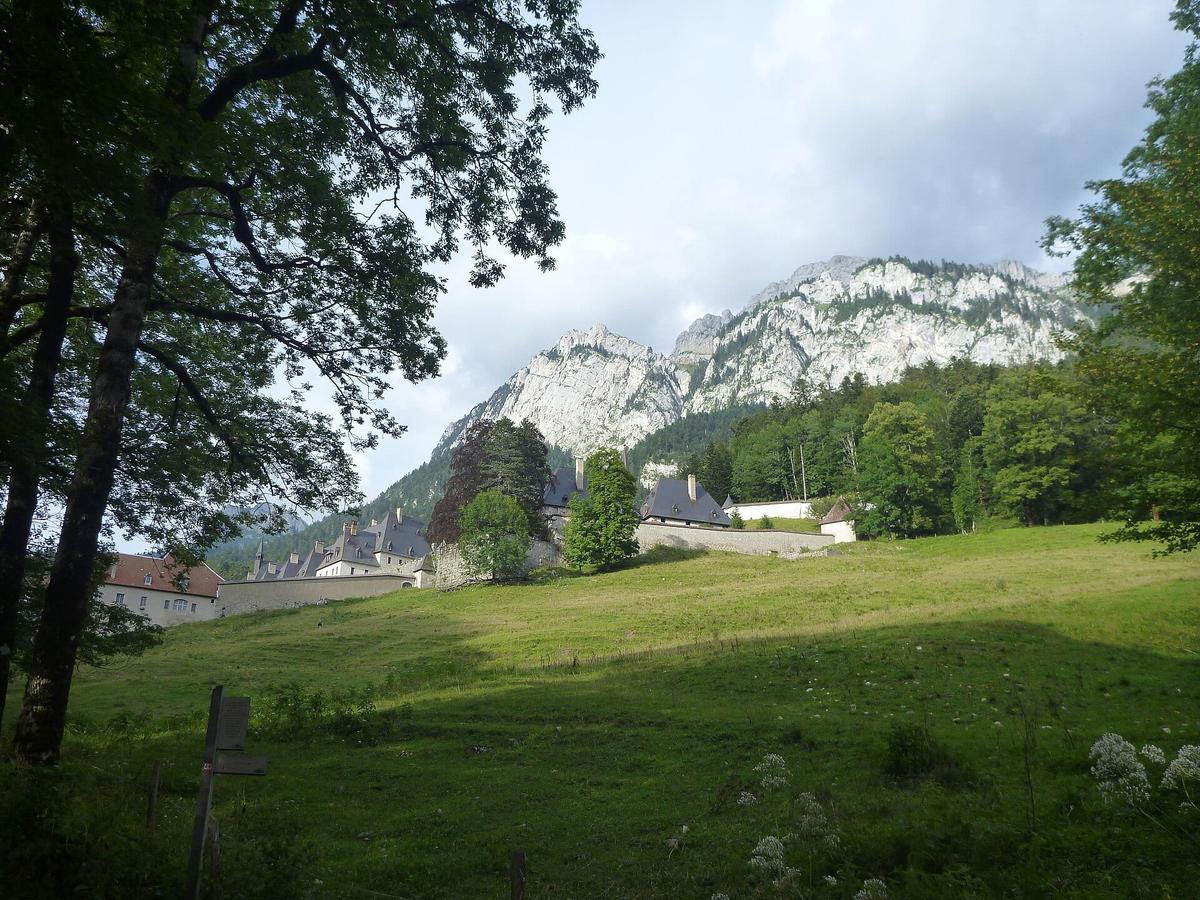
That is precisely why the museum was set up some distance away. According to Wikipedia, it stands below the monastery to divert the flow of visitors. You can walk up to the surroundings of the monastery, about twenty minutes on foot, and see it from outside. Respect the silence and the signs: the enclosure is not a backdrop.
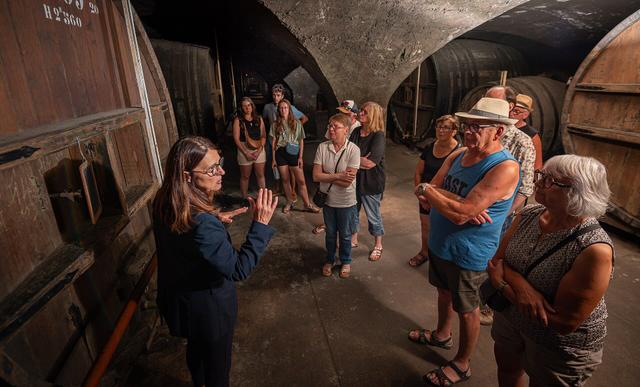
Do not confuse the monastery with the cellars where the liqueur is made, either. The Chartreuse cellars are in Voiron, 30 km from the museum, and are open to visitors. See also: Chartreuse Cellars
Why visit the Grande Chartreuse Museum
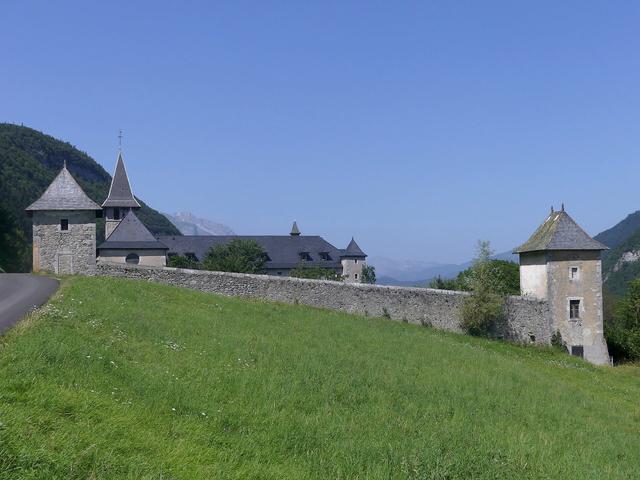
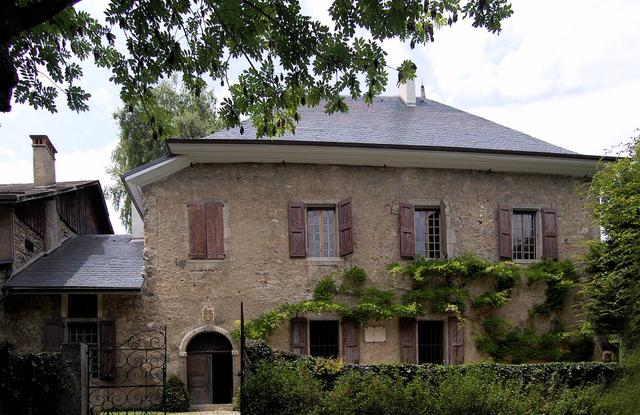
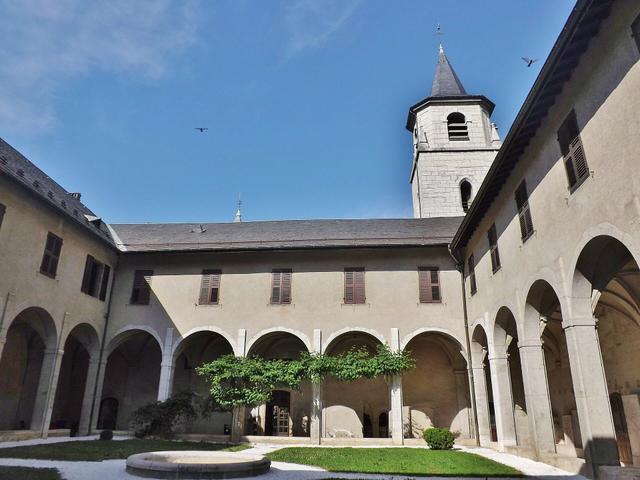
The museum occupies La Correrie, the monastery's "lower house". For centuries, these buildings housed the lay brothers, the monks responsible for manual work, along with their workshops. They also served as a printing works and as an infirmary for sick monks. The present buildings date from the 17th to the 19th century.
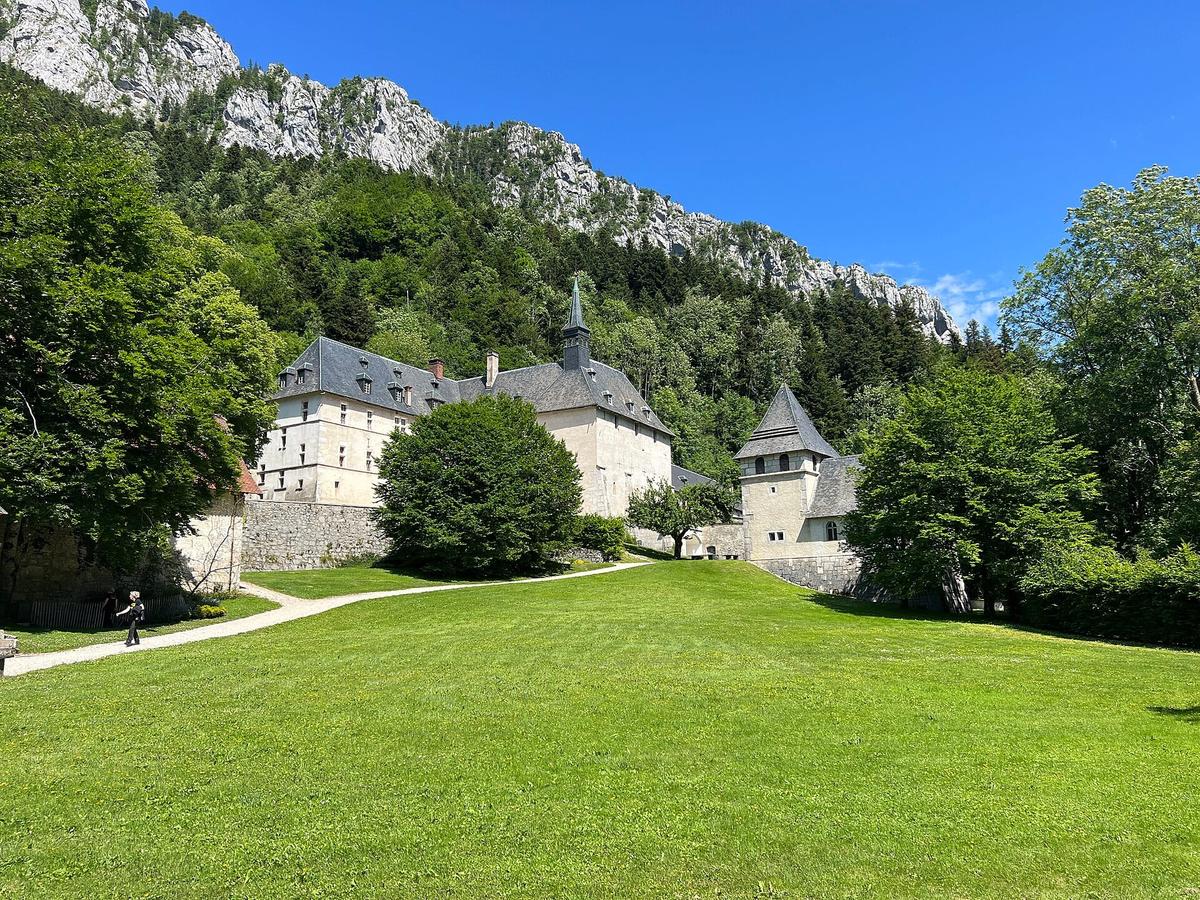

The museum opened here in 1957. It was renovated from 2009 to 2012, work that made it accessible to visitors with reduced mobility. It holds the official "Musée de France" label. The route through the museum is laid out around a cloister garden, designed by the architect Catherine Bizouard.
Wikipedia gives a figure of about 53,720 visitors a year, without saying which year. That is a lot for a museum tucked away in the mountains and open for only part of the year.
Grande Chartreuse history in a few dates
1084: the seven stars. According to the official account, Hugh, Bishop of Grenoble, dreamed of seven stars. He saw them as a sign of seven men coming to seek solitude in his mountains. Shortly afterwards, Bruno of Cologne arrived, then aged 54, with 6 companions. Hugh led them to the "desert of Chartreuse", a rocky valley covered in pine trees. There they built wooden huts and a stone oratory.
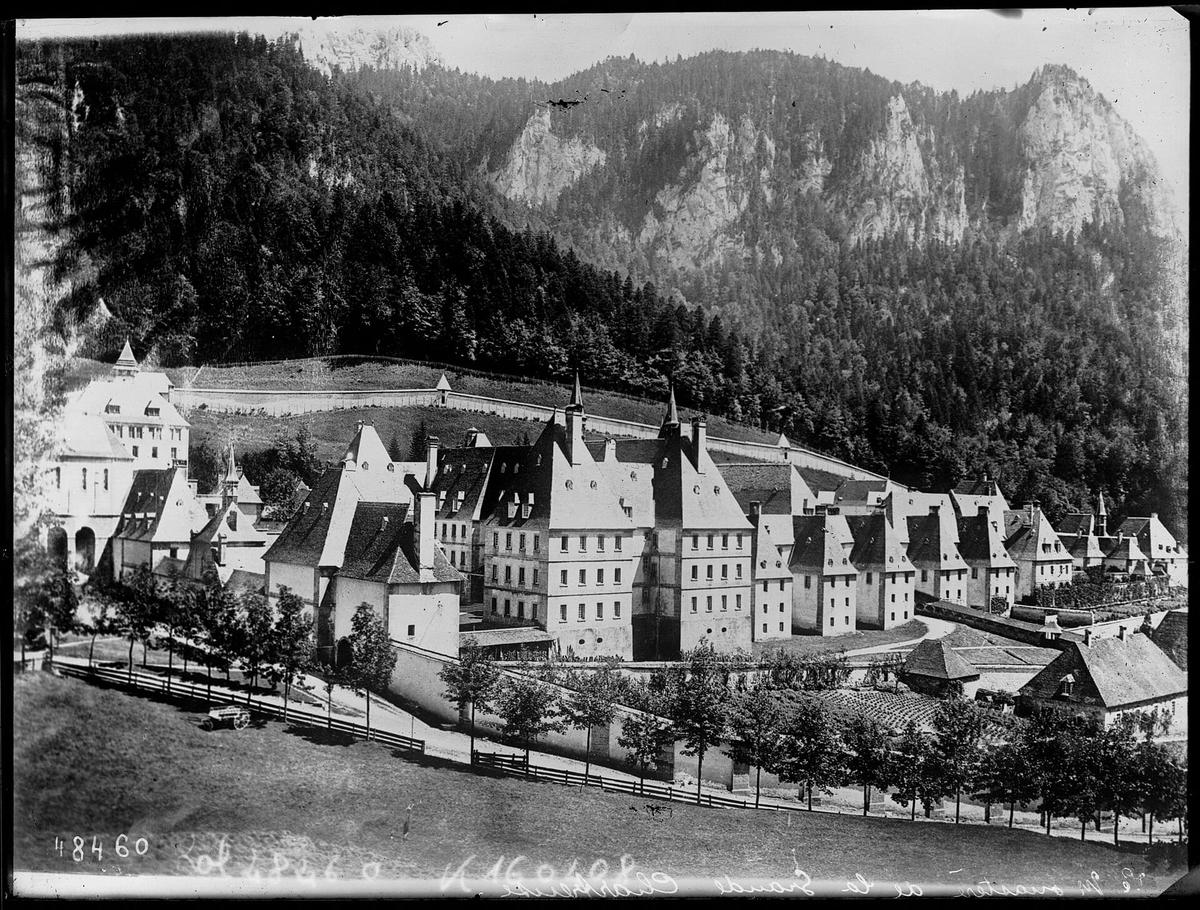

1132: the first monastery destroyed. A chronicle records that the first monastery was swept away, 48 years after Bruno's arrival. It is usually described as an avalanche; the Wikipedia article leans instead towards a rockfall that pushed the snow ahead of it.
Eight fires. Between 1320 and 1676, the monastery burned down 8 times, not eleven as is sometimes claimed. After the fire of 1676, Dom Innocent Le Masson had it rebuilt in its present form.
1903 and 1940: exile. In 1903, the Carthusians were expelled by force. They only returned in June 1940, after Italy entered the war against France.
Grande Chartreuse Museum ticket prices
2026 prices published by the museum:
- Full price: €10.
- Reduced price: €7, for students, jobseekers, disabled visitors and members of religious orders.
- Child aged 7 to 18: €4.50.
- Family pack: €22.50 for two adults and up to three children. With two children, it already works out cheaper than individual tickets.
- Under 7: free, according to the Grenoble tourist office, as are journalists and coach drivers.
The combined ticket with the cellars. For €20, a ticket for individual visitors covers both the museum and the Chartreuse cellars in Voiron. If you plan to do both, this is the one to buy.
Passes. The Grenoble tourist office says that entry is included in the Grenoble Pass (G-Pass). The museum also accepts French chèques vacances, chèque culture, the Pass'Région card and the Pass Culture (online only).
Groups. Booking is required for groups of 20 or more. Groups can be received all year round by appointment.
Do you need to book?
For an individual visit, booking is not required: the official website has a booking page, but you can buy your ticket on site. Booking online is only useful if you want to pay with the Pass Culture, which only works through the online ticket office.
Guided tours run from 8 April 2026 to 28 August 2026. Places are limited: check with the museum before you come.
For a full day in the mountains, with a guide or on a guided hike, here are the activities on offer around the Chartreuse:
Partner links: if you book through these links, we earn a commission at no extra cost to you. Partner links · Learn more
Opening hours 2026: when is the museum open?
Opening hours published by the museum for the 2026 season:
- From 28 March 2026 to 14 June 2026: every day, 14:00 – 18:00, except Thursdays.
- From 15 June 2026 to 15 September 2026: every day, 10:00 – 12:30 and 14:00 – 18:30. The website lists only the afternoon for Sundays.
- From 16 September 2026 to 11 November 2026: every day, 14:00 – 18:00, except Thursdays.
The ticket office closes 45 minutes before the museum. If you arrive an hour before closing, you will not have much time left.
It is closed in winter. The museum does not open outside the season. When we checked, on the very day of the 2026 closing, the reopening dates for the following year had not been published. Previous seasons have started in late March: check the official website before planning a spring trip.
Our tip: in spring and autumn, the museum only opens in the afternoon. Use the morning for a walk, then visit the museum afterwards. In summer, arrive when it opens in the morning: the Route du Désert is quieter and you will have time to walk up towards the monastery before lunch. And remember Thursday, the closing day outside summer.
How long does it take to visit?
The museum does not give an official visiting time. Allow at least a good part of the afternoon if you add the walk up to the surroundings of the monastery: Wikipedia puts it at about twenty minutes each way.
With the Chartreuse cellars in Voiron, a full day is realistic: the museum in the morning in summer (or the afternoon the rest of the year), then the drive down to Voiron.
What to see at the Grande Chartreuse Museum
The life of the Carthusians. The museum is designed to help you understand a life that nobody can see with their own eyes: solitude, prayer, work, and how life is shared between the fathers and the brothers. This is the museum's main subject, and the reason it appeals even to visitors with little interest in religious art.
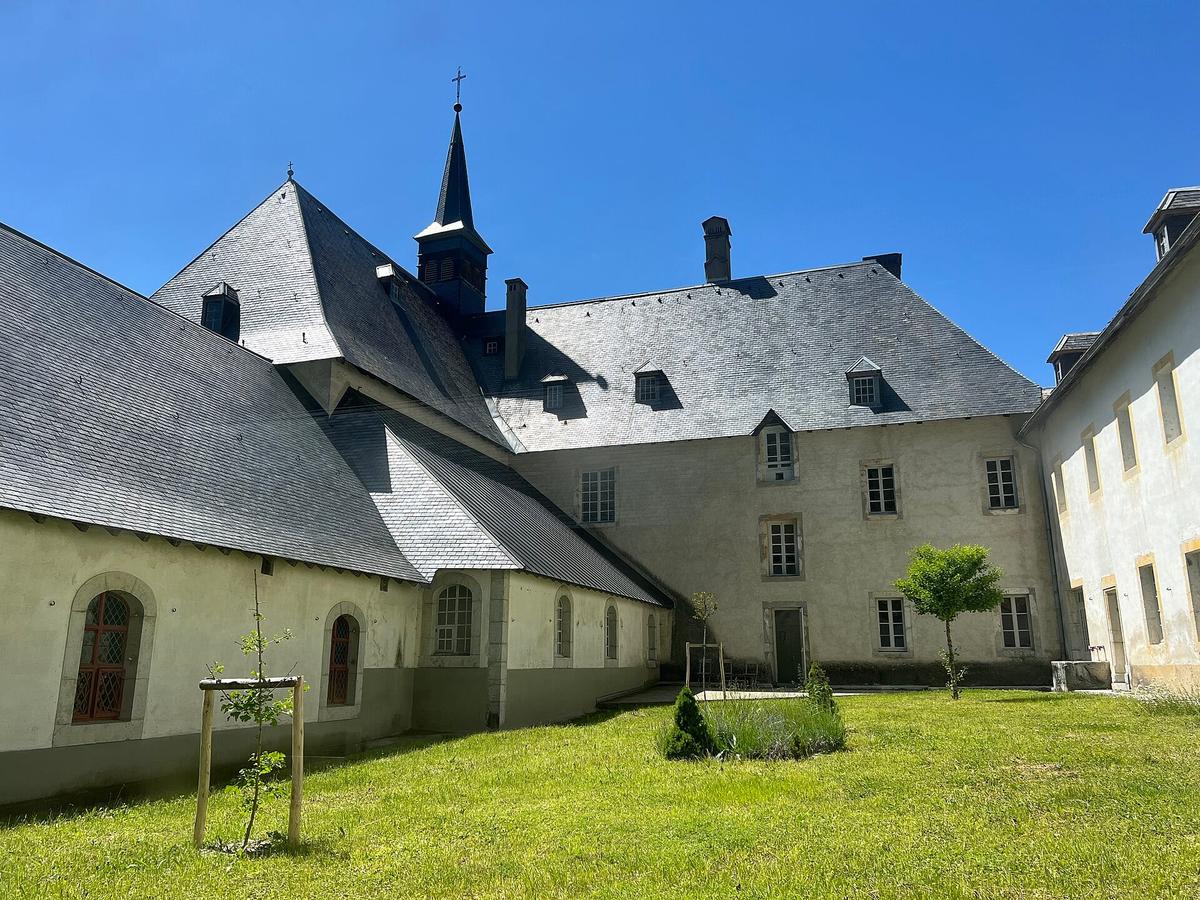

The cloister garden. The route circles a cloister garden. It gives you an idea of the enclosed space around which a Carthusian monastery is organised.
The 79 paintings of charterhouses. The museum holds 79 paintings of Carthusian monasteries from all over the world. Most were painted at the end of the 17th century, many commissioned by Dom Innocent Le Masson, the same man who had the Grande Chartreuse rebuilt. All 79 works are protected as historic monuments. They show how far the order had spread at its height.
The monastic shop. It sells products made by the Carthusians and by other monastic communities.
Chartreuse liqueur: a curious story
The green liqueur named after the mountains is closely linked to the monastery. According to Wikipedia, the recipe was given to the Carthusians in 1605 by François-Annibal d'Estrées. It is still the order's main source of income today: in 2015, about 1,500,000 bottles were sold, and the proceeds fund the order and its charitable work. The liqueur is not made at the museum but in Voiron.
Into Great Silence, the film shot inside the monastery
If you want to see inside the monastery, the only way is through film. Into Great Silence (Die große Stille), by German director Philip Gröning, released in 2005, was filmed inside the Grande Chartreuse. Watching it before you come gives the museum visit a different meaning.

Visiting with children
The tourist office recommends the museum from age 7. Children are given a booklet to guide them round. Under-7s go free and the family pack keeps the bill down.

A few tips:
- Explain before the visit that you will not see any monks. The booklet helps make the subject concrete.
- The walk to the monastery is good exercise, but it is uphill: wear good shoes.
- Dress everyone warmly: you are in the mountains, and the tourist office advises bringing a jacket in every season.
Accessibility
The museum has been accessible to visitors with reduced mobility since the renovation. The entrance and outdoor path are step-free, a lift serves the upper floors and accessible toilets are available, according to the Acceslibre listing confirmed by the museum in January 2026. Wheelchairs can be borrowed and there is a drop-off point in front of the entrance. Visitors with hearing loss can use a portable induction loop and written versions of the audio commentary.
Animals are not allowed, except assistance dogs.
How to get to the Grande Chartreuse Museum
By car. This is the easiest way. The museum is on the Route du Désert, above Saint-Laurent-du-Pont and below Saint-Pierre-de-Chartreuse. There is a car park nearby.
- From Grenoble: go over the Col de Porte (D512), then through Saint-Pierre-de-Chartreuse.
- From Voiron or Lyon: drive up via Saint-Laurent-du-Pont (D520B). This road goes through tunnels with a height limit of 3.8 m: tall motorhomes and double-decker coaches will not fit.
- From Chambéry: the RD912 has a height limit of 3.5 m.
In winter and spring, these mountain roads can be snowy. Check the state of the passes before setting off.
By public transport. The Acceslibre listing does not mention any public transport stop near the museum. Without a car, the visit is difficult.
Renting a car. Grenoble is the most convenient place to rent a car and combine the Chartreuse mountains, Voiron and the Bastille.
What to combine with the museum on the same day
| Also worth seeing | Distance | Travel time |
|---|---|---|
| Chartreuse Cellars | 30 km | 40 min by car |
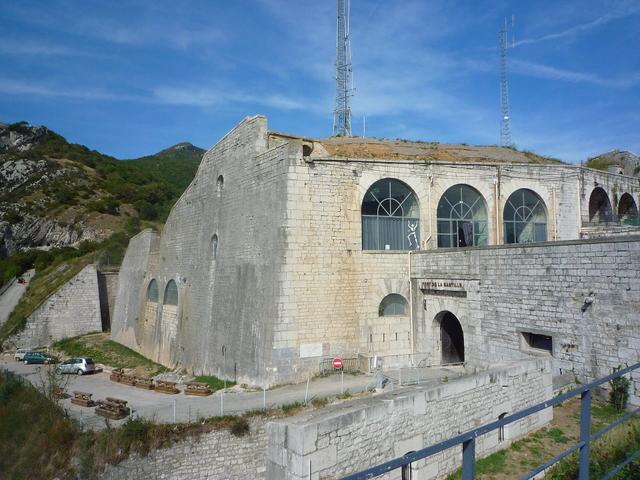
| Grenoble Bastille | 30 km | 45 min by car |
| Les Charmettes, Jean-Jacques Rousseau's house | 35 km | 45 min by car |
Approximate road distances and travel times.
The Chartreuse cellars in Voiron are the natural next stop: you see where the liqueur is aged, and the combined ticket brings the price down. See also: Chartreuse Cellars On the other side of the mountains, Grenoble is reached via the Col de Porte. The Bastille cable car gives you a view of the Chartreuse you have just left. See also: Grenoble Bastille In town, the Musée de Grenoble and the Musée Dauphinois, housed in a former convent, round off the day. See also: Musée de Grenoble, Musée Dauphinois
On the Savoie side, Les Charmettes, the house near Chambéry where Jean-Jacques Rousseau lived, and Hautecombe Abbey, another place of monastic life on the shores of Lac du Bourget, are within easy driving distance. See also: Les Charmettes, Jean-Jacques Rousseau's house, Hautecombe Abbey Further south, in the Vercors, the Choranche caves make a good family outing. See also: Choranche Caves, French Alps
Where to eat and stay
The museum does not list a restaurant. The village of Saint-Pierre-de-Chartreuse, a few kilometres away, has restaurants, shops and accommodation. It is also a mountain resort, in summer and winter alike.
For somewhere to stay, Saint-Pierre-de-Chartreuse is the closest base if you want to stay in the mountains. Voiron suits you if you are going on to the cellars, and Grenoble has the most choice.
Places to stay near Saint-Pierre-de-Chartreuse
FAQ
Can you visit the Grande Chartreuse monastery?
No. The monastery is closed to the public and the monks do not receive visitors. The museum at La Correrie, about twenty minutes' walk below, is the place open to the public.
How much does the Grande Chartreuse Museum cost?
€10 per adult, €7 reduced price, €4.50 for ages 7 to 18 and €22.50 for the family pack. The combined ticket with the Voiron cellars costs €20.
Is the museum open in winter?
No. The 2026 season runs from 28 March 2026 to 11 November 2026. The museum is closed the rest of the year.
Which day is the museum closed?
Thursday, in spring and autumn. In summer it is open every day.
Where is Chartreuse liqueur made?
Not at the museum. The cellars can be visited in Voiron, 30 km away.
Is the museum wheelchair accessible?
Yes. The entrance is step-free, a lift serves the upper floors and wheelchairs can be borrowed.
Practical information
Opening hours 2026
| 28 March 2026 to 14 June 2026 | 14:00 – 18:00 (Closed: Thursday) |
|---|---|
| 15 June 2026 to 15 September 2026 | 10:00 – 18:30 |
| 16 September 2026 to 11 November 2026 | 14:00 – 18:00 (Closed: Thursday) |
Official ticket-office prices 2026
| Full price | €10 |
|---|---|
| Reduced rate | €7 |
| Child (aged 7–18) | €4.50 |
| Family ticket | €22.50 |
| Free | children under 7 and journalists |
Address
Musée de la Grande Chartreuse, La Correrie, 670 route du Désert, 38380 Saint-Pierre-de-Chartreuse, France
Directions · Phone+33 4 76 88 60 45
On site and nearby
- On site: Toilets
- Nearest shops and pharmacy: Saint-Pierre-de-Chartreuse, 2 km away Straight-line distance, based on OpenStreetMap.
- Emergencies: 112 (all emergencies, free from any phone), 15 (SAMU, medical emergency)
Around the site, on Google Maps
With children
Family days out nearby: Grenoble Bastille (18 km), Musée Dauphinois (18 km), Musée de Grenoble (18 km)
Swimming pools and play areas nearby, on Google Maps
Swimming poolsPlaygroundsLeisure parks
Family activities around Saint-Pierre-de-Chartreuse on GetYourGuide
Facts checked on 11 November 2026. Sources: musee-grande-chartreuse.fr, musee-grande-chartreuse.fr, grenoble-tourisme.com, fr.wikipedia.org, fr.wikipedia.org, en.wikipedia.org, musee-grande-chartreuse.fr, acceslibre.beta.gouv.fr
Map
In the same region