Musée de Grenoble: planning your visit
Musée de Grenoble at a glance
- 2 January 2026 to 31 December 2026
- 10:00 – 18:30 (closed on Tuesday)
- Admission
- Free
- Free
- under 26
- Visitors per year
- 228,689 (2019)
- Where
- Grenoble
Facts checked on 11 November 2026. Full opening hours, reduced prices and access
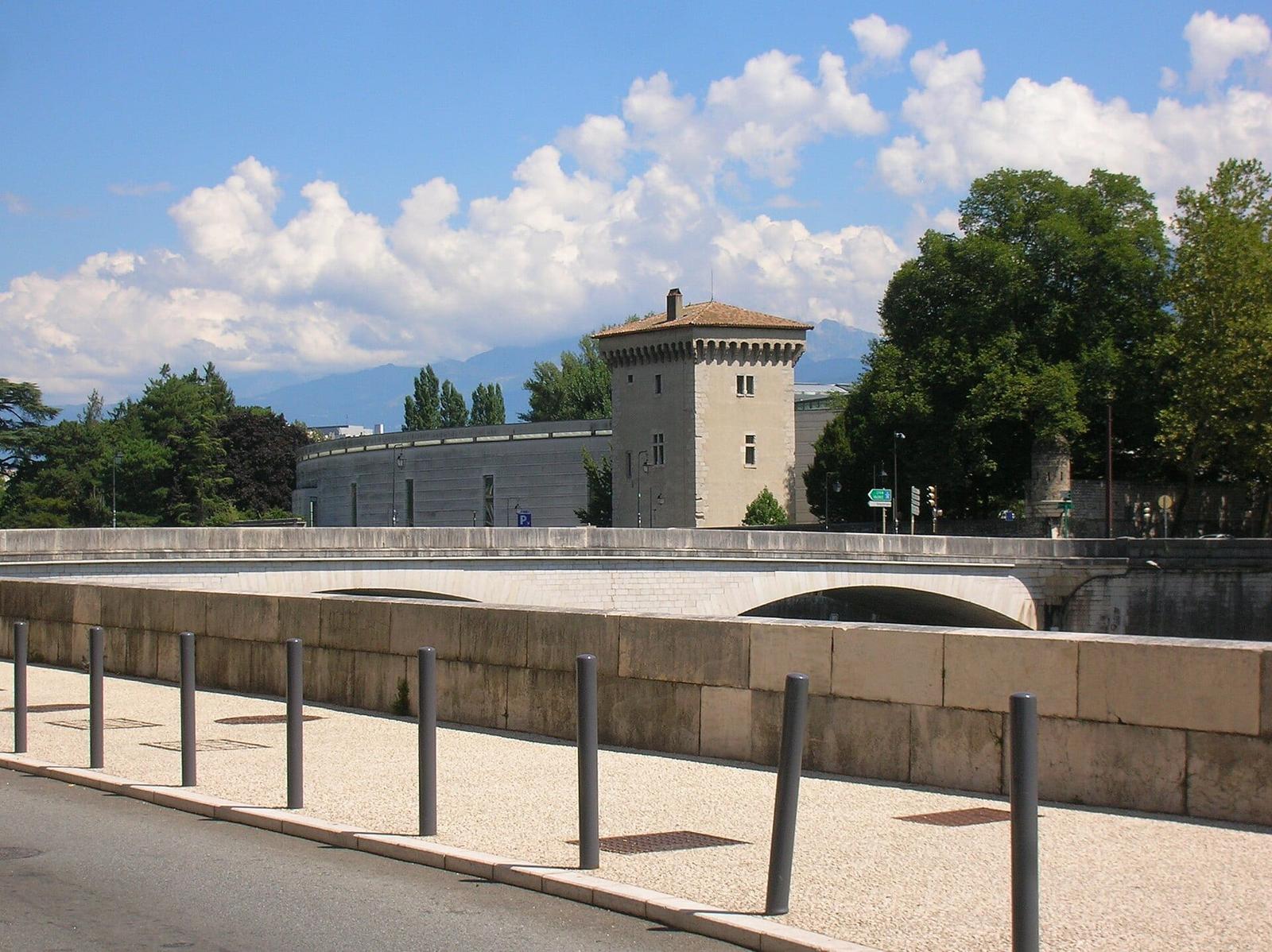

On the banks of the Isère, at the foot of the Bastille, the Musée de Grenoble displays eight centuries of painting, from ancient Egypt to artists working today. It was the first museum in France to open its doors to modern art, and its permanent collections are free. Here are the opening hours, what you pay for, the current exhibitions, the works not to miss and our tips for the visit.
Musée de Grenoble at a glance
- Where: place de Lavalette, in central Grenoble, between Notre-Dame Cathedral and the Isère embankments.
- Price: permanent collections free for everyone. Only the year's major temporary exhibition is charged (€14, reduced €7), and it is free for under-26s.
- Open: daily except Tuesday, 10:00 – 18:30. Closed on 1 January, 1 May and 25 December.
- Getting there: tram B or D, Notre-Dame Musée stop, with a car park under the museum.
- Time needed: two to three hours for the collections, an hour more with an exhibition.
- Best for: painting lovers of every level, families on a rainy day, and visitors in a hurry who want to see Picasso, Matisse or Monet for free.
Why visit the Musée de Grenoble
The Musée de Grenoble is one of France's great fine art museums outside Paris. It holds around 25,000 works, of which some 900 are on permanent display in 57 rooms. The route runs from ancient Egypt to contemporary art, in chronological order, which makes the visit easy to follow.
Its reputation rests above all on 20th-century art. Between 1919 and 1949, curator Pierre Andry-Farcy bought and secured works by artists who were highly controversial at the time. Thanks to him, Grenoble is regarded as France's first modern art museum, long before the National Museum of Modern Art opened in Paris.
The museum welcomed 228,689 visitors in 2019, its last full year before the pandemic according to published figures.
Is the Musée de Grenoble free?
Yes, for the most part. The permanent collections are free for everyone, all year round. The smaller temporary exhibitions are free too, whatever your nationality.
Only the year's major temporary exhibition is charged:
- Full price: €14.
- Reduced rate: €7, with proof, in particular for large families, TAG public transport pass holders, Grenoble City Pass holders and Grenoble residents.
- Free: under-26s, jobseekers, people on welfare benefits, disabled visitors and their companion, veterans, asylum seekers.
On the first Sunday of the month, the whole museum is free, paid exhibition included. The same applies during the Night of Museums, the European Heritage Days and a few other events.
Good to know right now. In November 2026, both exhibitions on show are free (see below). The next major exhibition opens in March 2027.
Do you need to book?
Not for the permanent collections. You walk straight in, with no ticket to buy in advance. For the major paid exhibition, the museum's online ticket office lets you buy your ticket before you come, which saves queuing at the front desk at weekends and during school holidays.
Guided tours and workshops are listed in the events calendar on the official website. Groups must book.
Opening hours 2026 and best time to visit
- Daily except Tuesday: 10:00 – 18:30.
- Ticket desks: close at 18:00, half an hour before the museum.
- 24 and 31 December: early closing at 17:30.
- Closed: on 1 January, 1 May and 25 December.
The Tuesday trap. The museum is closed on Tuesdays, like many municipal museums in France. If you only have one day in Grenoble, check the day first.
Our tip: come at opening time on a weekday. The rooms are quiet and the light through the big windows overlooking the Isère and the Bastille is lovely in the morning. On the first Sunday of the month, the museum draws bigger crowds, especially when a paid exhibition is on.
How long does it take to visit?
Allow two to three hours to see the permanent collections without rushing. The museum is big: the building covers 18,270 m², and the rooms follow one another along a long, single-level route. Add an hour for a temporary exhibition.
If you are short of time, focus on 20th-century painting (Matisse, Picasso, Monet) and the large 17th-century canvases. The museum also offers a "masterpieces trail" that takes in the main works.
What to see at the Musée de Grenoble
The four Zurbaráns. Four large canvases by the Spanish painter, which came to the museum in 1901, are among the most admired works in the old master collections. They come from the altarpiece of the Charterhouse of Jerez de la Frontera, in Andalusia.
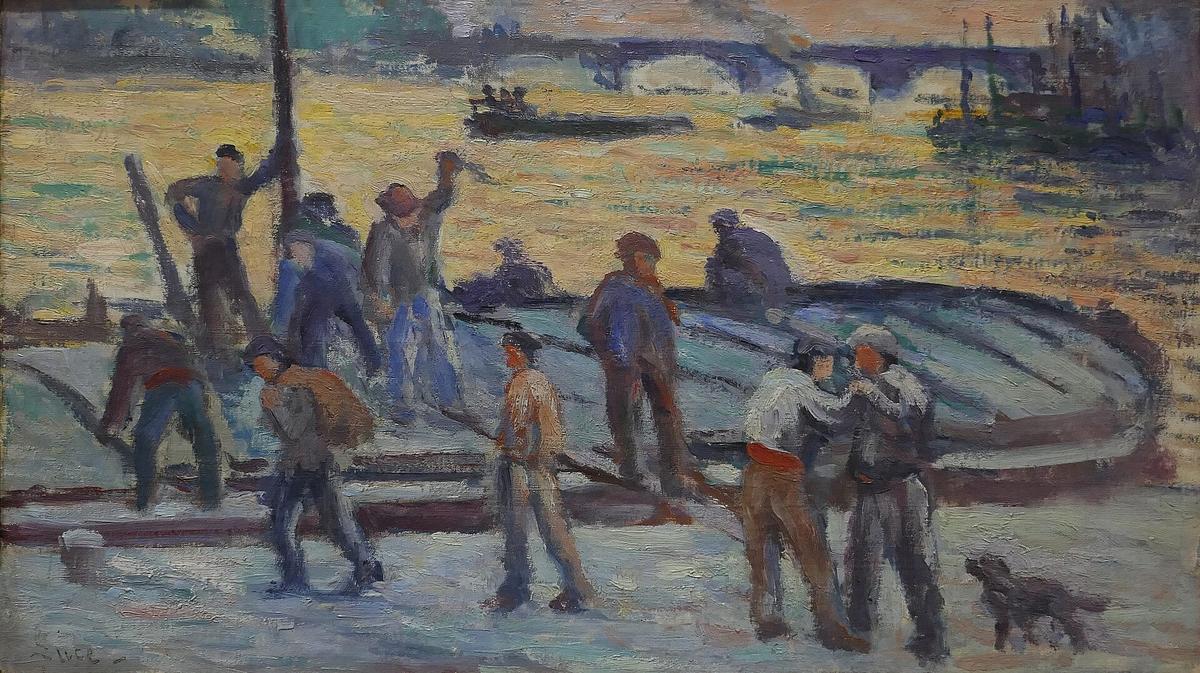

Rubens. The large painting Saint Gregory the Great surrounded by Saints is one of the highlights of the 17th-century rooms.
Matisse. Interior with Aubergines is one of the museum's most famous paintings. Its large, colourful patterns cover the whole canvas. Matisse himself gave a work to the museum in the 1920s.
Picasso. Woman Reading came to the museum in 1921. It was the first Picasso painting acquired by a French public collection, a bold decision at the time.
Monet. In 1923, the painter agreed to give Corner of the Pond at Giverny to the museum.
Contemporary art. The basement rooms show art after 1945, including a portrait of Jackie Kennedy by Andy Warhol.
The Tour de l'Isle. This defensive tower, completed in 1401, is linked to the museum by a footbridge. It hosts exhibitions of drawings and prints. It is one of the oldest buildings in Grenoble.
The sculpture garden. The Parc Albert-Michallon, next to the museum, displays outdoor sculptures across 16,000 m² of wooded grounds. Entry is free.
The Egyptian antiquities. The museum has a fine collection of coffins and mummy cases, enriched by a major gift in 1916. Note: the Egyptian department is temporarily closed for renovation. Do not come for it alone.
Current and upcoming exhibitions
- Anne Truitt. Freeing Colour, from 3 October 2026 to 10 January 2027. Around 80 sculptures, paintings and drawings by the American artist, a pioneer of Minimalism. Free entry.
- Edmund Kesting. Painter, Photographer, Advertiser, from 14 November 2026 to 7 February 2027. Free entry.
- Stories of Landscapes. From Monet to Hockney (1890-2026), from 6 March 2027 to 4 July 2027. More than 160 loans, from Monet and Munch to Hockney, in partnership with the Musée Marmottan Monet. Check the price on the museum's website closer to the opening.
A little history
The museum was founded in 1798, in the middle of the French Revolution, on the initiative of Louis-Joseph Jay, a drawing teacher. He launched a public subscription among the townspeople to buy the first works, making Grenoble one of the first museums in France founded by its citizens. It opened in 1800 in the former bishops' palace.
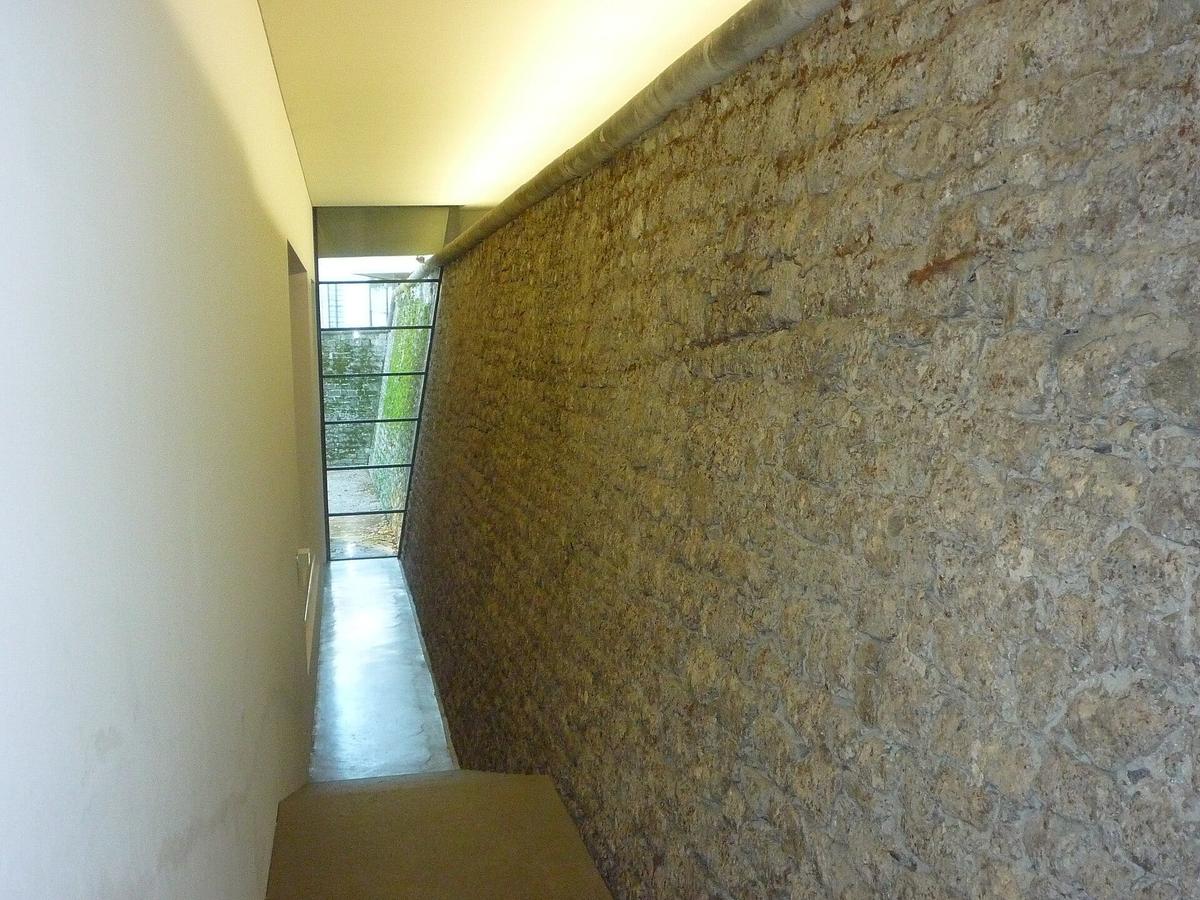

A twist: the Concordat signed by Bonaparte in 1801 returned the bishop's palace to religious use. The museum had to move out almost as soon as it had moved in. For more than a century it then occupied a large building on place de Verdun, which it shared with the library.
During the Second World War, Andry-Farcy was arrested by the Gestapo in 1943 and interned at Compiègne until 1944. He then returned to his post until 1949.
The present building, inaugurated in 1994, is the work of the Grenoble architecture firm Groupe 6. Its long, pale volume stretches along the Isère, facing the slopes of the Bastille.
Visiting with children
The museum is a good family outing, all the more so because entry is free: you can come for an hour, leave and return another day. The museum runs tours and workshops for 6 to 11-year-olds during the French school holidays, with registration: the programme is in the website's events calendar.
A few tips:
- Head straight for modern art: Matisse's big flat areas of colour appeal to children, and the chronological layout lets you play at guessing when a painting was made.
- The sculpture garden is good for a break outdoors between rooms.
- Pushchairs: the cloakroom lends them, subject to availability. Baby carriers, on the other hand, must be left at the cloakroom before entering the galleries.
Accessibility
Most areas are served by three lifts, but access is not complete. The forecourt has steps: for step-free entry, go through the car park, where a lift takes you to the front desk. The ramps down to levels -1 and -2, where the contemporary art rooms are, are not suitable for wheelchairs, and the upper floors of the Tour de l'Isle have no lift.
The cloakroom lends wheelchairs and folding seats. Only guide dogs are allowed. There is a drop-off point in front of the museum.
Cloakroom compulsory. Suitcases, backpacks, umbrellas, helmets, baby carriers and selfie sticks must be left at the free cloakroom. Large suitcases are refused under the Vigipirate security plan: do not come straight from the station with your luggage.
How to get there
By tram. Lines B and D, Notre-Dame Musée stop, right in front of the museum. From the SNCF train station, take tram B towards Gières Plaine des sports: the ride is short and direct.
By bus. Lines 17, 62, Notre-Dame Musée stop.
On foot. From the historic centre and place Grenette, allow about ten minutes. The museum is a few minutes' walk from the Bastille cable car.
By car. From Lyon on the A48, take the Grenoble Bastille exit. From Chambéry on the A41, take the Grenoble Centre exit. There is a public car park under the museum, with entrances on quai Jongkind and boulevard Maréchal-Leclerc.
Renting a car. You do not need one for the museum itself, but it is useful for exploring around Grenoble: Château de Vizille, the Chartreuse, the Vercors. Lyon Saint-Exupéry airport, about an hour away, has a direct airport bus to Grenoble and car rental desks.
What to combine it with on the same day
| Also worth seeing | Distance | Travel time |
|---|---|---|
| Grenoble Bastille | 0.6 km | 10 min on foot |
| Musée Dauphinois | 0.8 km | 12 min on foot |
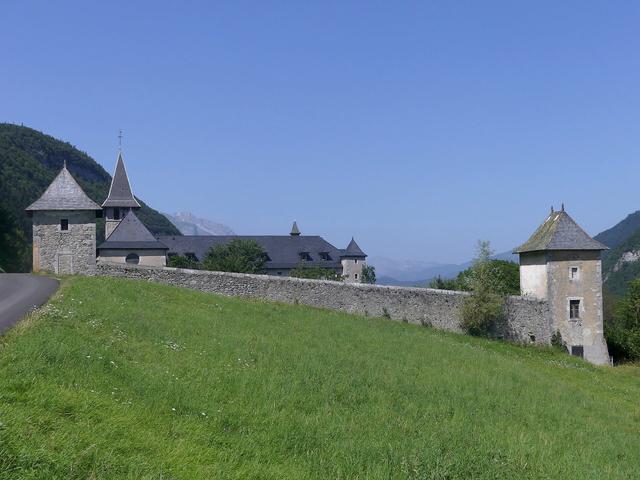
| Château de Vizille | 20 km | 30 min by car |
Approximate road distances and travel times.
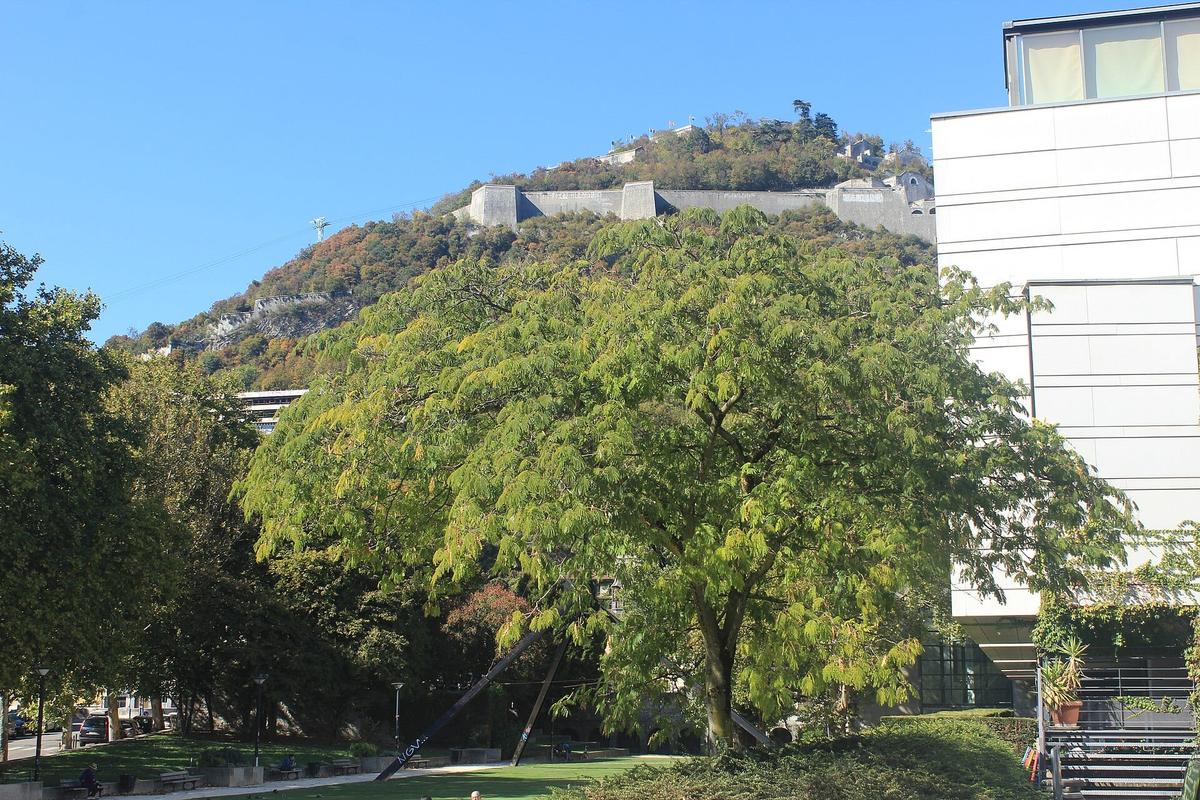

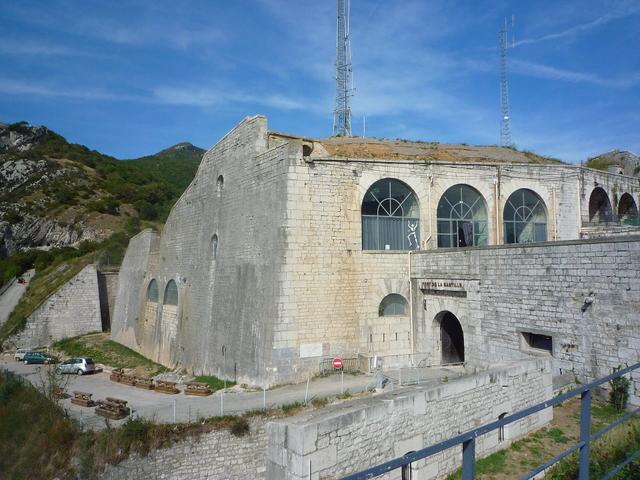
The Bastille. The cable car leaves from quai Stéphane-Jay, a few minutes' walk away. The "bubbles" climb to the fort in a few minutes, with views over the city and the Alps. Do it before or after the museum, depending on the weather. See also: Grenoble Bastille
The Musée Dauphinois. Across the Isère, on the slopes of the Bastille, it tells the story of life in the Alps. It is free too. See also: Musée Dauphinois
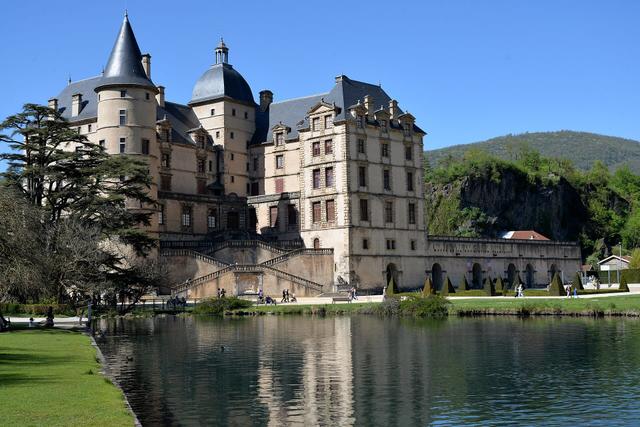
Château de Vizille. Half an hour to the south, it houses the Museum of the French Revolution, in a large park. See also: Château de Vizille
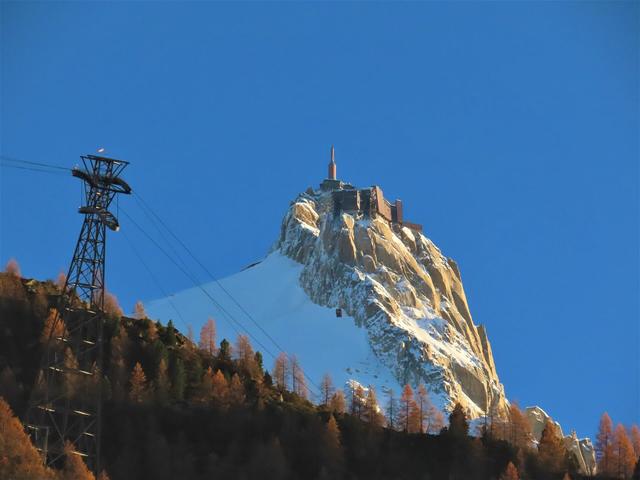
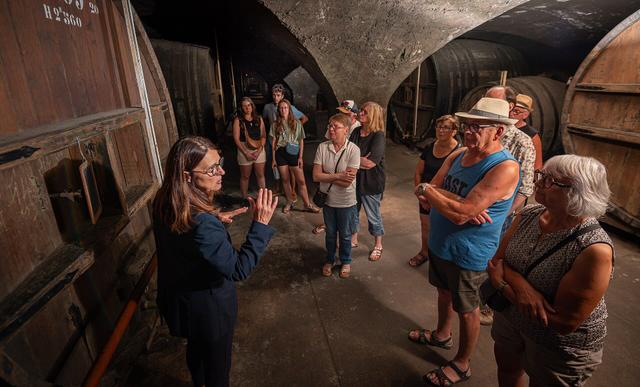
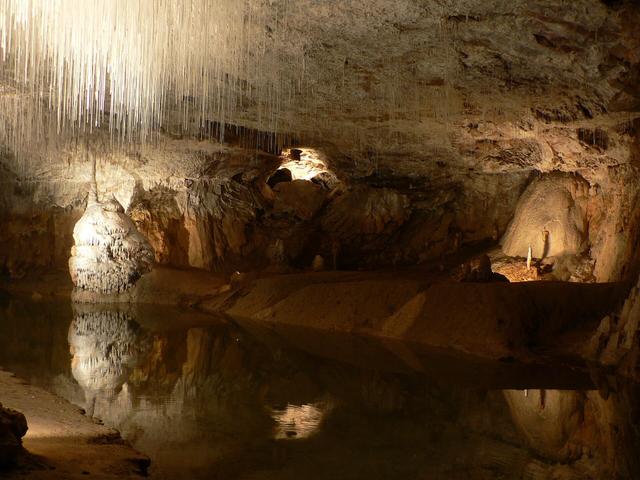
Further afield, the Chartreuse cellars in Voiron and the Choranche caves in the Vercors make good day trips from Grenoble. See also: Chartreuse Cellars, Choranche Caves, French Alps
Partner links: if you book through these links, we earn a commission at no extra cost to you. Partner links · Learn more
Where to eat and stay
Eating. The museum has its own restaurant, handy for breaking up a long visit. The Notre-Dame quarter and place Saint-André, a few streets away, have plenty of cafés and restaurants. Food is not allowed inside the museum.
Staying. Central Grenoble, between the station and place Victor-Hugo, is the most convenient base: everything is within walking distance or a tram ride. For a quiet night, the hotels in the Île Verte quarter, east of the museum, are a few minutes' walk away.
FAQ
Is the Musée de Grenoble free?
Yes, the permanent collections are free for everyone. Only the major temporary exhibition is charged, and it is free for under-26s and for everyone on the first Sunday of the month.
Which day is the Musée de Grenoble closed?
Tuesday, as well as 1 January, 1 May and 25 December.
What are the most famous works?
Picasso's Woman Reading, Matisse's Interior with Aubergines, the four Zurbaráns, the large Rubens and Monet's Corner of the Pond at Giverny.
How much time should I allow?
Two to three hours for the permanent collections, an hour more for an exhibition.
How do I get to the museum from the station?
Take tram B towards Gières Plaine des sports and get off at Notre-Dame Musée.
Can I bring a suitcase?
No. Large suitcases are refused, and backpacks must be left at the cloakroom.
Practical information
Opening hours 2026
| 2 January 2026 to 31 December 2026 | 10:00 – 18:30 (Closed: Tuesday) |
|---|
Closed: 1 January, 1 May, and 25 December
Official ticket-office prices 2026
Free admission
Address
Musée de Grenoble, 5 place de Lavalette, 38000 Grenoble, France
Directions · Phone+33 4 76 63 44 44
On site and nearby
- On site: Toilets and food and drink
- Nearest shops and pharmacy: Grenoble, less than 1 km away Straight-line distance, based on OpenStreetMap.
- Emergencies: 112 (all emergencies, free from any phone), 15 (SAMU, medical emergency)
Around the site, on Google Maps
With children
Family days out nearby: Grenoble Bastille (0 km), Musée Dauphinois (0 km), Château de Sassenage (6 km)
Swimming pools and play areas nearby, on Google Maps
Facts checked on 11 November 2026. Sources: museedegrenoble.fr, museedegrenoble.fr, alpes-isere.com, fr.wikipedia.org, museedegrenoble.fr
Map
In the same region