Matisse Museum in Le Cateau-Cambrésis: how to plan your visit
Matisse Museum, Le Cateau-Cambrésis at a glance
- Full price
- €8
- Visitors per year
- about 78,000 (2025)
- Where
- Le Cateau-Cambrésis
Official ticket-office prices, checked on 11 November 2026. Full opening hours, reduced prices and access
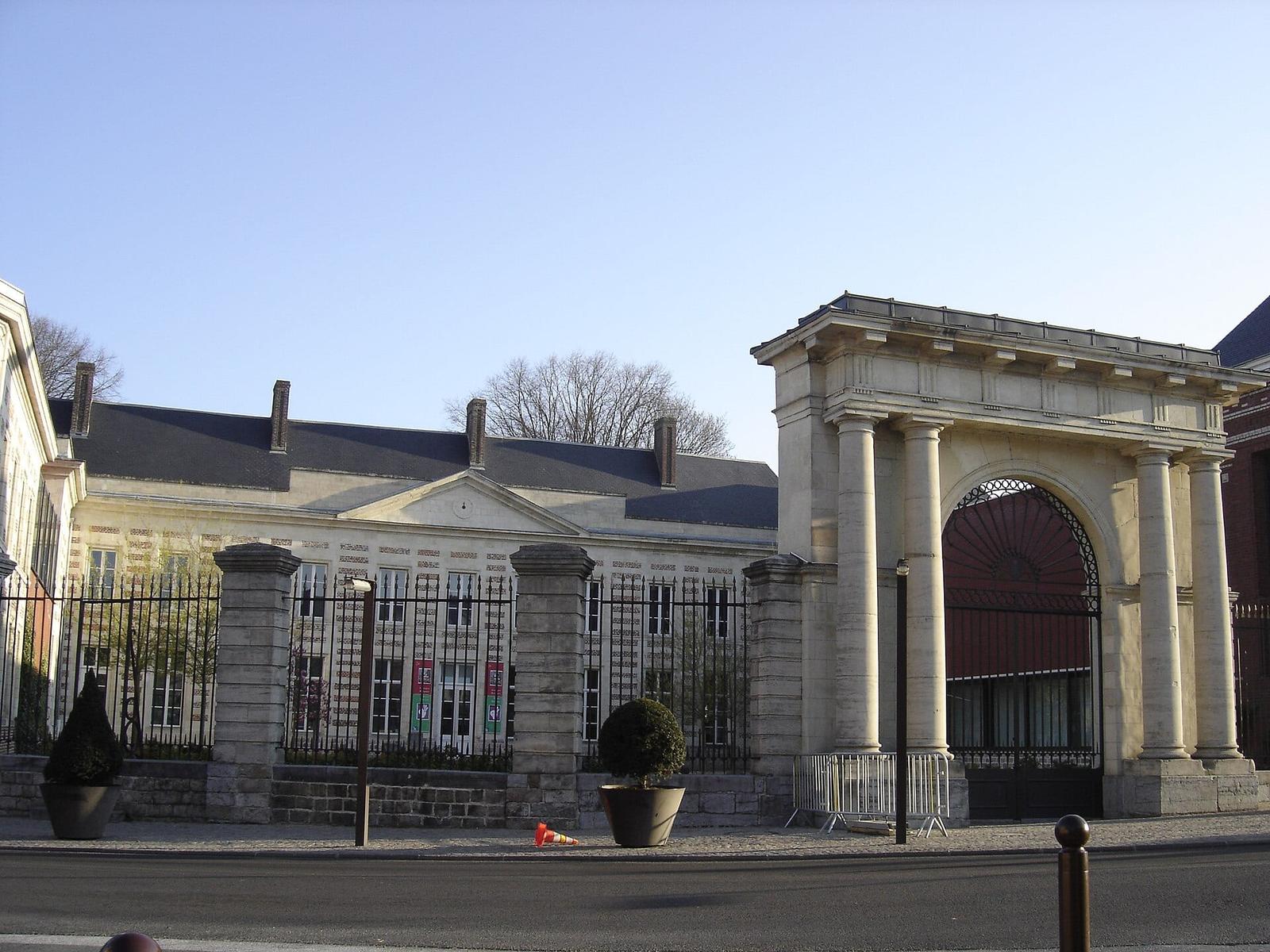

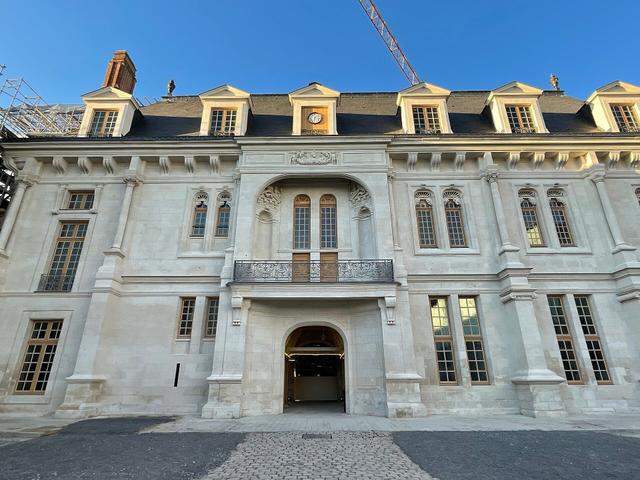
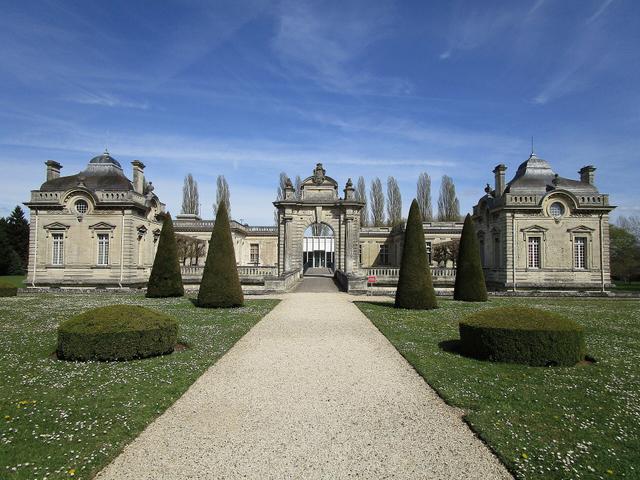
Henri Matisse was born in Le Cateau-Cambrésis, and in 1952 he founded the museum of his home town himself. Housed in the Palais Fénelon, the former residence of the archbishops of Cambrai, it reopened at the end of 2024 after two years of work, extended into a former covered market. Here are the prices, opening hours, what to see and how to get there.
Matisse Museum at a glance
- Where: in the centre of Le Cateau-Cambrésis (Nord), 25 km south-east of Cambrai.
- Price: €8 full price, €6 reduced. Free entry on the first Sunday of every month.
- Open: every day except Tuesday. On weekdays 10:00 – 12:30 and 14:00 – 18:00; at weekends 10:00 – 18:00 without a break.
- Closed: on Tuesdays, and on 01-01, 05-01, 11-01 and 12-25.
- Visitors: 78,000 in the year after the reopening, more than twice the 2022 figure.
- Good to know: the museum closes at lunchtime on weekdays. Come at the weekend if you do not want to split your visit.
Why visit the Matisse Museum in Le Cateau
Henri Matisse was born in Le Cateau-Cambrésis on 31 December 1869 and grew up in Bohain-en-Vermandois, 15 km away. He left the region for Paris and then Nice, but kept a bond with his birthplace. On 8 November 1952, he founded a museum there himself and gave it 82 works. He chose how they were hung. At first, everything fitted into the wedding room of the town hall.
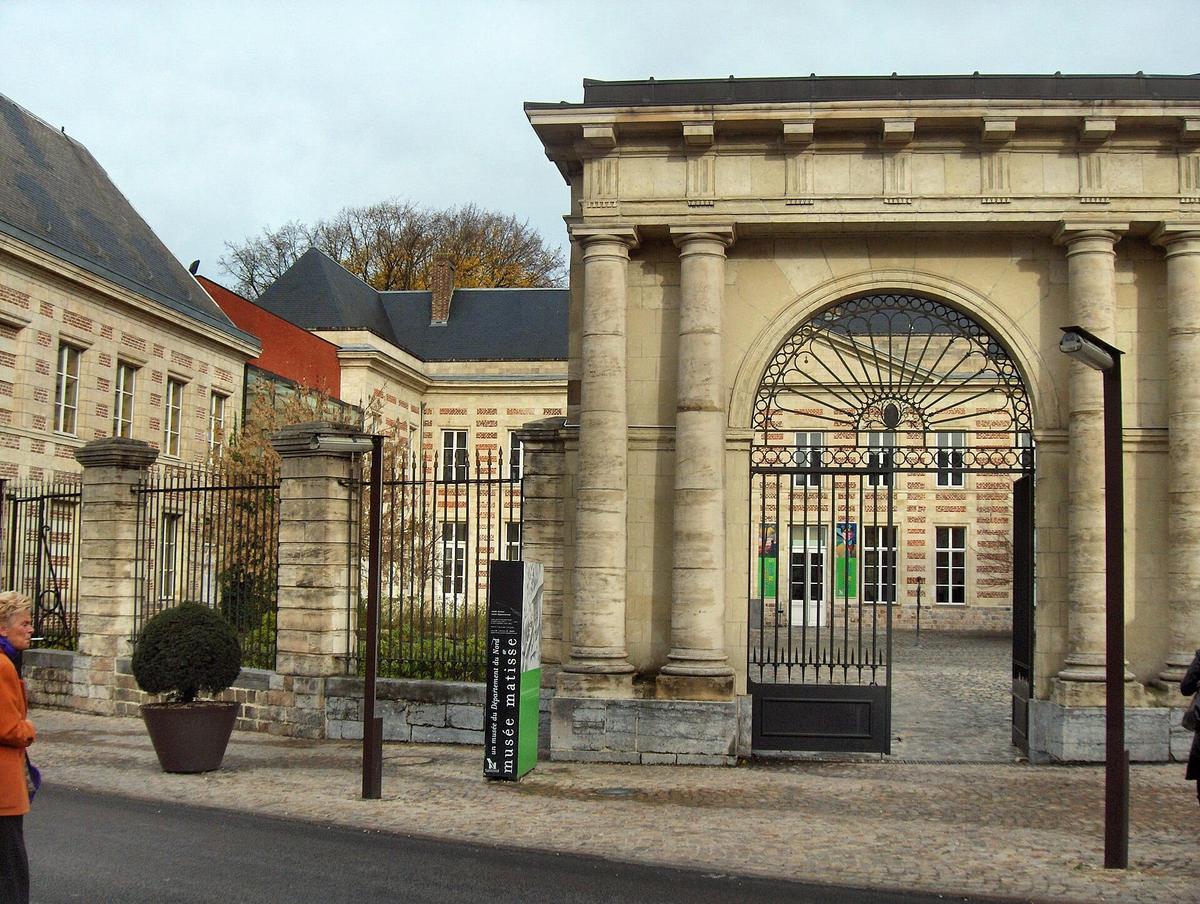

It is one of the few museums the painter set up in his own lifetime, and one of the largest Matisse collections in France. According to the French Ministry of Culture, the collection now holds 783 works and objects by Matisse.
Two other collections make it more than a single-artist museum:
- The Auguste Herbin collection. The abstract painter, also born in the Cambrésis, gave works to the museum in 1956, following Matisse's example.
- The Tériade donation. Tériade, a Greek-born art publisher, published Matisse's great books, including Jazz. From 2000, his widow Alice gave a collection of works and books by Picasso, Matisse, Chagall, Léger, Miró, Giacometti and Rouault.
The collections in figures
The Ministry of Culture published the inventory of the three main collections at the reopening:
- Matisse: 783 works and objects, from the first canvases to the paper cut-outs, through drawings, prints, sculptures and books.
- Herbin: 92 works and objects. The core is the 1956 donation, 24 abstract works given by the painter.
- Tériade: 590 works and objects, mostly artists' books and works on paper.
Matisse and northern France
Matisse was not destined to be a painter. The son of seed merchants in Bohain, he studied law and worked as a solicitor's clerk in Saint-Quentin. It was while recovering from an illness, at around 20, that his mother gave him a box of paints. According to SNCF Connect, his first paintings were made in Bohain, in the family home.
He then went to study in Paris and never lived in the north again. But he kept ties with his region, and it was his home town, not Paris or Nice, that he asked to create a museum in his name, two years before his death. Visiting Le Cateau, then the house in Bohain, means seeing the place he came from and the gift he made it in return.
A museum extended in 2024
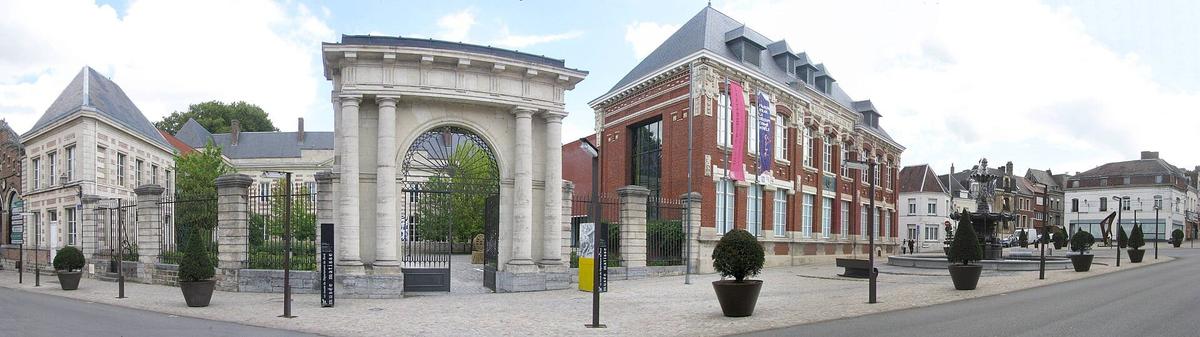
The museum moved into the Palais Fénelon in 1982, named after the writer who was Archbishop of Cambrai. It became a department museum in 1992 and first reopened, extended, in 2002.
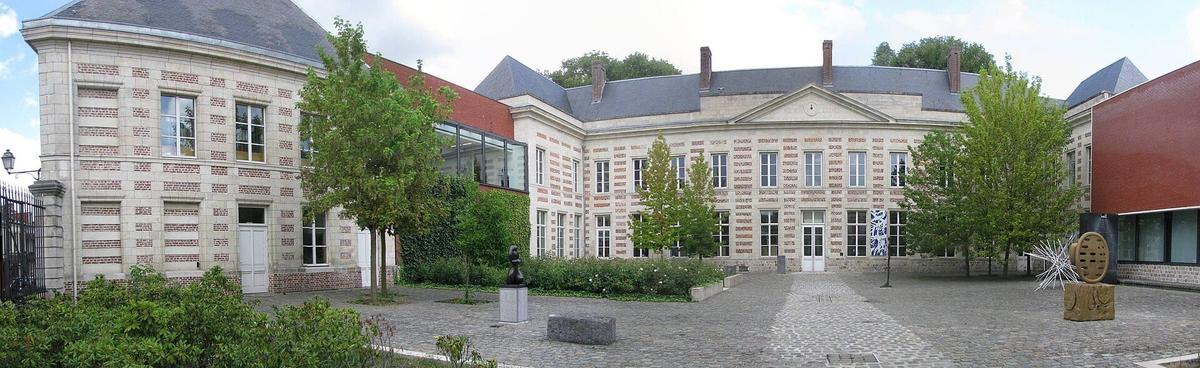

In 2012, the Nord department bought the former covered market next door. The works closed the museum entirely from May 2023. It reopened on 23 November 2024. The design by architect Bernard Desmoulin adds 1000 m² and brings the total floor area to 5500 m². La Gazette Nord-Pas-de-Calais puts the cost at 13 million euros.
The extension has an exhibition floor of 300 m² with a 5.25-metre ceiling and three rooms devoted to the artist's techniques.
Matisse Museum ticket prices
2026 prices published by the Nord department:
- Full price: €8.
- Reduced: €6.
- Free for everyone on the first Sunday of every month.
The exact conditions for reduced and free entry (age, students, jobseekers) are not detailed on the pages we could check. Ask at the front desk or call +33 3 59 73 38 00 before you come. The pages we consulted do not mention a separate rate for visitors from outside the EU.
Money-saving tip. The first Sunday of the month is free, and the museum then opens without a lunch break. As anywhere, free days draw crowds: arrive at opening time.
Do you need to book?
No, individual visitors do not need to book. Tickets are sold at the front desk.
Groups and school parties book ahead. The museum also offers guided tours in several languages, including sign-language tours, and workshops for children and adults on colour and paper cut-outs. The programme is published on the museum's website.
2026 opening hours and best time to visit
- Monday, Wednesday, Thursday, Friday: 10:00 – 12:30 and 14:00 – 18:00.
- Saturday and Sunday: 10:00 – 18:00.
- Closed on Tuesdays and on 01-01, 05-01, 11-01 and 12-25.
Our tip: on weekdays, come for the afternoon session (14:00 – 18:00) rather than late morning, so the lunch break does not cut your visit short. Saturday is the easiest day: no lunch break. Keep time for the garden if the weather is fine.
How long does it take to visit?
The museum does not publish a visit time. For the permanent collections, the temporary exhibition and a walk round the garden, allow half a day. If you add Matisse's family home in Bohain, your day is full.
What to see at the Matisse Museum
Matisse's paintings. Key works cited by Wikipedia include Marguerite with a Leather Hat (1914), a portrait of his daughter, The Violinist (1917), Interior with Sun Blinds (1942) and Pink Nude, Red Interior (1947).

The two Windows at Tahiti. The museum holds Window at Tahiti II. For the reopening, it was shown alongside the first version, on loan from the Matisse Museum in Nice. Both recall Matisse's trip to Oceania in 1930. See also: Matisse Museum Nice
The paper cut-outs and the Vence chapel. The route, built around colour and material, runs from the dark early paintings to the cut gouaches of his last years. It ends with the Rosary Chapel in Vence, his last great project, with an immersive virtual tour of the chapel.
Matisse's books. Thanks to the Tériade donation, the museum owns the books illustrated by Matisse, including Jazz. The exhibition "How I made my books" was devoted to them at the reopening.
The Herbin gallery. It shows Auguste Herbin's geometric abstraction, with the large stained-glass window Joie. The bright colours and simple shapes are a big hit with children.
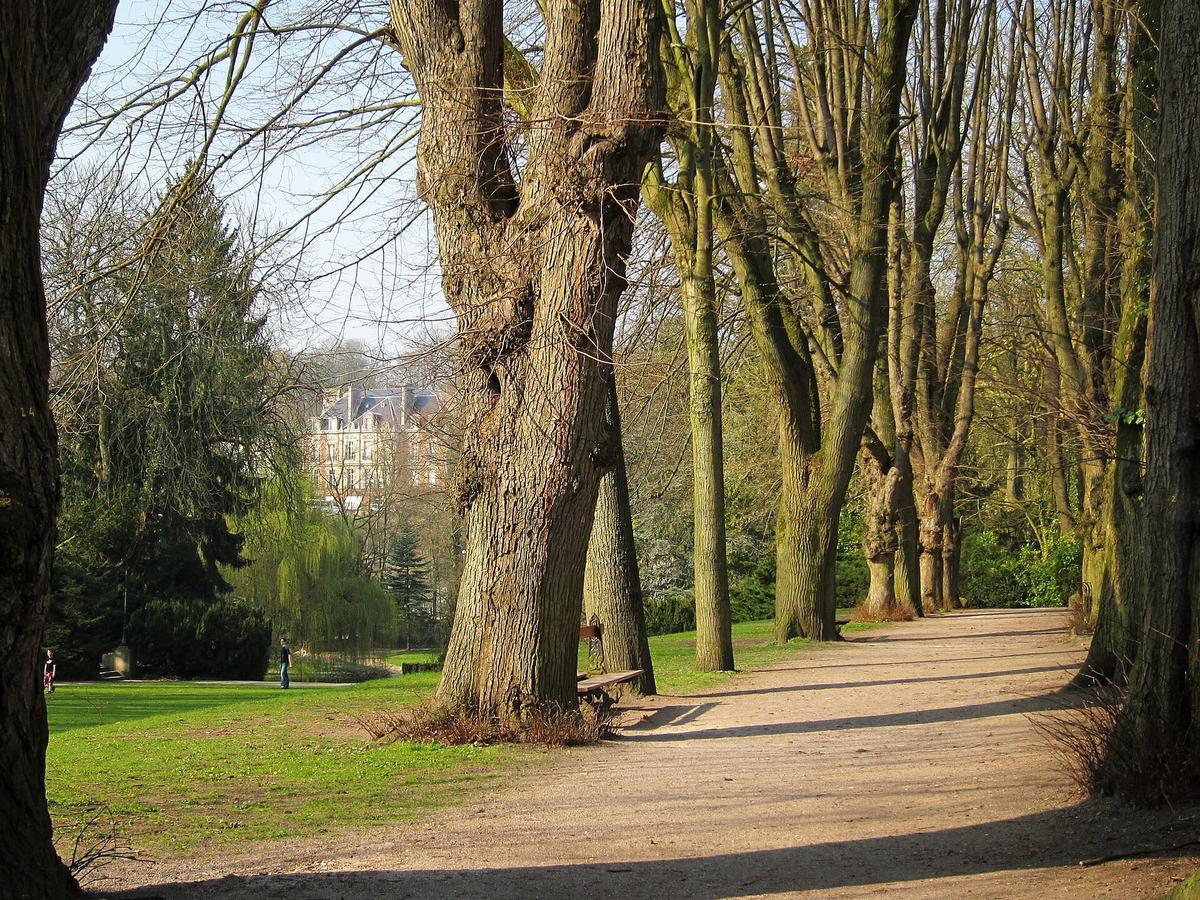
The garden. The formal French garden, laid out at the end of the 17th century in the spirit of Le Nôtre, is one of the finest of its kind in northern France. It has 175 trees, including two rows of 300-year-old lime trees, and an English-style garden with two sculptures.
Two stories worth knowing
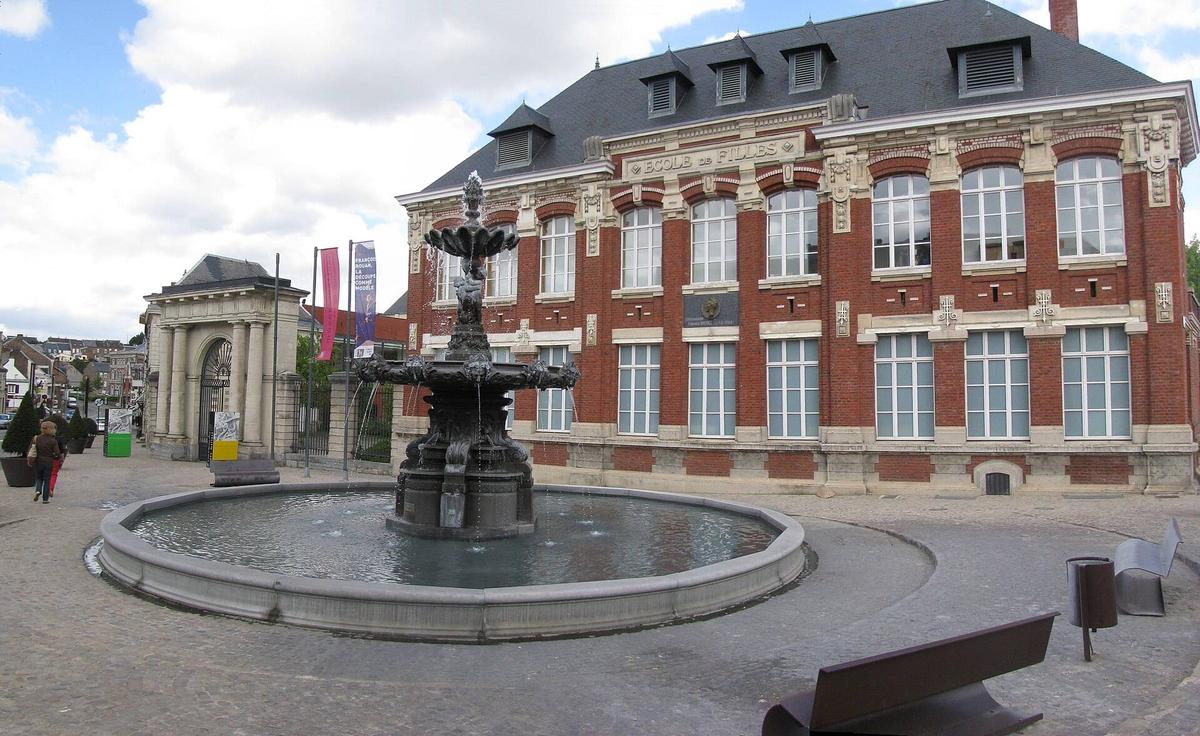
A museum in a spinning mill. Before it housed paintings, the Palais Fénelon was a cotton mill in the 19th century, then a school when the town bought it in 1878. It recalls the region's textile past, the world Matisse grew up in: his family ran a seed shop in Bohain, a weaving town.

A beer for the reopening. For the 2024 reopening, the Vivat brewery made "La Muséale", a limited-edition beer of 3,000 bottles.
Visiting the Matisse Museum with kids
The museum works well for a family outing. The bold colours of Matisse and Herbin appeal to young children, and the three technique rooms show in a hands-on way how a print or a paper cut-out is made. The museum regularly runs workshops: the programme is on its website.
The garden lets you take a break between rooms. The tactile models designed for visually impaired visitors also interest children.
Accessibility
According to the acceslibre listing, updated in January 2026, the main entrance is step-free and accessible to visitors with reduced mobility, the front desk is close to the entrance, staff are trained and adapted toilets are available. The front desk has a hearing loop. The outdoor path has a surface that is not well suited to wheelchairs. The museum has no car park of its own, but there are disabled parking spaces nearby. The side entrance, rue du Bois Monplaisir, is used by groups.
How to get to the Matisse Museum in Le Cateau
By car. This is the simplest option. Le Cateau-Cambrésis is about 25 minutes from Cambrai, an hour from Lille and just over two hours from Paris on the A1 or A2. The museum has no car park, but parking in the centre is easy.

By train. Le Cateau has a TER regional station. SNCF Connect puts the walk from the station to the museum at 20 minutes. Check return times before you set off: trains are infrequent, especially on Sundays. If you arrive in Lille on the Eurostar, allow for at least one change.
Renting a car. A car lets you add Matisse's family home in Bohain and the Familistère in Guise on the same day.
Partner links: if you book through these links, we earn a commission at no extra cost to you. Partner links · Learn more
What to combine with the Matisse Museum
| Also worth seeing | Distance | Travel time |
|---|---|---|
| Familistère de Guise | 28 km | 30 min by car |
| Historial de la Grande Guerre, Péronne | 55 km | 50 min by car |
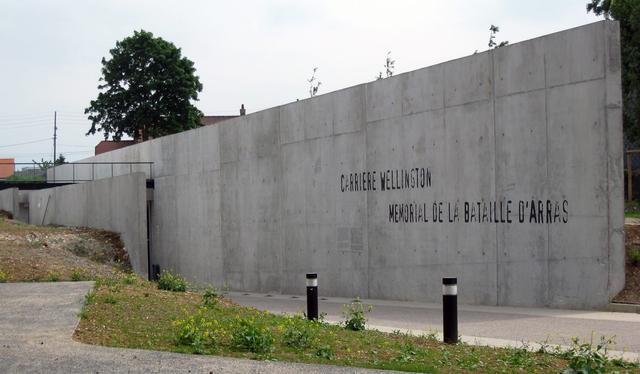
| Wellington Quarry | 65 km | 50 min by car |
Approximate road distances and travel times.
Henri Matisse's family home, in Bohain-en-Vermandois, is 15 km away. It tells the story of the painter's childhood in his parents' seed shop and of the town's textile past. It is the natural companion to the museum.
The Familistère in Guise, half an hour away, is the social palace that the industrialist Godin built for his workers. See also: Familistère de Guise Further west, the Historial de la Grande Guerre in Péronne and the Wellington Quarry in Arras are reminders that the region was on the front line in 1914-1918. See also: Historial de la Grande Guerre, Péronne, Wellington Quarry
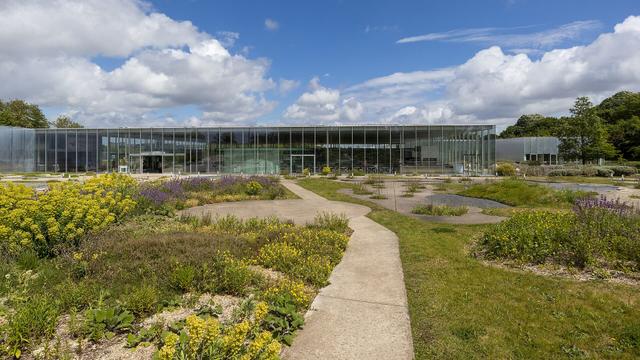
For an art weekend in northern France, add the Louvre-Lens, the Palais des Beaux-Arts in Lille and La Piscine in Roubaix. See also: Louvre-Lens, Palais des Beaux-Arts de Lille, La Piscine museum, Roubaix, Hauts-de-France
Where to eat and stay
The centre of Le Cateau has a few restaurants. SNCF Connect recommends the Brasserie de l'Abbaye, rue du Marché-aux-Chevaux, to taste Vivat beer. To stay, Cambrai, 25 minutes away, has a wider choice of hotels and is worth a stroll for its centre and its bêtises, the local mint sweets.
FAQ
How much is the Matisse Museum in Le Cateau-Cambrésis?
€8 full price and €6 reduced. Entry is free for everyone on the first Sunday of the month.
Which day is the Matisse Museum closed?
Tuesday, as well as 01-01, 05-01, 11-01 and 12-25.
Does the museum close at lunchtime?
Yes, on weekdays, between the morning session (10:00 – 12:30) and the afternoon session (14:00 – 18:00). At weekends, it is open without a break.
Was Matisse born in Le Cateau-Cambrésis?
Yes, on 31 December 1869. He spent his childhood in Bohain-en-Vermandois, where you can visit his family home.
What is the difference from the Matisse Museum in Nice?
Nice shows Matisse's work in the city where he spent his last years. Le Cateau is the museum he founded himself, in his home town, with the Herbin and Tériade collections on top.
Can you get there by train?
Yes, Le Cateau's TER station is about 20 minutes' walk from the museum, but trains are infrequent.
Practical information
Official ticket-office prices 2026
| Full price | €8 |
|---|---|
| Reduced rate | €6 |
Address
Musée départemental Matisse, Palais Fénelon, place du Commandant Richez, 59360 Le Cateau-Cambrésis, France
Directions · Phone+33 3 59 73 38 00
On site and nearby
- On site: Toilets
- Nearest shops and pharmacy: Le Cateau-Cambrésis, less than 1 km away Straight-line distance, based on OpenStreetMap.
- Emergencies: 112 (all emergencies, free from any phone), 15 (SAMU, medical emergency)
Around the site, on Google Maps
With children
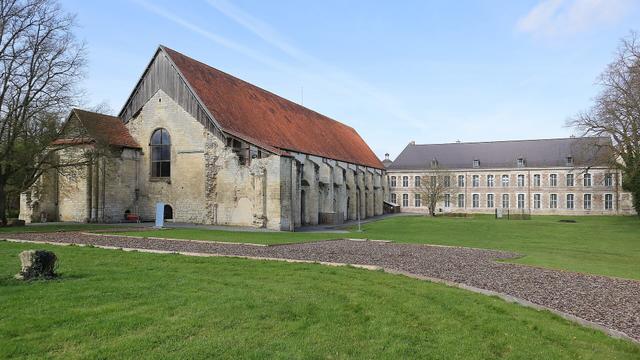
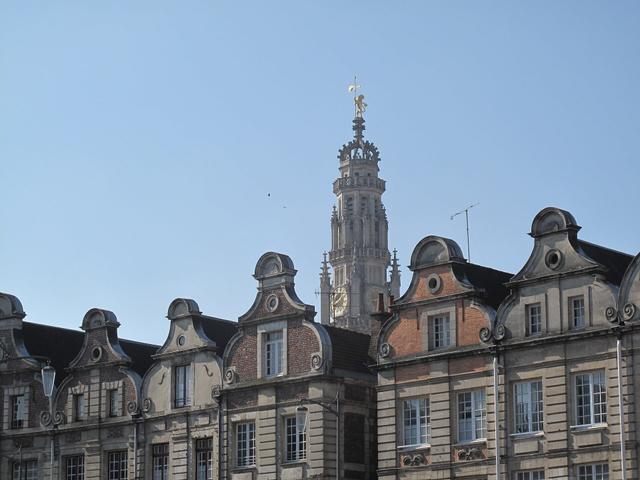
Family days out nearby: Vaucelles Abbey (23 km), Wellington Quarry (57 km), Arras Belfry and Boves (58 km)
Swimming pools and play areas nearby, on Google Maps
Facts checked on 11 November 2026. Sources: museematisse.fr, evasion.lenord.fr, sncf-connect.com, lagazettefrance.fr, culture.gouv.fr, en.wikipedia.org, acceslibre.beta.gouv.fr
Map
In the same region