Franco-American Museum in Blérancourt: planning your visit
Franco-American Museum, Blérancourt at a glance
- Opening hours 2026
- 10:00 – 12:30, 14:00 – 18:00 (closed on Tuesday)
- Admission
- Free
- Time needed
- about 1.5 hours
- Where
- Blérancourt
- Nearest station
- Noyon
Facts checked on 11 November 2026. Full opening hours, reduced prices and access
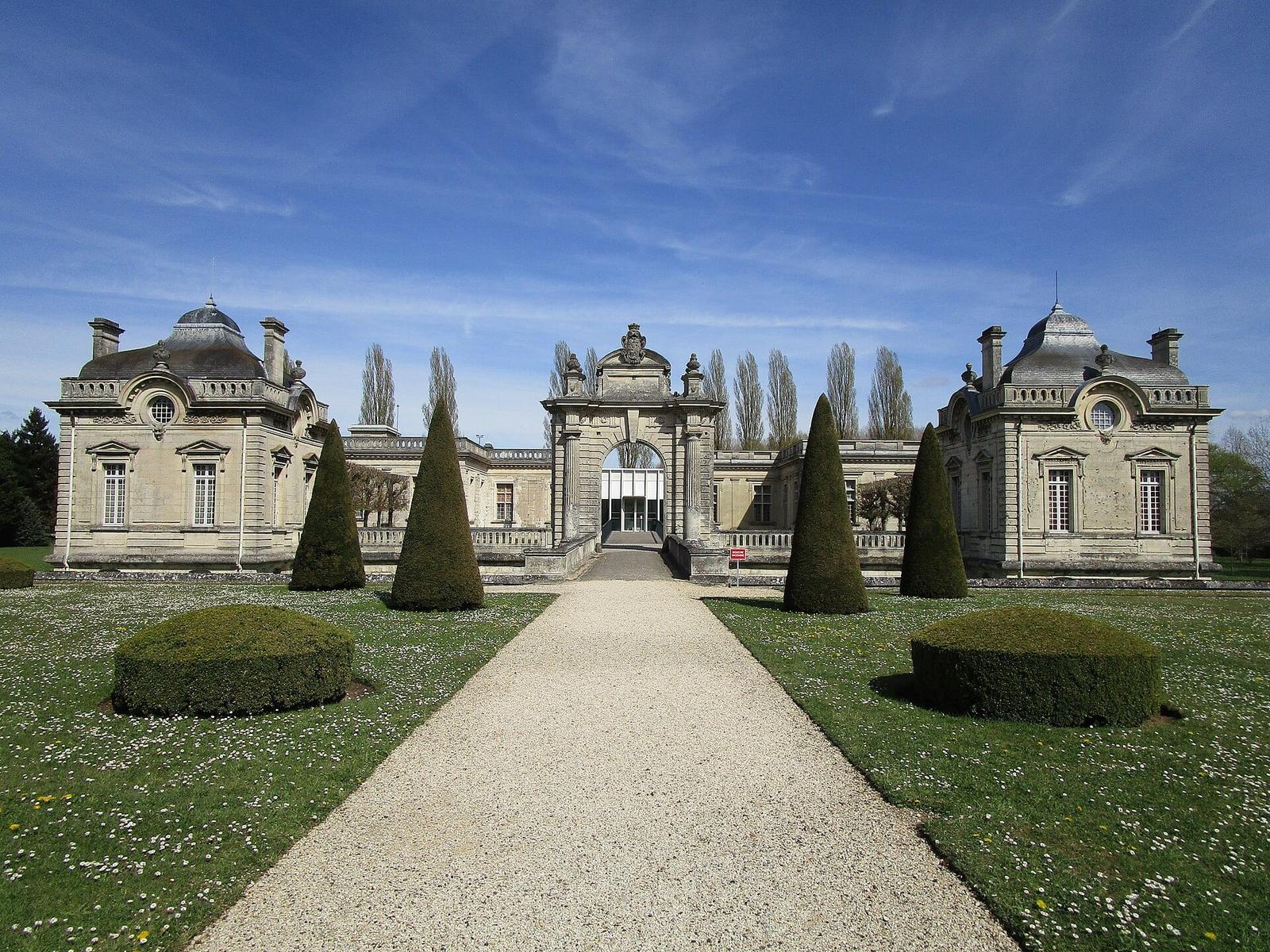

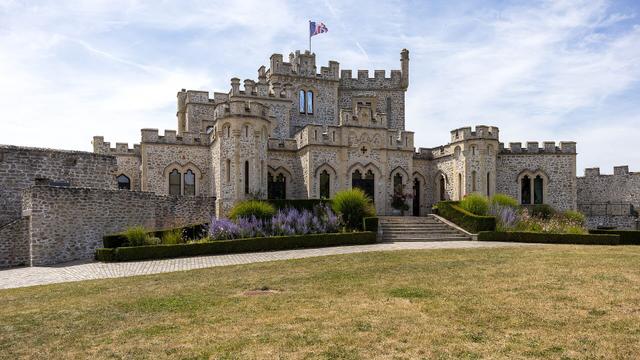
In the Aisne, between Noyon and Soissons, Château de Blérancourt houses France's only national museum devoted to the history of relations between France and the United States. It owes everything to Anne Morgan, daughter of the American banker, who settled here during the First World War. Here are the opening hours, how to get there, what to see and the gardens.
The Franco-American Museum at a glance
- Where: in Blérancourt, in the Aisne, about twenty minutes from Noyon.
- Price: entry to the museum is free, and so is entry to the gardens.
- Museum hours: 10:00 – 12:30 and 14:00 – 18:00. Last entry at 11:45 and 17:15.
- Closed: on Tuesdays, 1 January, 1 May and 25 December.
- Gardens: open every day, 8:00 – 19:00.
- Booking: not needed, you visit on your own.
- Time needed: about 1.5 hours for the museum and gardens.
What is the Franco-American Museum?
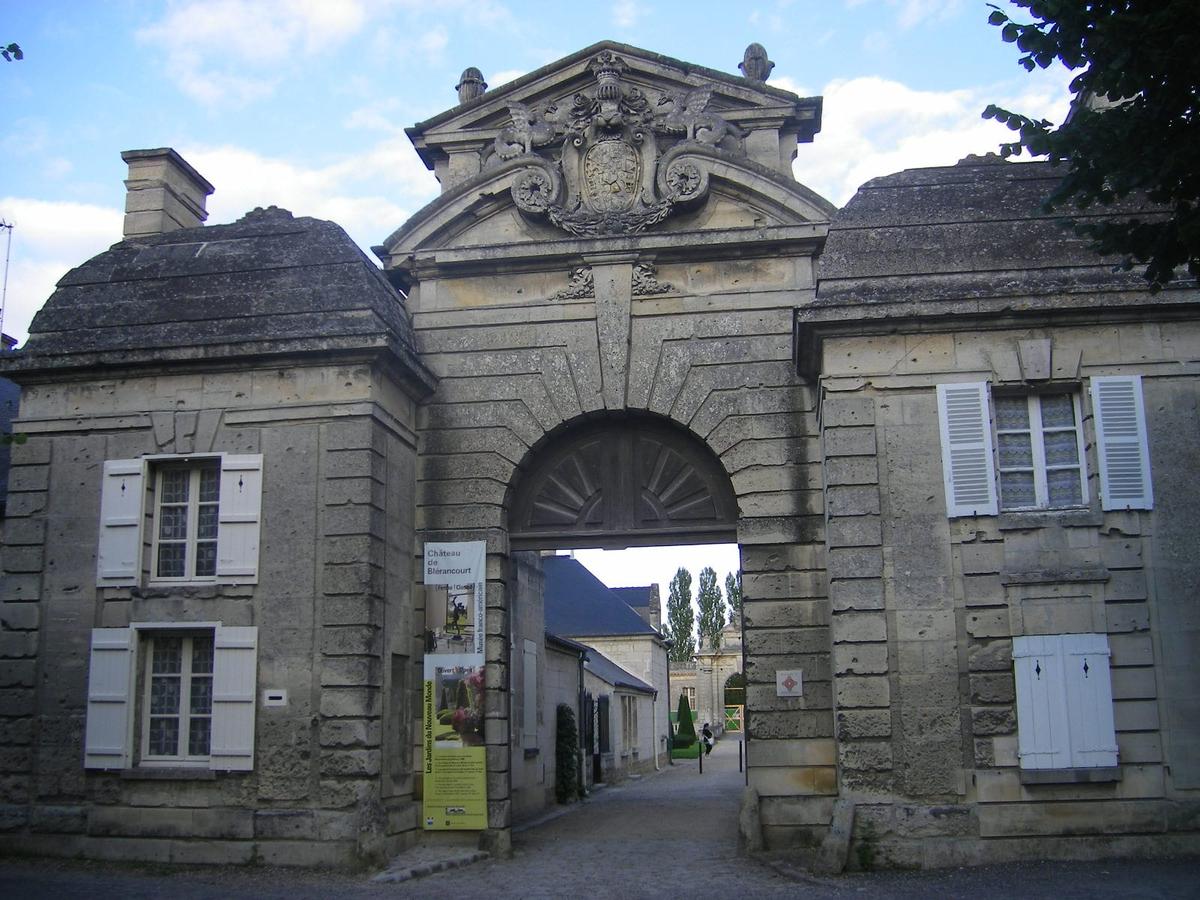

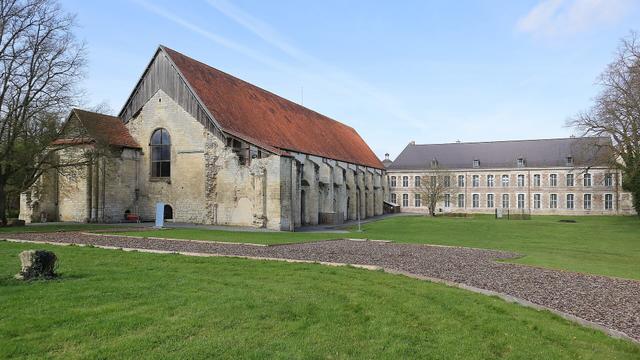
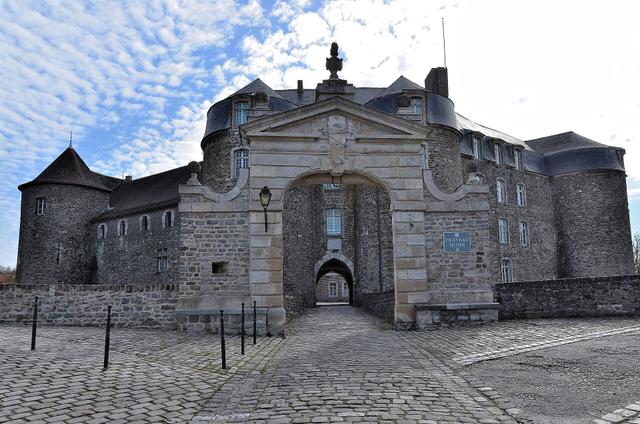
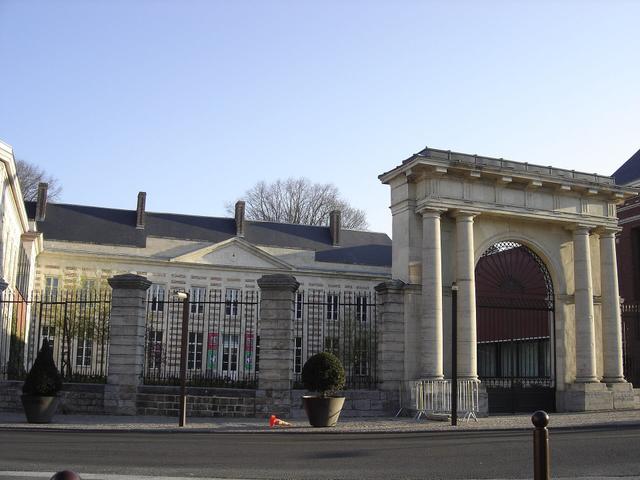
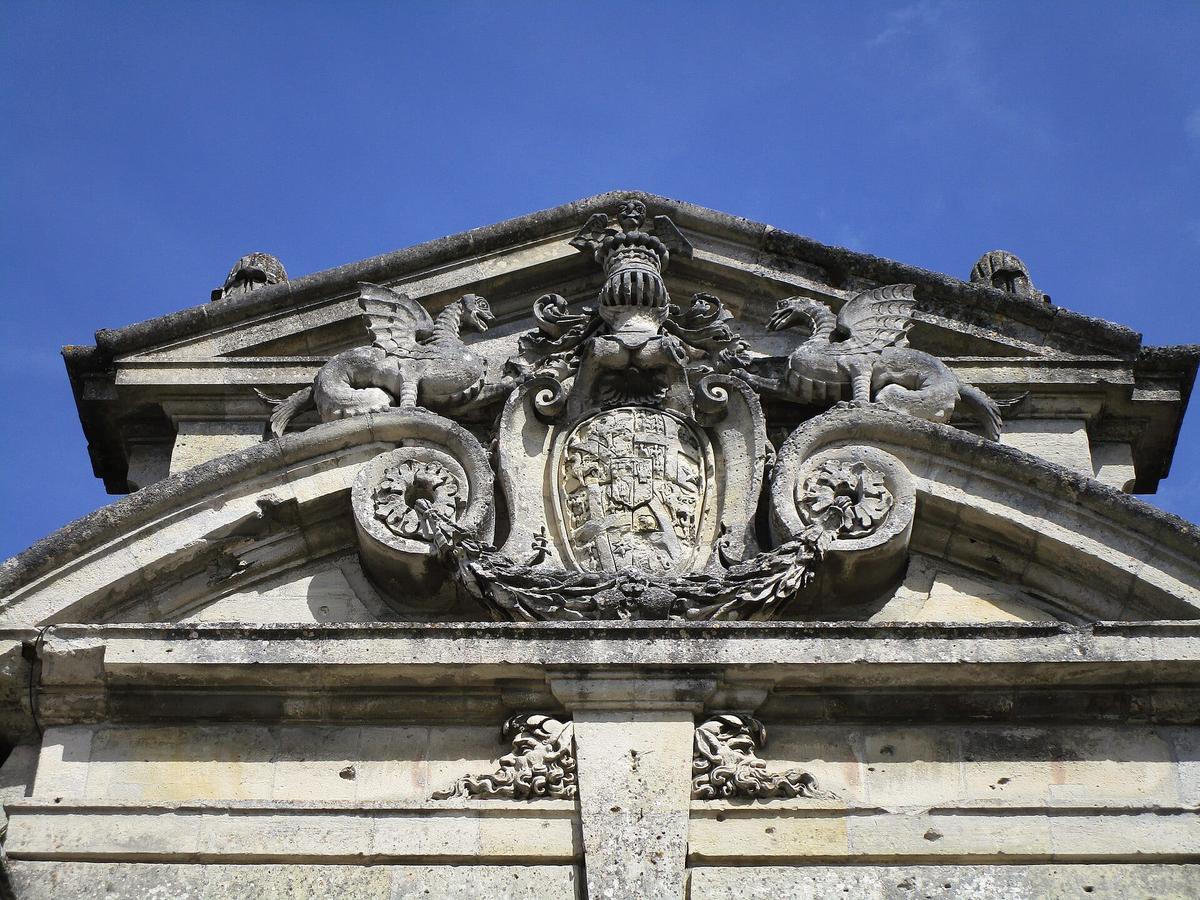
It is a French national museum set in what remains of an early 17th-century château. Between 1612 and 1619, the architect Salomon de Brosse, who designed the Luxembourg Palace in Paris, built a residence here for Bernard Potier and Charlotte de Vieux-Pont. It is one of the first buildings of classical architecture in France. During the Revolution, the château was seized, largely demolished and sold off as building materials. Only the monumental gateway and the two terrace pavilions survive.
The museum's story begins with the First World War. In 1917, the French army handed the estate over to Anne Morgan, daughter of the American banker John Pierpont Morgan. The château, a few kilometres from the front, became the headquarters of a relief organisation for the civilians of the Aisne. In 1918, with her friend Anne Murray Dike, she founded the American Committee for Devastated France, known in French as the CARD. Its teams, mostly women, handed out clothes, blankets, farm tools, seed and livestock, with a motor service driven by women.
In 1919, Anne Morgan bought the ruins of the château. In 1924, she and Anne Murray Dike founded a Franco-American museum, which joined the national collections a few years later. The museum closed in 2005 for major works. It partly reopened in 2011, then fully in 2017, with two pavilions linked by a long glass gallery and twice the exhibition space.
How much does it cost?
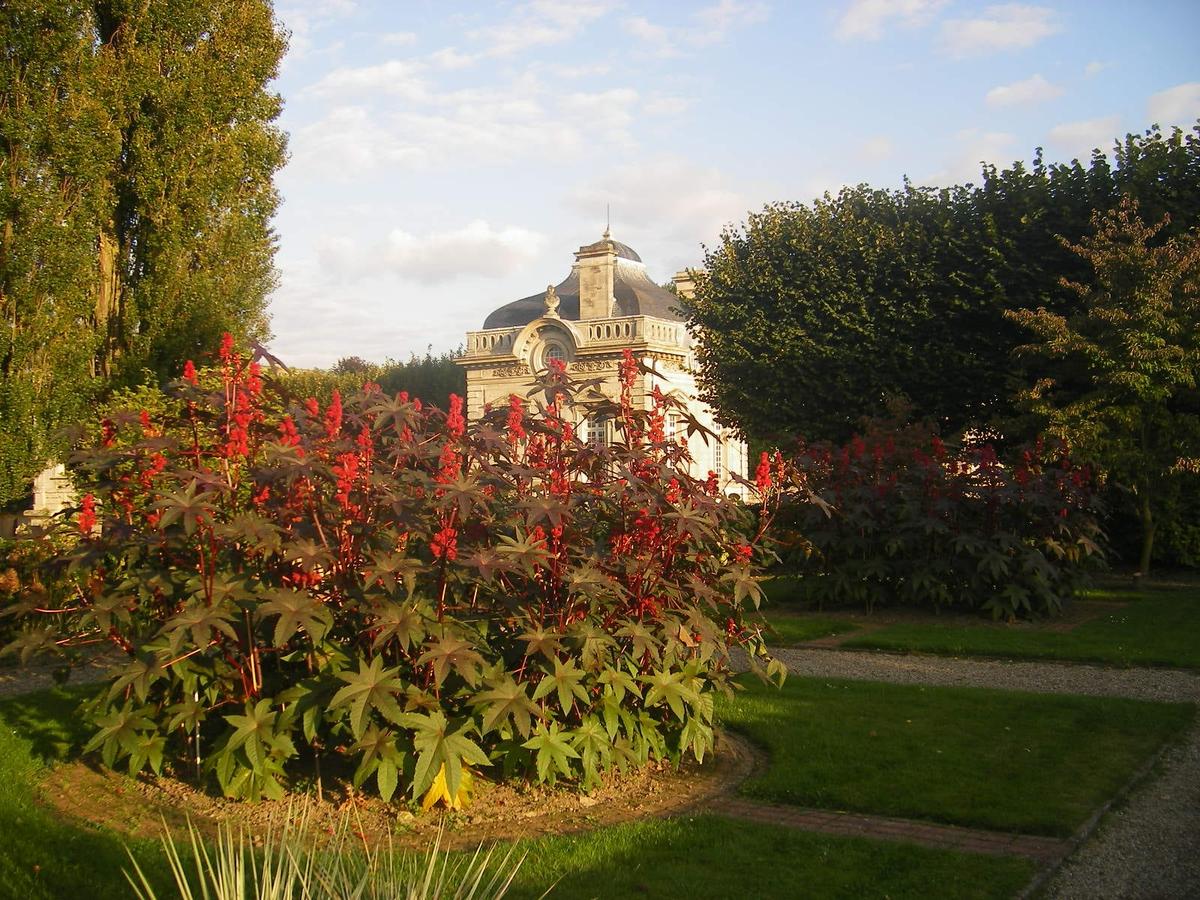

Entry to the museum is free, and the New World gardens are open to everyone free of charge. You visit on your own, without booking.
The museum regularly holds events, such as the "Regards approfondis" talks on a single work, children's activities during the school holidays and Christmas concerts. Their conditions, including whether they are free, are given in the events calendar on the official website.
Good to know. As entry is free, Blérancourt easily fits into a day around Compiègne and Pierrefonds, even for an hour.
Do you need to book?

No. You visit on your own, without booking. Only groups and some activities in the cultural programme need to register in advance with the museum, on +33 3 23 39 60 16.
Museum opening hours 2026

According to the official website:
- Museum: every day except Tuesday, 10:00 – 12:30 and 14:00 – 18:00.
- Last entry: 11:45 in the morning, 17:15 in the afternoon.
- Closed on: Tuesdays, 1 January, 1 May and 25 December.
- New World gardens: every day, 8:00 – 19:00.
Best time to go. Arrive when the museum opens in the morning or early in the afternoon, so you have time to see the museum before last entry, then the gardens, which stay open later. The museum closes at lunchtime: use that time for the gardens. Avoid coming on a Tuesday.
Best season. The museum is open all year, but the gardens are at their best from April to October. The white garden flowers in April and May, the pink garden from June to August, the yellow garden from July to October.
What to see at the Franco-American Museum
The permanent collections. They are arranged around three ideas. Ideals: the liberty and democracy of the Enlightenment, which shaped the American Declaration of Independence and the French Declaration of the Rights of Man. Trials: French help in the American War of Independence, with Lafayette and Rochambeau, then the thousands of American volunteers who came to help France in both world wars. The arts: American painters trained in France in the 19th century, who formed artists' colonies in Normandy and Brittany, and the French artists who discovered American landscapes.
The First World War room. The Volunteers' Pavilion, rebuilt in 1938, honours the Americans who signed up before the United States entered the war, and holds an American Field Service ambulance.
The Anne Morgan collection. Photographs of the CARD show the teams at work in the destroyed villages of the Aisne. This is the most telling part for understanding why the museum is here.
The archaeological basement. The building works uncovered remains, which are now part of the underground rooms.
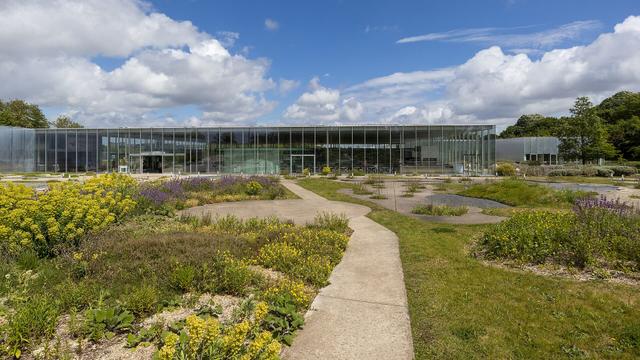
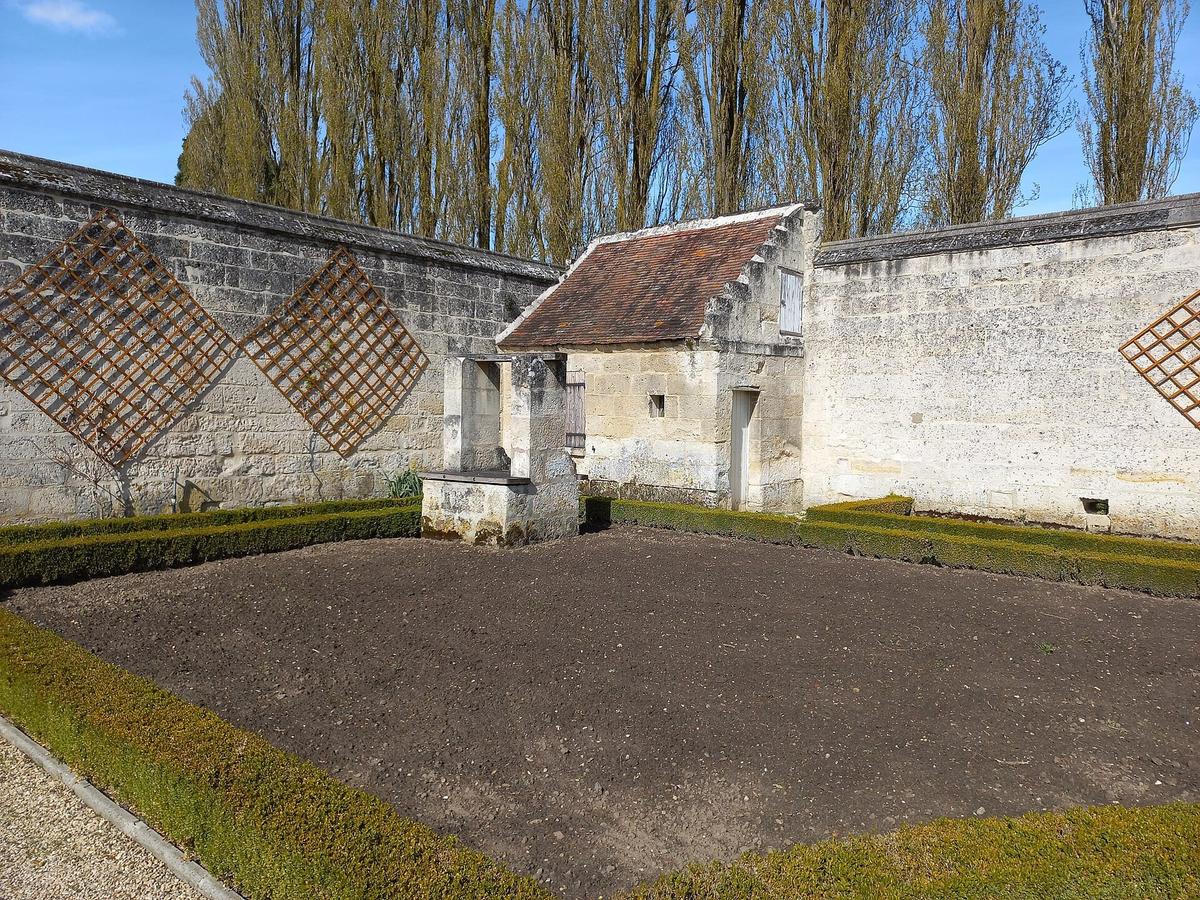
The New World gardens. Created from 1986 on the initiative of the American Friends of Blérancourt, on the château's old kitchen garden, they bring together plants native to the Americas and others, now so familiar that we forget they came from America. The pink and yellow gardens date from 1989, the white garden from 1997. The Garden of Remembrance, in blue, white and red, pays tribute to the soldiers of both wars: red poppies for the American and British soldiers, white cosmos for the French "poilus" and for peace. Add the arboretum and the Allée du Souvenir.
How long does it take to visit?
Allow an hour for the museum and half an hour for the gardens, so about 1.5 hours in all. First World War enthusiasts will spend longer in the rooms about the CARD.
Visiting with children
During French school holidays, the museum runs activities for children, for example around the Statue of Liberty, listed in the events calendar. The gardens, open and free, are good for a break outdoors. With children, start with the CARD photographs and the ambulance: they are what speaks to them most.
Accessibility
The official website states that access is partial and offers resources for visually impaired and blind visitors. The pavilions were renovated and linked during the last works, but part of the site is historic. Call +33 3 23 39 60 16 before your visit to find out which routes are suitable.
How to get to Blérancourt
By car. From Paris or Lille, take the A1 to exit 10, towards Noyon, then the D934. From Reims, take the A26 to exit 12, then follow signs for Soissons. The Hauts-de-France tourist board mentions a free car park.
By train. Take a train from Paris Gare du Nord to Noyon, then a taxi from the rank at the station: it is still about fifteen kilometres.
Car hire. To see Blérancourt, Compiègne and Pierrefonds in a day, a car is the only practical option. You can hire one in Paris or in Compiègne.
Partner links: if you book through these links, we earn a commission at no extra cost to you. Partner links · Learn more
What to combine with Blérancourt
| Also worth seeing | Distance | Travel time |
|---|---|---|
| Château de Pierrefonds | 30 km | 35 min by car |
| Château de Compiègne | 32 km | 35 min by car |
| Cité internationale de la langue française | 38 km | 40 min by car |
Approximate road distances and travel times.
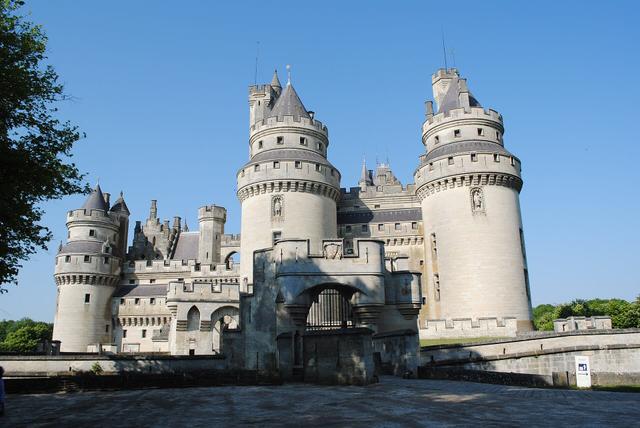
Château de Pierrefonds. The castle restored by Viollet-le-Duc, half an hour away, on the edge of the Compiègne forest. See also: Château de Pierrefonds
Château de Compiègne. Napoleon III's palace and the carriage and car museum, also half an hour away. See also: Château de Compiègne
Cité internationale de la langue française. The château of Villers-Cotterêts, about forty minutes away. See also: Cité internationale de la langue française
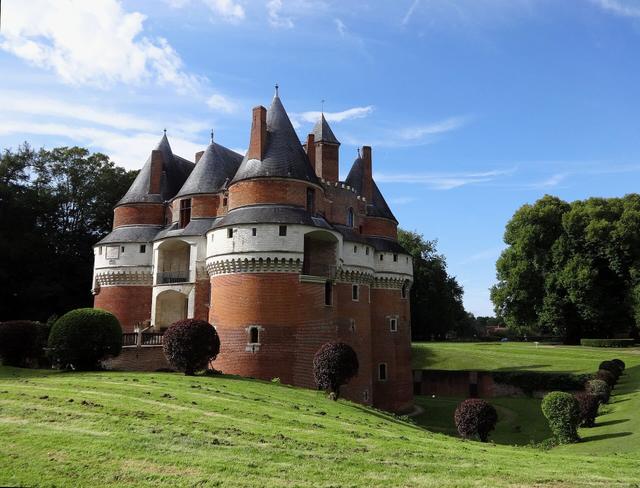
For First World War memory and other little-known places in the region: See also: Historial de la Grande Guerre, Péronne, Château de Rambures, Hauts-de-France
Blérancourt in six dates

- 1612: Salomon de Brosse begins the château.
- 1917: Anne Morgan sets up her headquarters in Blérancourt.
- 1918: the American Committee for Devastated France is founded.
- 1924: the museum is created.
- 2005: it closes for renovation.
- 2017: the enlarged museum reopens.
Fun facts
- An orphanage before the museum. Bernard Potier, the first owner, founded an orphanage in Blérancourt in 1661. He died the following year without an heir.
- A second war, a second committee. In 1939, Anne Morgan returned to Blérancourt and set up an American civilian relief committee to evacuate people from the occupied zone. She had to flee in 1940 under German pressure.
- An opening with Pétain. On 24 July 1924, the north pavilion, turned into a guest house for American donors, was opened in the presence of Marshal Pétain, then seen as the victor of Verdun.
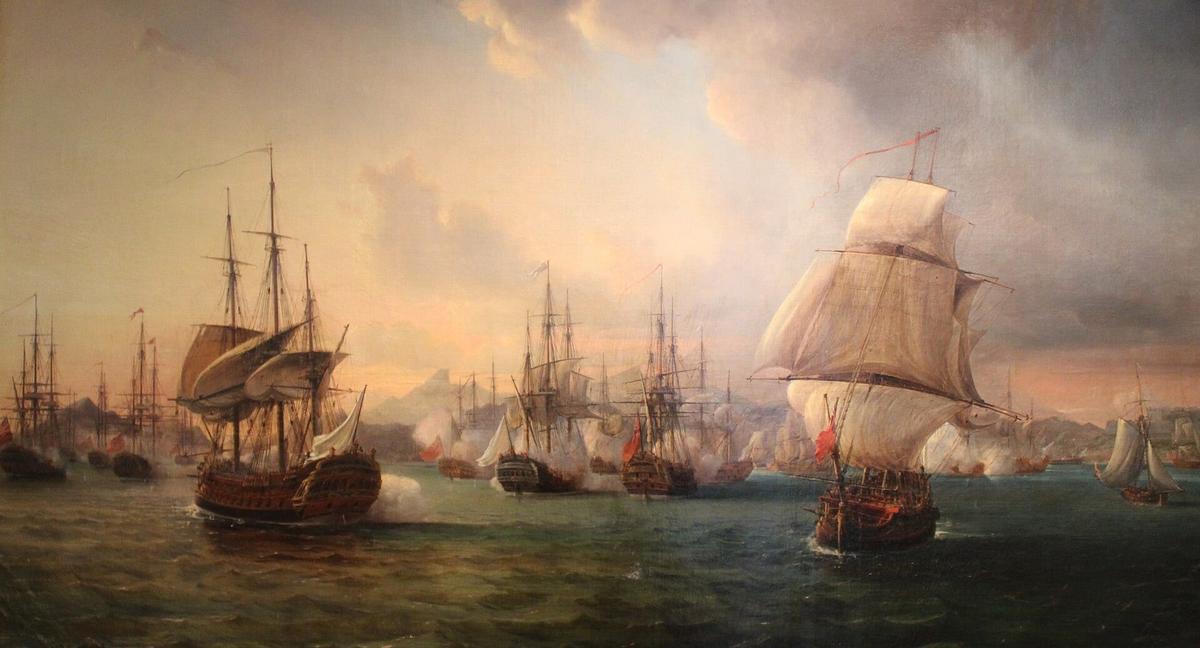
- A painting of the lost château. The museum holds a canvas by Tavernier de Jonquières painted in 1790, just before the demolition: it is one of the few images of the complete château.
Where to eat and stay near Blérancourt
Eating. The museum mentions two places nearby: Le Griffon, on Place du Général Leclerc, and the Auberge le Bois doré in Cuts, a few kilometres away.
Staying. Noyon, about twenty minutes away, is the nearest town. Compiègne has more choice if you are also visiting the palace and Pierrefonds.
FAQ
Is the Franco-American Museum in Blérancourt free?
Yes, entry to the museum is free, and so is entry to the New World gardens.
What are the museum's opening hours?
10:00 – 12:30 and 14:00 – 18:00, every day except Tuesday. Last entry at 11:45 and 17:15.
Who was Anne Morgan?
The daughter of the American banker John Pierpont Morgan. In 1917 she set up a relief organisation for the civilians of the Aisne in Blérancourt, then founded the museum in 1924.
How long does a visit take?
Allow about 1.5 hours for the museum and gardens.
Can you get to Blérancourt by train?
Yes, by train to Noyon from Paris Gare du Nord, then by taxi.
When are the gardens in flower?
From April to October, with a different garden at its best each season.
Practical information
Opening hours 2026
| 1 January 2026 to 31 December 2026 | 10:00 – 12:30, 14:00 – 18:00 (Closed: Tuesday) |
|---|
Closed: 1 January, 1 May, and 25 December
Official ticket-office prices 2026
Free admission
Address
Musée franco-américain du château de Blérancourt, place du Général Leclerc, 02300 Blérancourt, France
Directions · Phone+33 3 23 39 60 16
On site and nearby
- On site: Toilets
- Nearest shops and pharmacy: Blérancourt, less than 1 km away Straight-line distance, based on OpenStreetMap.
- Emergencies: 112 (all emergencies, free from any phone), 15 (SAMU, medical emergency)
Around the site, on Google Maps
With children
Family days out nearby: Château de Coucy (12 km), Château de Pierrefonds (23 km), Cité internationale de la langue française (29 km)
Swimming pools and play areas nearby, on Google Maps
Facts checked on 11 November 2026. Sources: museefrancoamericain.fr, museefrancoamericain.fr, fr.wikipedia.org, museefrancoamericain.fr, museefrancoamericain.fr, museefrancoamericain.fr, museefrancoamericain.fr, museefrancoamericain.fr, tourisme-en-hautsdefrance.com
Map
In the same region