Chateaubriand, buried facing the sea at Saint-Malo
- Born
- 4 September 1768
- Died
- 4 July 1848
- Active years
- 1802 – 1848
- Family
- Artists, saints and favourites
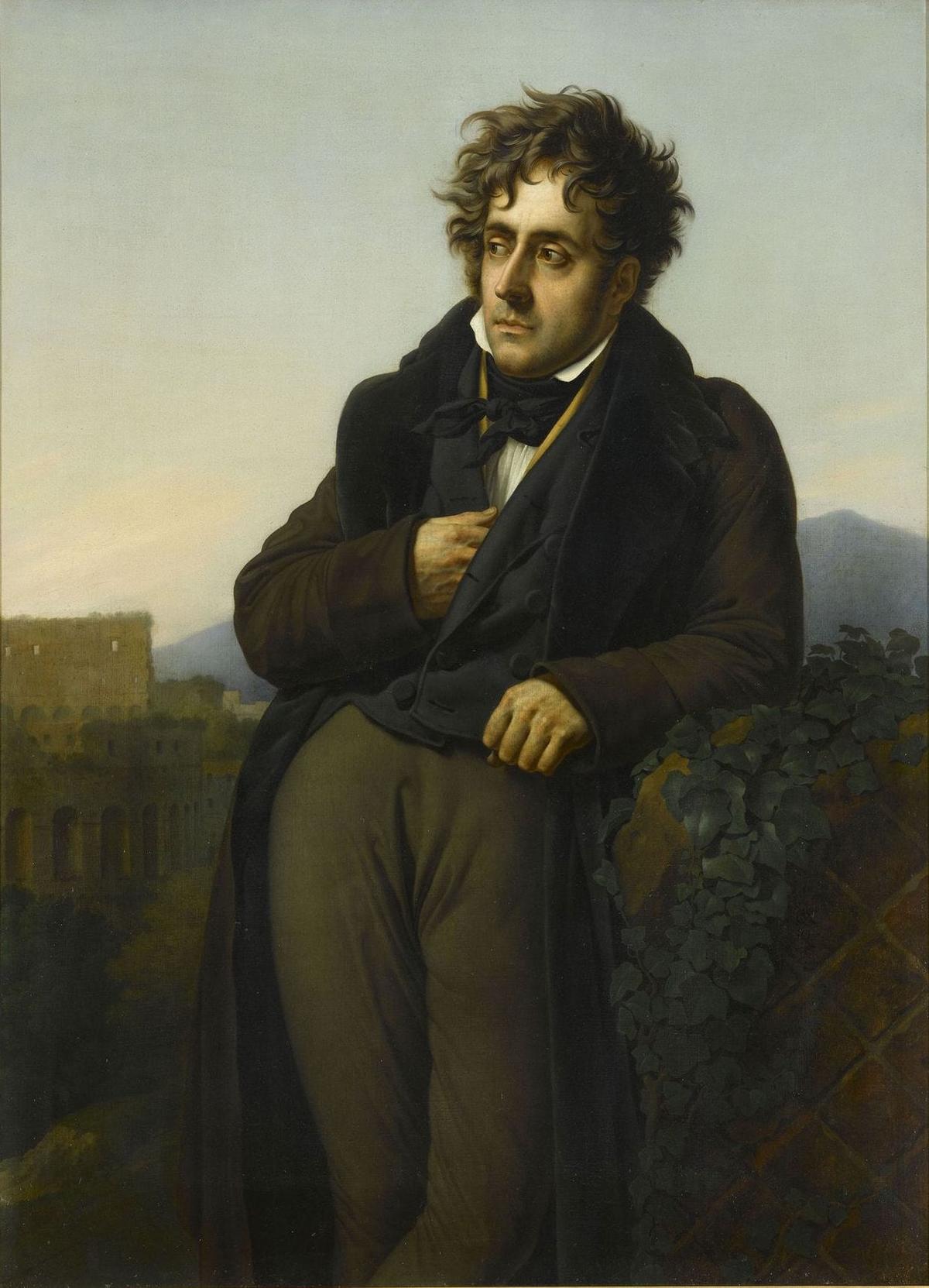
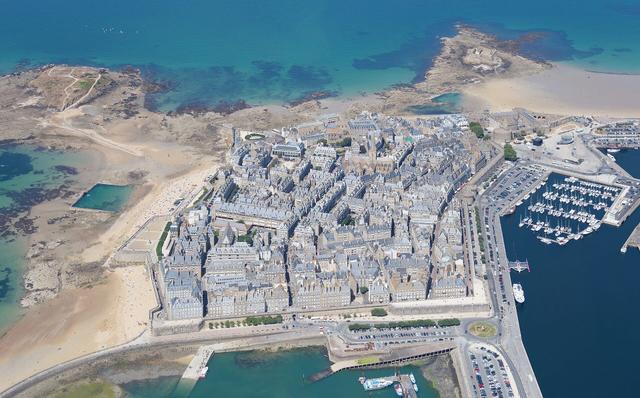
He was born in a bedroom in the walled town of Saint-Malo, "to the sound of the waves", and he wanted to come back there for good. In between, François-René de Chateaubriand lived through the Revolution, exile, the Empire and the Restoration, served as ambassador and minister, and wrote the Memoirs from Beyond the Grave. His grave, on an islet off the ramparts, can only be reached at low tide.
Chateaubriand in dates
| Date | Event |
|---|---|
| 4 September 1768 | Born in Saint-Malo, in the walled town |
| 1777 | His family moves to the Château de Combourg |
| 1791 | Travels to North America |
| 1792 | Joins the émigré army; wounded at the siege of Thionville |
| 1793-1800 | Exile in London |
| 1802 | Publishes The Genius of Christianity |
| 1804 | Resigns after the execution of the Duke of Enghien |
| 1822-1824 | Minister of Foreign Affairs under Louis XVIII |
| 4 July 1848 | Dies in Paris |
| 19 July 1848 | Buried on the Grand Bé islet, in Saint-Malo |
| 1849-1850 | Publication of the Memoirs from Beyond the Grave |
The child of Saint-Malo
François-René de Chateaubriand was born on 4 September 1768 in Saint-Malo, the youngest son of a shipowner who had grown rich from maritime trade. He spent his childhood running about the beaches and the ramparts, then his teenage years at the Château de Combourg, a gloomy fortress his father had bought, about forty kilometres to the south. There, with his sister Lucile, he lived through years of solitude that he would describe in his Memoirs.
What to see: in Saint-Malo, the house where Chateaubriand was born, near the Porte Saint-Vincent, inside the walled town. See also: Saint-Malo Ramparts
America, exile and the Genius
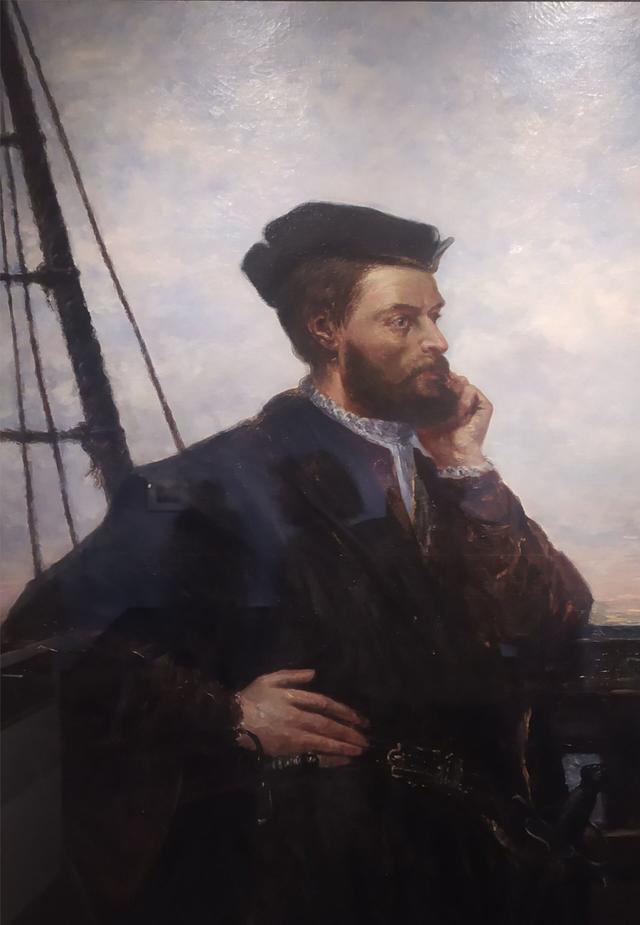
In 1791 he set off for North America, as another man from Saint-Malo, Jacques Cartier, had done before him. On his return he joined the émigré army, was wounded at the siege of Thionville in 1792 and spent seven years of exile in London, in poverty. Back in France in 1800, he published Atala in 1801, then The Genius of Christianity in 1802, which made him the most famous writer of his day. See also: Jacques Cartier
Against Napoleon, serving the Bourbons
Bonaparte first appointed him embassy secretary in Rome. But in 1804, when the Duke of Enghien was kidnapped and shot, Chateaubriand resigned. He stayed in opposition for the whole of the Empire. Under the Restoration he was a peer of France, ambassador in Berlin, London and Rome, and Minister of Foreign Affairs from 1822 to 1824. See also: Napoleon
The grave on the Grand Bé
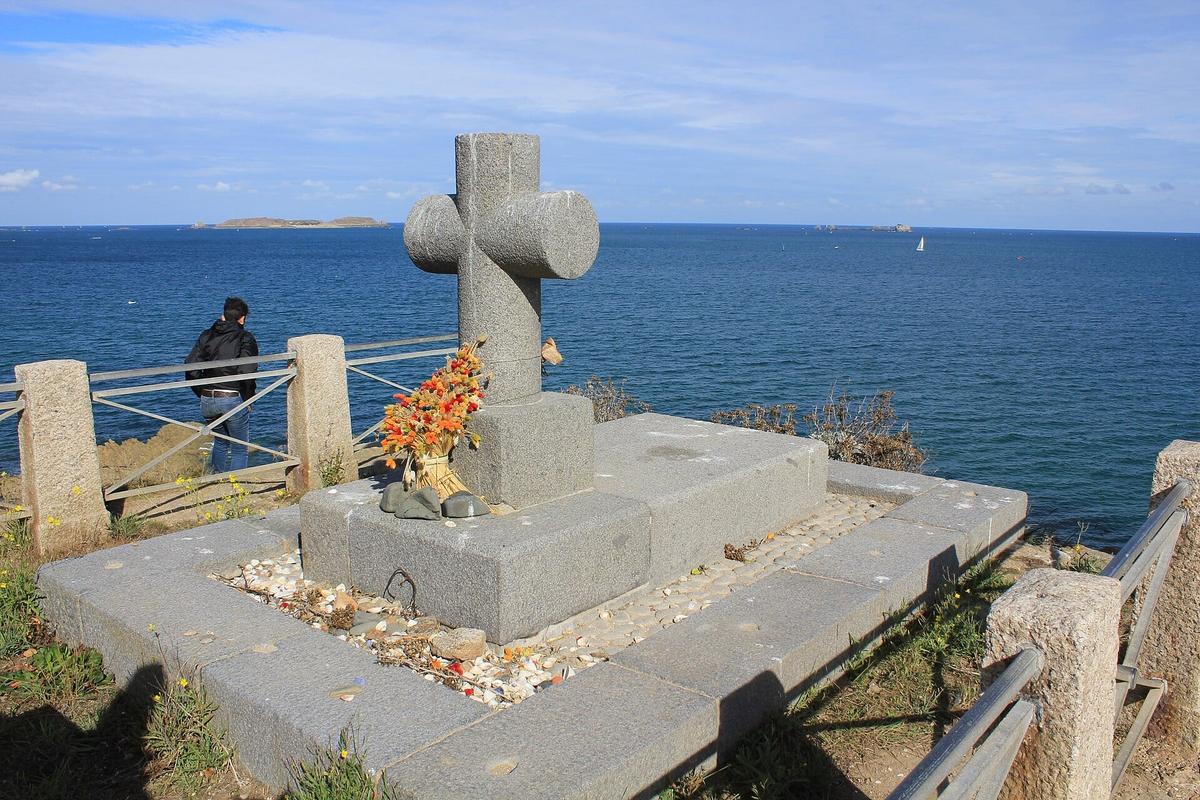
In 1828 he asked the town of Saint-Malo for a plot on the Grand Bé, a rocky islet facing the walled town. He died in Paris on 4 July 1848 and was buried there on 19 July, under a plain granite cross with no name, facing the open sea. His Memoirs from Beyond the Grave, written over more than thirty years, came out after his death, in 1849 and 1850.
What to see: you can walk to the Grand Bé from the Plage de Bon-Secours, but only at low tide; check the tide times before you go, as the sea covers the causeway quickly.
In his footsteps: Saint-Malo and the Emerald Coast
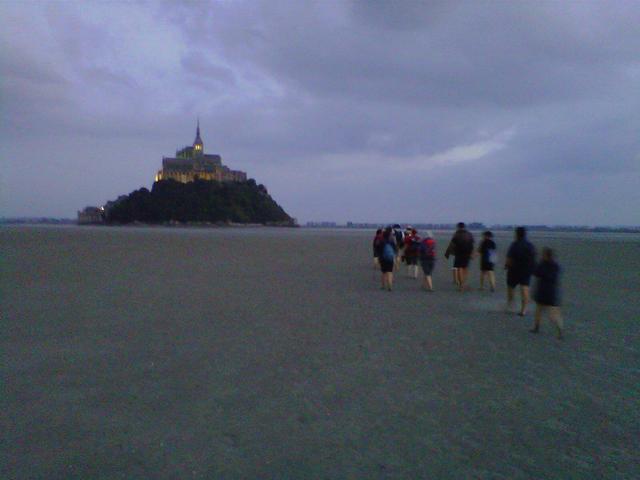
The walk around the ramparts of Saint-Malo is 1754 metres long and gives the best view of the Grand Bé. Combourg is half an hour's drive to the south. Mont-Saint-Michel is less than an hour away, and Fort La Latte, on the Emerald Coast, forty minutes. See also: Mont-Saint-Michel, Fort La Latte
Partner links: if you book through these links, we earn a commission at no extra cost to you. Partner links · Learn more
Places to stay near Saint-Malo
FAQ
Where is Chateaubriand buried?
On the Grand Bé islet, facing the ramparts of Saint-Malo. You can walk there, but only at low tide.
Where was Chateaubriand born?
In Saint-Malo, in the walled town, on 4 September 1768.
What are the Memoirs from Beyond the Grave?
Chateaubriand's memoirs (Mémoires d'outre-tombe), written over more than thirty years and published after his death, in 1849 and 1850, as he had wished.
Was Chateaubriand a government minister?
Yes, Minister of Foreign Affairs under Louis XVIII from 1822 to 1824, after serving as ambassador in London.
Can you visit Chateaubriand's grave?
Yes, freely, at low tide. The causeway to the Grand Bé is covered at high tide.
Sources: fr.wikipedia.org (François-René de Chateaubriand)