Vauban, the engineer who fortified France's borders
- Born
- 15 May 1633
- Died
- 30 March 1707
- Active years
- 1653 – 1707
- Family
- Artists, saints and favourites
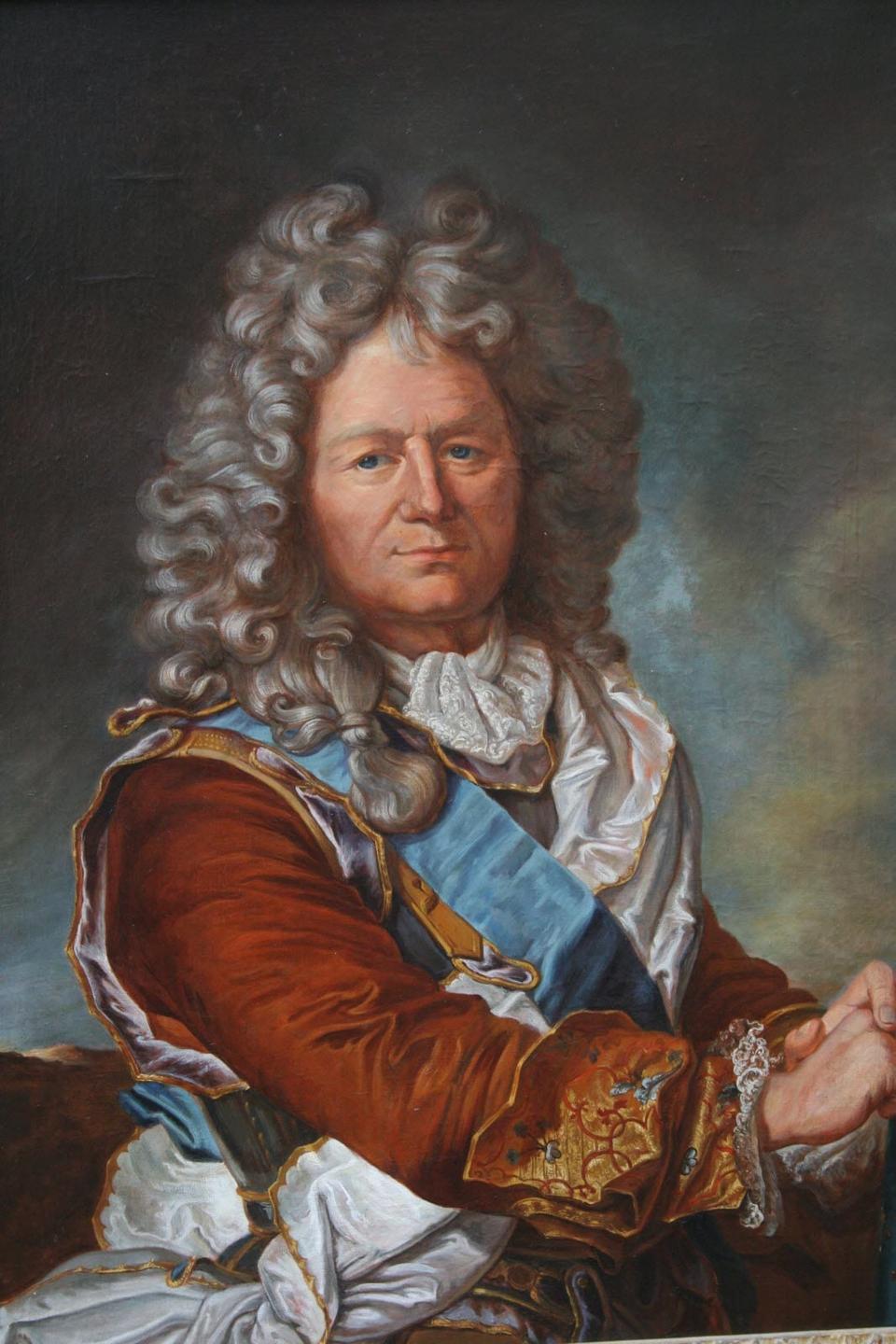
He led more than forty sieges and spent his life on the road, from the North Sea to the Pyrenees, ringing the kingdom with an "iron belt". Sébastien Le Prestre de Vauban, a minor nobleman from the Morvan, rose to become Marshal of France. Late in life he dared to propose to the king a tax paid by everyone, and his book was seized. Twelve of his sites are on the UNESCO World Heritage List.
Vauban in dates
| Date | Event |
|---|---|
| May 1633 | Born at Saint-Léger-de-Foucheret, in the Morvan (baptised on 15 May) |
| 1653 | Enters the king's service as an engineer |
| 1655 | Receives his commission as engineer in ordinary to the king |
| 1678 | Commissioner General of Fortifications |
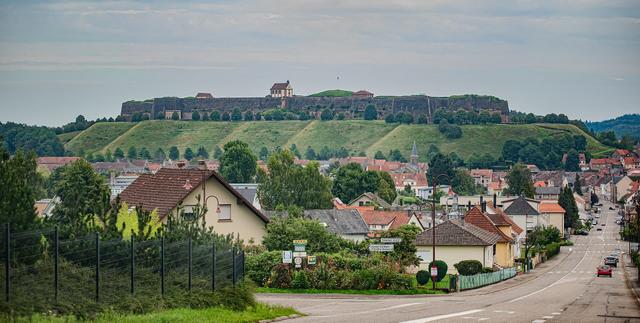
| 1679-1697 | Fortifies Bitche, in Lorraine |
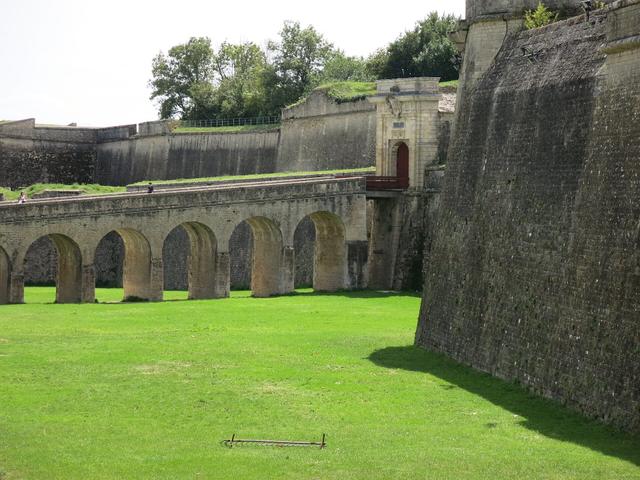
| 1685-1689 | Citadel of Blaye, on the Gironde estuary |
| 1703 | Marshal of France |
| 1707 | Publishes the Royal Tithe, seized at once |
| 30 March 1707 | Dies in Paris |
| 1808 | Napoleon has his heart placed in Les Invalides |
| 2008 | Twelve Vauban sites added to the World Heritage List |
An engineer on every front
Sébastien Le Prestre was born in 1633 in a village in the Morvan, in Burgundy, into a family of minor nobility with no fortune. He enlisted young, first in the rebel army of the Prince of Condé during the Fronde, then in the king's army. He found his talent in siege warfare: digging zigzag trenches, approaching the walls while keeping losses down, and bringing a town to surrender in a few weeks.
By his own count, he led more than forty sieges between 1653 and 1697, about twenty of them in the presence of Louis XIV. He built or rebuilt dozens of fortified towns, including thirty-seven new fortresses, along every border. The king made him Commissioner General of Fortifications, then Marshal of France in 1703. See also: Louis XIV
Blaye, the lock on the estuary
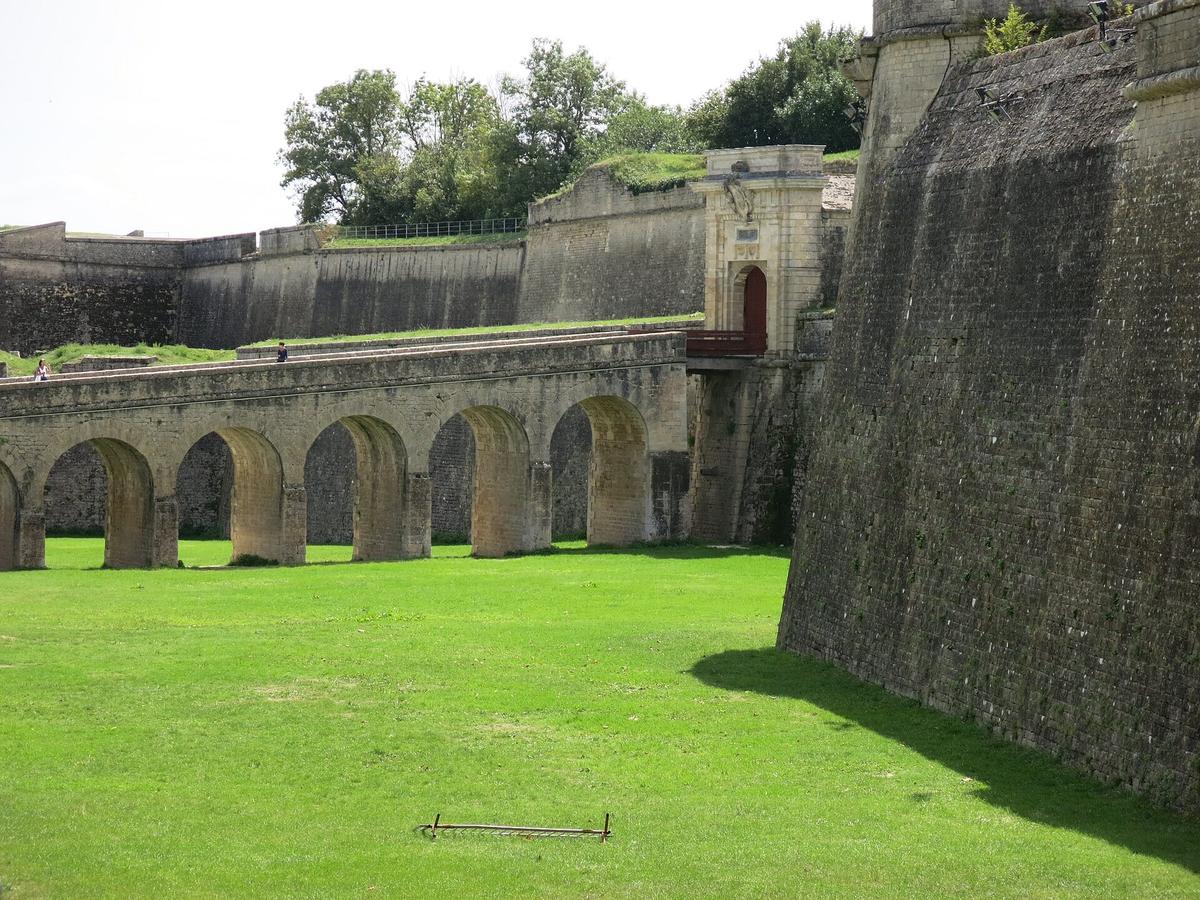
To stop an enemy fleet from sailing up the Gironde to Bordeaux, Vauban designed a three-point system: the Citadel of Blaye on the right bank, Fort Médoc on the left bank and Fort Paté on an island in the middle of the estuary. The guns of the three forts covered the river with crossfire. The Citadel of Blaye, built from 1685 around an older castle, covers 30 hectares. See also: Citadel of Blaye
What to see: the Porte Royale and its fixed bridge, the walk around the ramparts with their sentry boxes, the view over the estuary and, opposite, Fort Paté.
Bitche and Saint-Malo
In Lorraine, from 1679, Vauban fortified the rock of Bitche, which towers over the town. The citadel was razed in 1698 when Lorraine was handed back to its duke, then rebuilt in the 18th century on his lines. See also: Citadel of Bitche
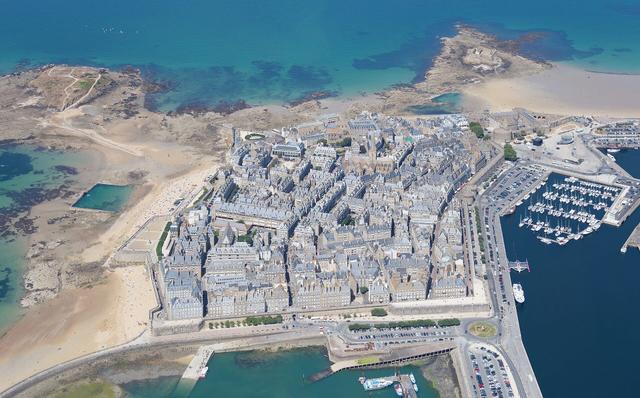
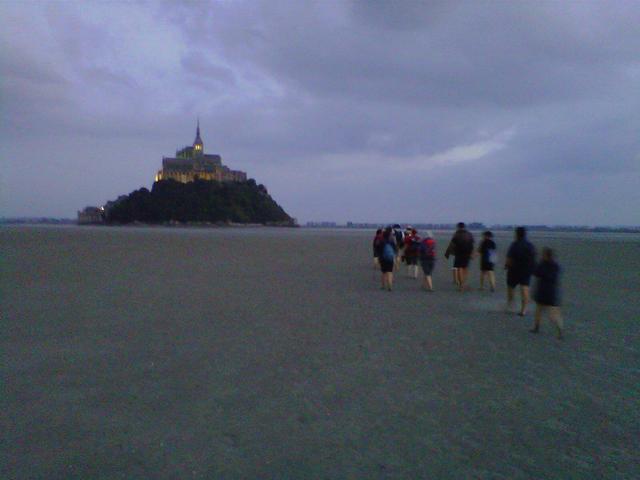
In Saint-Malo, he drew up the plans for Fort National, built in 1689 by his engineer Siméon Garengeau on an islet reachable at low tide, and had the ramparts of the walled town strengthened. See also: Saint-Malo Ramparts
What to see: in Bitche, the tour through the underground passages and along the citadel's ramparts; in Saint-Malo, Fort National, which you can walk to at low tide.
The Royal Tithe
Vauban did not only look at walls. Travelling across the kingdom, he saw the poverty of the countryside. In 1707 he published the Royal Tithe (Dîme royale), which proposed replacing the existing taxes with a single tax in proportion to income, paid by everyone, nobles and clergy included. The book was seized and destroyed on the king's orders. Vauban died a few weeks later, on 30 March 1707, in Paris. He was buried at Bazoches, in the Morvan; in 1808 Napoleon had his heart moved to Les Invalides.
In his footsteps: Vauban's citadels
The Citadel of Blaye is an hour's drive from Bordeaux; a ferry links it to Lamarque, on the Médoc bank, near Fort Médoc. The Citadel of Bitche is in the north of the Moselle, close to the German border. In Saint-Malo, you can walk to Fort National from the Plage de l'Éventail, but only at low tide.
Partner links: if you book through these links, we earn a commission at no extra cost to you. Partner links · Learn more
Guided tours and day trips on GetYourGuide
FAQ
How many fortresses did Vauban build?
He oversaw the building of thirty-seven new fortresses and reworked many others. Total estimates range from sixty to more than three hundred; historians often settle on about one hundred and sixty sites.
Which Vauban sites are UNESCO listed?
Twelve sites, listed in 2008, including Blaye with Fort Paté and Fort Médoc, Besançon, Neuf-Brisach, Briançon, Mont-Dauphin, Saint-Martin-de-Ré and Camaret-sur-Mer.
What is the "lock on the estuary"?
The system of three forts (Blaye, Fort Paté, Fort Médoc) that Vauban designed to close the Gironde to enemy fleets and protect Bordeaux.
Why was the Royal Tithe banned?
It proposed a tax paid by everyone, nobility and clergy included. The book was seized and destroyed on the king's orders in 1707.
Where is Vauban's heart?
In Les Invalides, in Paris, where Napoleon had it placed in 1808. His body lies at Bazoches, in the Morvan.
Sources: fr.wikipedia.org (Sébastien Le Prestre de Vauban)