Lavender Museum in Coustellet: planning your visit
Lavender Museum (Musée de la Lavande) at a glance
- Full price
- €8
- Time needed
- about 1 h
- Where
- Cabrières-d'Avignon
Official ticket-office prices, checked on 4 November 2026. Full opening hours, reduced prices and access
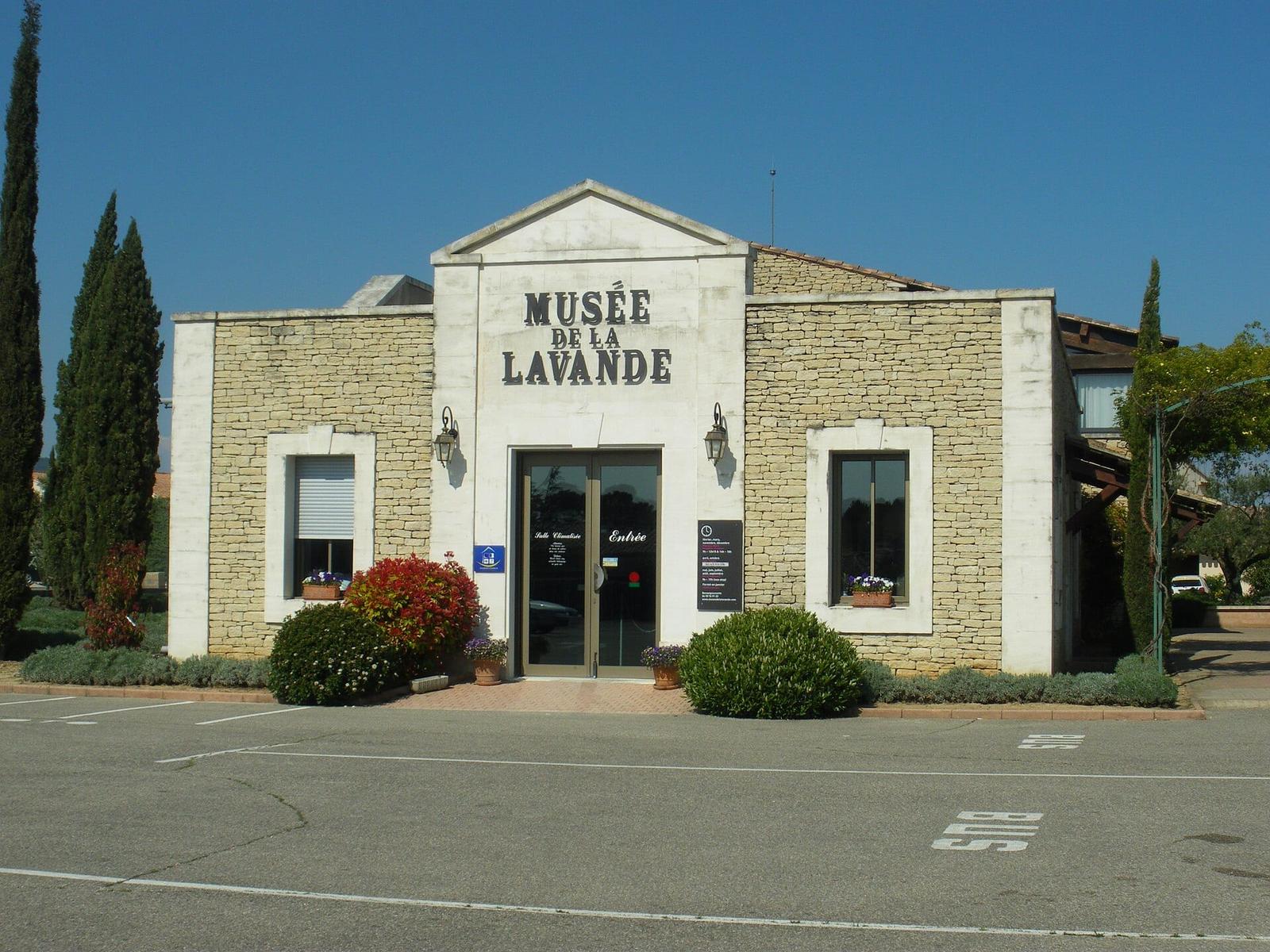
Below Gordes, in the hamlet of Coustellet, the Musée de la Lavande Luberon explains in an hour what separates true lavender from lavandin, how the flower is distilled and why one oil costs far more than the other. It is run by a family of growers who still farm lavender up in the mountains. Here are the prices, opening hours, children's workshops and our tips for fitting it into a day in the Luberon.
Lavender Museum at a glance
- Where: in Coustellet, a hamlet of Cabrières-d'Avignon, on the road to Gordes, in the Luberon.
- Price: €8 per adult, €4 for ages 11 to 16, free under 11 with their parents. Audio guide included.
- Opening hours: every day 10:00 – 13:00 and 14:00 – 18:00, open through lunchtime in June, July and August.
- 2026 season: open until 23 December 2026.
- Time needed: about 60 minutes.
- Best for: anyone curious about Provence, families (summer workshops), wheelchair users (step-free museum).
- Getting there: by car (free parking) or on the regional ZOU! bus, which stops outside the museum.
What is the Lavender Museum?
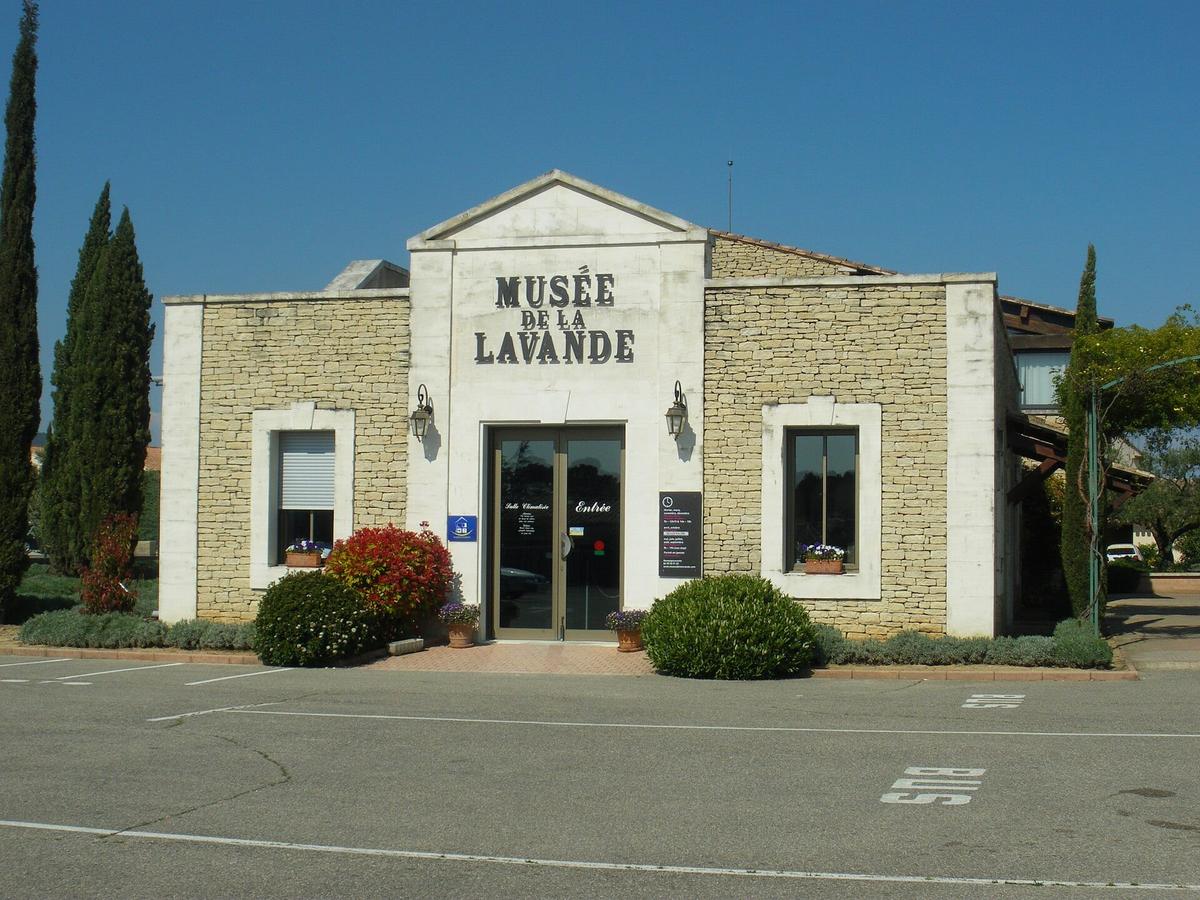
This is not a public museum but a family-run one. It was founded in 1991 by Georges Lincelé, father of the current manager, Jack Lincelé. The family has been growing and distilling true lavender since 1890, under the Château du Bois brand, and is now on its 5th generation.
The founder's idea was simple: to stand up for true lavender, the mountain lavender, against the other lavenders grown in Provence. The family estate has 110 hectares of true lavender at 1100 m above sea level. The museum itself is down on the plain, in Coustellet, where Luberon visitors pass by.
The collection has more than 350 pieces: stills, harvesting tools, bottles, labels and objects from the distillers' daily lives. According to the museum, it is the largest private collection of lavender stills. The displays run from the 16th century to the present day.
True lavender or lavandin: what you will learn
This is the question everyone asks when they see the purple fields of Provence, and the visit answers it clearly.
True lavender (also called fine lavender, Lavandula angustifolia) grows in the mountains, at about 900 m and above. It reproduces from seed. Its scent is the most delicate, and it gave us the first lavender perfumes. Since 1981 it has been protected by a designation of origin, the AOP for Haute-Provence lavender essential oil.
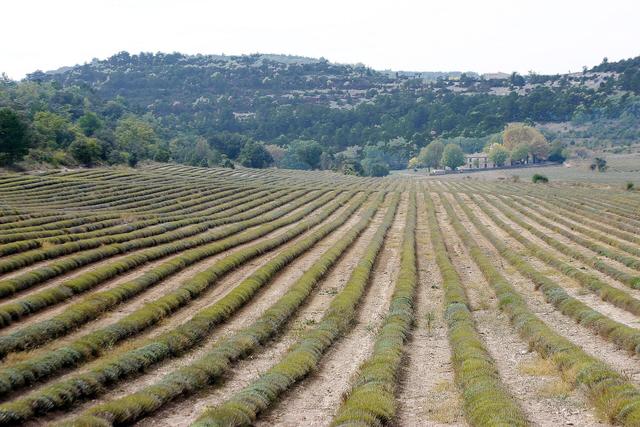
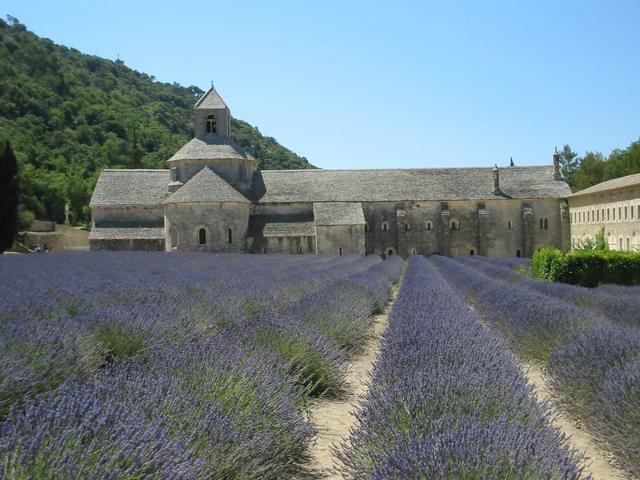
Lavandin is a hybrid, the result of a cross helped along by humans. It grows lower down, yields much more oil, and covers most of the fields people photograph in July, including the one in front of Sénanque Abbey.
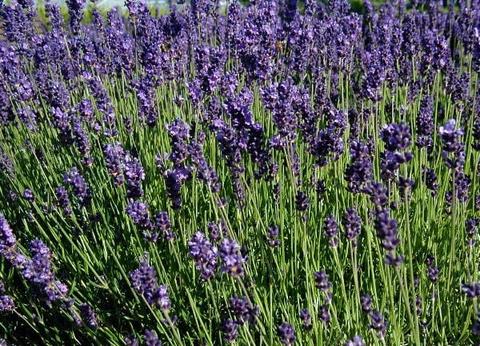
The figure that strikes visitors: of the 200 tonnes of lavender essential oils produced in France each year, only 10 tonnes come from true lavender, according to the museum. Hence the price gap you will see in the shop between the two oils.
Our tip: if you buy essential oil in Provence, read the label. "Lavandula angustifolia" means true lavender; "lavandin" or "Lavandula x intermedia" means the hybrid. The museum lets you smell the difference, which beats any explanation.
Lavender Museum ticket prices
Prices published by the museum for the 2026 season:
- Adult: €8.
- Student: €7.
- Retired: €7.
- Disability card holder: €5.50.
- Child aged 11 to 16: €4.
- Child under 11 with their parents: free.
The audio guide is included in the price. You can pay in cash, by card (American Express included), with paper holiday vouchers or by cheque.
Groups. For 9 to 14 people, the museum charges a flat rate of €120. From 15 people, it is €7 per person, with one free place for every 20 visitors. The guide and the driver get in free.
The bus discount. Show a ZOU! bus ticket from the same day and you get 20% off entry. It is the easiest way to pay less.
Do you need to book?
No, for an individual visit you can just turn up at the ticket desk. The museum has a ticket page on its website, and the phone line (+33 4 90 76 91 23) is for questions and groups.
The summer workshops (distillation, lavender bags, scented watercolour) have limited places: if you are coming especially for one of them, call ahead.
Partner links: if you book through these links, we earn a commission at no extra cost to you. Partner links · Learn more
Lavender Museum opening hours
Throughout the 2026 season, the museum is open 7 days a week, 10:00 – 13:00 and 14:00 – 18:00. The shop keeps the same hours.
In June, July and August, it stays open through lunchtime. In high summer, the closing time differs between the museum's and the tourist office's pages: if you are going late in the day, check it before you set off.
Last entry. The ticket desk closes an hour before the museum, since the visit takes an hour: last entry at 12:00 in the morning and 17:00 in the afternoon, outside summer.
End of season. The museum closes for the winter after 23 December 2026. It reopens in spring, usually in late March or early April; the following year's dates are published on its website.
Our tip: in summer, come late in the morning or late in the afternoon. The museum is air-conditioned, which makes it a good break during the hottest hours, and early afternoon is when the Luberon's café terraces empty as people go looking for shade.
What to see at the Lavender Museum
The introductory film. A 10-minute documentary presents true lavender, how it is grown and harvested. Watch it first: it makes the rest of the visit clearer.
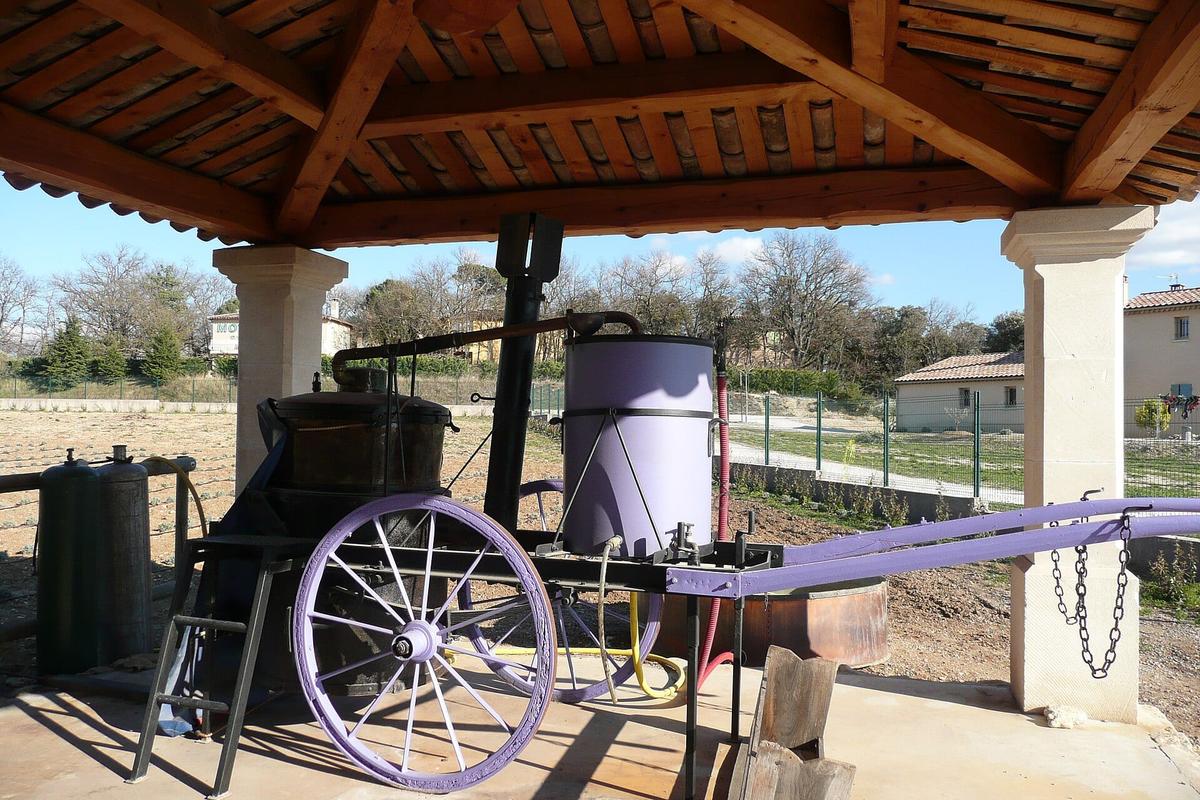
The stills. These are the heart of the museum. You see how steam distillation evolved, from small antique devices to the stills of village distilleries. Among them is a mobile still from 1925, the kind distillers moved from field to field to process the harvest on the spot.
Tools and objects. Growing and harvesting tools, bottles and labels: the collection tells the story of lavender-growing families.
The audio guide comes in 10 languages: French, English, German, Italian, Spanish, Portuguese, Dutch, Czech, Mandarin and Russian. So do the leaflets.
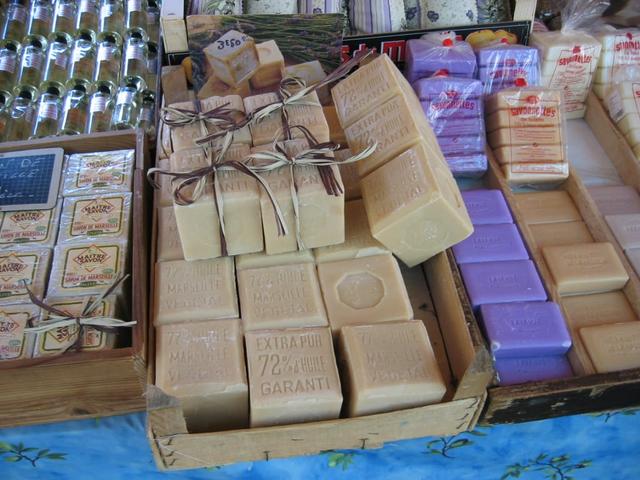
The shop sells the family's oils, soaps and other products, with herbal tea tastings. You can compare the scents of true lavender and lavandin there.
Lavender distillation in summer
In July and August, the museum runs an old family still in its garden. In the morning, visitors help fill the tank with cut lavender. Distillation carries on through the day, and the essential oil is collected in front of the public.
This is the best time to come. You see the steam, you smell the hot flowers, and you understand how many flowers it takes to fill a few bottles.
In summer the museum also holds themed days around the harvest and traditional know-how. The programme changes every year: check the events calendar on the website before you come.
How long does a visit take?
Allow 1 to 1.5 hours: about 60 minutes with the audio guide, plus the shop. In summer, add time for a workshop or the distillation demonstration.
The museum fits easily into half a day with Gordes or Sénanque Abbey.
Lavender Museum with kids
The museum is an easy outing with children: a short visit, step-free and free entry for under-11s with their parents.
The workshops are designed for them. In summer, they can make a lavender bag to take home, or join a sensory workshop (touch and smell) followed by the visit. Older children enjoy the scented watercolour workshop. During the French autumn half-term, the museum has run lavender bag workshops for Halloween.
Our tip: give children a mission, such as telling true lavender from lavandin by smell at the end of the visit. It works at any age.
Accessibility and dogs
In a wheelchair. The museum is all on one level and accessible to visitors with reduced mobility, toilets included. It holds the Tourisme et Handicap label. The front desk lends magnifying glasses and has a hearing loop for people who are hard of hearing. Touch, smell and video approaches are offered for disabled visitors.
Dogs are allowed on request, through the museum's contact form. Ask before you come.
How to get to the Lavender Museum
By car. The museum is at 276 route de Gordes, in the hamlet of Coustellet. Parking is free. Coustellet is a crossroads: Gordes, Cavaillon, L'Isle-sur-la-Sorgue and Ménerbes are all a few minutes away.
By bus. The Région Sud ZOU! lines 907 and 917 stop at "Coustellet Musée de la Lavande", right outside. Keep your ticket: it gets you 20% off entry. Timetables are on zou.maregionsud.fr.
By bike. The museum has a bike shelter and a repair kit. Its website shows a safe cycle route to get there.
Hiring a car. To see the museum, Gordes, Sénanque and the Luberon ochre sites in one day, a car is still easier than the bus. Car hire companies are in Avignon, in town or at the TGV station.
What to combine with the Lavender Museum
| Also worth seeing | Distance | Travel time |
|---|---|---|
| Sénanque Abbey | 12 km | 20 min by car |
| Mines de Bruoux | 22 km | 25 min by car |
| Palais des Papes | 33 km | 40 min by car |
Approximate road distances and travel times.
Sénanque Abbey. About twenty minutes away, the Cistercian abbey and its lavandin field make the most famous lavender photo in Provence. After the museum, you will know it is lavandin, not true lavender. See also: Sénanque Abbey
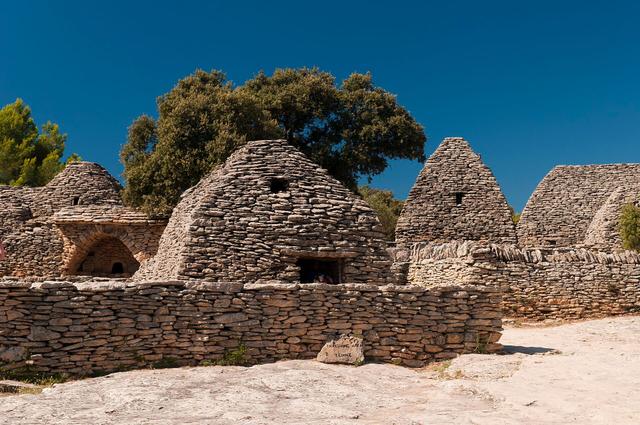
Gordes and the Village des Bories. The hilltop village overlooks the museum road; right next to it, the dry-stone huts of the Village des Bories show what old rural homes looked like. See also: Village des Bories
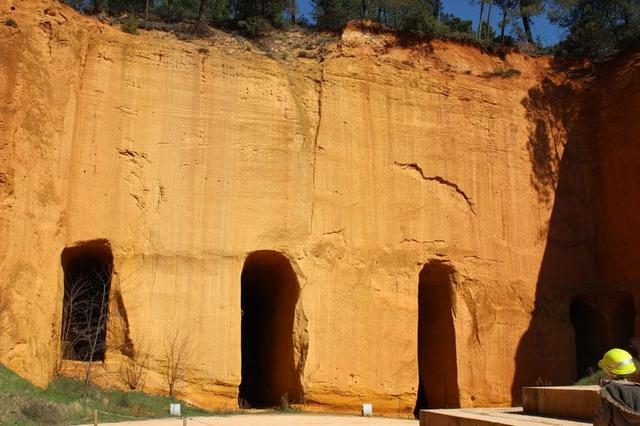
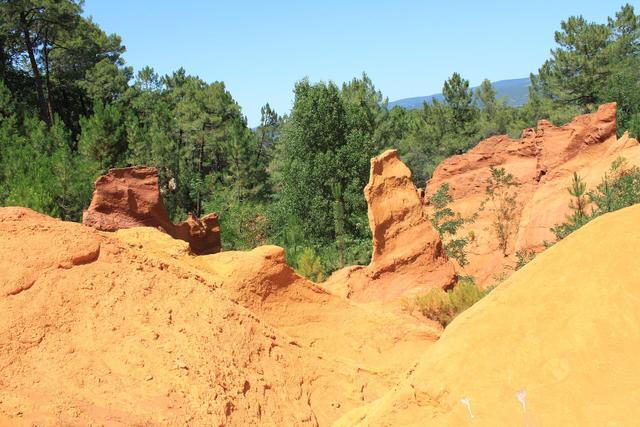
The Bruoux ochre mines. Less than half an hour towards Apt, a guided tour underground through the ochre tunnels, open from March to October. See also: Mines de Bruoux
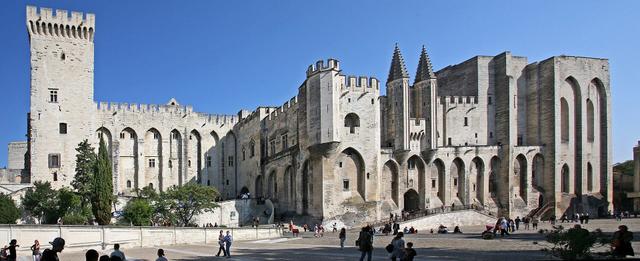
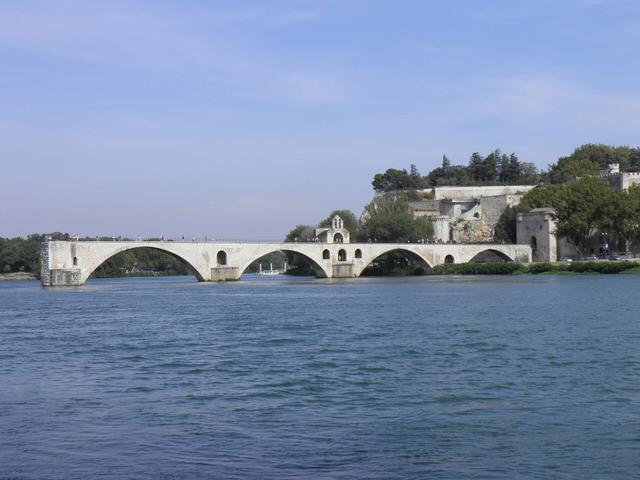
Avignon. The Palais des Papes and the Pont d'Avignon are about 40 minutes away, for a morning in the city and an afternoon in the Luberon. See also: Palais des Papes, Pont d'Avignon (Pont Saint-Bénezet)
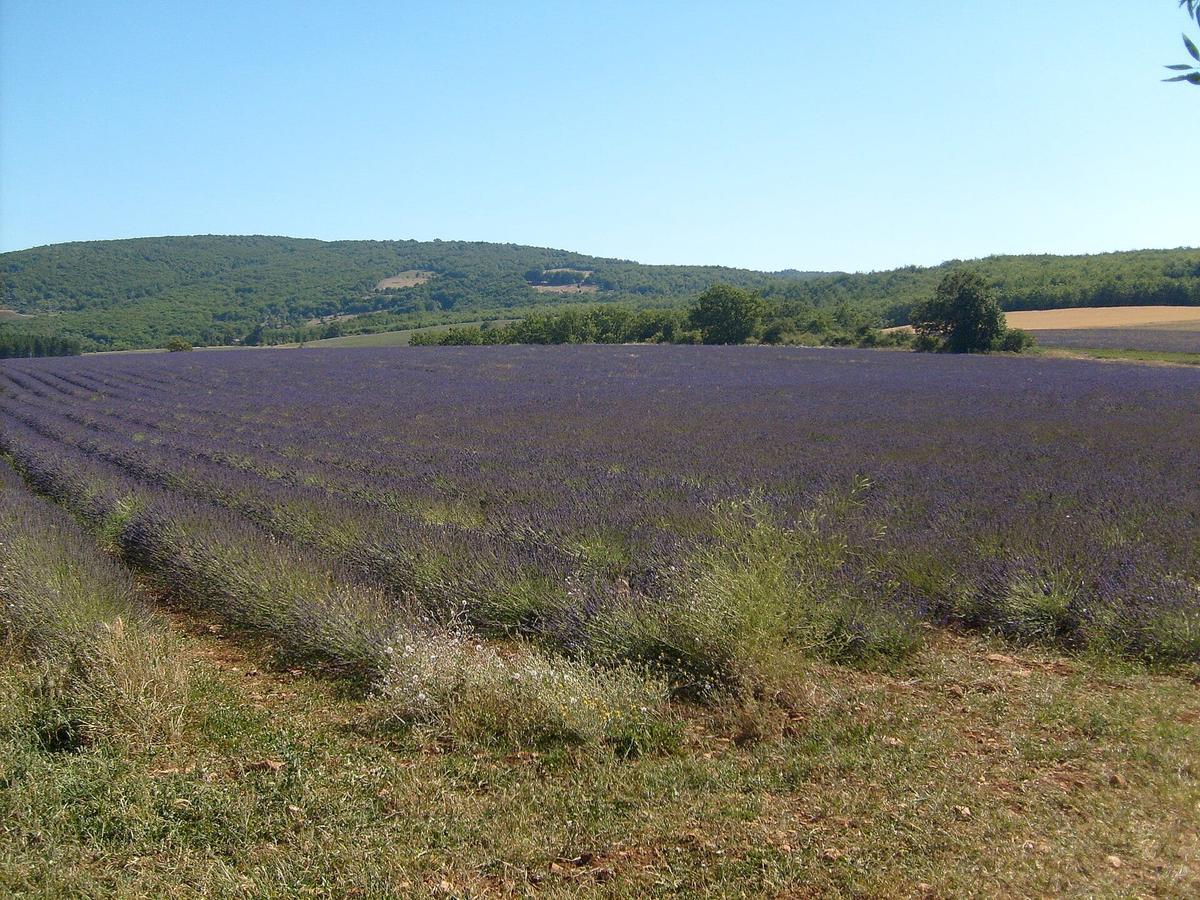
Seeing true lavender in the fields. The true lavender fields are at altitude, north of the Luberon: the Plateau d'Albion, the Pays de Sault and the Montagne de Lure. They flower a little later than lavandin on the plain, usually in July.
Further afield in the region: See also: Carrières des Lumières, Château des Baux-de-Provence, Provence
Stories from the museum
- A still that still works. The still used every summer for the demonstrations has been in the Lincelé family for generations. Jack Lincelé told the regional tourist board that it still works and that seeing it running moves him every time.
- Twenty times less true lavender. Of the 200 tonnes of lavender essential oils produced in France each year, only 10 are true lavender. The rest comes mainly from lavandin.
- Travelling distillers. Before fixed distilleries, mobile stills went from farm to farm during the harvest. The museum displays one from 1925.
Where to eat and stay near the Lavender Museum
Eating. The museum has no restaurant, but there is a picnic area for its visitors. Coustellet has several restaurants and cafés. Gordes, a few minutes away, is pricier in summer.
Where to stay. Coustellet is a good base for exploring: Gordes and the area around it mostly offer guesthouses and upmarket hotels; Cavaillon and L'Isle-sur-la-Sorgue are cheaper and halfway to Avignon.
FAQ
How much is entry to the Lavender Museum in Coustellet?
€8 per adult, €4 for ages 11 to 16, free for under-11s with their parents. The audio guide is included.
Is the Lavender Museum open on Sundays?
Yes, it is open 7 days a week during the season, until 23 December 2026 in 2026.
How long does the visit take?
About 60 minutes with the audio guide, including the film. Allow 1 to 1.5 hours with the shop.
When can you see lavender being distilled?
In July and August. The still is filled in the morning and the essential oil is collected in front of visitors.
Is the museum wheelchair accessible?
Yes, it is all on one level, with adapted toilets, and holds the Tourisme et Handicap label.
Can you get there by bus?
Yes, ZOU! lines 907 and 917 stop outside the museum, and a same-day ticket gets you a discount on entry.
Practical information
Official ticket-office prices 2026
| Full price | €8 |
|---|---|
| Reduced rate | €7 |
| Student | €7 |
| Child (aged 11–16) | €4 |
| Visitor with a disability | €5.50 |
| Group (15 or more) | €7 |
Address
Musée de la Lavande Luberon, 276 route de Gordes, hameau de Coustellet, 84220 Cabrières-d'Avignon, France
Directions · Phone+33 4 90 76 91 23
On site and nearby
- On site: Toilets, picnics allowed, and wifi
- Nearest shops and pharmacy: Robion, 4 km away Straight-line distance, based on OpenStreetMap.
- Emergencies: 112 (all emergencies, free from any phone), 15 (SAMU, medical emergency)
Around the site, on Google Maps
With children
Family days out nearby: Fontaine-de-Vaucluse (5 km), Village des Bories (5 km), Ochre Trail (Sentier des Ocres) (13 km)
Swimming pools and play areas nearby, on Google Maps
Facts checked on 4 November 2026. Sources: museedelalavande.com, museedelalavande.com, provence-alpes-cotedazur.com, provence-alpes-cotedazur.com, museedelalavande.com, routes-lavande.com, luberon.fr
Map
In the same region
- Cosquer Cave (Cosquer Méditerranée)from €18Free under 6