Fontaine-de-Vaucluse: how to plan your visit
Fontaine-de-Vaucluse at a glance
- Admission
- Free
- Time needed
- 2 to 3 hours for the village, the spring and the mill; half a day with a museum
- Visitors per year
- about 800,000 (2021)
- Where
- Fontaine-de-Vaucluse
Facts checked on 11 November 2026. Full opening hours, reduced prices and access
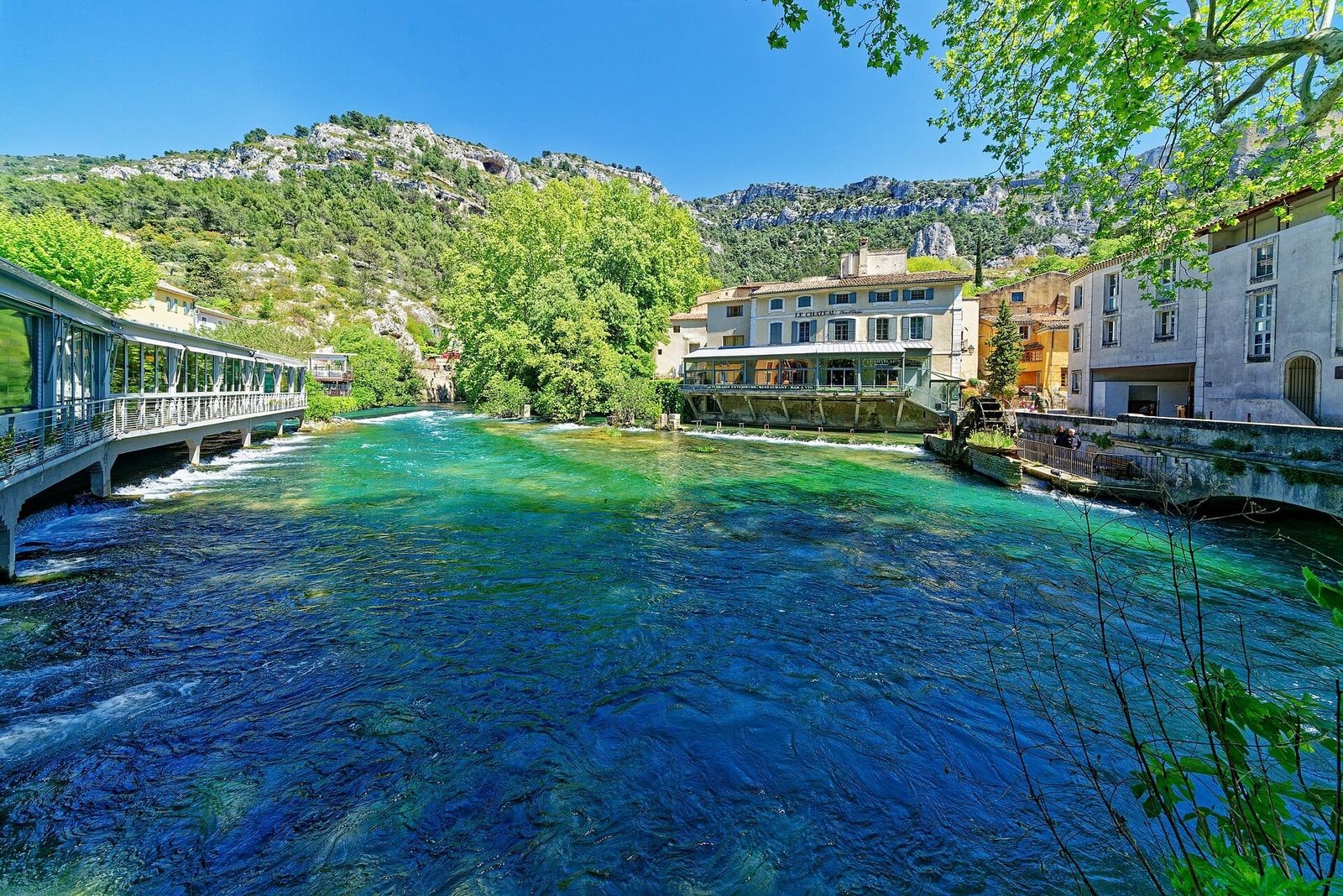
At the end of a valley closed off by a cliff, the Sorgue river bursts out of the ground in one go. Fontaine-de-Vaucluse is the largest spring in France and one of the most powerful in the world. The village around it has kept a working paper mill, two museums and the memory of the poet Petrarch. Here is what is free, what you pay for, what has changed about access to the spring and our tips for your visit.
Fontaine-de-Vaucluse at a glance
- Where: in the Vaucluse, east of L'Isle-sur-la-Sorgue, at the foot of the Monts de Vaucluse.
- Price: the path to the spring and the paper mill are free. The Petrarch museum costs €7, and parking is paid during the day.
- Open: the site is open every day, all year. The two museums only open from 2 April 2026 to 28 September 2026.
- Time needed: 2 to 3 hours for the village, the spring and the mill; half a day with a museum.
- Best for: families, walkers, and lovers of poetry and history.
- Good to know: since 2025, you can no longer walk down to the edge of the spring. The viewing point is about 50 m short of it.
Why visit Fontaine-de-Vaucluse
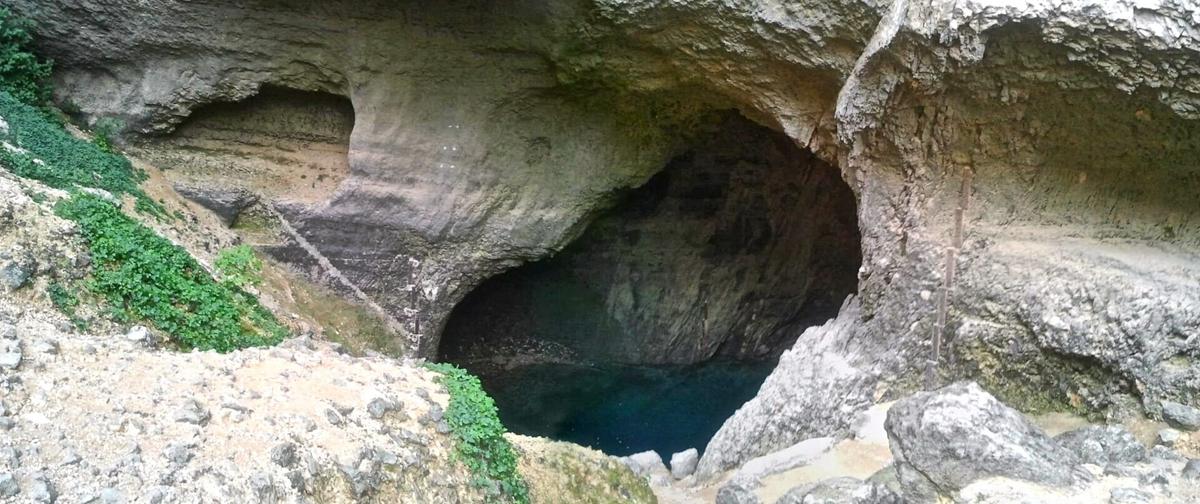
Here the Sorgue gushes out of a cavity at the foot of a cliff. By flow, it is the largest karst spring in mainland France and the fifth largest in the world. Its average flow is 21 m³ per second. The water comes from an underground catchment of 1100 km², which collects rain from Mont Ventoux, the Monts de Vaucluse, the Albion plateau and the Montagne de Lure.
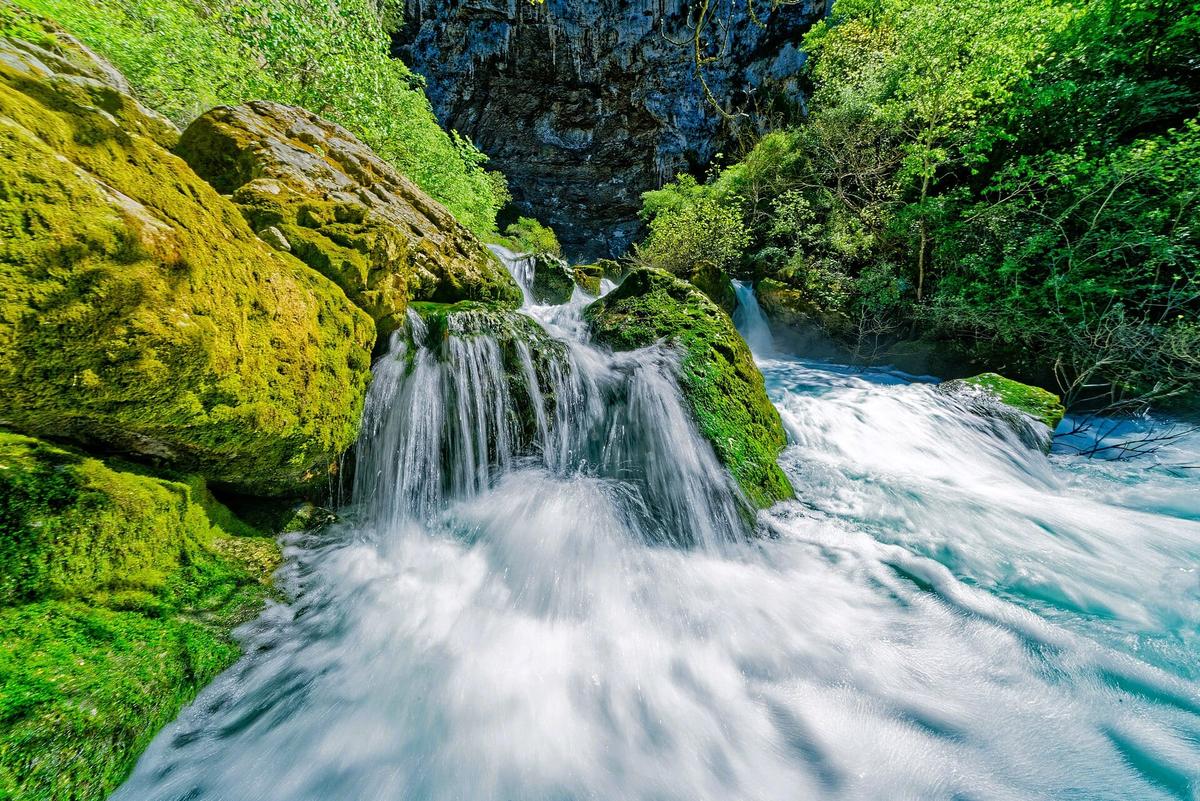
The name comes from the Latin vallis clausa, the "closed valley". It also gave its name to the Vaucluse department. The village has 585 inhabitants, but receives about 800,000 visitors a year, according to figures quoted when the Grand Site de France project was launched.
People come for the spring, but also for the walk along a pale green river, for the last paper mill on the Sorgue and for the traces of Petrarch, who lived here in the 14th century.
Can you still see the spring in 2026?
Yes, but from further away than before. This is the key thing to know before you come.
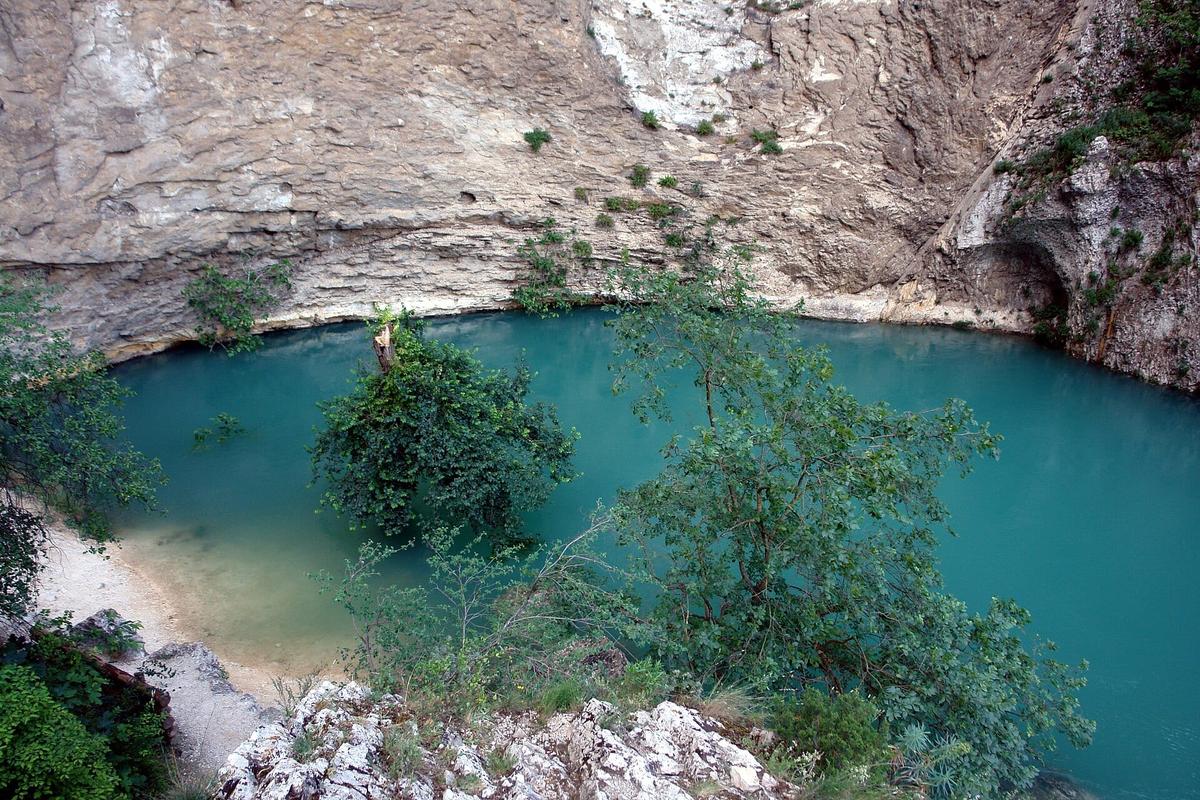
A study carried out in 2023 showed that the great cliff above the spring has many unstable areas, with a high risk of falling stones and blocks. The Vaucluse department and the village decided to reduce the area open to the public. In 2025, the barrier was replaced by a gate that cannot be climbed, placed just before the rocky spur. The last part of the path and the foot of the cliff are closed indefinitely; no reopening date has been announced.
In practice:
- The path along the Sorgue from the village stays open as far as the gate.
- The viewing point is about 50 m from the spring. You can see the resurgence and the pool, but you can no longer go down to the water's edge.
- Do not climb over the gate: the risk of rockfall is real.
How much does it cost to visit?
Most of it is free:
- The path to the spring: free access, every day.
- The Vallis Clausa paper mill: free entry. Only some guided tours and hands-on workshops are paid or need booking.
What you pay for:
- The François Petrarch museum and library: €7 full price, €4 reduced.
- The combined ticket with the history museum: €9 full price, €5 reduced.
- The Jean Garcin history museum: free for under-18s, Vaucluse residents, jobseekers and people on minimum social benefits. It is also free for everyone on the first Sunday of the month.
- Parking: see "How to get to Fontaine-de-Vaucluse".
Our tip: if you plan to see both museums, come on the first Sunday of the month during the season, when the history museum is free.
The Vallis Clausa paper mill
The mill is on the path to the spring, a few metres downstream of the source. A paddle wheel with 48 blades, turned by the Sorgue, drives hammers that pound rags into pulp. You then watch the workers dip a mould into the pulp, lay the sheet on a felt, press it and hang it to dry, just as it was done five centuries ago.
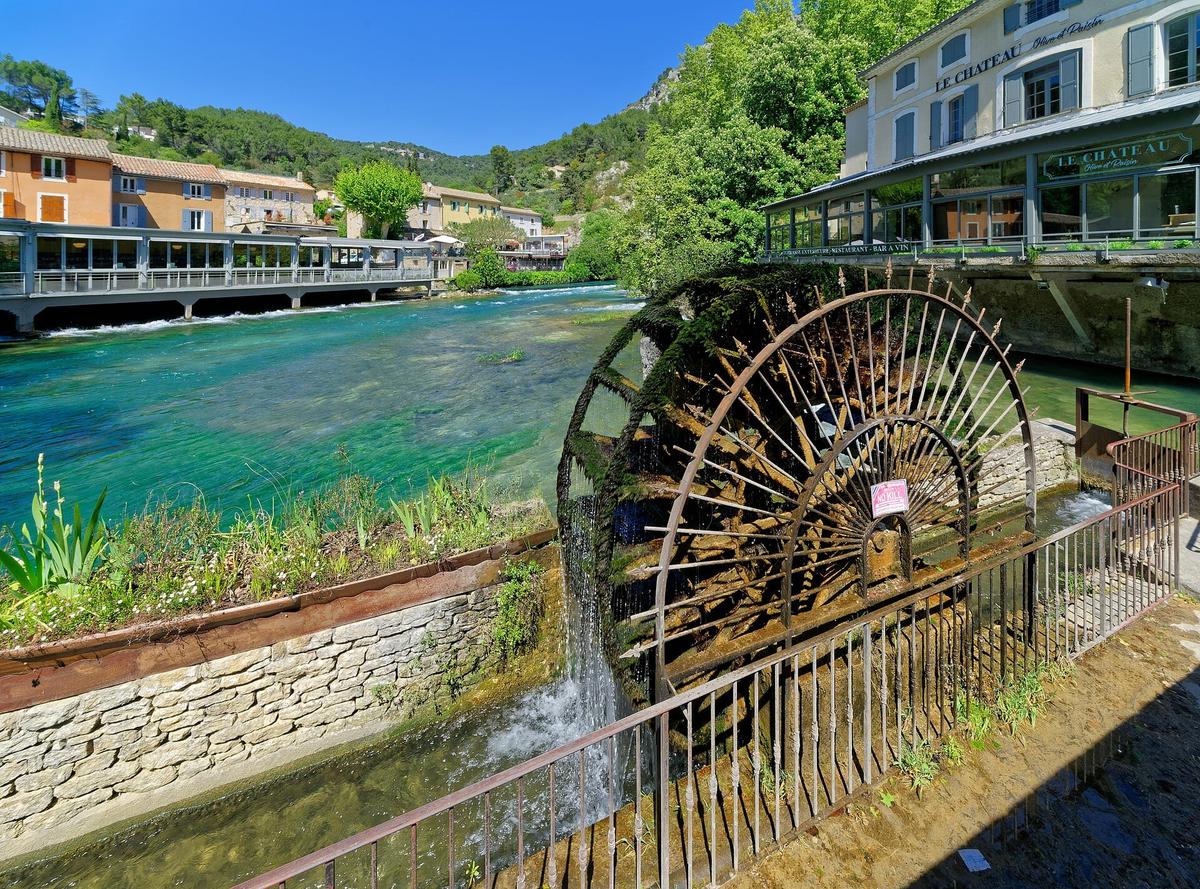
A bit of history. The first known paper mill on the Sorgue dates from 1522. In the 18th century, the Vaucluse had eleven paper mills, 4 of them in Fontaine-de-Vaucluse, employing about 500 people. Almost all disappeared in the 20th century. Vallis Clausa was set up in 1973 to bring the craft back to life.
The mill also displays old presses and printing and lithography machines. The shop sells paper made on site, notebooks and cards.
2026 opening hours:
- In November: 10:00 – 12:30 and 14:00 – 18:00.
- From 1 December 2026 to 31 January 2027: 10:00 – 12:30 and 14:00 – 17:30.
- In April and October: 10:00 – 12:30 and 14:00 – 18:30.
- In July and August: 10:00 – 19:30, with no lunch break.
The mill is closed on 25 December and 1 January. Dogs are welcome.
The Petrarch museum and library
This Vaucluse department museum occupies a house on the left bank of the Sorgue. It is devoted to the Italian poet and to those who admired him.
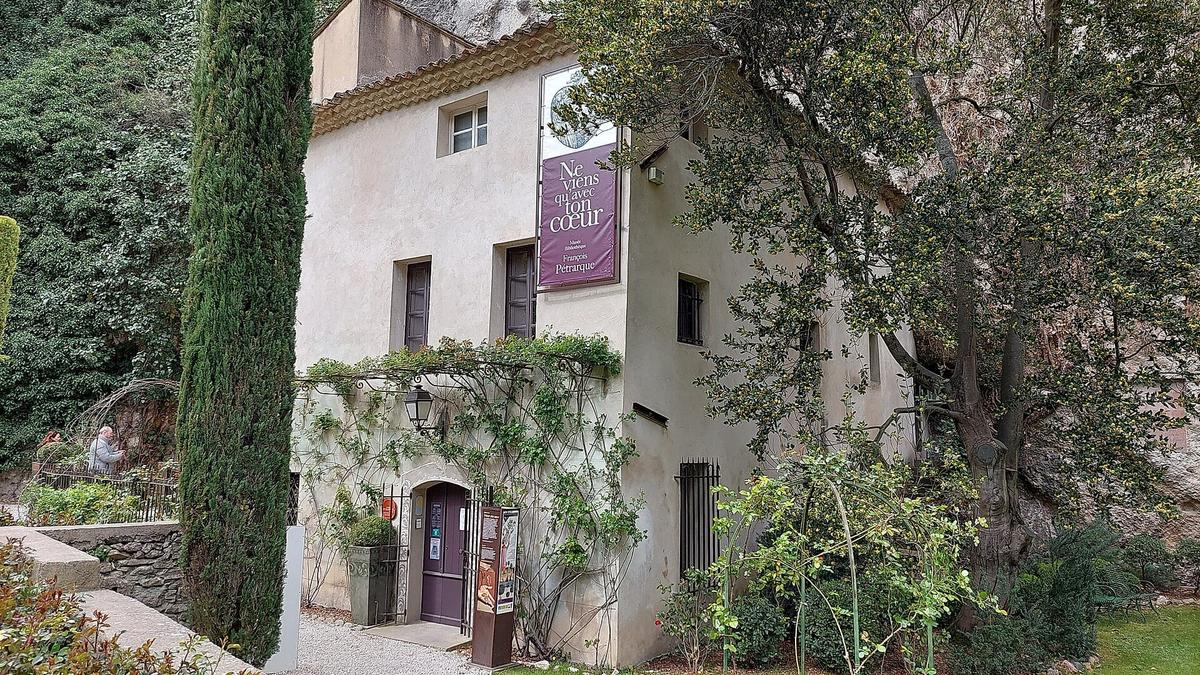
- Ground floor: modern art by Picasso, Braque, Giacometti and Miró, and letters, manuscripts and photographs of René Char, the poet from L'Isle-sur-la-Sorgue.
- First floor: portraits of Petrarch and Laura, and early editions of his works, from the 15th to the 19th century.
- Second floor: the "treasure of the water", ancient coins found in the spring in 2003.
In 2026, the museum opened from 2 April 2026 to 28 September 2026, on Mondays, Thursdays, Fridays and weekends. It is closed on Tuesdays and Wednesdays, and out of season. So in November it is closed.
The Jean Garcin history museum: 1939-1945, the Call of Freedom
This second department museum, on the chemin du Gouffre, tells the story of daily life under the German Occupation, the Resistance in the Vaucluse and collaboration. Its collection has more than 10,000 objects, documents, photographs and archives. Reconstructed sets (a school, a town hall, a grocery, a library) help children understand the period. The museum also holds manuscripts and editions by René Char, Max Jacob, Georges Rouault and Paul Eluard.
It follows the same calendar as the Petrarch museum: open from April to the end of September, closed on Tuesdays and Wednesdays, and exceptionally closed on 1 May.
Petrarch in Fontaine-de-Vaucluse
The poet Petrarch, one of the first humanists, made Fontaine-de-Vaucluse his favourite home in the 14th century. He wrote himself that his long stay and his songs had made the source of the Sorgue even more famous. He left the village in 1353, after the death of his son.
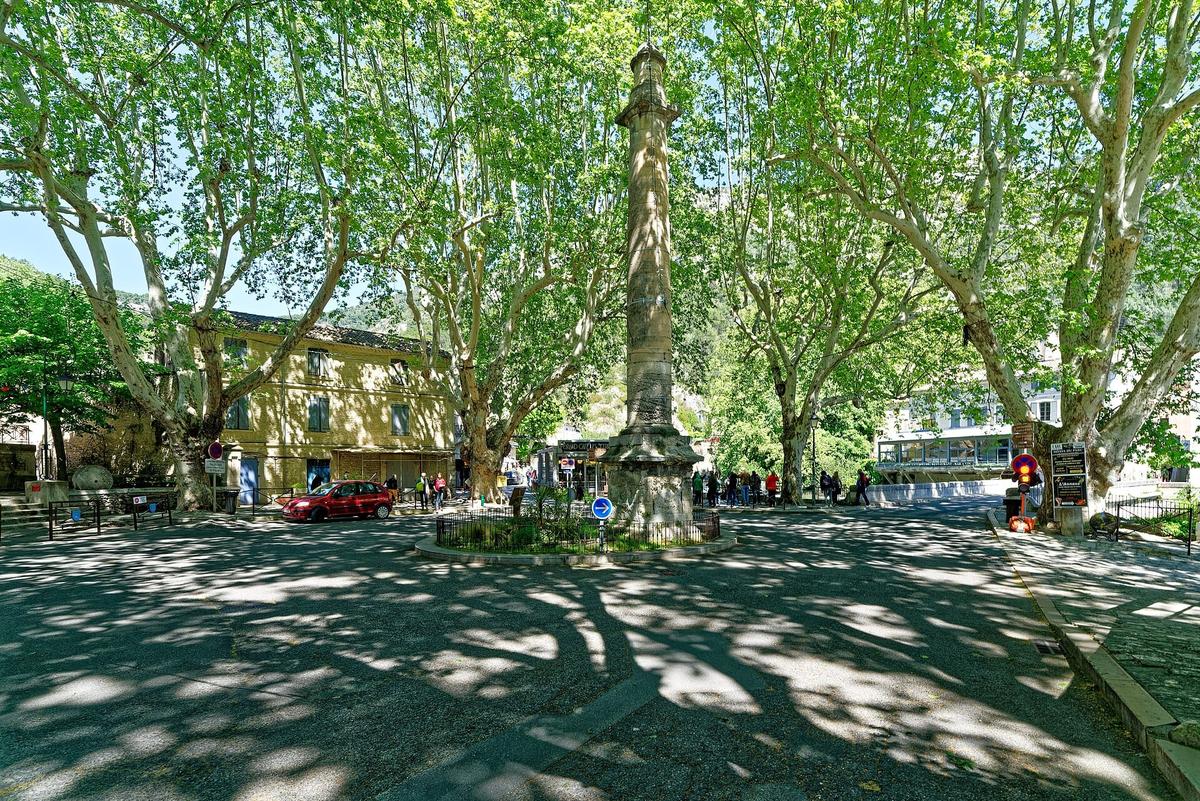
A story worth knowing. Shortly after he left, bandits razed the village. In the 16th and 17th centuries, the valley then had a reputation as a wild place that people avoided. Above the village, the ruins of the castle of the bishops of Cavaillon still overlook the valley; the path up to it is steep.
How deep is the spring?
For a long time, nobody knew. Dives followed one another for more than a century:
- In 1879, Nello Ottonelli went down to 23 m in a heavy diving suit.
- In 1946, Jacques-Yves Cousteau reached 46 m with an aqualung. On that dive, he and a teammate nearly died: their air was contaminated with carbon monoxide.
- In 1985, the Modexa robot touched the bottom at around 305 m.
- In 1989, the Spélénaute robot reached 308 m, the deepest known point of the shaft.
Best time to visit
In spring, the flow is at its strongest and the water churns: this is the most spectacular time. The rest of the year, the surface of the pool is often calm.
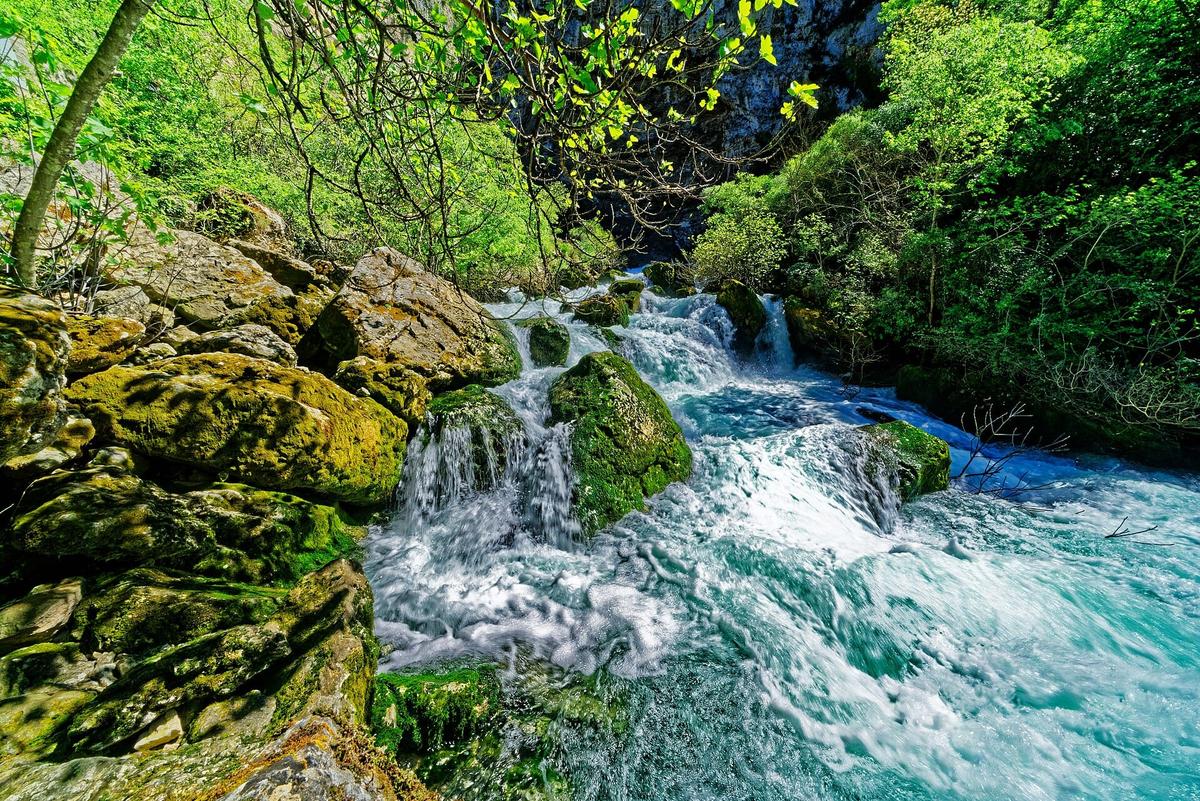
In autumn, the tourist office recommends coming to see the power of the spring with fewer people around.
In summer, the village is very busy. Arrive before 10 am: parking is easier and the walk quieter. Both museums are open.
In winter, the path and the mill stay open, but the museums are closed.
How long does it take?
The return walk from the village to the viewing point, with a stop at the mill, takes about an hour and a half. With a drink on a terrace and the climb to the castle, allow two to three hours. With one of the museums, plan half a day.
Guided tours
The tourist office runs discovery tours of the village. Guided tours on the mysteries of the spring can also be booked online.
Partner links: if you book through these links, we earn a commission at no extra cost to you. Partner links · Learn more
Visiting Fontaine-de-Vaucluse with kids
Fontaine-de-Vaucluse is an easy outing with children:
- The path to the spring is short and easy as far as the viewing point.
- At the mill, the wheel, the hammers and the papermaking often interest them more than the spring itself. Entry is free.
- The history museum is free for under-18s, and its reconstructed sets speak to younger children.
- The village has a picnic area, public toilets and ice cream shops.
Keep children away from the banks: the Sorgue is cold and the current is strong.
How to get to Fontaine-de-Vaucluse
By car. This is the simplest option. The village is east of L'Isle-sur-la-Sorgue, about thirty kilometres from Avignon. The village car parks charge 8:00 – 19:30, every day, public holidays included. The first 30 minutes are free, and parking is free at night. Motorbikes and scooters park free on the chemin du Prieuré, near the town hall.
By campervan. A Camping Car Park area is located at 552 route de Cavaillon.
By coach. Tour coaches drop their passengers at the Grand'Terre car park, then have to park outside the village. The Les Vergnes car park, avenue Robert Garcin, is the easiest for coaches.
Renting a car. Avignon, with its TGV high-speed station, is the most convenient starting point for Fontaine-de-Vaucluse, Gordes and the Luberon. Most rental cars in France have a manual gearbox: book early if you need an automatic.
What to combine with Fontaine-de-Vaucluse
| Also worth seeing | Distance | Travel time |
|---|---|---|
| Village des Bories | 13 km | 20 min by car |
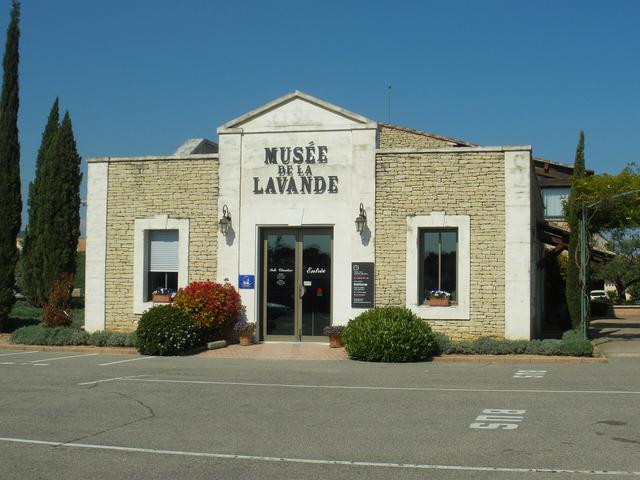
| Lavender Museum (Musée de la Lavande) | 12 km | 15 min by car |
| Sénanque Abbey | 20 km | 30 min by car |
Approximate road distances and travel times.
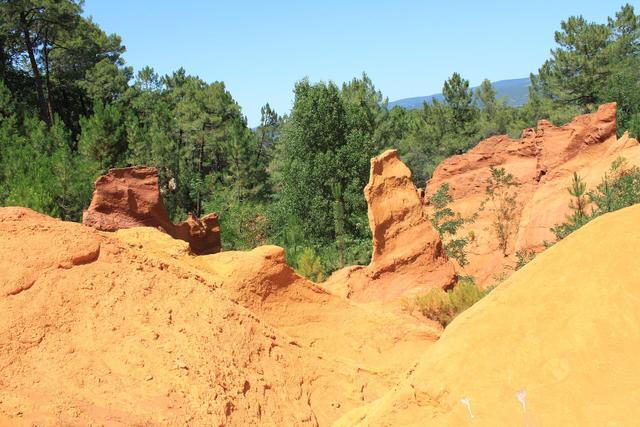
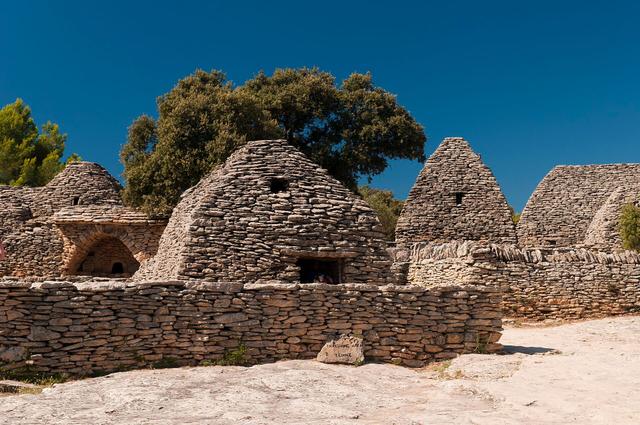
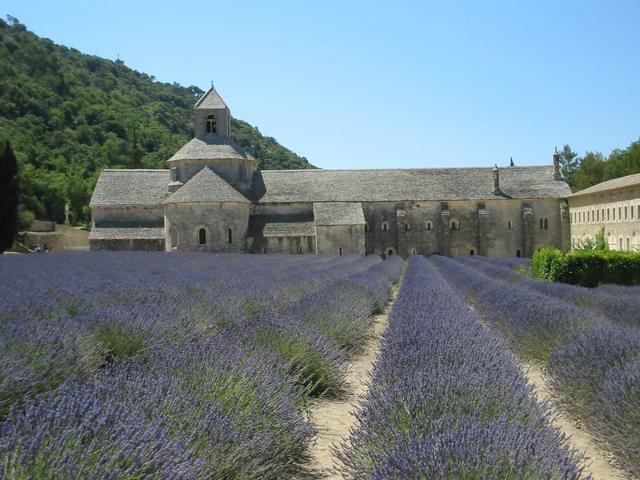
Fontaine-de-Vaucluse combines easily with the sights of the northern Luberon. The Village des Bories, near Gordes, is a hamlet of dry-stone huts. See also: Village des Bories The Lavender Museum in Coustellet is a quarter of an hour away. See also: Lavender Museum (Musée de la Lavande) Sénanque Abbey and its lavender fields are half an hour away. See also: Sénanque Abbey Further on, the Ochre Trail in Roussillon and the Bruoux ochre mines round off a day. See also: Ochre Trail (Sentier des Ocres), Mines de Bruoux, Palais des Papes, Verdon Gorge, Provence
Where to eat and stay
The village has several restaurants and terraces along the Sorgue, more expensive on the main square. A picnic area also lets you have lunch on site.
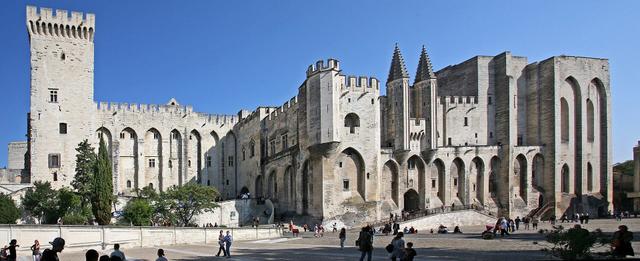
To stay, L'Isle-sur-la-Sorgue, a few kilometres away, has a wider choice of hotels and B&Bs. Avignon suits you if you want to combine your trip with the Palais des Papes.
Places to stay near L'Isle-sur-la-Sorgue
FAQ
Do you have to pay to see the spring at Fontaine-de-Vaucluse?
No, the path is free all year. Only parking is paid during the day.
Can you still walk to the spring?
Not to the edge any more. To protect visitors from falling stones, a gate stops the public about 50 m from the spring, from where you can still see the resurgence.
Is the Vallis Clausa paper mill free?
Yes, entry is free. It is open every day except 25 December and 1 January.
Is the Petrarch museum open in winter?
No. In 2026, it opened from 2 April 2026 to 28 September 2026, closed on Tuesdays and Wednesdays. Entry costs €7.
When is the best time to see the spring?
Spring, when the flow is strongest. Autumn is a good compromise, with fewer people.
How long does it take to visit Fontaine-de-Vaucluse?
Two to three hours for the village, the path to the spring and the mill; half a day with a museum.
Practical information
Official ticket-office prices 2026
Free admission
Address
Chemin du Gouffre, 84800 Fontaine-de-Vaucluse, France
Directions · Phone+33 4 90 20 32 22
On site and nearby
- On site: Toilets, food and drink, and picnics allowed
- Nearest shops and pharmacy: Gordes, 5 km away Straight-line distance, based on OpenStreetMap.
- Emergencies: 112 (all emergencies, free from any phone), 15 (SAMU, medical emergency)
Around the site, on Google Maps
With children
Family days out nearby: Village des Bories (4 km), Lavender Museum (Musée de la Lavande) (5 km), La Chèvrerie des Fontaines (10 km)
Swimming pools and play areas nearby, on Google Maps
Swimming poolsPlaygroundsLeisure parks
Family activities around L'Isle-sur-la-Sorgue on GetYourGuide
Facts checked on 11 November 2026. Sources: islesurlasorguetourisme.com, uk.islesurlasorguetourisme.com, uk.islesurlasorguetourisme.com, uk.islesurlasorguetourisme.com, luberon.fr, echodumardi.com, en.wikipedia.org, en.wikipedia.org, provenceguide.com, luberon.fr, provenceguide.com
Map
In the same region
- Cosquer Cave (Cosquer Méditerranée)from €18Free under 6