Simon de Montfort, the crusader killed outside Toulouse
- Born
- c. 1175
- Died
- 25 June 1218
- Active years
- 1209 – 1218
- Family
- Artists, saints and favourites
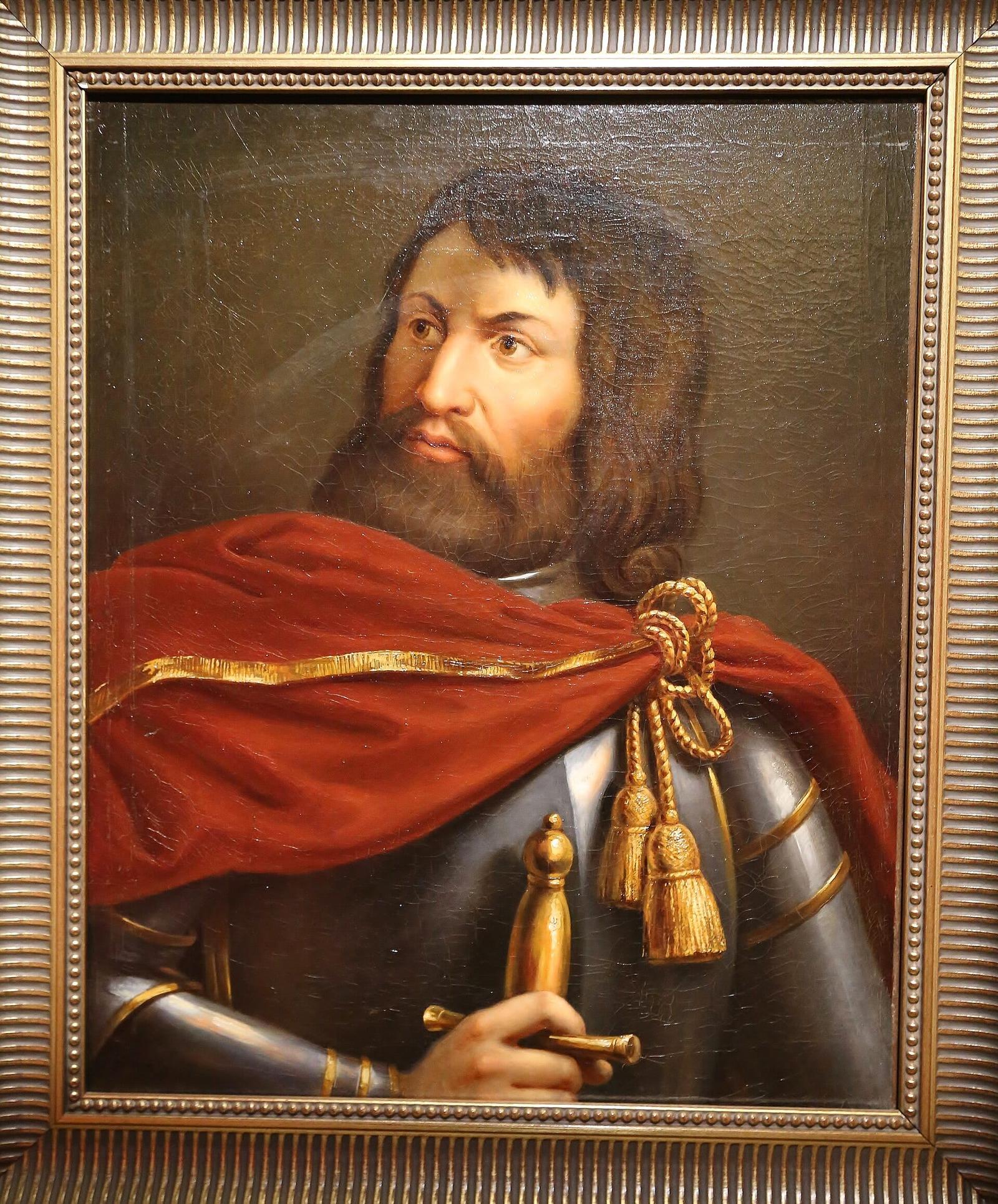
A minor lord from the Île-de-France, within a few years he became master of half of Languedoc. Simon de Montfort took command of the Albigensian Crusade after the fall of Carcassonne in 1209 and waged it without mercy. He died nine years later beneath the walls of Toulouse, his head smashed by a stone hurled from the city.
Simon de Montfort in dates
| Date | Event |
|---|---|
| c. 1175 | Born into the family of the lords of Montfort-l'Amaury |
| 1202 | Leaves the Fourth Crusade, which attacks the Christian city of Zara |
| 15 August 1209 | Fall of Carcassonne; he receives the Trencavel lands |
| July 1210 | Capture of Minerve; about 140 Cathars are burned |
| May 1211 | Capture of Lavaur |
| 12 September 1213 | Victory at Muret over the king of Aragon |
| 1215 | The Lateran Council grants him the county of Toulouse |
| 1217 | Toulouse rises up and calls back its count, Raymond VI |
| 25 June 1218 | Killed at the siege of Toulouse |
A crusader with scruples
Simon de Montfort was born around 1175 into a family of barons from the Île-de-France, lords of Montfort-l'Amaury. Through his mother he had claims to the English earldom of Leicester. In 1202 he set out on the Fourth Crusade, but refused to follow the army when, on Venice's orders, it attacked Zara, a Christian city on the Dalmatian coast. He made his own way to the Holy Land.
Carcassonne, 1209
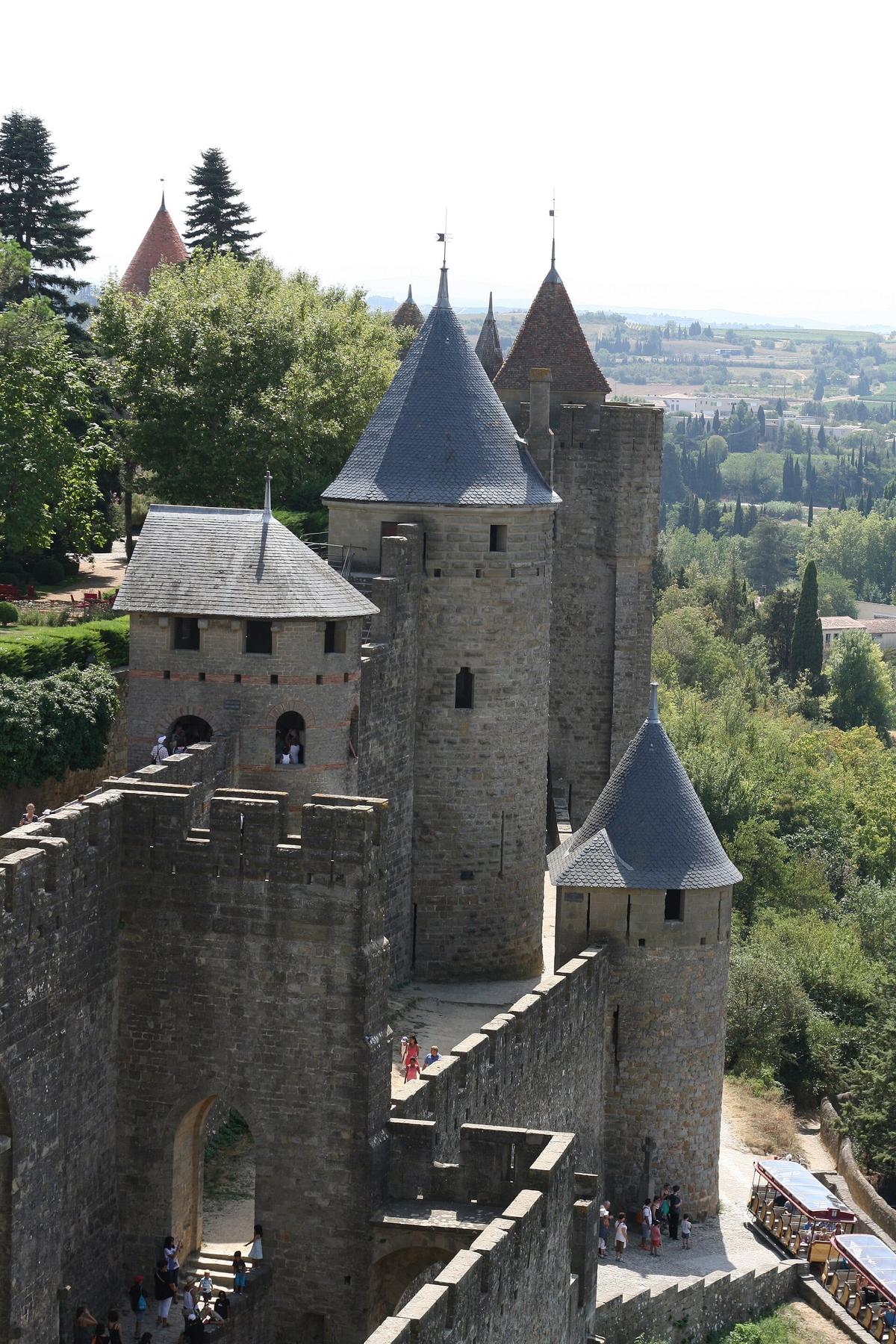
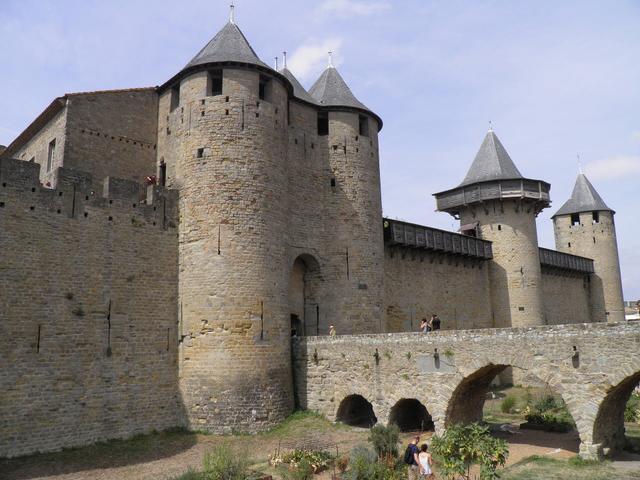
In 1209 Pope Innocent III launched a crusade against the Cathars of Languedoc, whom the Church considered heretics. The army massacred the people of Béziers on 22 July, then laid siege to Carcassonne, the city of Viscount Raymond-Roger Trencavel. Cut off from water in the height of summer, the city surrendered on 15 August. The barons then looked for a leader to hold the conquered land: Simon de Montfort accepted and received the Trencavel viscounties. Raymond-Roger died in November, a prisoner in his own city. See also: Carcassonne Medieval City
What to see: in Carcassonne, the Château Comtal, the Porte Narbonnaise and the Basilica of Saint-Nazaire, where Simon was first buried.
Minerve, Lavaur, Muret
Simon took the strongholds of Languedoc one by one. In July 1210, at Minerve, about one hundred and forty Cathars who refused to renounce their faith were burned. In 1211, at Lavaur, the lady of the town was thrown down a well and hundreds of heretics were sent to the stake. On 12 September 1213, at Muret, south of Toulouse, his knights, heavily outnumbered, defeated the army of King Peter II of Aragon, who had come to help the counts of Toulouse and Foix; the king was killed. In 1215 the Lateran Council gave Simon the county of Toulouse.
The stone of Toulouse
In 1217 Toulouse rose up and opened its gates to its former count, Raymond VI. Simon besieged the city for nine months. On 25 June 1218, a stone thrown by a siege engine on the ramparts struck him on the head and killed him outright. The Song of the Albigensian Crusade claims that the engine was worked by the women and girls of Toulouse. His body was first buried in Carcassonne, at Saint-Nazaire, then taken by his son to Montfort-l'Amaury. His younger son, also called Simon, would become Earl of Leicester and one of the fathers of the English Parliament.
In his footsteps: Carcassonne and the castles of Languedoc
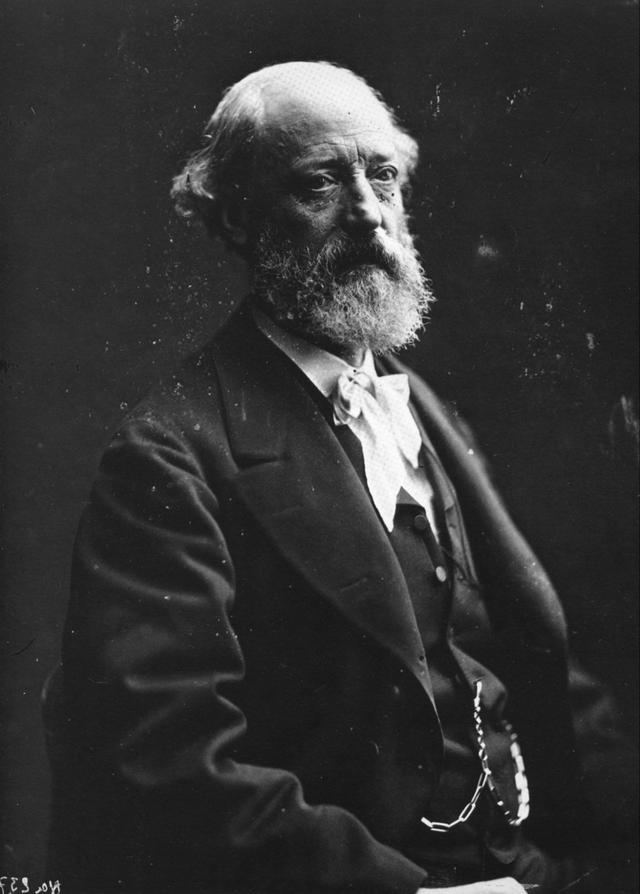
Restored in the 19th century by Viollet-le-Duc, the medieval city of Carcassonne is a 26-minute walk from the station. From Carcassonne, Peyrepertuse and Quéribus castles, perched on the ridges of the Corbières, are a little over an hour away. See also: Eugène Viollet-le-Duc, Peyrepertuse Castle, Quéribus Castle
Partner links: if you book through these links, we earn a commission at no extra cost to you. Partner links · Learn more
Places to stay near Carcassonne
FAQ
Who was Simon de Montfort?
A baron from the Île-de-France, born around 1175, who led the Albigensian Crusade from 1209 until his death in 1218 and carved out a principality for himself in Languedoc.
How did Simon de Montfort die?
On 25 June 1218, at the siege of Toulouse, struck on the head by a stone thrown from the city walls.
Why was Simon de Montfort given Carcassonne?
After the city surrendered on 15 August 1209, the crusade leaders entrusted him with the lands of Viscount Trencavel so that he could hold the conquered region.
What was the battle of Muret?
His great victory, on 12 September 1213, over the army of King Peter II of Aragon, who was killed in the fighting, and of the counts of Toulouse and Foix.
Where is Simon de Montfort buried?
First in Carcassonne, in the Basilica of Saint-Nazaire, then at Montfort-l'Amaury, where his son had his remains taken.
Sources: fr.wikipedia.org (Simon IV de Montfort)
Tickets to book online
Partner links: if you book through these links, we earn a commission at no extra cost to you. Partner links · Learn more