Royal Monastery of Brou: visiting Bourg-en-Bresse's masterpiece
Royal Monastery of Brou at a glance
- High season
- 9:00 – 18:00
- Low season
- 9:00 – 17:00
- Full price
- €11
- Free
- under 18s
- Where
- Bourg-en-Bresse
Official ticket-office prices, checked on 4 November 2026. Full opening hours, reduced prices and access
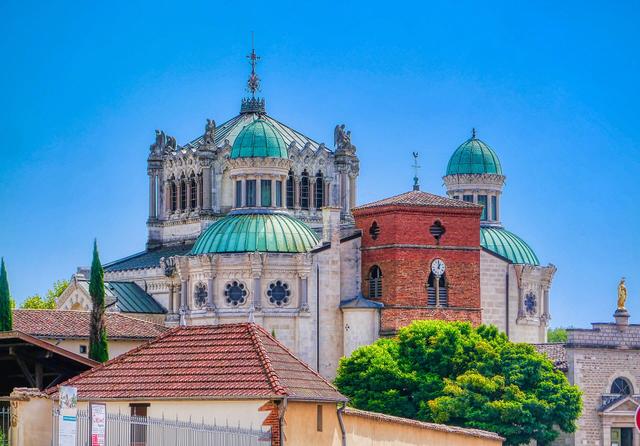
On the edge of Bourg-en-Bresse, the Royal Monastery of Brou brings together a Gothic church with a colourful tiled roof, three cloisters and the town's Museum of Fine Arts. Margaret of Austria had it built in the early 16th century so she could be buried next to her husband. Here are the prices, who gets in free, opening hours, how to get there and our tips for planning your visit.
Brou Monastery at a glance
- Where: 63 boulevard de Brou, Bourg-en-Bresse, in the Ain department.
- Price: €11 full price. Free for under-18s and for EU nationals under 26.
- Open: every day, 9:00 – 18:00 from 1 April to 30 September, 9:00 – 17:00 from 1 October to 31 March.
- Closed: 1 January, 1 May and 25 December.
- One ticket for everything: the church, the cloisters, Margaret of Austria's apartments, the Museum of Fine Arts and the temporary exhibitions.
- Run by: the Centre des monuments nationaux, for a monument owned by the town of Bourg-en-Bresse.
Partner links: if you book through these links, we earn a commission at no extra cost to you. Partner links · Learn more
What is the Royal Monastery of Brou?
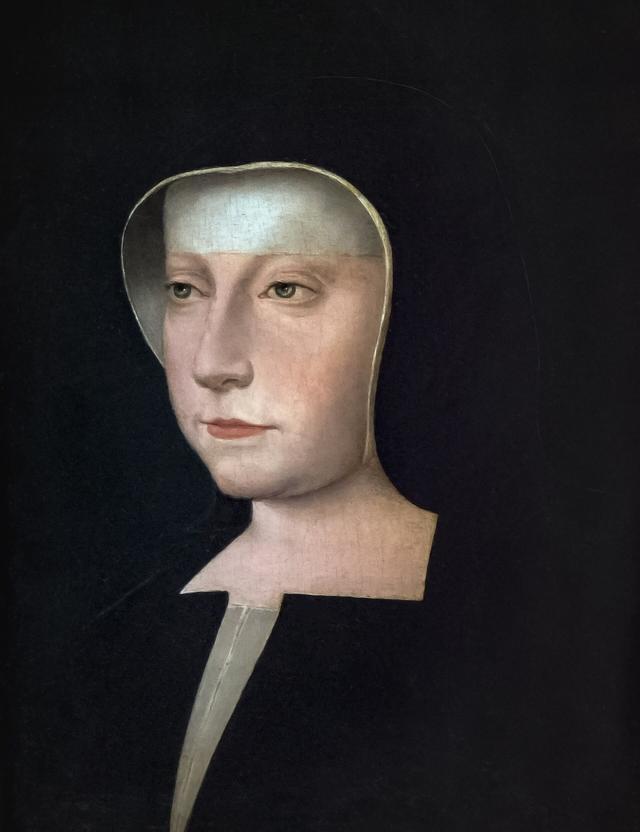
Brou is a religious complex built at the very beginning of the 16th century by Margaret of Austria. Daughter of Emperor Maximilian and aunt of the future Charles V, she became Duchess of Savoy through her marriage to Philibert the Handsome, and later governor of the Netherlands.
The project started with a family promise. Margaret of Bourbon, Margaret of Austria's mother-in-law, had vowed to found a monastery at Brou. She died before keeping her word. Philibert the Handsome died in turn in 1504, aged 24. His widow then bought the priory of Brou to fulfil the vow and to turn the site into her dynasty's burial place.
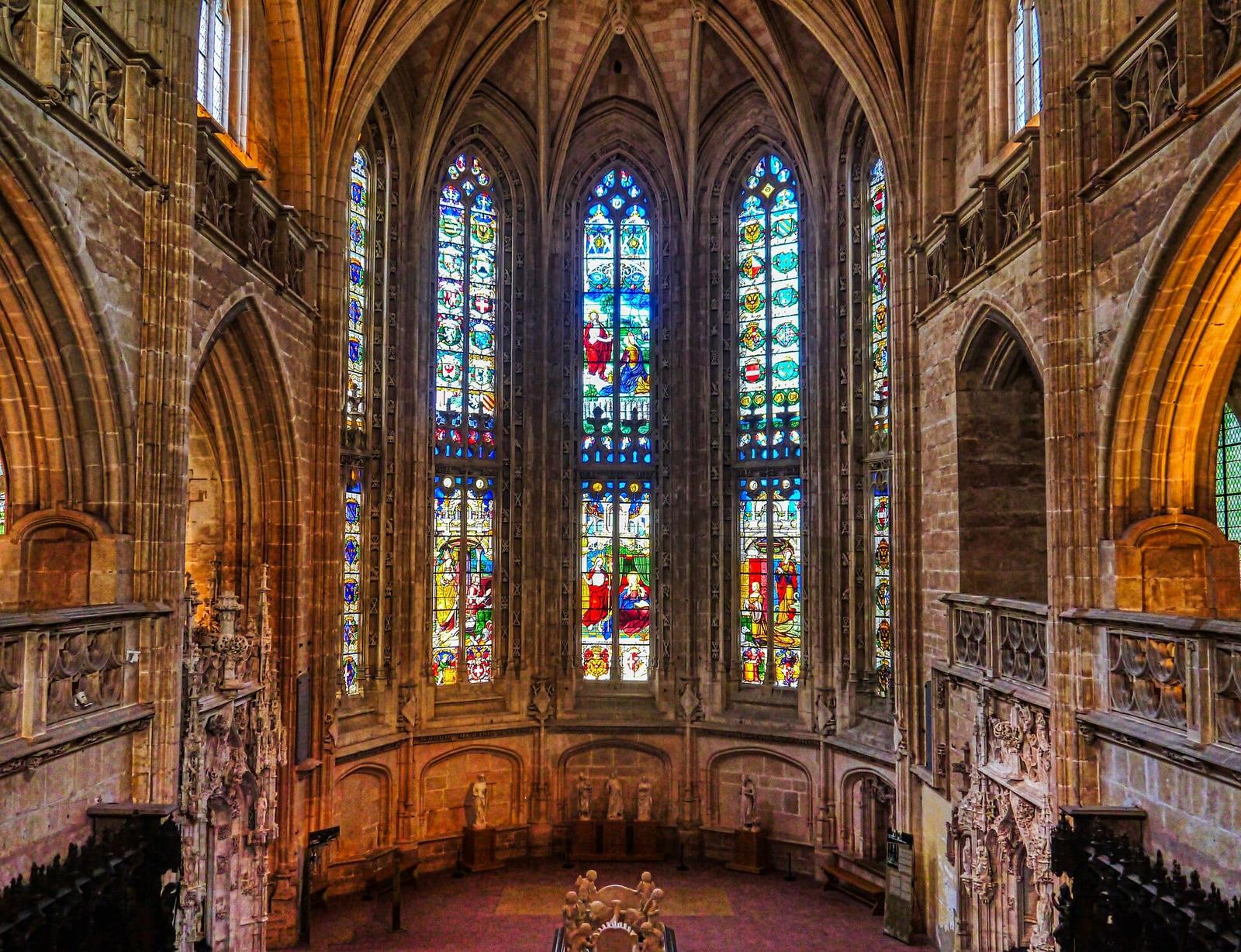
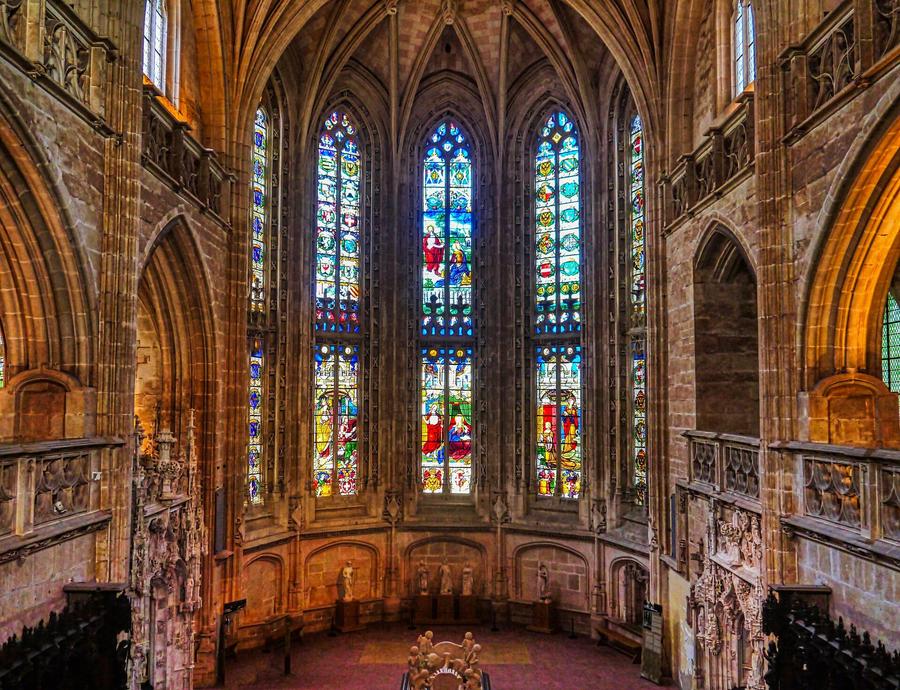
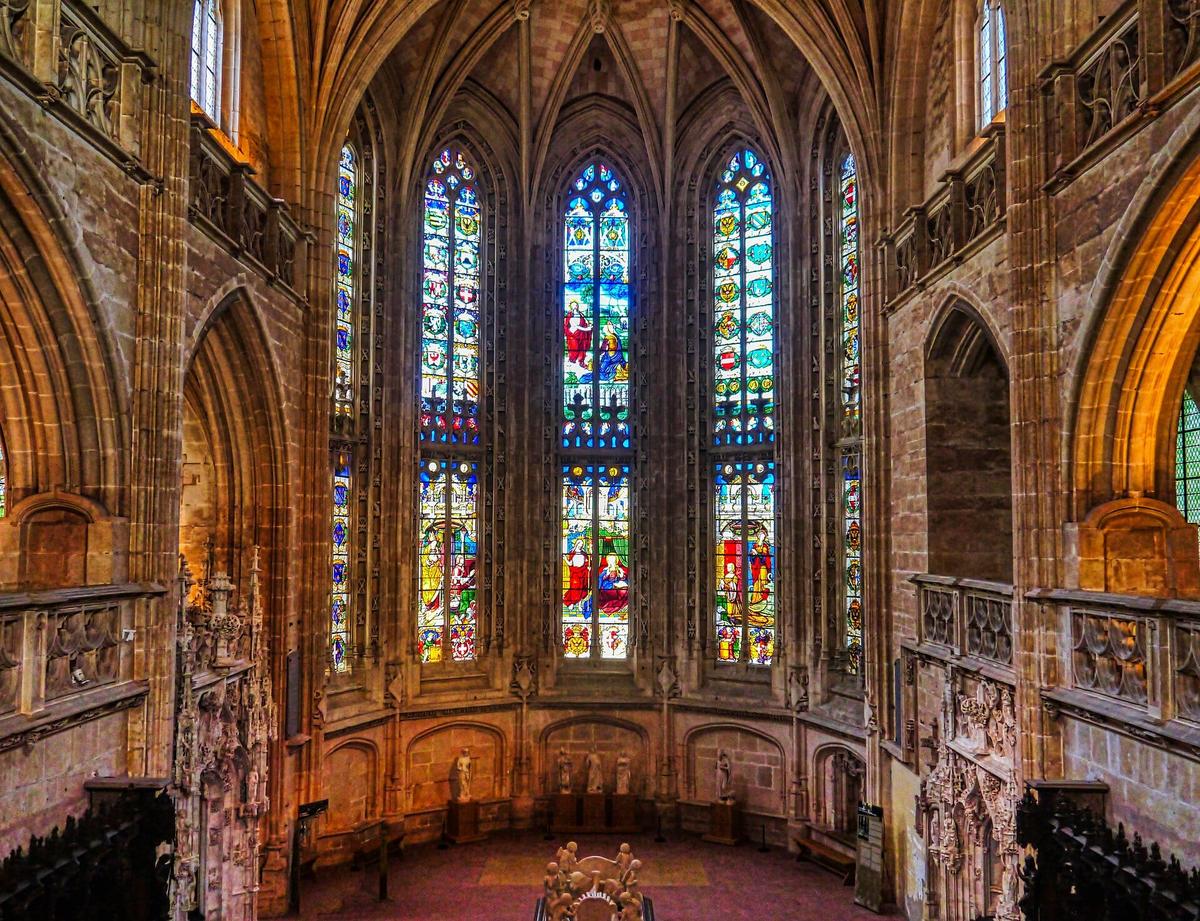
The monastery buildings went up from 1506 to 1512, followed by the church of Saint-Nicolas-de-Tolentin from 1513 to 1532. The master builder was Louis van Bodeghem, an architect from the Netherlands: Brou is his only known work outside those lands. The church is in the Flamboyant Gothic style, very richly carved, with a few early Renaissance motifs.
The church has been a listed historic monument since the list of 1862.
How much does Brou Monastery cost?
The ticket covers the whole site: church, cloisters, Museum of Fine Arts and temporary exhibitions. These prices have applied since 1 January 2024 and are still the ones on the official website in 2026:
- Full price: €11.
- Partner rate: €9.50 for Cézam card holders, members of the Amis de Brou, visitors coming from Cluny and TGV INOUI passengers showing a ticket less than 5 days old.
- SNCF Grand Voyageur members: €8 on showing the card.
- Groups: €9.50 per person from 20 paying adults, up to 50 people per group.
Who gets in free? The list is long and covers a lot of visitors:
- under-18s visiting with their family (not school groups);
- EU nationals under 26;
- disabled visitors and the person accompanying them;
- jobseekers and people on RSA income support, with a certificate less than 6 months old;
- teachers holding a valid Pass éducation;
- holders of the Ain Pass'Découvertes, architecture students, and ICOM and MAPRA card holders.
Good to know if you live outside the EU: free entry for under-18s applies to everyone, but the free rate for 18 to 25-year-olds is for EU nationals only. A 20-year-old visitor from the UK, the US or Australia pays the full price.
Free for all on the first Sunday of the month, but not all year. As at other national monuments, entry is free on the first Sunday of the month, but only in January, February, March, November and December. On the first Sunday of July, you pay the full price.
A simple sum for a family: two parents pay €11 each, children under 18 nothing. If you plan to visit several national monuments in a year, look at the Centre des monuments nationaux's Passion Monuments pass, which gives unlimited entry for a year to Brou and dozens of other monuments.
The monastery accepts cash, bank cards, ANCV holiday vouchers and Chèque Culture vouchers.
Do you need to book?
No, booking is not required for individual visitors. The Centre des monuments nationaux's online ticket office lets you buy your ticket in advance, which saves queuing at the desk on busy weekends and during the European Heritage Days. Groups must contact the monument.
The monastery also runs guided tours and themed activities on certain dates: the programme is on the "Visites et activités" page of the official website.
Opening hours and best time to visit
2026 opening hours:
- 1 April to 30 September: every day, 9:00 – 18:00.
- 1 October to 31 March: every day, 9:00 – 17:00.
- Closed on 1 January, 1 May and 25 December.
Last entry is 30 minutes before closing, and staff start clearing the rooms 15 minutes before. In practice, arriving an hour before closing does not leave you time to see the museum.
Our tip: the monastery opens early, at 9am, which is rare for a monument of this size. Come in the morning to enjoy the church in peace, and keep the museum for the end of your visit. In good weather, the afternoon light shows off the coloured roof tiles as seen from the forecourt. In winter, a first Sunday from November to March gets you in for free, but expect more people.
How long does it take to visit?
The official website does not give a visit time. For the church and the three cloisters, allow an hour and a half. Add at least an hour if you want to see Margaret of Austria's apartments and the Museum of Fine Arts, which fills part of the buildings. Half a day is a good guide to see everything without rushing.
What to see at Brou Monastery
The church and its roof. From outside, the first thing you notice is the tall roof covered in coloured glazed tiles laid out in geometric patterns.
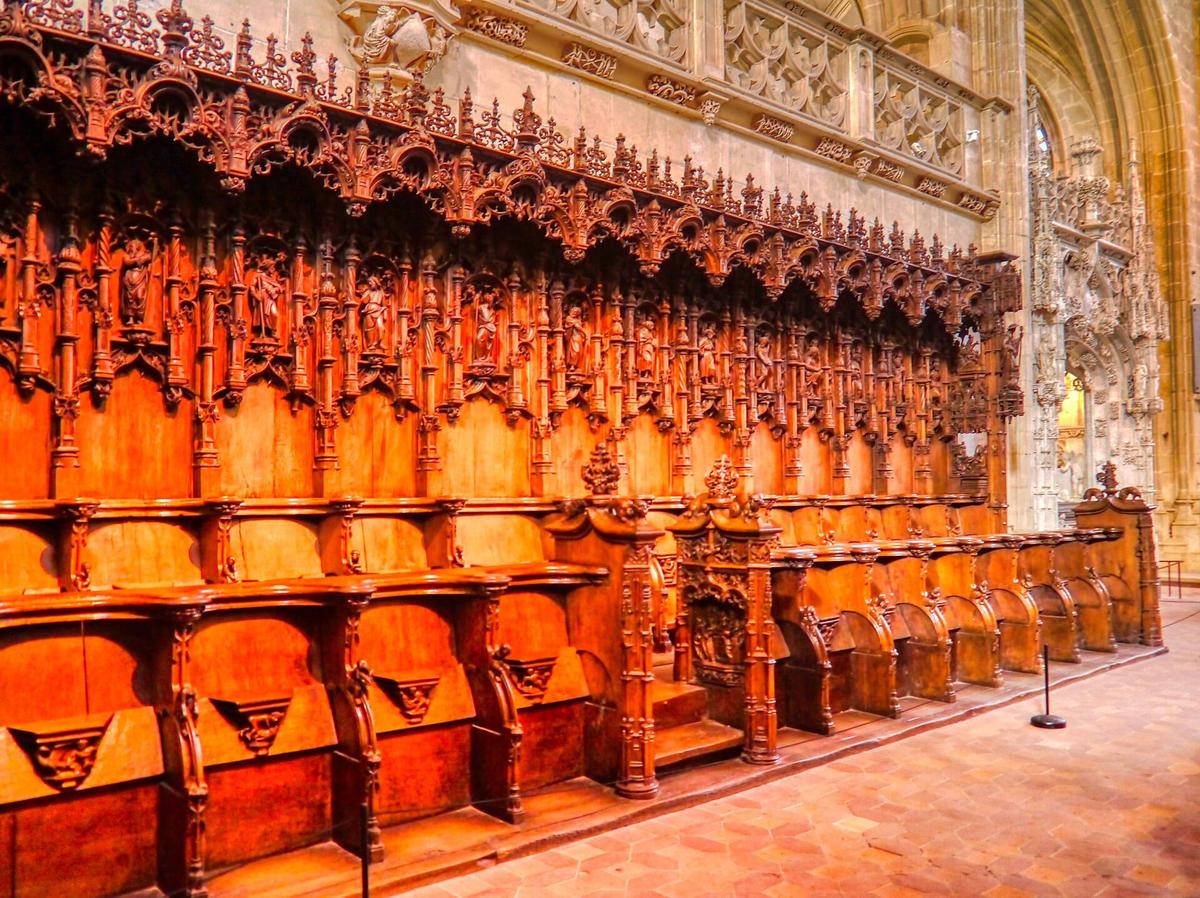
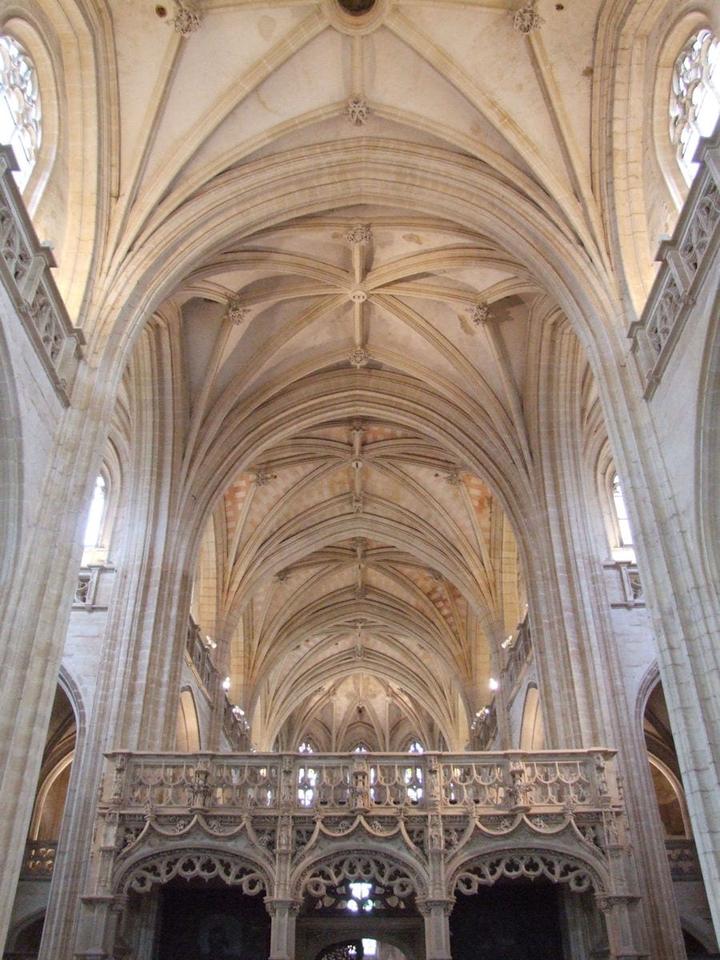
The rood screen. This carved stone screen separates the nave from the choir, where the monks sat. A lift takes you up to its upper gallery, from where you look down over the church.
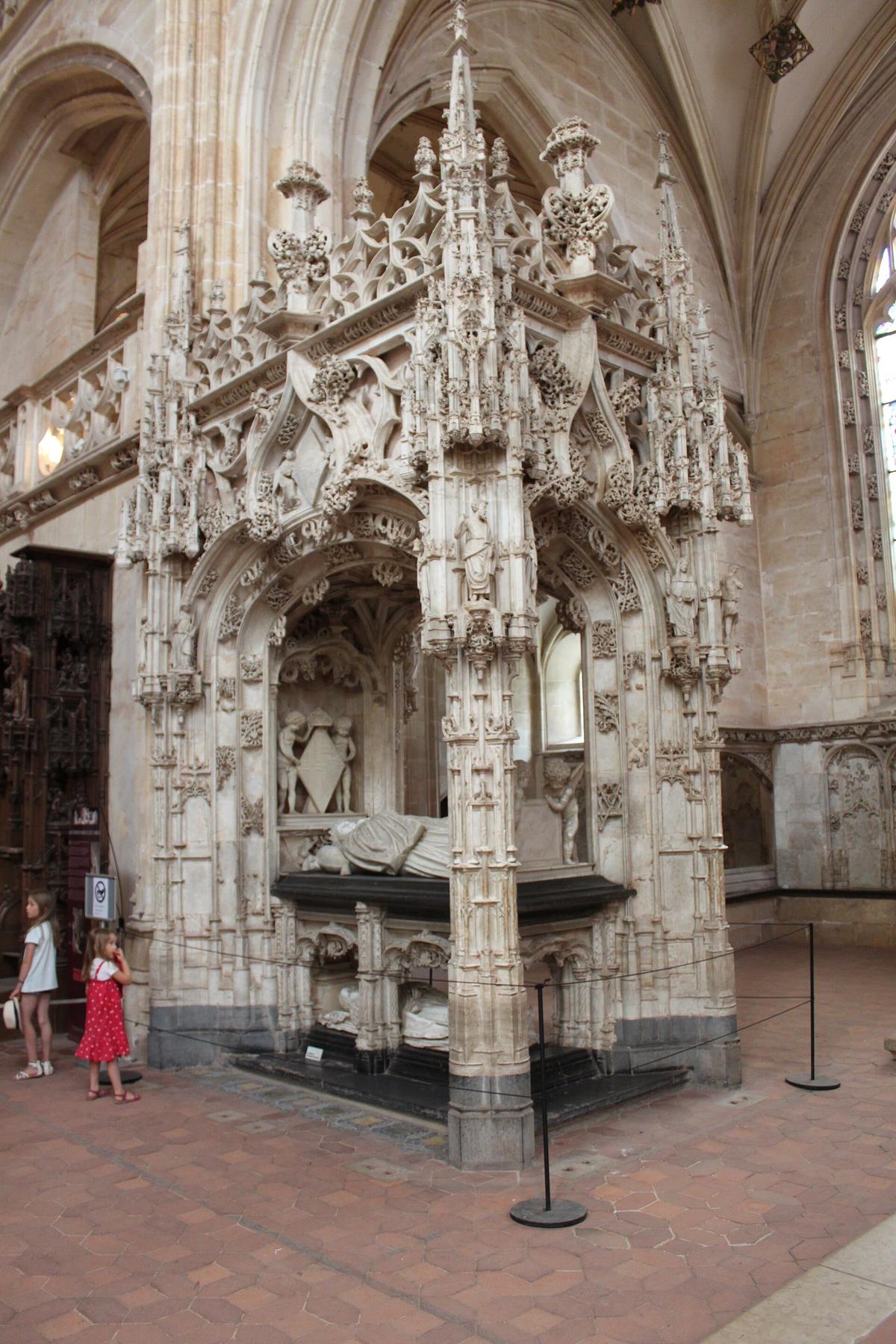
The three tombs. This is the heart of the visit. The sculptor Conrad Meit made the tombs of Margaret of Austria, Philibert the Handsome and Margaret of Bourbon. Philibert's stands in the middle of the choir, and Margaret of Austria's is the largest. As Philibert died before work began, Meit had to work from other portraits of the duke. These tombs escaped the destruction that hit most royal tombs in France during the Revolution. The church also displays ancient, early Christian and Burgundian sarcophagi.
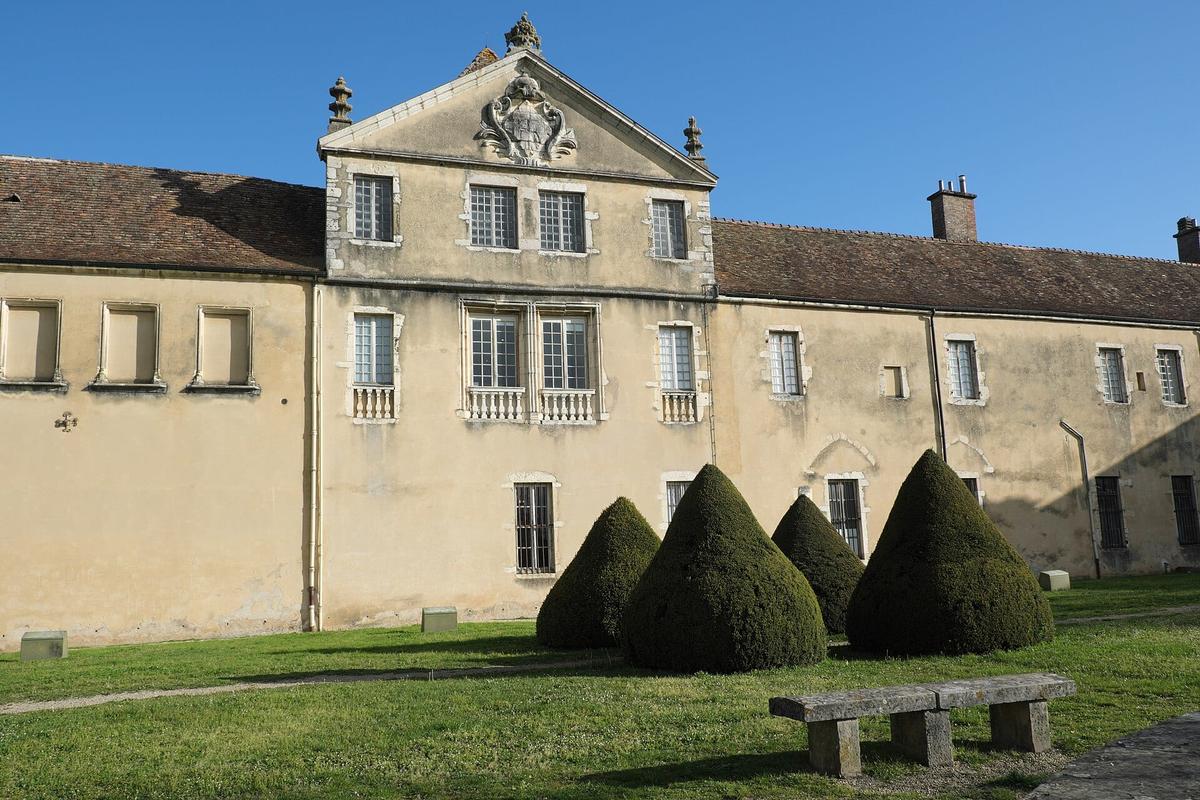
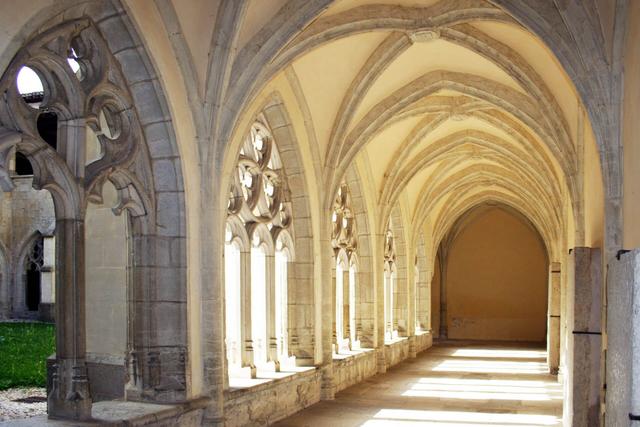
The three cloisters. The monastery has 3, all on two levels: the Guests' cloister, the Walking cloister and the Menagerie cloister. They give a good idea of the monks' daily life, away from the church, which was reserved for the princely tombs.
Margaret of Austria's apartments. They are on the first floor, reached by lift.
The Museum of Fine Arts. Bourg-en-Bresse's municipal museum has been housed in the monastery since 1922. The ground floor shows religious statues from the 13th to the 17th century. Upstairs are paintings from the 16th to the 20th century, including works by Bernard van Orley, Pieter Coecke van Aelst, Colijn de Coter and Gustave Doré, along with a modern art section. It is included in your ticket, so do not skip it.
How to get to Brou Monastery
By train and bike. From Bourg-en-Bresse station, cycle lanes lead to the monastery, there are bike-share bikes in town and bike racks on the forecourt.
By bus. Line 2 stops at "Valéry" and line 6 at "Monastère de Brou".
By car. The monastery is about 35 minutes from Mâcon, an hour from Lyon and an hour and a quarter from Geneva. Take the A40 or A42 motorway, exit 7, then the N75 towards Bourg-en-Bresse. Visitors with reduced mobility can drive up to the ticket office via the church forecourt. To combine Brou with the Dombes, Pérouges or the Beaujolais on the same day, a car is the easiest option. If you fly into Lyon or Geneva, both airports have car hire.
Partner links: if you book through these links, we earn a commission at no extra cost to you. Partner links · Learn more
Visiting Brou with children
Entry is free for under-18s visiting with their family, which makes it a cheap day out. Pushchairs are allowed inside the monument.
To keep younger children interested, focus on what they can see: the colourful roof from the forecourt, the big carved tombs in the choir, the upper gallery of the rood screen and the cloisters where they can walk around. The regional tourist office also mentions a children's trail, "Suivons Grou, le petit dragon de Brou" (follow Grou, Brou's little dragon): ask at reception whether it is running on the day of your visit.
With young children, do not try to see everything: the church and one cloister are enough, and the museum can wait for another time.
Accessibility, luggage and pets
In a wheelchair. The visitor route is accessible to people with reduced mobility. A lift serves the first floor (upper gallery of the rood screen, Margaret of Austria's apartments, Museum of Fine Arts). Wheelchairs, walking frames and folding seats can be borrowed at the ticket office. The doors of the temporary exhibition rooms are less than 80 cm wide. An easy-to-read booklet is handed out free of charge, in French only.
Luggage and food. Lockers are available for luggage, handy if you arrive by train. Food is not allowed inside the monument, so have your picnic before or after.
Toilets. Accessible toilets are in the first and third cloisters.
Pets. Dogs are not allowed, except guide dogs.
What to combine on the same day
| Also worth seeing | Distance | Travel time |
|---|---|---|
| Parc des Oiseaux (bird park) | 30 km | 30 min by car |
| Pérouges medieval village | 38 km | 35 min by car |
| Hameau Duboeuf | 50 km | 45 min by car |
Approximate road distances and travel times.
Parc des Oiseaux, in the Dombes. Half an hour south, the bird park at Villars-les-Dombes goes well with a morning at Brou for a family day out. See also: Parc des Oiseaux (bird park)
The medieval town of Pérouges. Its medieval lanes make a pleasant stop between Bourg-en-Bresse and Lyon. See also: Pérouges medieval village
The Beaujolais. Across the Saône, the Hameau Duboeuf at Romanèche-Thorins is about 45 minutes away. See also: Hameau Duboeuf
Lyon. An hour's drive away, the city is worth a stay of several days, with Fourvière and Vieux Lyon. See also: Basilica of Notre-Dame de Fourvière, Vieux Lyon and the traboules
To plan a stay: See also: Lyon and Beaujolais
History and fun facts
- Saved by the cavalry. During the Revolution, in 1793 and 1794, the monastery was used as barracks by the 1st Hussar Regiment. This occupation protected it from demolition. Priests who had given up holy orders were also locked up there. A local man, Thomas Riboud, then had the whole site declared a "national monument".
- A seminary for nearly a century. The diocese of Belley bought the monastery in 1823 to set up its seminary there. It closed in 1905, after the diocese's property was seized.
- France's favourite monument. In 2014, the monastery won the France 2 TV show to find the French public's favourite monument, broadcast for the European Heritage Days.
- One architect, one work in France. Louis van Bodeghem left no other known building outside the former Netherlands.
Where to eat and stay
Eating. The monastery does not mention a restaurant on its website, and food is not allowed inside. The centre of Bourg-en-Bresse, a few minutes away by bus or bike, has plenty of restaurants. It is a good chance to try Bresse chicken, the local speciality.
Staying. Bourg-en-Bresse is a handy base for the Bresse, the Dombes and the Revermont, with hotels near the station and in the centre. To also explore Lyon and the Beaujolais, one night in Bourg and another in Lyon works well.
Places to stay near Bourg-en-Bresse
FAQ
How much is a ticket to the Royal Monastery of Brou?
€11 full price. Entry is free for under-18s, EU nationals under 26, disabled visitors and the person with them, and jobseekers.
Is Brou Monastery free on the first Sunday of the month?
Yes, but only in January, February, March, November and December.
What are the opening hours of Brou Monastery?
Every day, 9:00 – 18:00 from 1 April to 30 September and 9:00 – 17:00 from 1 October to 31 March. Last entry 30 minutes before closing. Closed on 1 January, 1 May and 25 December.
Is the Museum of Fine Arts included in the ticket?
Yes, the ticket covers the church, the cloisters, the Museum of Fine Arts and the temporary exhibitions.
How long does it take to visit Brou?
Allow an hour and a half for the church and the cloisters, half a day with the museum.
Are dogs allowed?
No, only guide dogs are allowed.
Practical information
Opening hours 2026
| 1 April 2026 to 30 September 2026 | 9:00 – 18:00 |
|---|---|
| 1 October 2026 to 31 March 2027 | 9:00 – 17:00 |
Closed: 1 January, 1 May, and 25 December
Official ticket-office prices 2026
| Full price | €11 |
|---|---|
| Free | under 18s, EU/EEA residents aged 18 to 25, disabled visitors and one companion, jobseekers, recipients of French welfare benefits, and French teachers (Pass Éducation) |
Partner links: if you book through these links, we earn a commission at no extra cost to you. Partner links · Learn more
See tickets and availability on Tiqets ›
Address
Monastère royal de Brou, 63 boulevard de Brou, 01000 Bourg-en-Bresse, France
Directions · Phone+33 4 74 22 83 83
On site and nearby
- On site: Toilets and left luggage or cloakroom
- Nearest shops and pharmacy: Bourg-en-Bresse, 1 km away Straight-line distance, based on OpenStreetMap.
- Emergencies: 112 (all emergencies, free from any phone), 15 (SAMU, medical emergency)
Around the site, on Google Maps
With children
Family days out nearby: Ambronay Abbey (23 km), Parc des Oiseaux (bird park) (28 km), Pérouges medieval village (33 km)
Swimming pools and play areas nearby, on Google Maps
Facts checked on 4 November 2026. Sources: monastere-de-brou.fr, monastere-de-brou.fr, fr.wikipedia.org, en.wikipedia.org
Map
In the same region
- Lyon Aquariumfrom €19.50Free under 3

- Chauvet Cave 2 (Grotte Chauvet 2)from €18Free under 10