Place de la Bourse and the Water Mirror: planning your visit
Place de la Bourse and Water Mirror at a glance
- Admission
- Free
- Where
- Bordeaux
Facts checked on 29 October 2026. Full opening hours, reduced prices and access
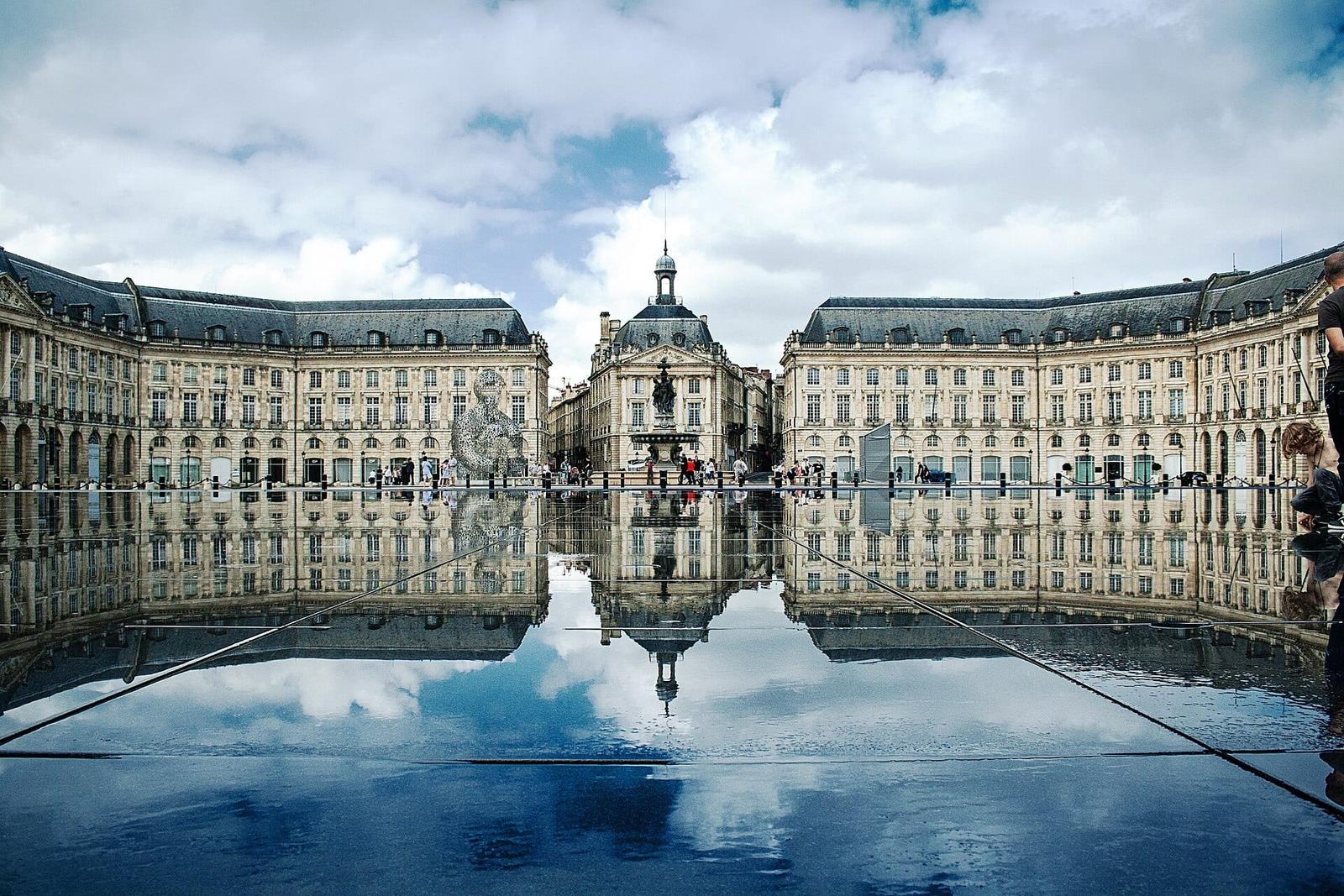
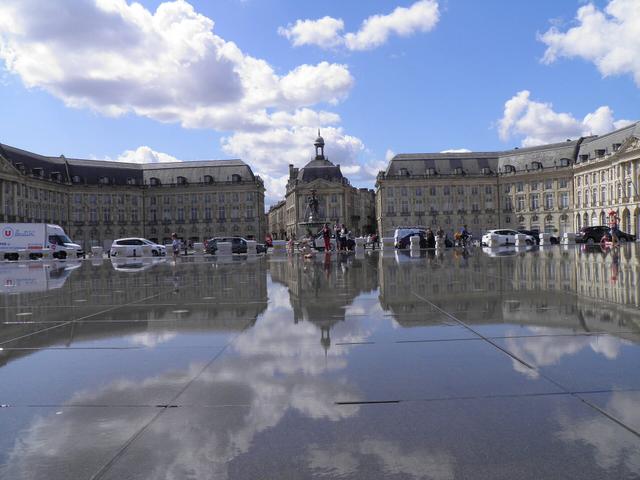
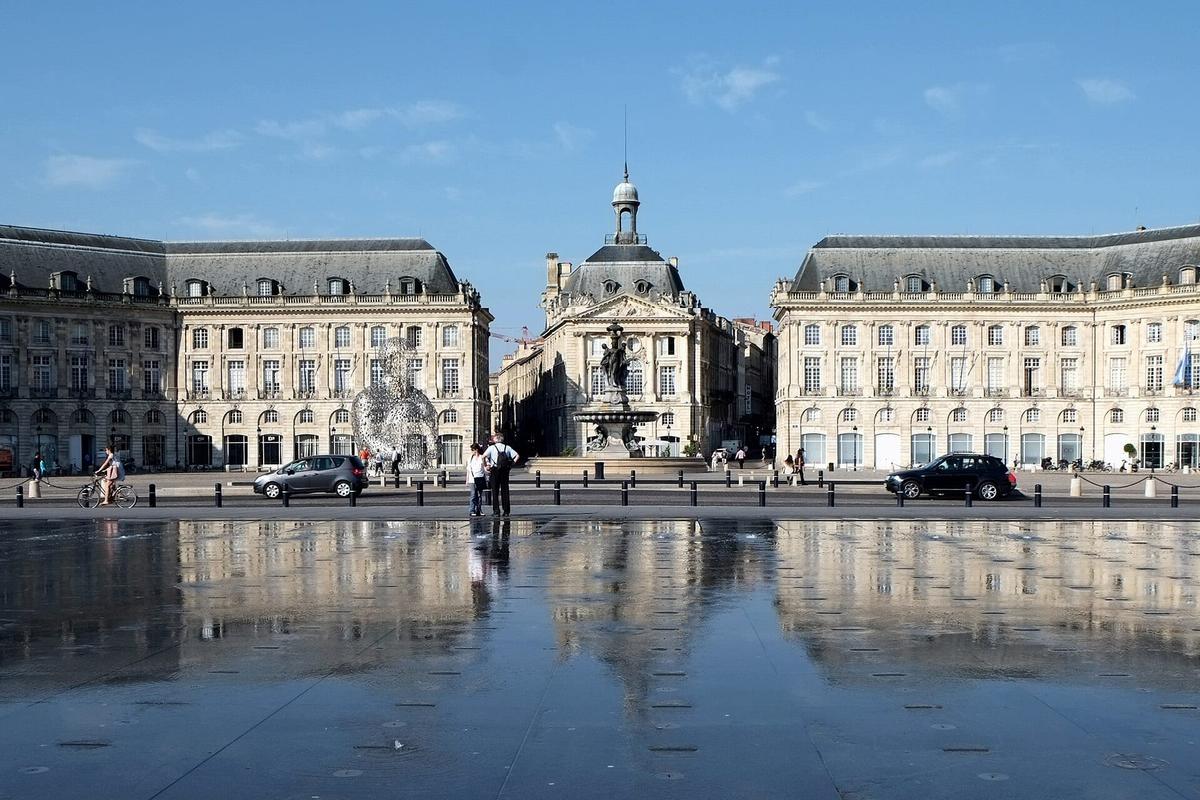
Place de la Bourse is the picture postcard of Bordeaux: a royal 18th-century facade on the banks of the Garonne, and in front of it the Water Mirror (Miroir d'eau), a granite slab that reflects the square. It is open to all, day and night. Here is when to come, how to get there, what to look at and how to carry on into the rest of the city.
Place de la Bourse at a glance
- Where: on the left-bank quays, in the heart of Bordeaux, between the Saint-Pierre district and the Garonne.
- Price: free. The square and the Water Mirror are public spaces, with no ticket or gate.
- Open: the square is open at all hours. The Water Mirror does not run all year: it is switched off in winter.
- Time needed: allow 30 min on site, longer if you stroll along the quays.
- Getting there: tram line C, Place de la Bourse stop, right in front of the square.
- Best for: everyone. Children love running through the Water Mirror in summer.
Understanding Place de la Bourse
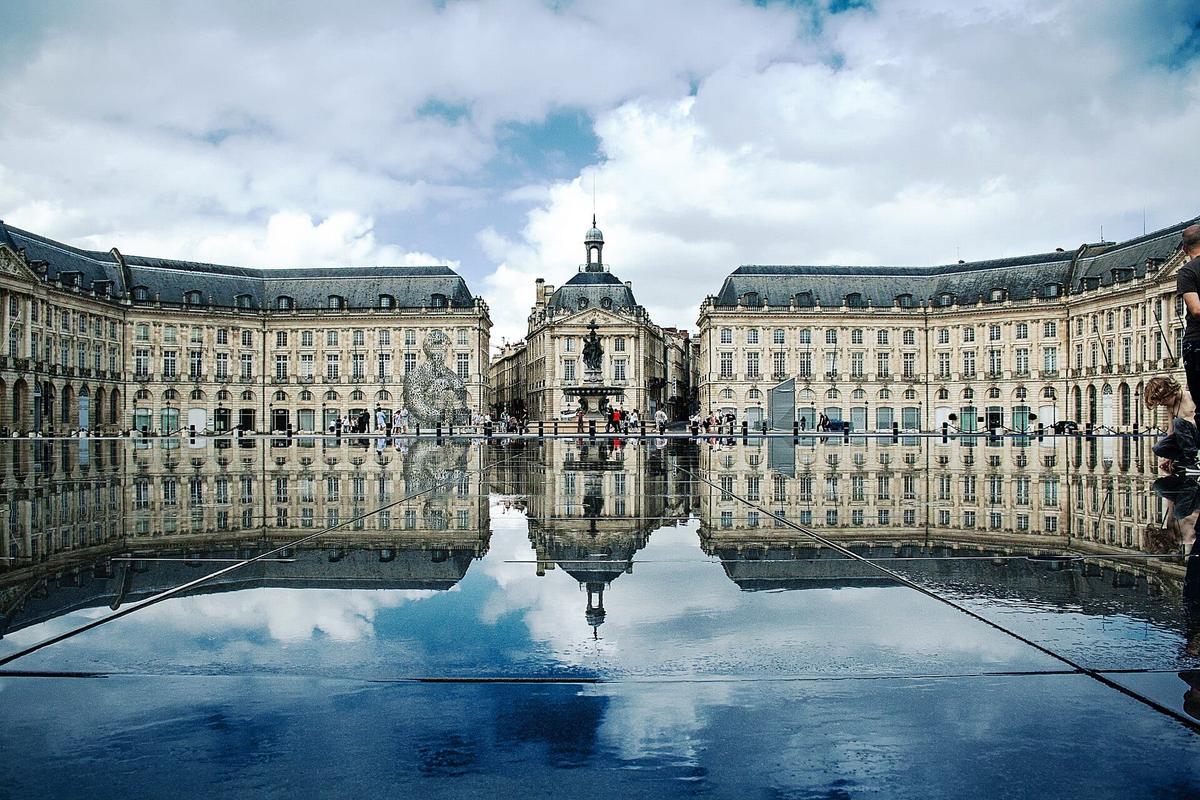
In the early 18th century, Bordeaux was still shut in behind its medieval walls. The crown wanted to open the city up to the river and give it a frontage worthy of its port, then booming thanks to the wine trade and colonial trade. The king's architect, Jacques Gabriel, designed a square open to the Garonne, and his son Ange-Jacques Gabriel, later the architect of Place de la Concorde in Paris, carried on the work. Construction ran from 1730 to 1775.
The square was first called Place Royale. In the middle stood an equestrian statue of Louis XV. The two large buildings on either side still carry their original purpose in their names: to the north, the Palais de la Bourse (stock exchange), which still houses the chamber of commerce; to the south, the Hôtel des Fermes, where taxes were collected, now home to the National Customs Museum.
Since 2007, the square has been part of the "Bordeaux, Port of the Moon" site, listed by UNESCO as World Heritage for its 18th-century townscape.
The Water Mirror: how it works
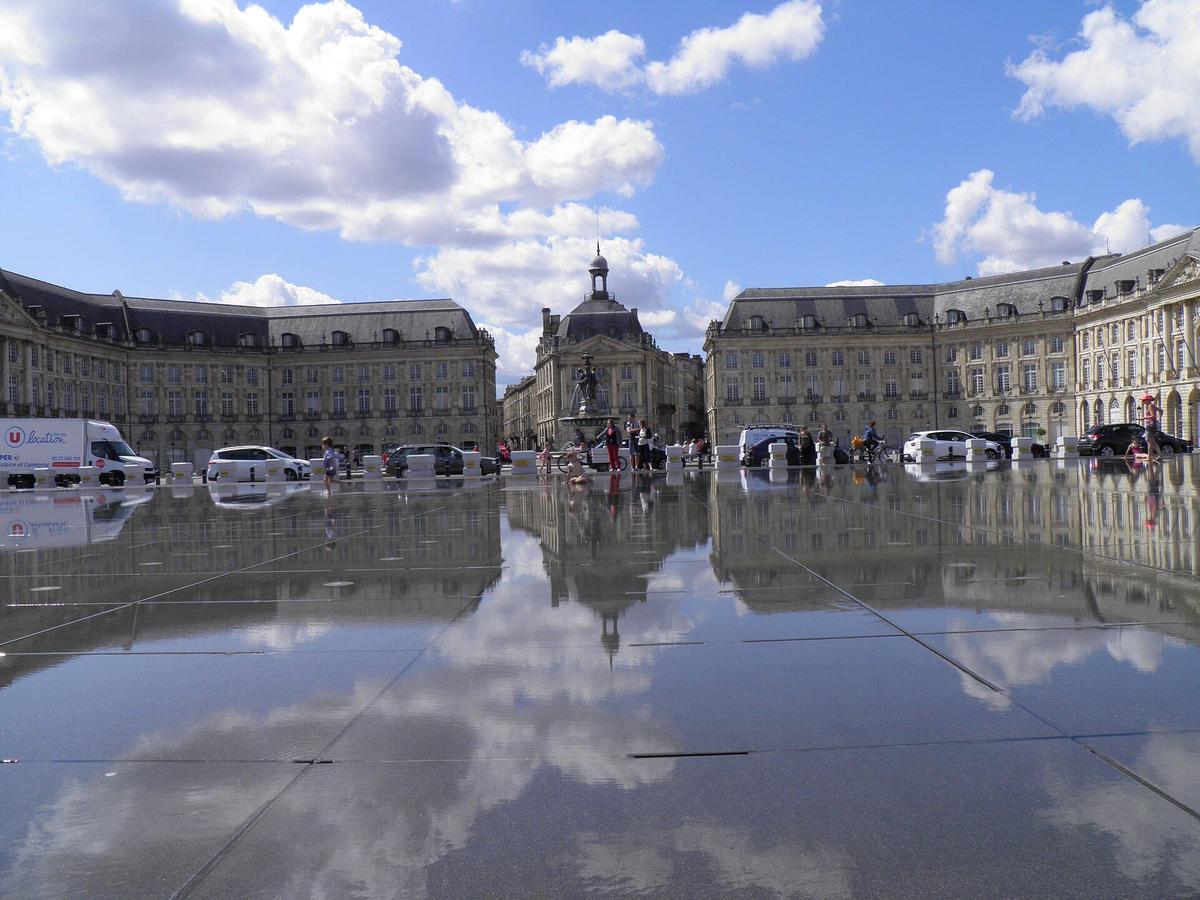
The Water Mirror was inaugurated in 2006, when the quays were redeveloped. It was designed by landscape architect Michel Corajoud, architect Pierre Gangnet and fountain designer Jean-Max Llorca. It is a 3450 m² granite slab covered by a film of water just 2 cm deep. You can walk on it, barefoot or in shoes, without getting wet above the ankles.
The system runs through several phases: the slab fills up and becomes a perfect mirror, then it drains, and nozzles release a mist that covers the whole surface. The mist comes back roughly every quarter of an hour. So the reflection is not permanent: if you arrive during the mist or draining phase, wait a few minutes.
When does it run? Usually from April to October. It is switched off in winter, mainly to avoid frost, and may also be turned off for maintenance or during big events on the quays. The exact dates when it is turned on and off are announced each year by the city of Bordeaux: check bordeaux.fr before you come if the reflection is the point of your visit, especially between November and March.
Is Place de la Bourse free?
Yes, completely. Place de la Bourse and the Water Mirror are free and open to all, all year round. There is no ticket and no opening time for the square.
What you may pay for nearby:
- The National Customs Museum, in the Hôtel des Fermes, on the south side of the square.
- Guided tours of Bordeaux, on foot or by bike, almost all of which pass through the square.
- Garonne river cruises, which leave from the pontoons on the quays, a few minutes' walk away.
Best time for photos
Late in the day. This is the favourite time. The sun sinks behind the city, the pale stone of the facades warms up, and the mirror reflects the sky. In the evening, the floodlit facades are reflected in the water, but it is busier too.
Early in the morning. If you want the reflection with nobody in it, come before 9 am. The square is quiet, and the light comes from the right bank and falls straight onto the facades.
On a still day. The mirror is sharper when there is no wind. On a windy day, the surface ripples and the reflection disappears.
Our tip: for the classic shot, stand on the far side of the mirror, on the Garonne side, and frame low, almost at water level. You will get the whole facade and its reflection.
How long to spend there
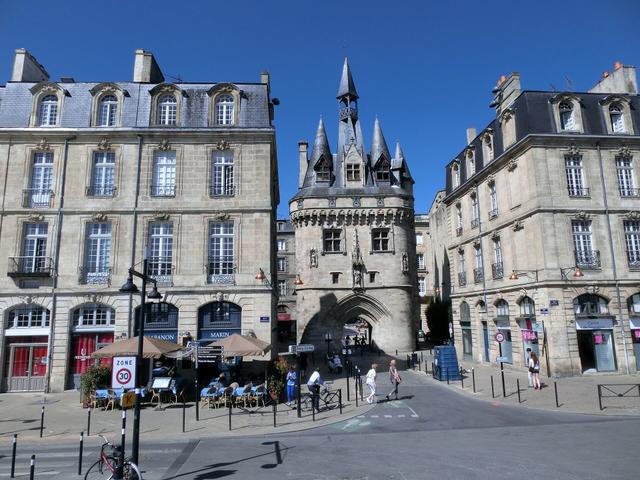
Half an hour is enough to see the square, cross the Water Mirror and take photos. But the square is rarely a visit on its own: it is part of a walk along the quays and through the historic centre. Add a wander through the Saint-Pierre district and the nearby Porte Cailhau gate, and allow one to two hours.
How to get to Place de la Bourse
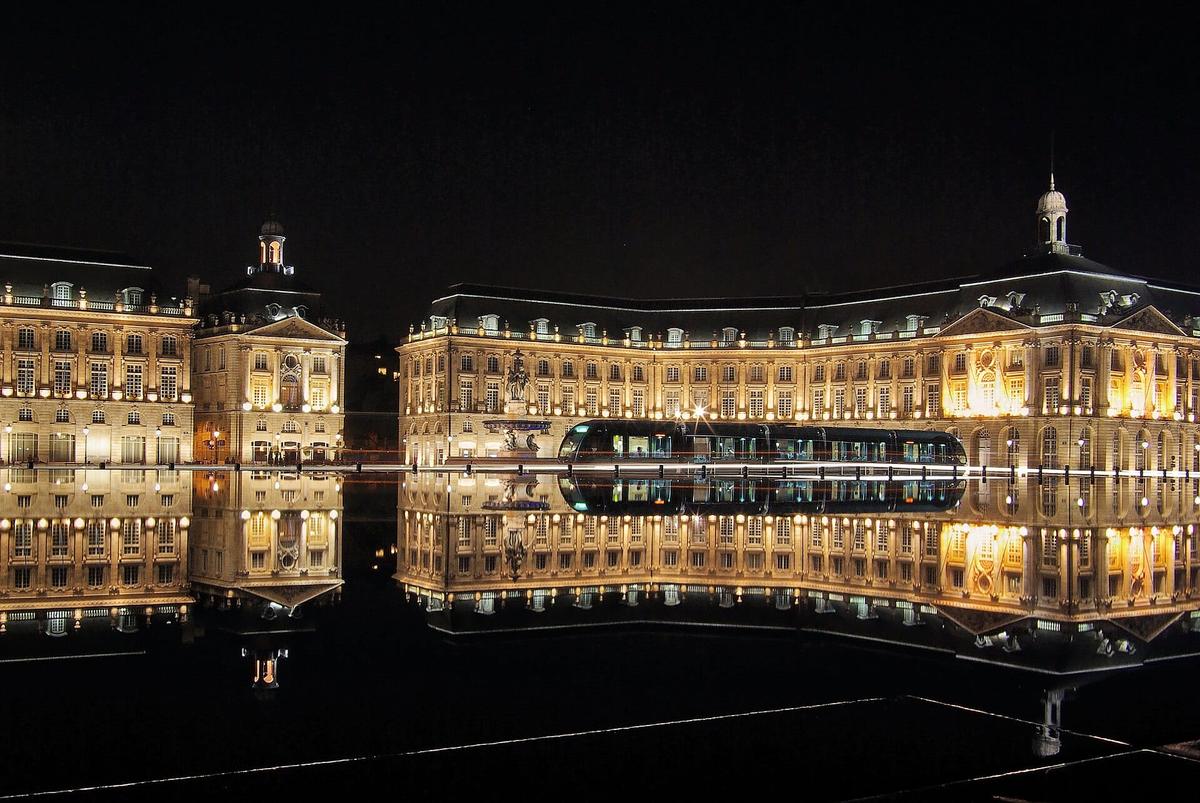
By tram. Line C stops at Place de la Bourse, on the quays, in front of the square. From Saint-Jean railway station, line C takes you straight there in about fifteen minutes. From Place Pey-Berland or the Quinconces, the centre is easy to cover on foot.
On foot. The square is about 15 minutes' walk from Saint-André Cathedral, through the pedestrian streets of the centre. It is 10 minutes from the Esplanade des Quinconces along the quays.
By car. Much of central Bordeaux is pedestrianised, and driving there is difficult. Leave the car in a city-centre car park or a park-and-ride on the outskirts, then take the tram. A car is mostly useful for day trips: Saint-Émilion, the Dune du Pilat or the Citadel of Blaye are easier to explore with your own wheels.
Partner links: if you book through these links, we earn a commission at no extra cost to you. Partner links · Learn more
What to see on the square and nearby
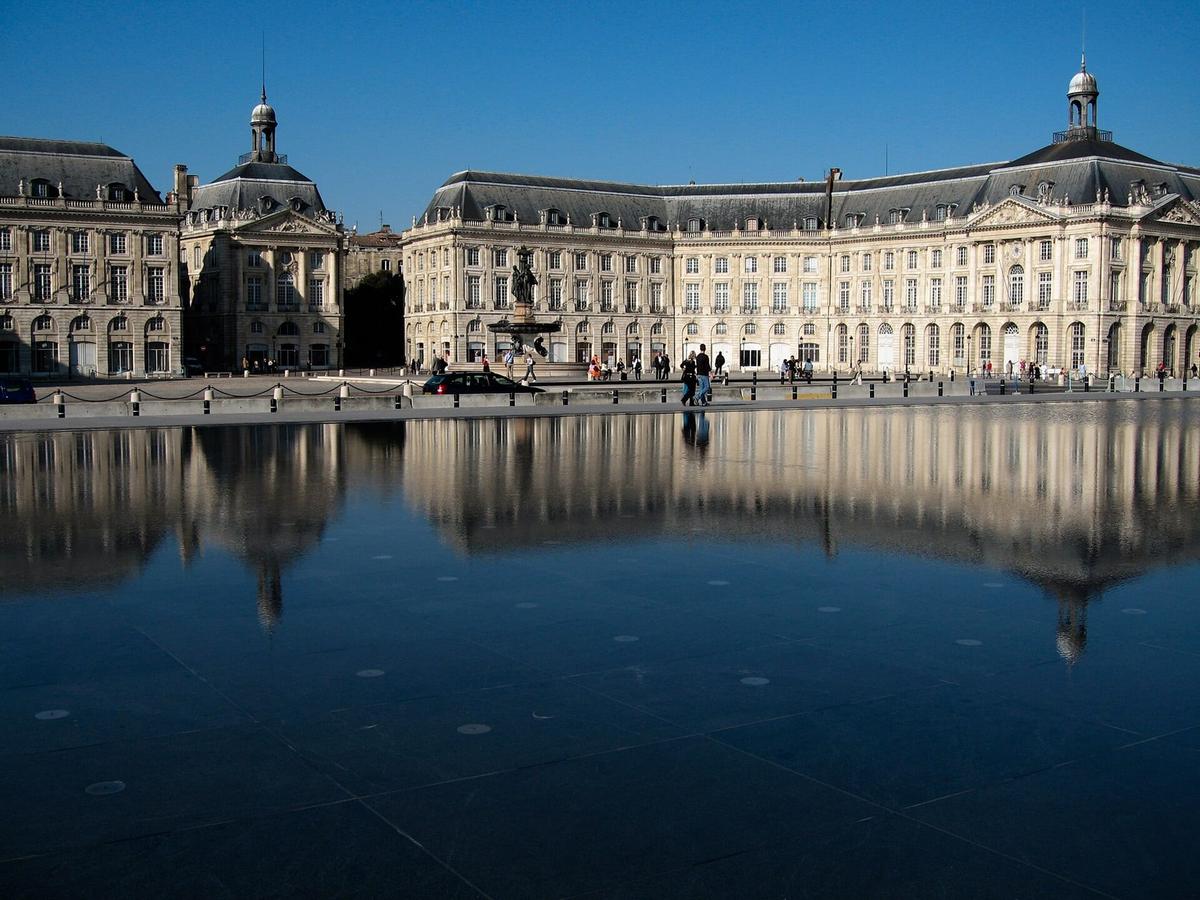
The Three Graces Fountain. In the middle of the square, it replaced the statue of Louis XV in 1869. The three female figures are the Graces of Greek mythology, daughters of Zeus.
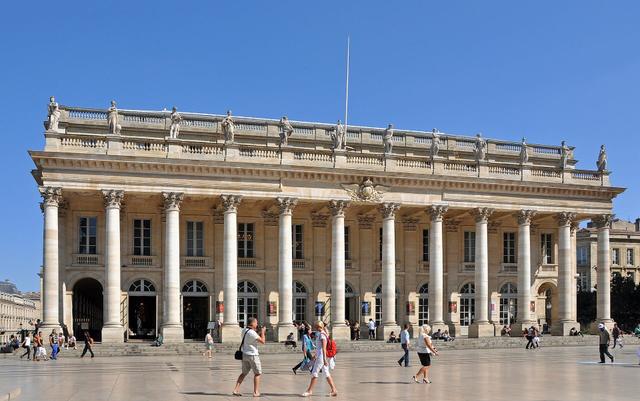
The facades. Look at the mascarons, the carved faces above the windows, and the pediments of the two main pavilions. The reliefs show trade and navigation, the city's great business in the 18th century.
The National Customs Museum. Housed in the former Hôtel des Fermes, it tells the story of customs officers and smuggling. It is a short, unusual visit if you are already there.
The quays. To the north, the riverside walk leads to the Esplanade des Quinconces and then the Chartrons district. To the south, it passes the Porte Cailhau and reaches the Pont de Pierre. The quays are laid out for pedestrians and cyclists over several kilometres.
Guided tours of Bordeaux
Most guided tours of the historic centre start at or pass through Place de la Bourse. It is a good way to understand how Bordeaux went from a soot-blackened city to one of pale golden stone, after the great facade clean-up and the redevelopment of the quays. There are walking tours, bike tours and boat trips on the Garonne, with or without wine tasting. When booking, check the language of the tour.
With children
The Water Mirror is a playground. In hot weather, children run through the two centimetres of water and the mist. Bring a change of clothes and a towel: with the mist phase, they will be wet from head to toe.
A few precautions:
- The surface is slippery. Wet granite can trip up little ones: better to walk than run.
- The tram runs right alongside. The tracks pass the square and the mirror. Hold children's hands when crossing.
- No shade. In high summer, the mirror is in full sun. Bring a hat and water, or come late in the day.
Where to eat and stay
Eating. The Saint-Pierre district, just behind the square, is packed with restaurants and terraces, around Place du Parlement and Place Saint-Pierre. The quays also have places to sit facing the Garonne. For a picnic, the benches on the quays work well.
Staying. The historic centre is the most convenient for doing everything on foot: Saint-Pierre, the Golden Triangle around the Grand Théâtre, or the Chartrons. The Saint-Jean station area is cheaper and well served by tram line C.
What to combine with Place de la Bourse
| Also worth seeing | Distance | Travel time |
|---|---|---|
| Bordeaux Cathedral (Saint-André) | 1.2 km | 15 min on foot |
| Cité du Vin | 3.5 km | 20 min by public transport |
| Bassins des Lumières | 3.5 km | 25 min by public transport |
Approximate road distances and travel times.
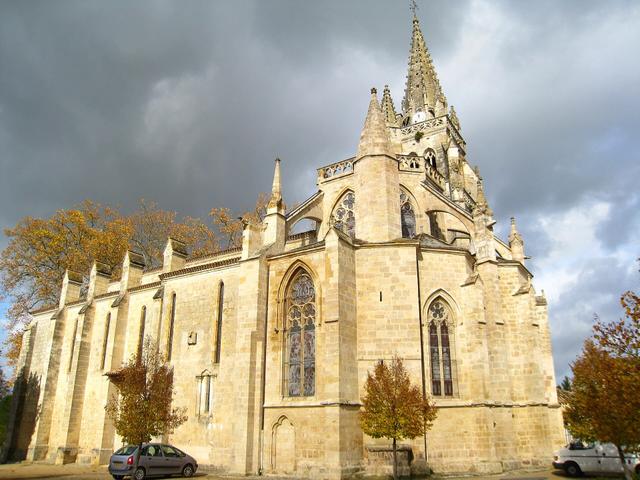
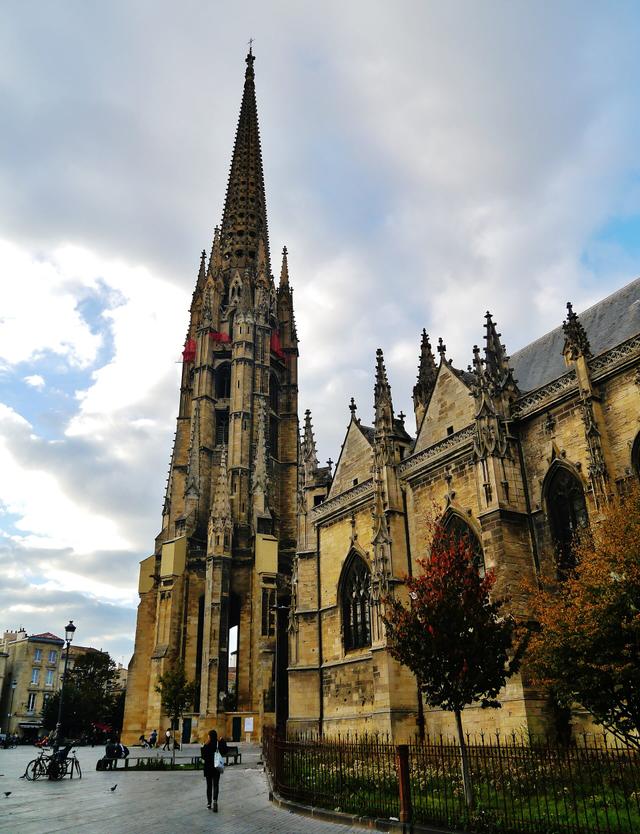
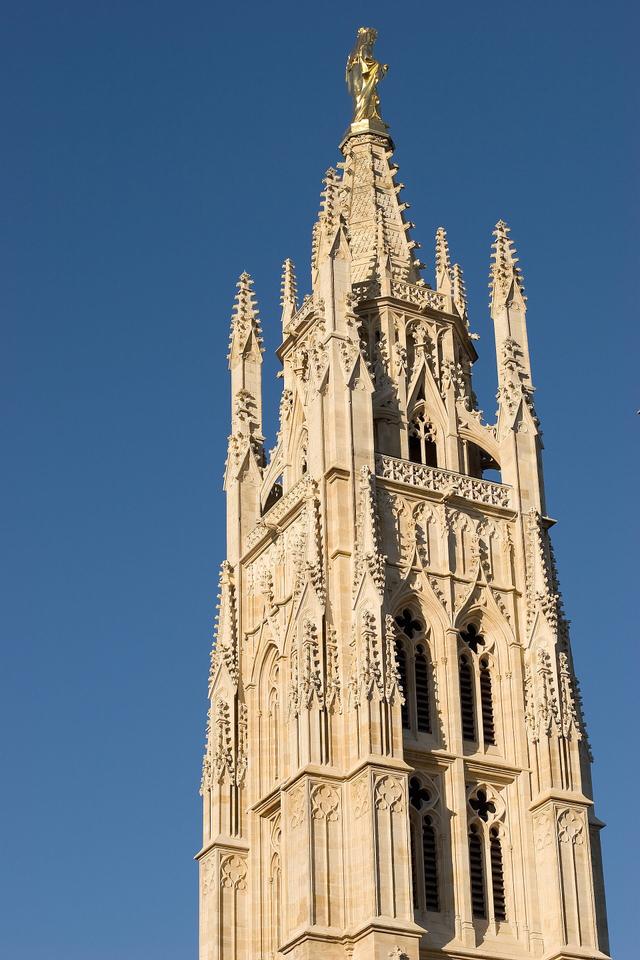
Saint-André Cathedral and the Pey-Berland tower. A quarter of an hour's walk through the pedestrian streets, it is the other great monument of the centre. See also: Bordeaux Cathedral (Saint-André)
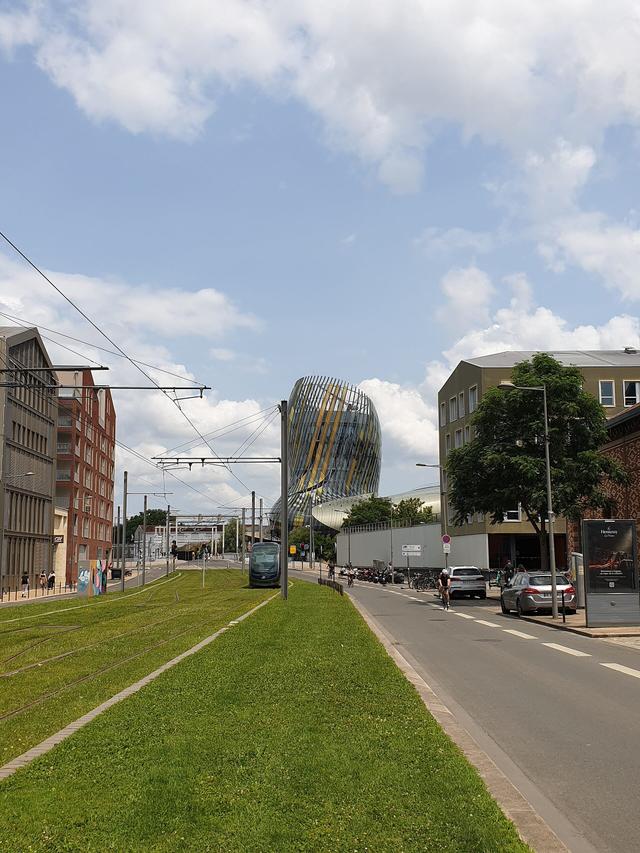
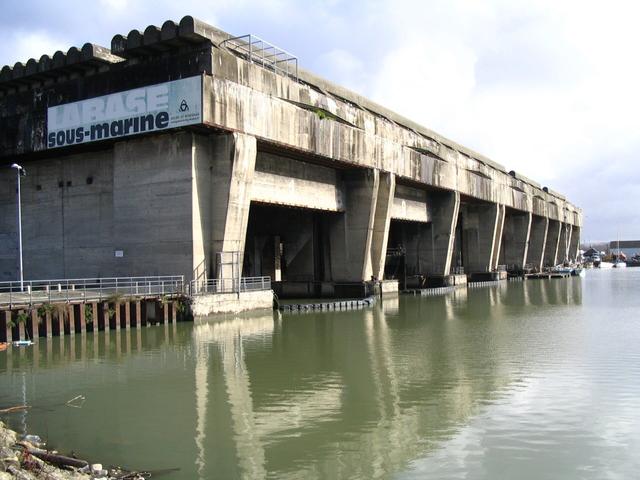
The Cité du Vin and the Bassins des Lumières. To the north, tram B links the centre to the Bassins à Flot district. You can fit the Cité du Vin and the digital exhibitions in the former submarine base into the same half-day. See also: Cité du Vin, Bassins des Lumières
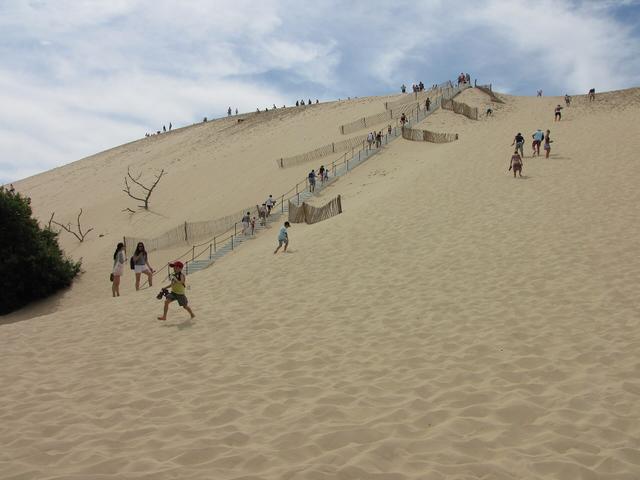
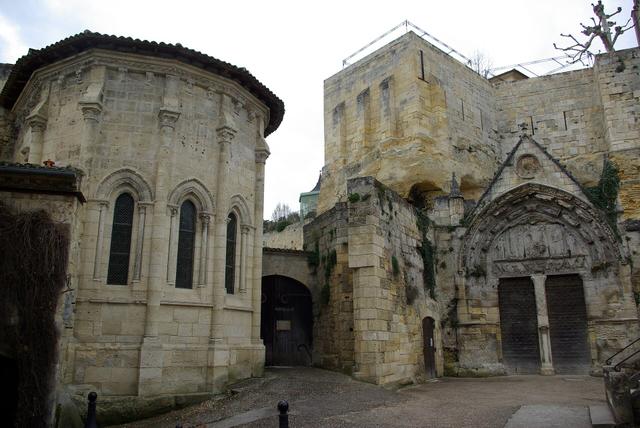
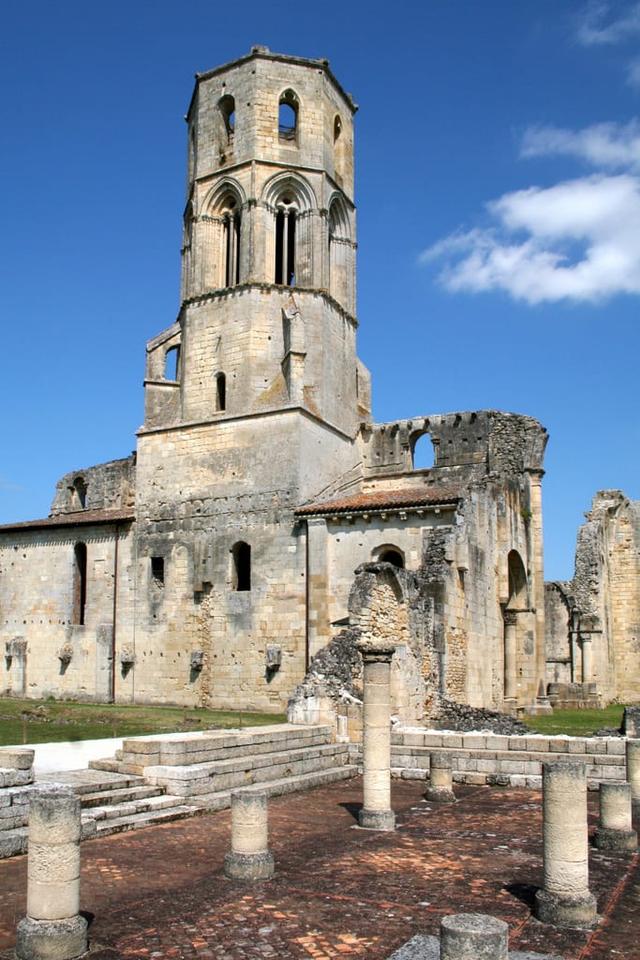
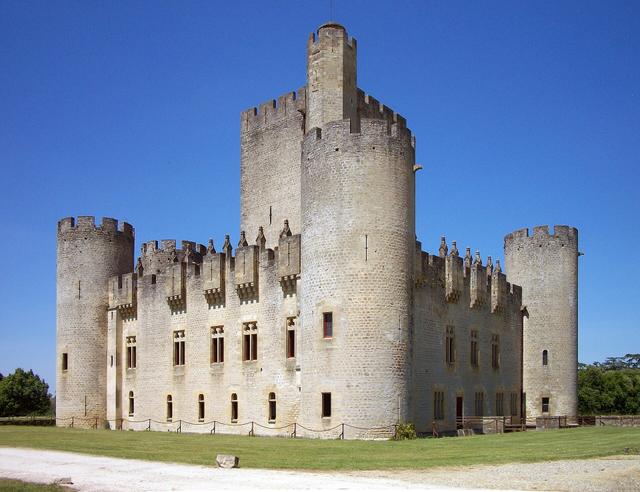
Day trips. Bordeaux is a good base for Saint-Émilion and its Monolithic Church, the Dune du Pilat, the Citadel of Blaye or Roquetaillade Castle. See also: Monolithic Church of Saint-Émilion, Dune du Pilat, Citadel of Blaye, Château de Roquetaillade
To plan your stay: See also: Bordeaux and Gironde, Things to do in Bordeaux
Facts and dates
- A statue melted down in the Revolution. The equestrian statue of Louis XV, unveiled in 1743, was pulled down and melted in 1792. The square lost its name of Place Royale and became Place de la Bourse.
- A frontage facing the river. The square was designed to open the city onto the Garonne, at a time when walls still enclosed Bordeaux.
- Two centimetres of water. Despite its 3450 m² surface, the Water Mirror holds only a very thin film of water, which is why you can walk on it.
- A UNESCO site. In 2007, the square became World Heritage along with the rest of the "Port of the Moon", a name given to Bordeaux because of the crescent-shaped bend of the Garonne.
FAQ
Do you have to pay to visit Place de la Bourse?
No. The square and the Water Mirror are free and open at all hours.
Does the Water Mirror run all year?
No. It usually runs from April to October, is switched off in winter, and may be turned off for maintenance or events. Check the dates on the city of Bordeaux website before you come.
Can you walk on the Water Mirror?
Yes. The water is only 2 cm deep. Watch out, wet granite is slippery.
When is the best time to photograph Place de la Bourse?
Early in the morning for the reflection with nobody in it, or late in the day for golden light on the facades. Avoid windy days, which spoil the reflection.
How do I get to Place de la Bourse from Saint-Jean station?
Take tram C to the Place de la Bourse stop, on the quays.
How long should I allow?
Half an hour for the square and the mirror, one to two hours with a walk through the Saint-Pierre district and along the quays.
Practical information
Official ticket-office prices 2026
Free admission
Address
Place de la Bourse, 33000 Bordeaux, France
Directions
On site and nearby
- Nearest shops and pharmacy: Bordeaux, less than 1 km away Straight-line distance, based on OpenStreetMap.
- Emergencies: 112 (all emergencies, free from any phone), 15 (SAMU, medical emergency)
Around the site, on Google Maps
With children
Family days out nearby: Bassins des Lumières (3 km), Château Smith Haut Lafitte (12 km), La Ferme Exotique, Cadaujac (12 km)
Swimming pools and play areas nearby, on Google Maps
Facts checked on 29 October 2026. Sources: bordeaux.fr, fr.wikipedia.org, en.wikipedia.org
Map
In the same region
- Château La Croizillefrom €21