Fort Médoc: visiting Vauban's fort on the Gironde estuary
Fort Médoc at a glance
- 1 November 2026 to 30 November 2026
- 13:00 – 17:00 (closed on Monday, Tuesday, Wednesday, Thursday and Friday)
- Full price
- €4
- Free
- children under 5
- Time needed
- about 1 h 15 min
- Visitors per year
- about 35,000
- Where
- Cussac-Fort-Médoc
Official ticket-office prices, checked on 11 November 2026. Full opening hours, reduced prices and access

On the left bank of the Gironde, facing the citadel of Blaye, Fort Médoc is the quietest piece of the estuary barrier designed by Vauban. A carved Porte Royale, guardhouses, a bakery with two ovens and a view over the river: the visit is short, cheap and a UNESCO World Heritage site. Here are the opening hours, prices, how long to allow and our tips for combining it with the Médoc wine country.
Fort Médoc at a glance
- Where: in Cussac-Fort-Médoc, in the Médoc (Gironde), on the edge of the estuary, about forty kilometres north of Bordeaux.
- Price: €4 per adult, €3 reduced rate, €1 for ages 5 to 12, free under 5.
- Open: every day from April to October; weekend and public holiday afternoons in March and November. Closed from December to February.
- Time needed: 1 to 1.5 hours to walk round the fort.
- Best for: military history and Vauban enthusiasts, families thanks to the treasure trails, and anyone driving the Médoc châteaux route.
- Good to know: car park, toilets and picnic area on site. No restaurant inside the fort.
What is Fort Médoc?
Fort Médoc is a bastioned fortification built from 1689 on the orders of Louis XIV, to plans by Vauban. Together with the citadel of Blaye on the right bank and Fort Pâté in the middle of the river, it formed the "lock of the estuary". The idea was simple: the three forts' crossfire would stop an enemy fleet sailing up the Gironde to Bordeaux.
Vauban came to the site in 1685 and judged the position strategic. Earthworks began four years later. The fort was designed by the architect Pierre Duplessy-Michel and the engineer Ferry, under Vauban's authority, and building went on until 1721, according to the local council.
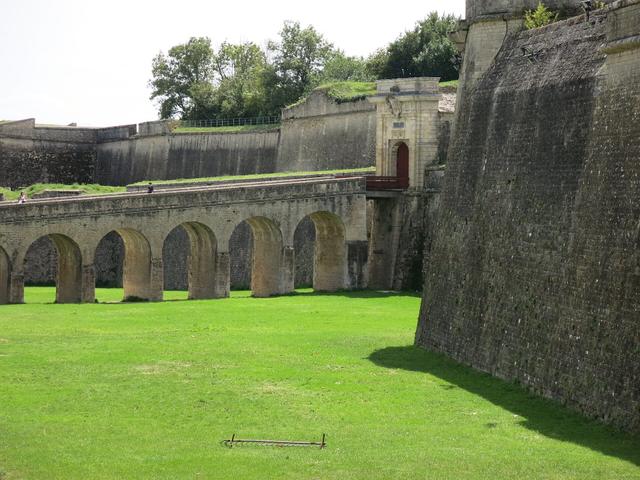
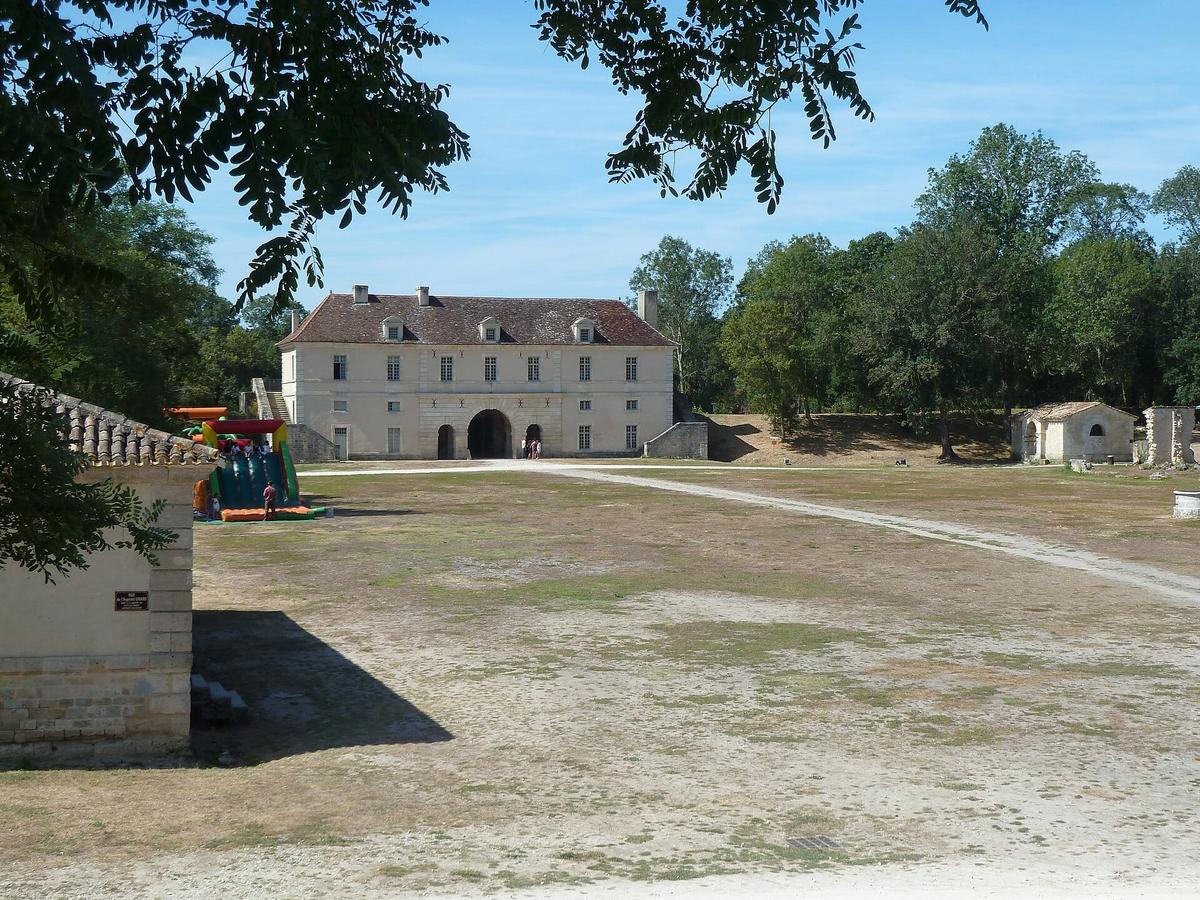
The layout. The fort covers about 25 hectares. It is shaped like a trapezium, with four corner bastions linked by curtain walls. Water-filled moats, fed from the river through sluices, surround it, with a covered way and an outer ditch.
UNESCO. Since 2008, the fort has been one of the Fortifications of Vauban on the World Heritage List, a group of 12 sites in France. The whole fort has also been a listed historic monument since 2008.
Visitor numbers. The council presents the fort as the leading heritage site in the Médoc, with about 35,000 visitors a year, a quarter of them from abroad. Outside summer, you will usually have a quiet visit.
The history of a fort that was never attacked
Fort Médoc was never besieged. Its garrison, planned for 300 soldiers, never reached that number. In 1716, the inventory listed 13 cannons and few cannonballs. On the eve of the Revolution, only a handful of men remained, most of them invalid soldiers, with three old cannons.
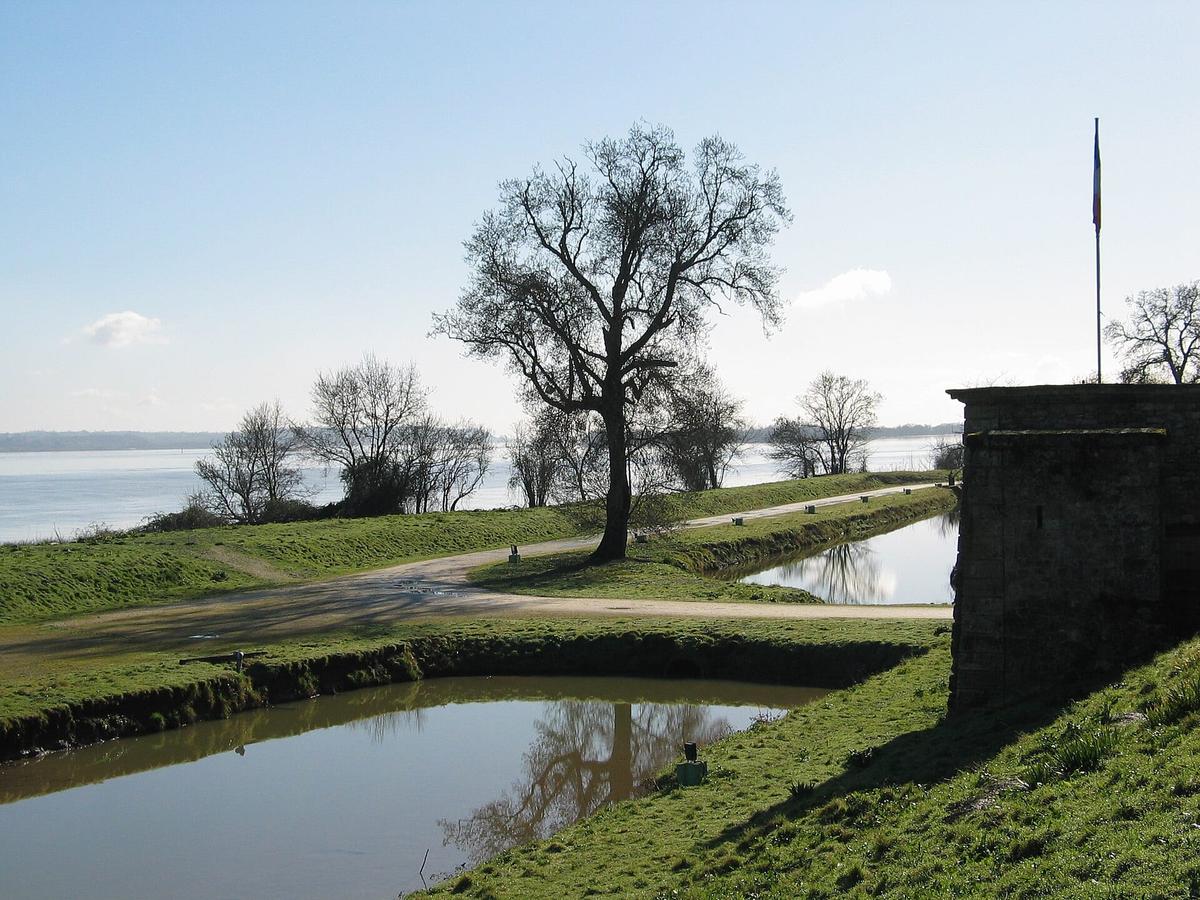

The fort also served as a checkpoint for river traffic. The Guardhouse of the Sea, on the Gironde side, housed a battery facing Blaye and served as a toll and customs post.
At the end of the 19th century, between 1899 and 1901, a new battery was installed, able to fire as far as Île Nouvelle. But the army decommissioned the fort in 1916. In 1930, the village of Cussac bought it. For years the southern barracks were dismantled and their stones sold; vegetation covered the rest.
The rescue. In 1956, an owner tried to buy the Porte Royale. The affair led to a first historic monument protection. From the 1960s, local people and volunteers cleared the site and started the first restoration work. The chapel was partly rebuilt in 1994 by trainee stonemasons and the Friends of Fort Médoc association, and the bakery was rebuilt from 2002. In 2016, a landing stage was built for pleasure boats.
Fort Médoc ticket prices
Prices published by the council of Cussac-Fort-Médoc, which runs the site:

- Adult: €4.
- Reduced rate: €3 for ages 13 to 17, students, jobseekers, people on minimum social benefits and groups of at least 10 people.
- Child aged 5 to 12: €1.
- Free: under-5s, and disabled visitors with their carer.
- Guided tour: €6 per person, by reservation, for groups of 10 or more.
- Family treasure trail or Cluedo game: €3 per family.
- School groups: €1 per child, teachers and accompanying adults free.
So a family of two adults and two children under 12 pays about ten euros.
The council also offers a family card, free for Cussac residents and charged for others. Its price is not published: ask at the front desk.
There are no online tickets: you pay at the front desk, in the guardhouse of the Porte Royale. The tourist office says cards, cheques and cash are accepted.
Do you need to book?
Not for an unguided visit. You go in during opening hours and pay on site. Booking is only needed for guided tours, which are for groups of at least 10 people: call +33 5 56 58 98 40 or +33 6 86 59 07 75, or email fort.medoc@cussacfortmedoc.fr.
If you would rather not drive, day trips from Bordeaux tour the Médoc wine country. The fort is not always on the programme: read the itinerary before booking.
Partner links: if you book through these links, we earn a commission at no extra cost to you. Partner links · Learn more
Opening hours 2026 and best time to visit
Opening hours published by the council:
- March: weekends and public holidays, 13:00 – 17:00.
- April: every day, 10:00 – 18:00.
- May to September: every day, 10:00 – 19:00.
- October: every day, 10:00 – 18:00.
- November: weekends and public holidays, 13:00 – 17:00.
- December to February: closed.
So in November the fort opens on Saturdays, Sundays and public holidays such as 11 November, until 30 November 2026. It reopens in March. The council gives no specific dates for this calendar: it repeats from one year to the next, but call before making the trip at the start or end of the season.
Our tip: come in the late afternoon in fine weather. The light falls across the estuary and the citadel of Blaye stands out on the far bank. In high summer there is little shade: bring a hat and water. In spring and autumn the ramparts can be muddy after rain, so wear closed shoes.
How long does it take to visit Fort Médoc?
Allow 1 to 1.5 hours to go through the Porte Royale, look inside the guardhouses, see the bakery and the powder magazine and walk down to the water's edge. With a family treasure trail or a boat trip from the landing stage, plan half a day.
What to see at Fort Médoc
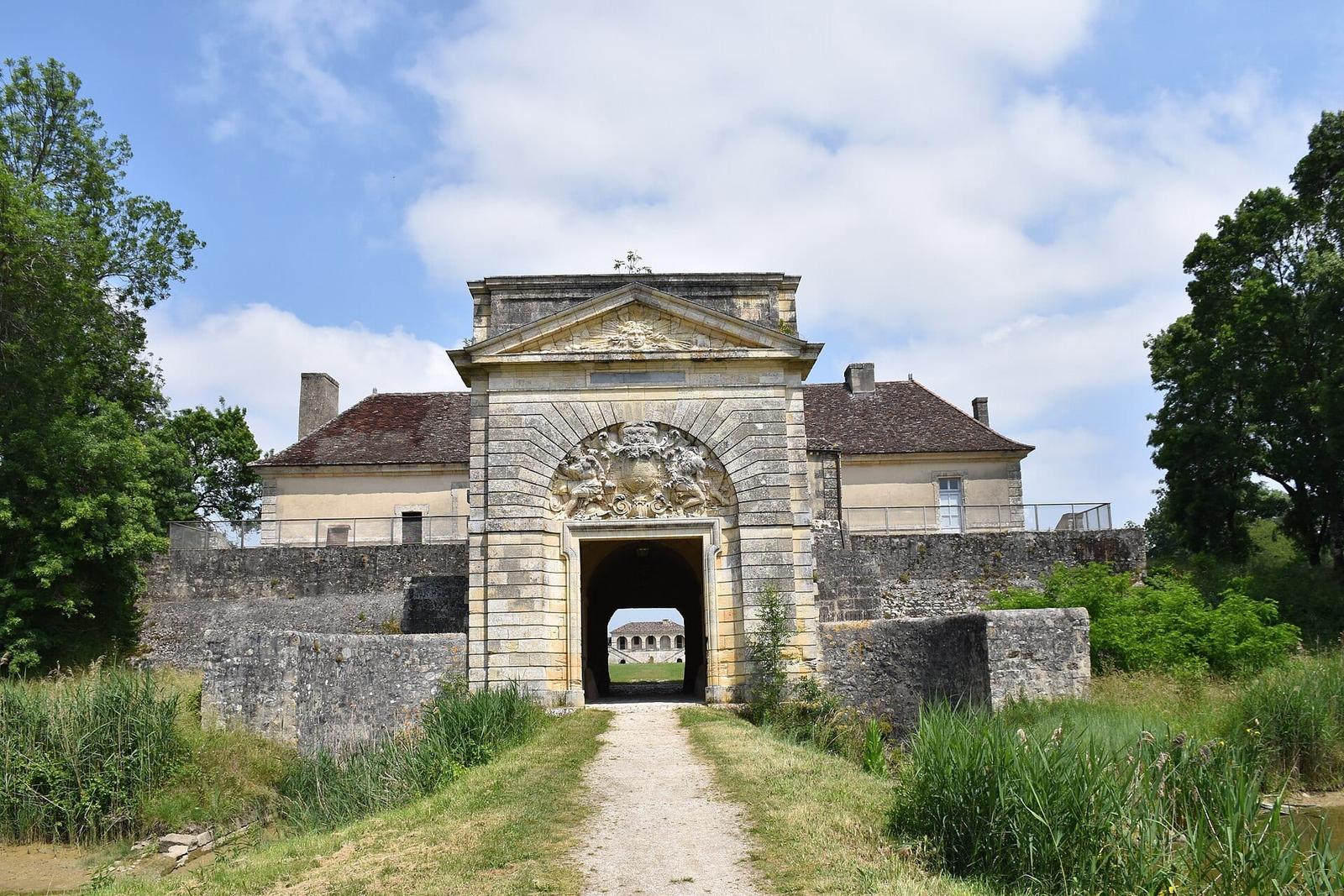
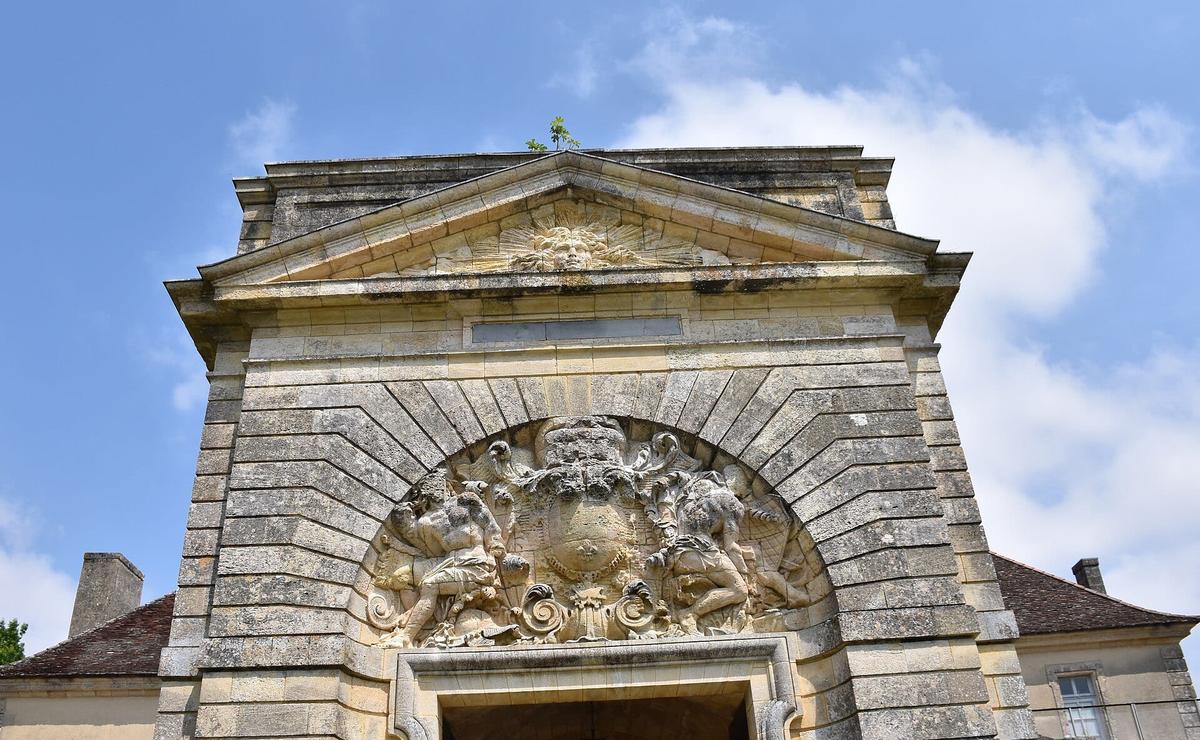
The Porte Royale. This is the fort's only entrance, facing west and protected by a demi-lune. The sculptor Pierre Berquin decorated it: a tympanum with the royal arms held up by two atlantes, and a pediment with the sun emblem of Louis XIV. The atlantes stand for the enemies crushed by royal power. Look at the passage too: heavy oak door, portcullis and arrow slits.
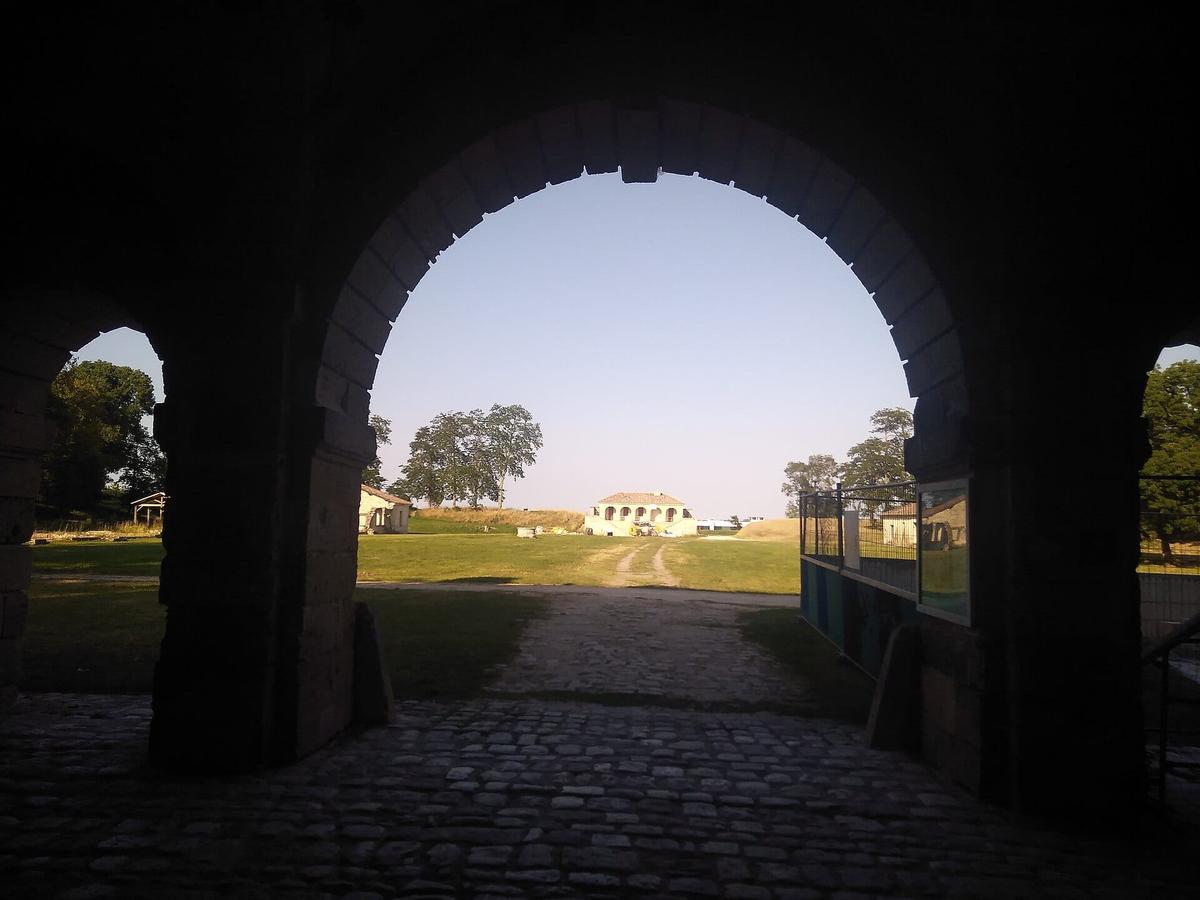

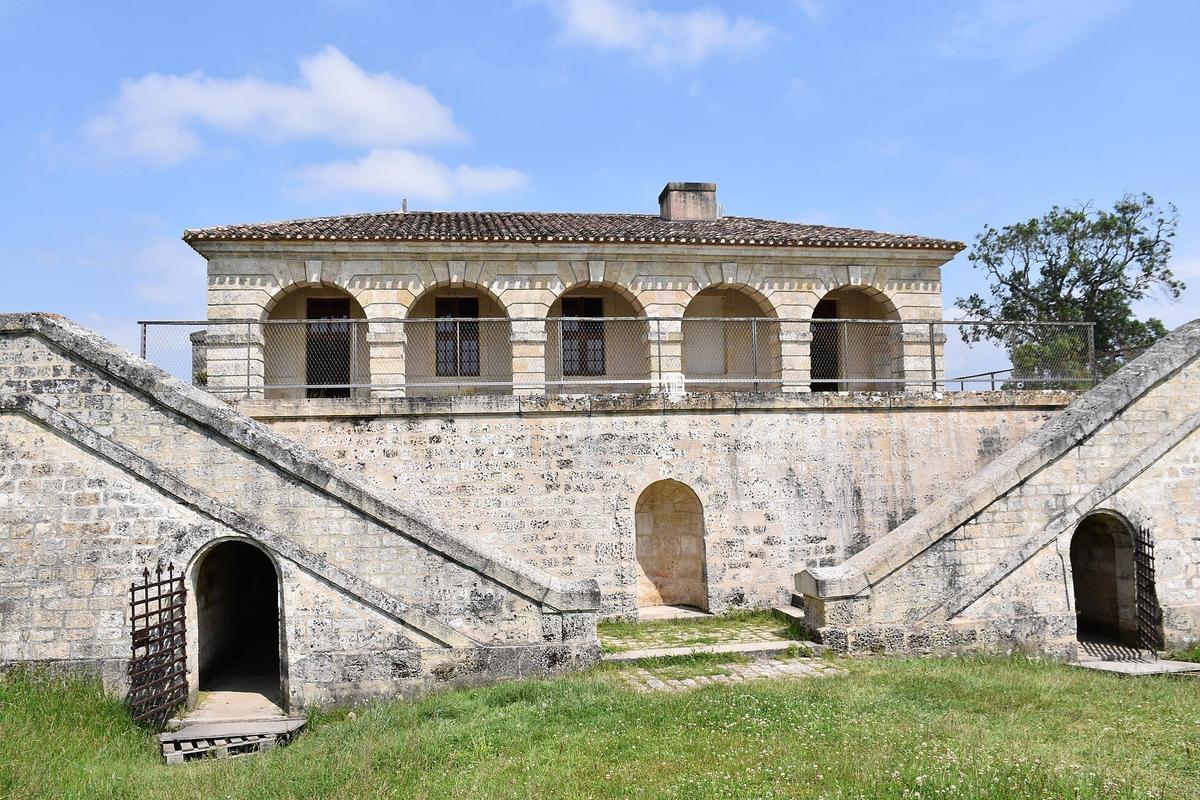
The Royal Guardhouse. Just behind the gate, this is the main building, in classical style. The defensive rooms were reached through doors hidden under the side staircases. Look for them as you pass.
The Guardhouse of the Sea. Built between 1691 and 1694 on the river side, it housed the battery facing Blaye and the toll post. Inside are a vaulted armoury and graffiti left by soldiers.
The bakery and the surgeon's room. At the end of the northern barracks, the bakery has got its two ovens back. It could produce up to 400 bread rations a day, in five batches. The room next door, where the surgeon treated patients, was heated by the ovens.
The powder magazine. In the south-east bastion, it could hold nearly 16 tonnes of gunpowder. Its walls are about a metre thick, under a vault covered with earth.
The cistern. Built in 1823, it holds 60,000 litres. It collected rainwater from the roofs and filtered it through sand.
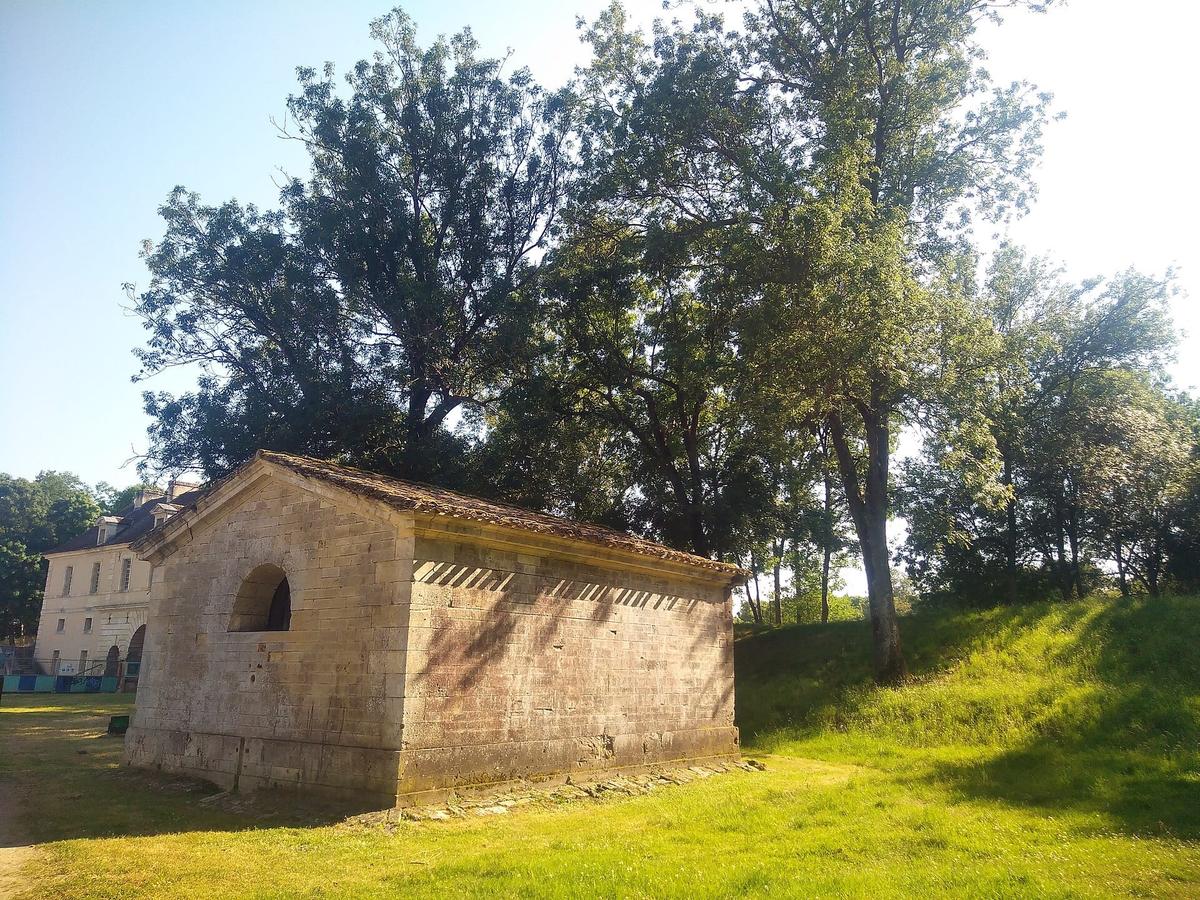
The chapel and the barracks. Only ruins remain of the two barracks. Each originally had 40 rooms with three or four beds. The chapel, at the end of the southern barracks, has been partly rebuilt with two round arches.
The estuary. Climb onto the ramparts on the Gironde side. On a clear day you can see the citadel of Blaye opposite. This is the best place to understand how the barrier worked.
The augmented reality tour. Since 2020, an augmented reality tour can be followed on your smartphone. It brings back the buildings that have disappeared. Ask at the front desk how to use it.
Curious facts
- Brackish water. The fort's wells gave brackish water. Until the cistern was built in 1823, soldiers fetched water from a fountain in the village, two kilometres away.
- A hospital across the river. Seriously ill soldiers were taken by boat to the hospital in Blaye, which could take 15 patients from the fort.
- Bordeaux, a city not to be trusted. According to Vauban, without the fort Bordeaux was liable to "play the harlot", in other words to sell itself to the enemy. The fort protected the city as much as it kept an eye on it.
- Chaplains who went elsewhere. Quarrels between the fort's chaplains and the parish priest of Cussac, especially over burials, were frequent. Some chaplains went off to say paid masses elsewhere.

Visiting Fort Médoc with children
Fort Médoc is a good family outing. Children have space to run, ramparts to climb, bread ovens and a powder magazine to explore. And it is very cheap: €1 per child aged 5 to 12.

The council offers a treasure trail and a family Cluedo game, at €3 per family. For holiday clubs and school groups, there is also an "Es-tu Fort Médoc" treasure hunt for ages 5 to 12, and an orienteering course from age 7.
A few tips:
- The moats are full of water: keep an eye on little ones near the edges and on the ramparts.
- The tourist office says the site is suitable for pushchairs.
- Picnic tables are set out in the grounds: the easiest way to have lunch.
- The front desk sells water and coffee at €1, and souvenirs.
Wheelchair access
The council does not publish detailed information on wheelchair access. Much of the site is natural ground, with ramparts and steps. Disabled visitors and their carer get in free. Call the front desk before you come to find out which parts are accessible.

How to get to Fort Médoc
By car from Bordeaux. It is about forty kilometres north, along the Médoc châteaux route. The fort is on the edge of Cussac, at the end of avenue du Fort-Médoc. There is a car park, including for coaches.
From Blaye. A ferry crosses the estuary between Blaye and Lamarque, a few kilometres south of the fort. The timetable changes with the season: check it before you set off, especially for the last return crossing.
By boat. In fine weather, pleasure boats call at the fort's landing stage. These trips are booked directly with the boat companies, for example Cœur d'Estuaire.
Without a car. No convenient scheduled bus serves the fort. You will need a tour or a taxi.
Renting a car. To fit the fort, the Médoc châteaux and the ferry to Blaye into one day, the easiest option is a car picked up in Bordeaux. If you are going to wine tastings, choose a driver who won't drink.
What to combine with Fort Médoc on the same day
| Also worth seeing | Distance | Travel time |
|---|---|---|
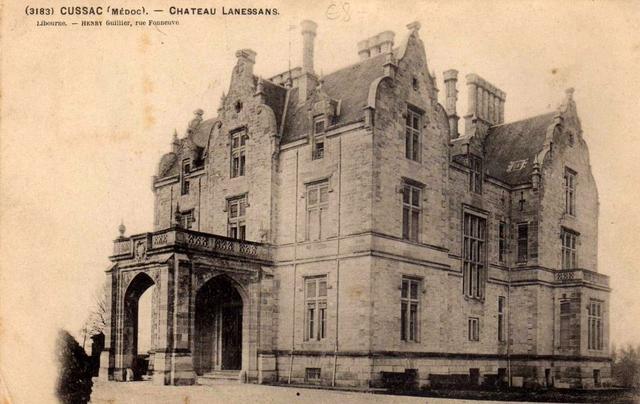
| Château Lanessan | 5 km | 8 min by car |
| Citadel of Blaye | 12 km | 45 min by car |
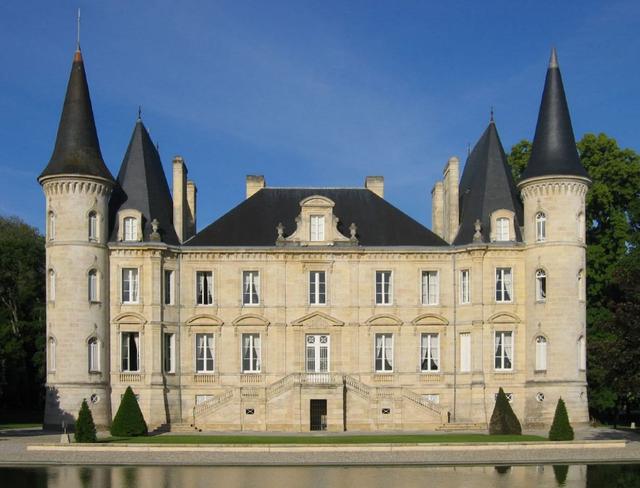
| Château Pichon Baron | 11 km | 14 min by car |
Approximate road distances and travel times.
The citadel of Blaye. This is the other half of the estuary barrier, and the more spectacular one. The Lamarque ferry lets you visit both on the same day and see how the crossfire covered the river. See also: Citadel of Blaye
The Médoc châteaux. A few minutes away, in the same village, Château Lanessan can be visited with its horse museum. Further north, in Pauillac, Château Pichon Baron and its two turrets can be visited by appointment, with a tasting. See also: Château Lanessan, Château Pichon Baron
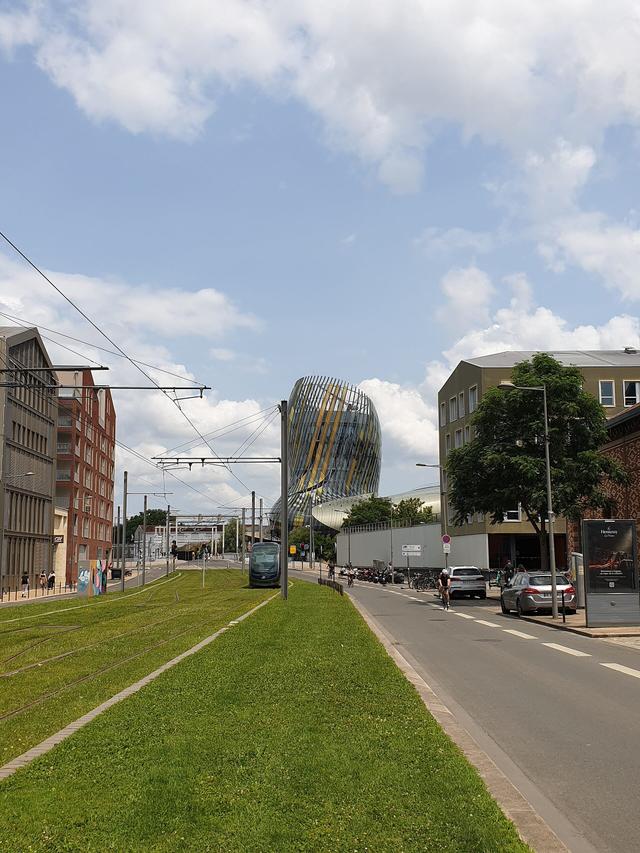
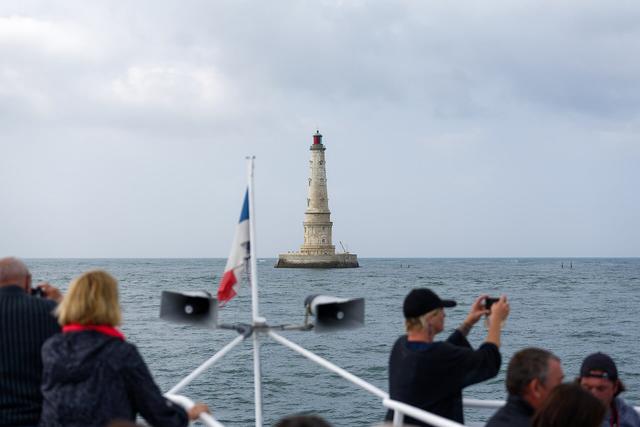
Further along the estuary. The Cordouan lighthouse, at the mouth of the estuary, is reached by boat from the tip of the Médoc. Back in Bordeaux, the Cité du Vin rounds off a day in the vineyards. See also: Cordouan Lighthouse, Cité du Vin, Bordeaux and Gironde
Where to eat and stay
Eating. The fort has no restaurant. The simplest option is a picnic at the tables in the grounds, facing the river. Otherwise, look for a table in Lamarque, near the ferry port, or in Pauillac.
Staying. Pauillac is the most convenient base for the fort and the great Médoc châteaux, with hotels and B&Bs. Lamarque and Cussac have a few holiday rentals. Bordeaux is also an option, about forty kilometres away.
FAQ
How much does it cost to visit Fort Médoc?
€4 per adult, €3 reduced rate, €1 for ages 5 to 12 and free under 5. A group guided tour costs €6 per person.
Is Fort Médoc open in winter?
No, it is closed from December to February. In March and November it only opens at weekends and on public holidays, 13:00 – 17:00.
How long does the visit take?
About 1 to 1.5 hours on your own. Add time for a treasure trail or a boat trip.
Can you get from Fort Médoc to Blaye?
Yes, by the ferry linking Lamarque and Blaye, a few kilometres from the fort. Check the crossing times before you set off.
Why is Fort Médoc a UNESCO site?
It is one of the Fortifications of Vauban added to the World Heritage List in 2008, together with the citadel of Blaye and Fort Pâté, which formed the barrier across the Gironde estuary.
Is there a car park?
Yes, there is a car park for visitors, including coaches.
Practical information
Opening hours 2026
| 1 March 2026 to 31 March 2026 | 13:00 – 17:00 (Closed: Monday, Tuesday, Wednesday, Thursday, and Friday) |
|---|---|
| 1 April 2026 to 30 April 2026 | 10:00 – 18:00 |
| 1 May 2026 to 30 September 2026 | 10:00 – 19:00 |
| 1 October 2026 to 31 October 2026 | 10:00 – 18:00 |
| 1 November 2026 to 30 November 2026 | 13:00 – 17:00 (Closed: Monday, Tuesday, Wednesday, Thursday, and Friday) |
Official ticket-office prices 2026
| Full price | €4 |
|---|---|
| Reduced rate | €3 |
| Child (aged 5–12) | €1 |
| Free | children under 5 and disabled visitors and one companion |
Address
Fort Médoc, 32 avenue du Fort-Médoc, 33460 Cussac-Fort-Médoc, France
Directions · Phone+33 5 56 58 98 40
On site and nearby
- On site: Toilets, picnics allowed, and wifi
- Nearest shops and pharmacy: Cussac-le-Vieux, 2 km away Straight-line distance, based on OpenStreetMap.
- Emergencies: 112 (all emergencies, free from any phone), 15 (SAMU, medical emergency)
Around the site, on Google Maps
With children
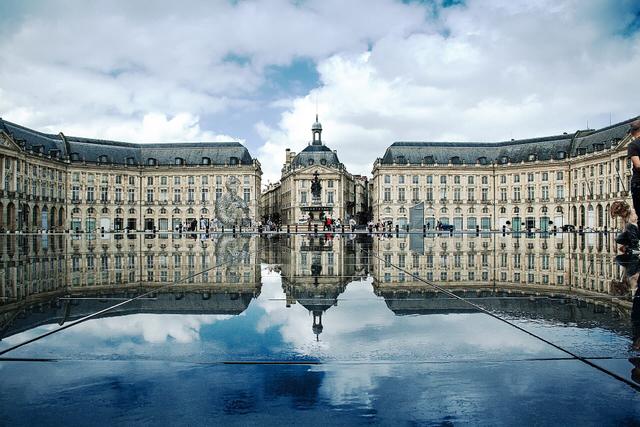
Family days out nearby: Bassins des Lumières (29 km), Place de la Bourse and Water Mirror (32 km), Château de Vayres (38 km)
Swimming pools and play areas nearby, on Google Maps
Facts checked on 11 November 2026. Sources: cussac-fort-medoc.fr, cussac-fort-medoc.fr, fr.wikipedia.org, en.wikipedia.org, bordeaux-tourism.co.uk
Map
In the same region
- Château La Croizillefrom €21